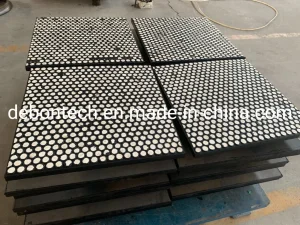
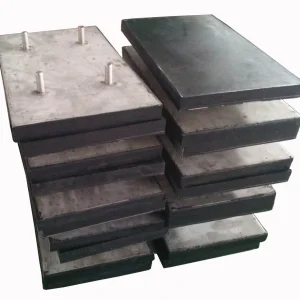
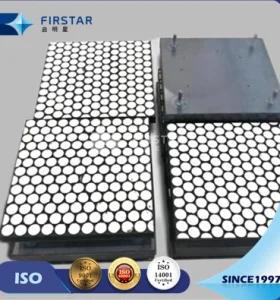
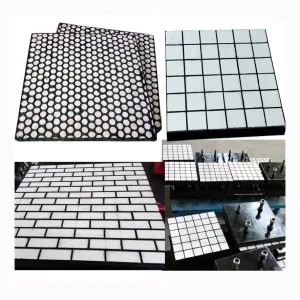
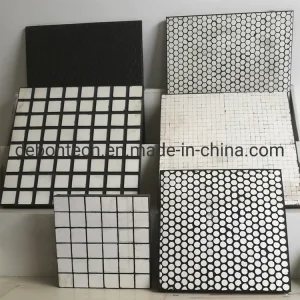
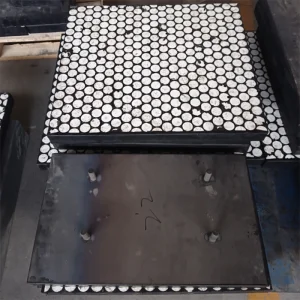
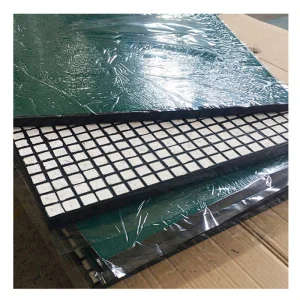
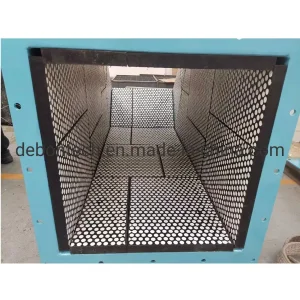
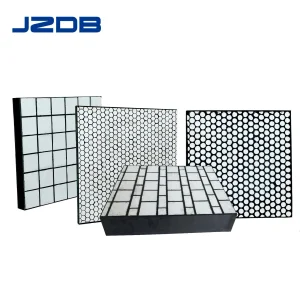
Highly customized steel-ceramic composite mats designed to withstand intensive impact and severe wear from copper-cobalt ores.
The Democratic Republic of Congo (DR Congo) holds over 70% of the world’s cobalt and massive reserves of high-grade copper ores, centered primarily in the Katanga Copperbelt and Kolwezi regions. However, the mineral processing plants in these environments operate under some of the most punishing conditions globally.
Here, conveyors and transfer chutes must guide tons of coarse, high-density, and sharp ores from depths of open-cast mines to processing facilities. High humidity, heavy precipitation, and aggressive chemical runoffs accelerate machinery erosion. Standard steel plates corrode and wear thin in mere weeks, leading to catastrophic production downtime.
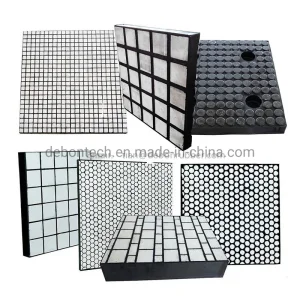
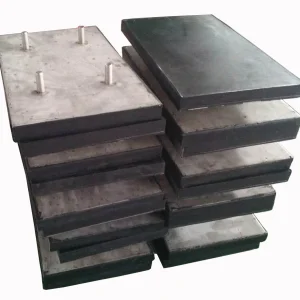
The Solution: Our integrated Steel-Ceramic-Rubber composite liners are engineered specifically to handle these physical realities. By combining the hardness of technical ceramics with the elasticity of rubber, we absorb initial impact kinetic energy and redirect shear stress, exponentially extending system lifespans.
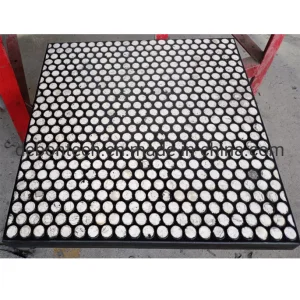
Engineered layers tailored to manage high drop heights and sharp particle velocities common in Kolwezi mineral projects.
Navigating the supply chain to land heavy mineral components in landlocked mining regions such as Kolwezi, Likasi, and Lubumbashi requires mature logistics protocols. Unpredicted customs bottlenecks or poor transit handling can stop a processing plant's entire output.
As experienced exporters, we streamline international procurement by coordinating transport routes via critical African corridors:
Every single consignment is packed using export-grade steel pallets wrapped in moisture-resistant membranes, ensuring zero damage from the elements during tropical sea voyages and overland travel.
Request Logistics QuoteCompare the wear-resistant properties of our composite components, designed to withstand continuous operating parameters.
| Performance Indicator | 92% Alumina (Al2O3) | 95% Alumina (Al2O3) | ZTA Ceramic Composite |
|---|---|---|---|
| Bulk Density | ≥ 3.60 g/cm³ | ≥ 3.65 g/cm³ | ≥ 4.10 g/cm³ |
| Vickers Hardness (Hv50) | ≥ 1050 GPa | ≥ 1150 GPa | ≥ 1450 GPa |
| Rockwell Hardness (HRA) | ≥ 85 | ≥ 88 | ≥ 90 |
| Fracture Toughness (KIc) | 3.7 MPa·m1/2 | 4.2 MPa·m1/2 | 6.8 - 8.0 MPa·m1/2 |
| Rubber Tensile Strength | 15 MPa | 15 MPa | 18 MPa |
| Steel Backing Grade | Q235 / Q345 / Custom | Q235 / Q345 / Custom | Q235 / Q345 / HARDOX |
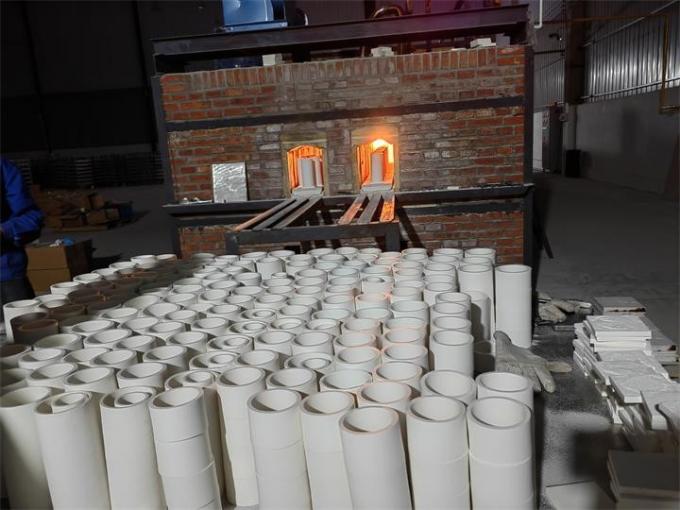
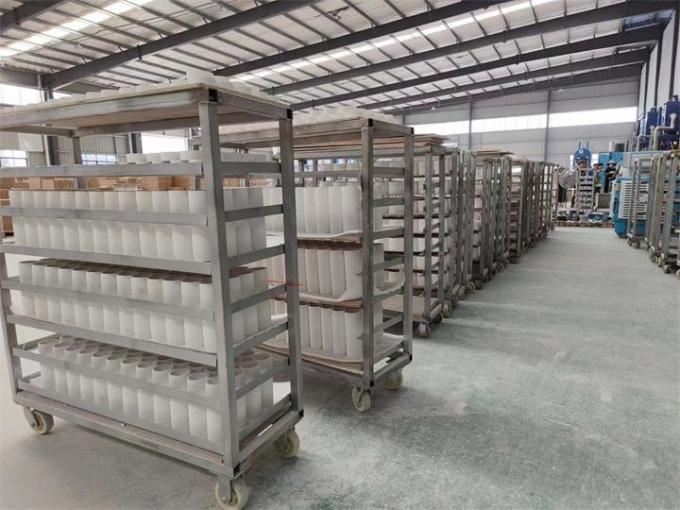
Operating as a unified force in global wear solutions, our manufacturing facilities stand at the forefront of industrial ceramics. Hunan Yibeino New Materials Co., Ltd. has achieved comprehensive ISO 9001:2015 quality system certifications. We ensure that our entire process—from initial raw mineral blending to vulcanization and final structural inspection—complies with international engineering standards.
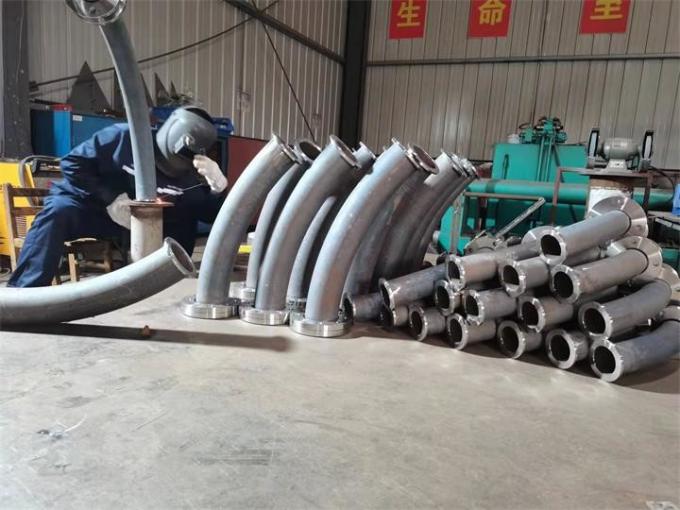
Additionally, Zibo Xingli Industrial Ceramics Co., Ltd. specializes in industrial alumina ceramics, zirconia ceramics, and silicon-carbide wear applications. Together, we supply clients worldwide with highly durable grinding media, wear plates, ceramic-lined steel piping, and catalyst-support configurations.
Our commitment to research has earned multiple state-level patents, including innovative anti-clogging discharge bends, modular lining board installation assemblies, and wear-resistant conveyor lining designs.
How we support operations from early-stage designs to plant shutdown maintenance.
Our experienced application engineers conduct digital consultations or on-site inspections to analyze factors like drop height, feed velocity, and slurry acidity, and calculate ideal liner thicknesses.
We supply exact engineering CAD drawings showing the bolt layout of every liner plate. This ensures a perfect fit during plant shutdowns and avoids the need for on-site flame cutting or modification.
We stand by our products. In the event of atypical wear, our support team communicates directly with your maintenance crews to solve issues quickly and minimize downtime.
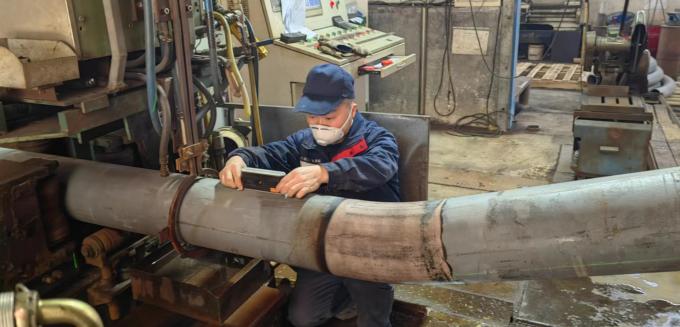
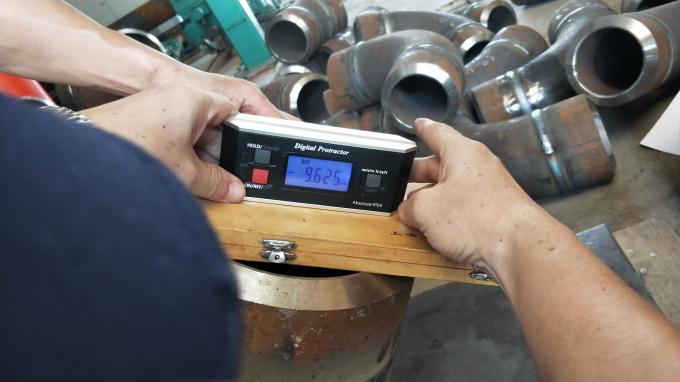
Engineered for high-volume mining projects in the Katanga Copperbelt, featuring impact-absorbing vulcanized structures.
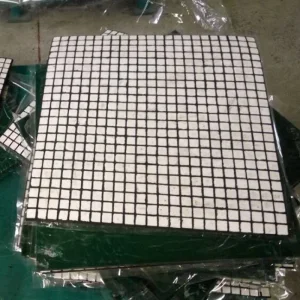
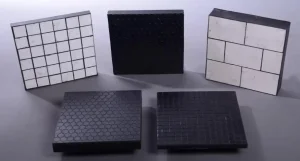
Modern mineral processing requires materials capable of handling increased throughput and larger feed particles. To meet these challenges, our wear solutions focus on three main areas of development:
These material advancements help mineral processing operations increase their run times, leading to more predictable maintenance schedules and reduced operational costs.
Get answers to common technical, logistics, and installation questions about our steel-ceramic composite wear liners.
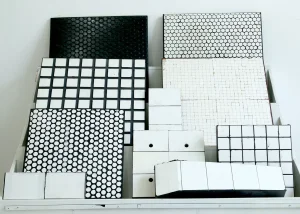
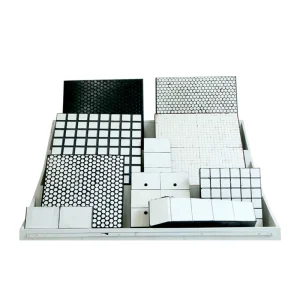
Explore our complete catalog of industrial ceramic-rubber matrices, available for export and distribution throughout Central and Southern Africa.
Connect with our application engineering team for technical layouts, custom material configurations, and quotes for operations in DR Congo and worldwide.
 Xingli Industrial Ceramics