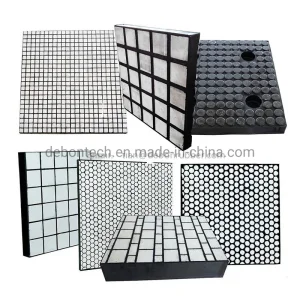
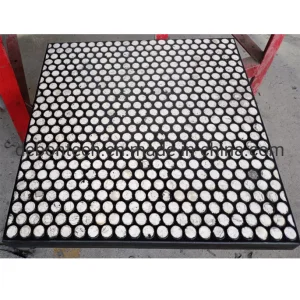
Basic Specifications
Material
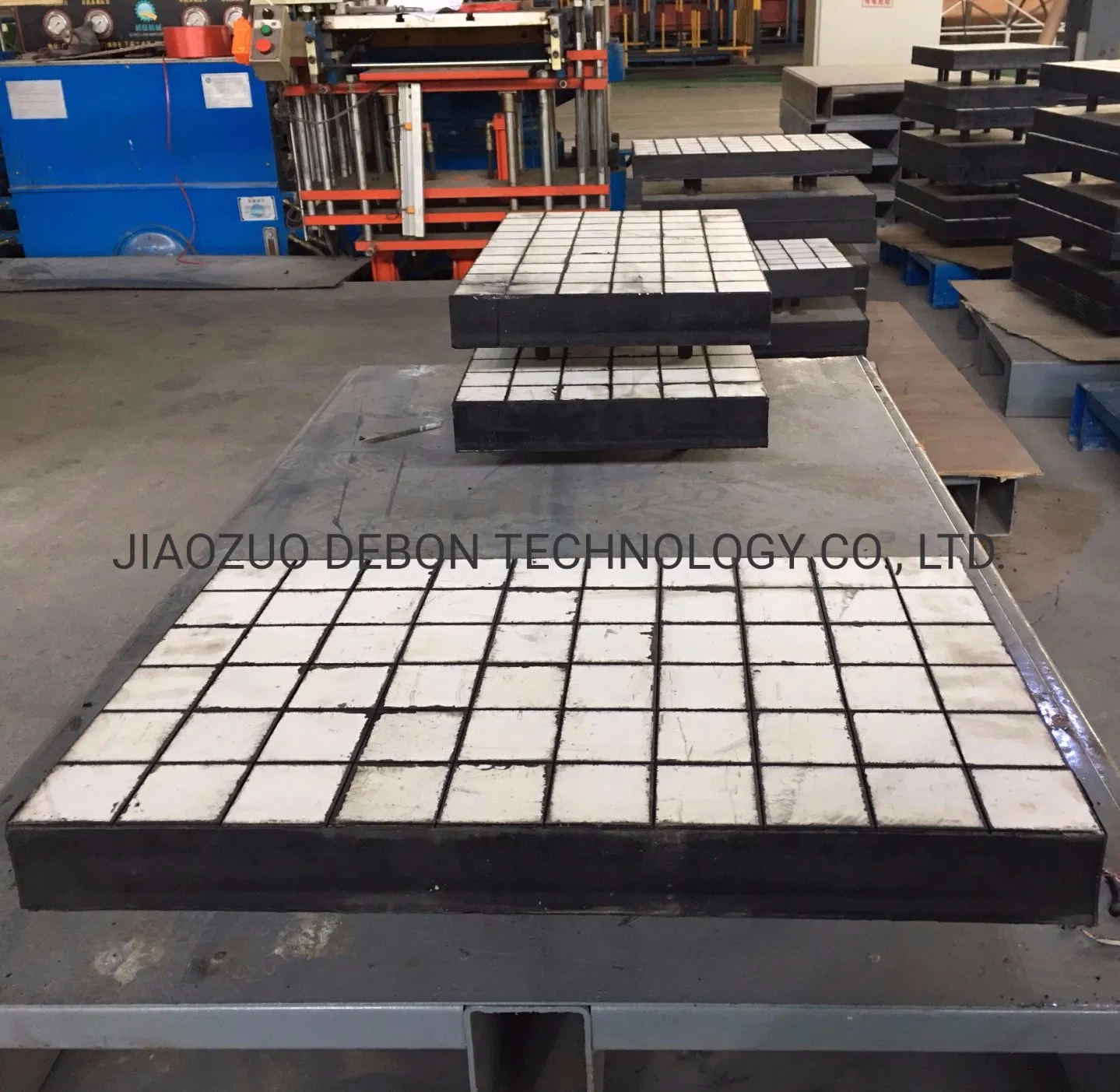
Alumina Ceramic + Rubber + Cn Layer / Steel Plate
Suitable
Conveyor, Chute, Hopper, Bin, Pipe, Mine, Quarry
Function
Wear, Abrasion and Impact Protection
Ceramic Tile Shape
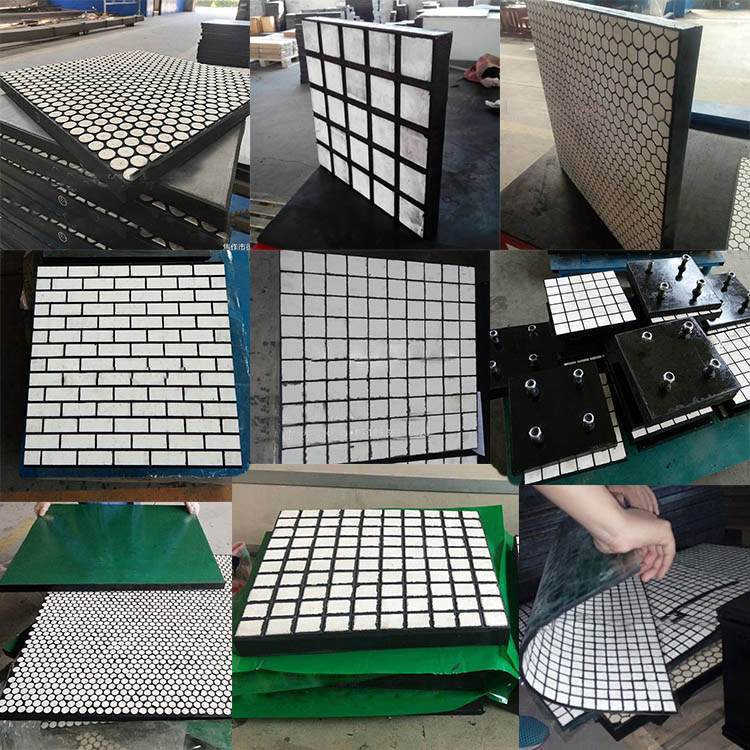
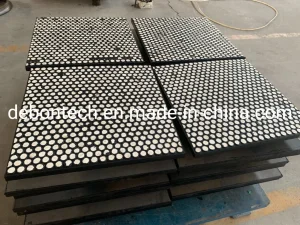
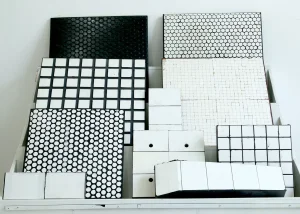
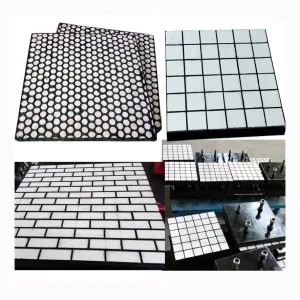
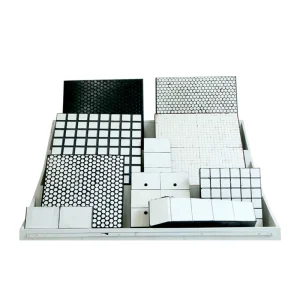
Cylindrical, Hexagonal, Square, Spherical
Install Method
Steel Plate and Studs, or Bonding Layer
Certificate
ISO9001: 2008, SGS, CE
Custom
Customized Size and Shapes
Product Name
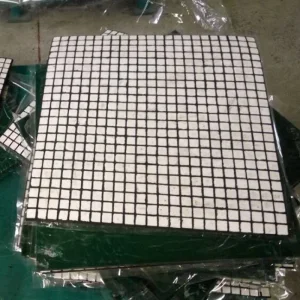
Abrasion Resistant Ceramic Rubber Composite Liner
Feature
Wear-Resistant, Impact-Resistant, Heat-Resistant
Why Choose Our Solutions
As a professional manufacturer of wear-resistant rubber ceramic liners, mats, plates, and panels, we provide high-quality solutions for diverse industrial applications. Custom sizes and structures are available to meet your specific needs.
- Over 20 years of experience in wear products and conveyor accessories.
- Extensive export experience across UK, France, Chile, Canada, USA, Australia, Russia, and more.
- SGS audited supplier with an ISO9001:2015 certified factory.
- Strict QC/QA protocols ensuring high quality and consistency.
Product Description
Chute damage is a common problem in loading zones, leading to environmental pollution, structural damage, and high maintenance costs. Our chute liners provide an easy-to-replace solution that cushions and protects equipment from handled materials.
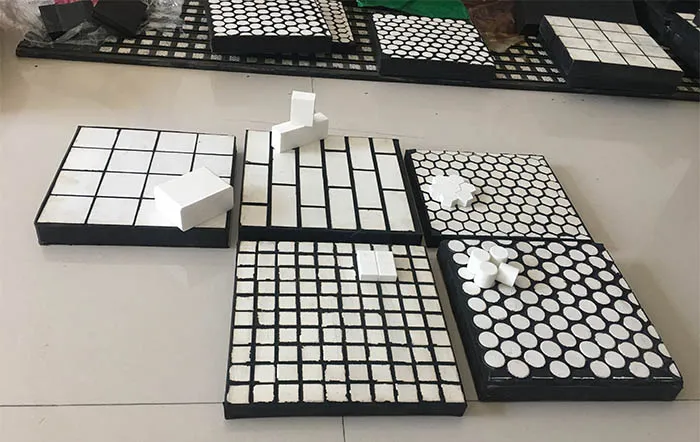
This composite lining embeds high alumina tiles into rubber via vulcanization. The rubber cushion prevents ceramic tiles from breaking, combining the excellent wear resistance of ceramics with the impact-absorbing elasticity of rubber.
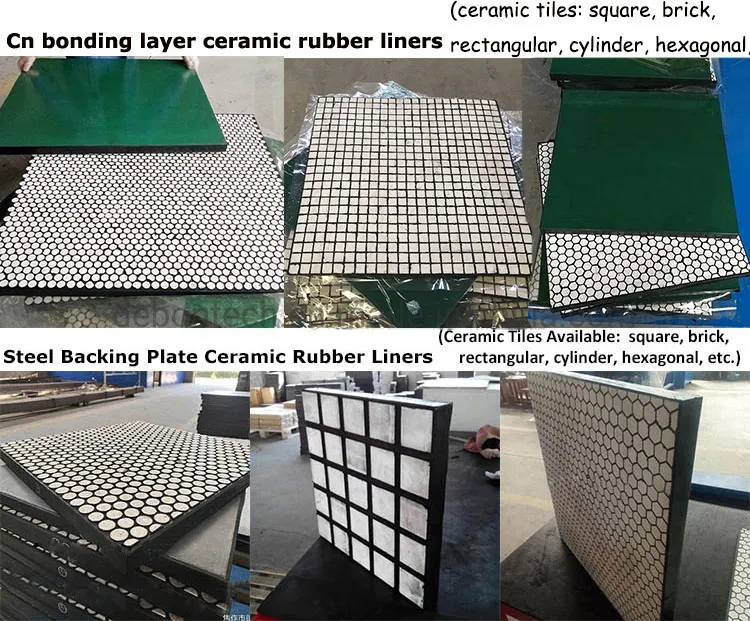
Structure & Installation Types
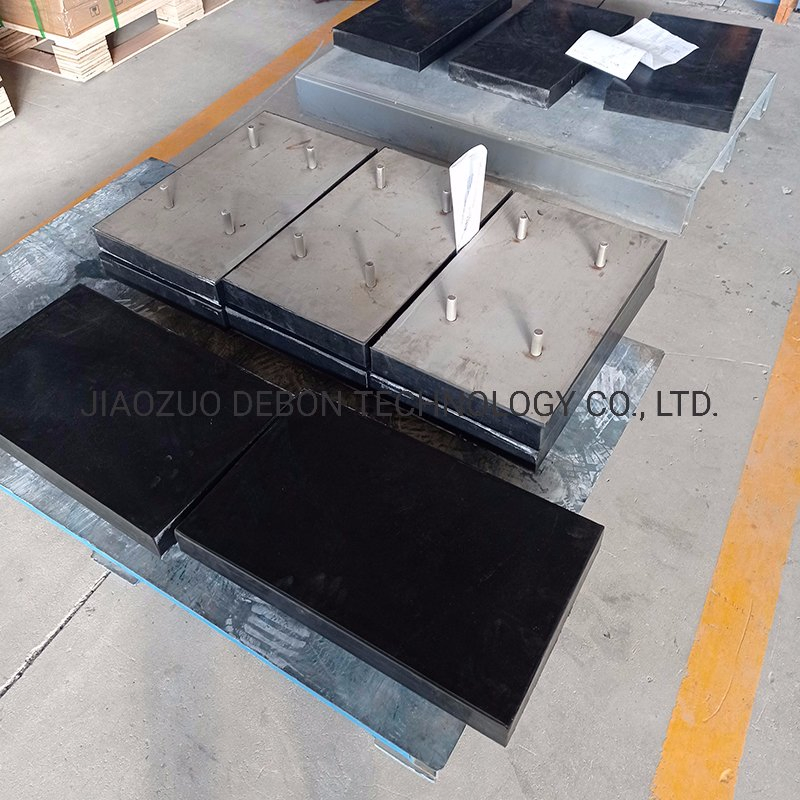
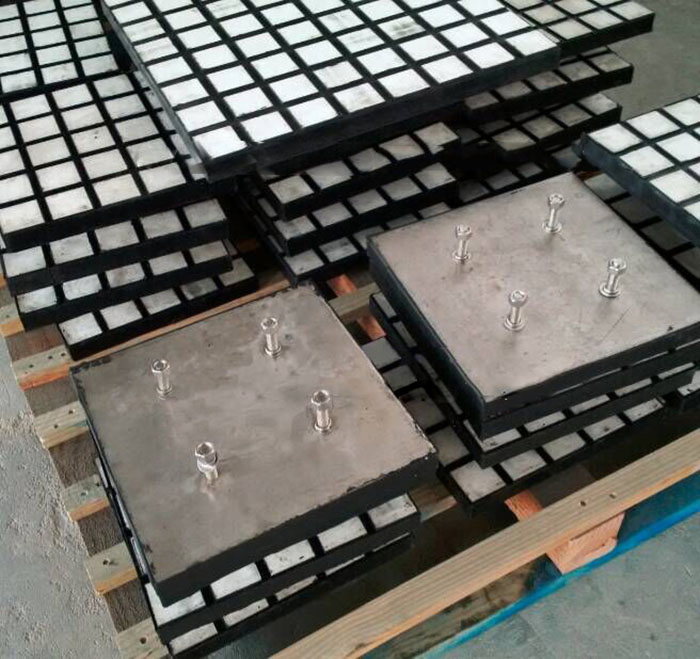
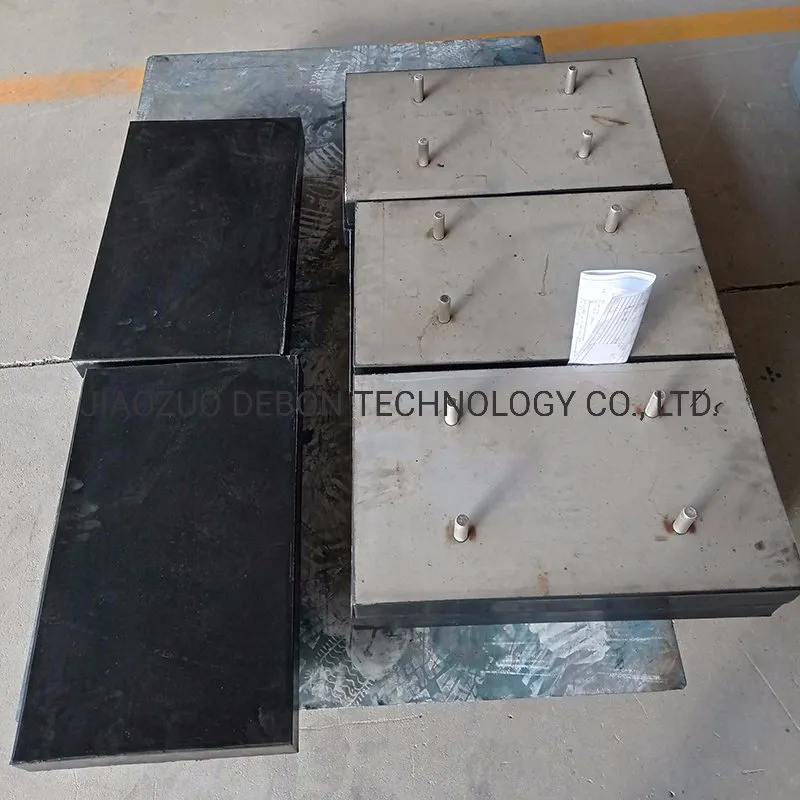
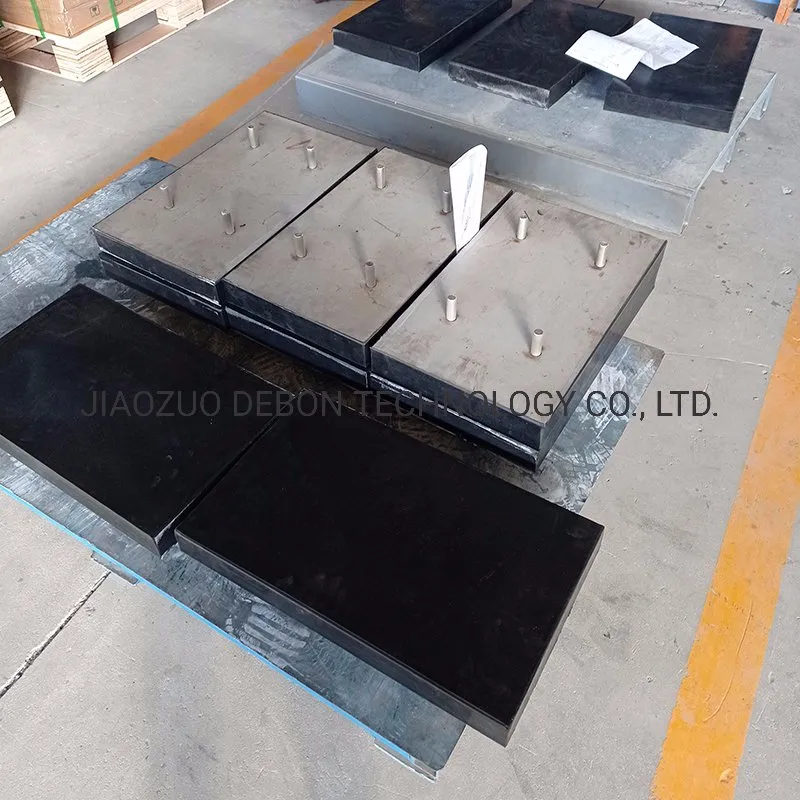
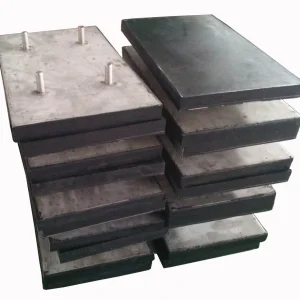
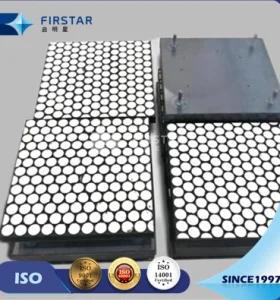
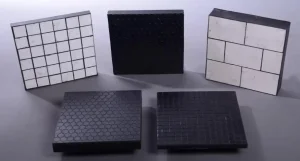
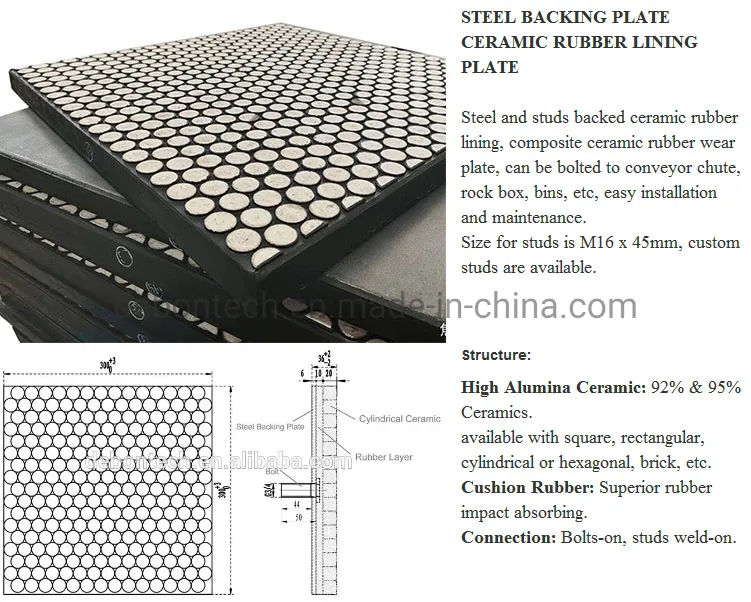
Type 1: Ceramic + Rubber + Steel Back Plate + Studs (Welded mounting studs for easy installation).
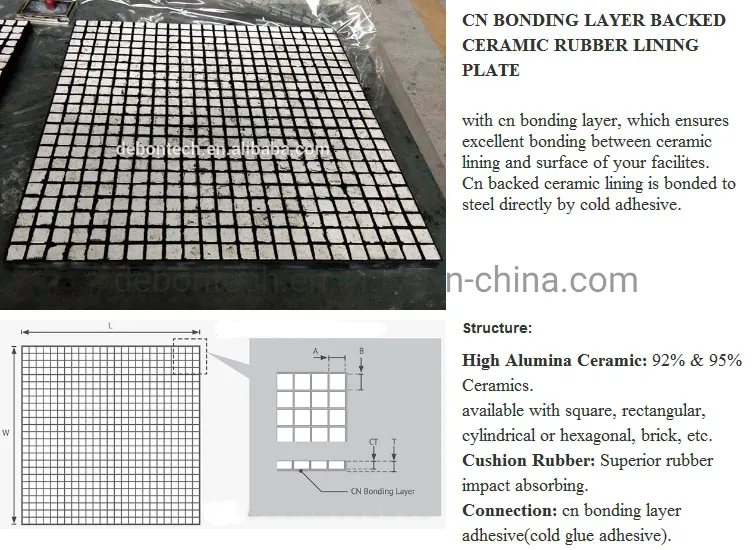
Type 2: Ceramic + Rubber + CN Bonding Layer (Fastened via cold vulcanization).
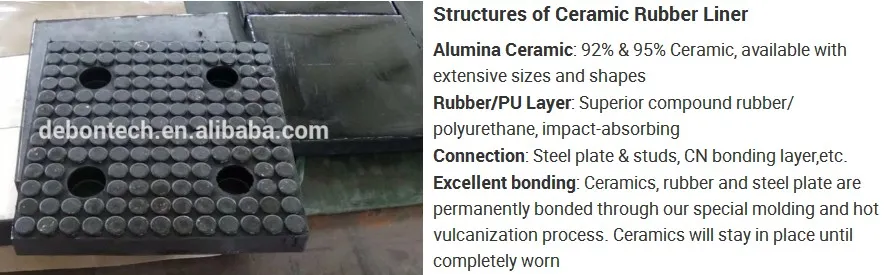
Type 3: Ceramic + Rubber + Countersunk (Installed by bolts and studs).
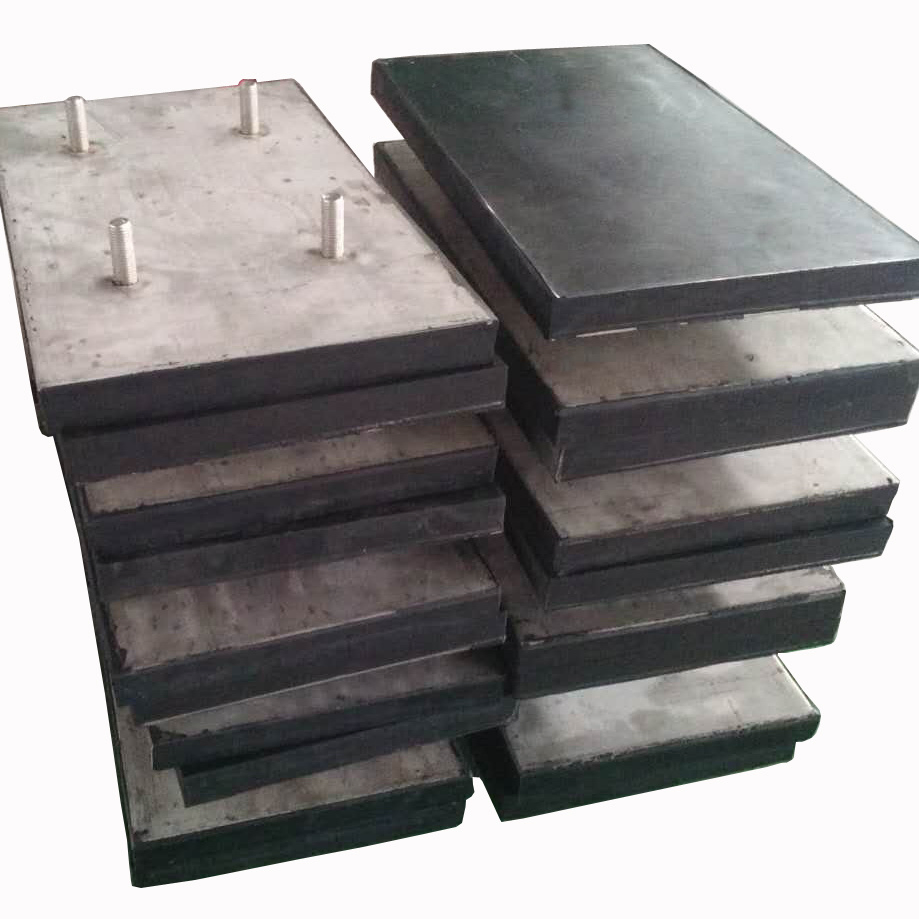
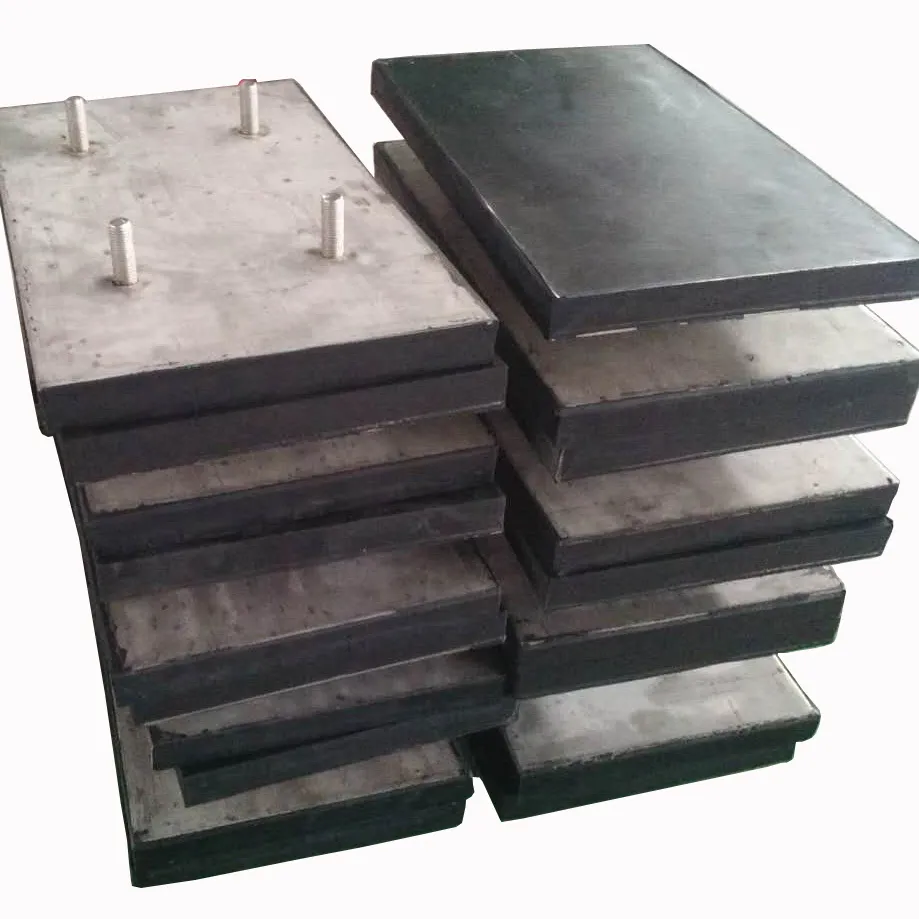
Type 4: Rubber + Steel Backing Plate + Studs (Welded mounting studs).
Technical Parameters
| Alumina Ceramic Tiles |
| 1 | Alumina(Al2O3) | 92% | 95% |
| 2 | Density | g/cm3 | 3.62 |
| 3 | Water Absorption | % | ≤0.01 |
| 4 | Hardness | Mohs | 9 |
| Rubber Components |
| 1 | Material | - | NR & SBR Blend |
| 2 | Gravity | g/cm3 | 1.15 |
| 3 | Hardness | Shore A | 60 ± 5 |
| Steel Plate: Mild steel or Stainless Steel |
Features & Benefits
- Excellent impact and wear resistance.
- Sound and noise reduction solution.
- Extended service life for equipment.
- Cost-effective with reduced maintenance and downtime.
- Customization accepted for all mining and industrial applications.
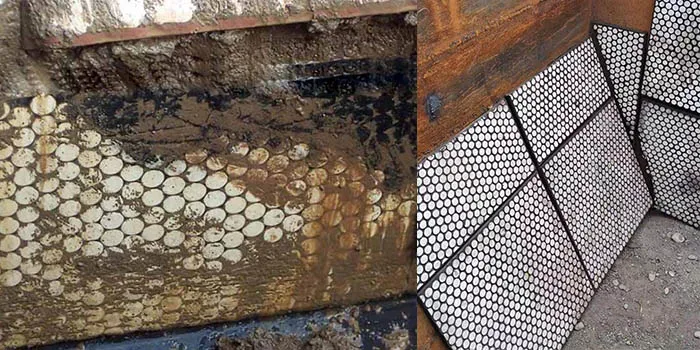
On-Site Application
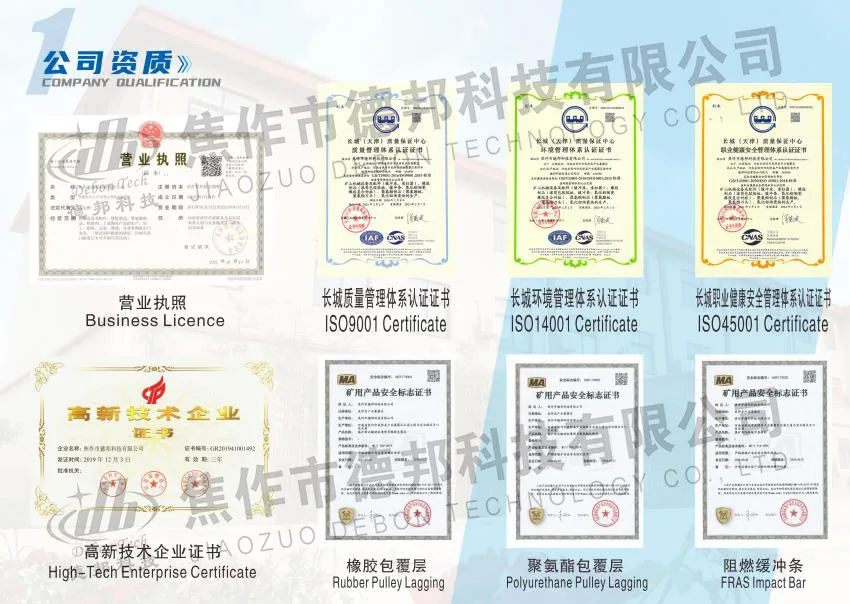
Certifications
Main Product Range
Conveyor Belt Scrapers/Cleaners
Ceramic Rubber Wear Liners
Mill Liners & Impact Beds
Ceramic Rubber Pulley Lagging
Polyurethane & Rubber Sheets
Steel Cord Strippers
Frequently Asked Questions (FAQ)
What are the primary benefits of ceramic rubber composite liners?
They combine the extreme hardness of alumina ceramics for wear resistance with the elasticity of rubber for impact absorption, significantly extending the lifespan of chutes and hoppers.
What installation methods are available for these liners?
We offer several methods including welded mounting studs, bolt-on countersunk holes, and CN bonding layers for cold vulcanization directly onto the equipment surface.
Can the liners be customized for specific equipment?
Yes, we accept customization for sizes, shapes, and tile configurations (square, hexagonal, cylindrical) to fit your unique conveyor or chute geometry.
What industries typically use these abrasion-resistant plates?
They are widely used in hard rock mining, quarries, coal handling, cement plants, and other bulk material handling industries where equipment faces high wear and impact.
What grade of alumina is used in the ceramic tiles?
We primarily use 92% and 95% high alumina ceramics, which provide a Mohs hardness of 9 for superior protection.
Do these liners help with noise reduction?
Yes, the rubber layer acts as a natural sound dampener, significantly reducing noise pollution caused by material impact during operations.
 Xingli Industrial Ceramics