Xingli Industrial Ceramics
 Steel Backed Composite Ceramic Wear Liners Protect Conveyor Transfer Chute
Engineered specifically to survive high salinity, heavy moisture, and abrasive aggregates. Our initial select product lineup prevents maintenance failure points in conveyor transfers and chutes.
Vanuatu's industrial landscape is undergoing rapid development. From volcanic aggregate quarrying in Efate and Espiritu Santo to major marine cargo operations at the Luganville and Port Vila ports, handling abrasive bulk materials demands wear mitigation systems that go far beyond standard steel sheet liners. The combination of intense tropical humidity, high air salinity, and high-impact volcanic materials accelerates abrasive oxidation and corrosive wear in transfer chutes, vibratory feeders, and conveyor discharge systems.
Conventional hardened steel liners (like basic carbon steels or even specialized hard-facing plates) fail rapidly under these marine-industrial hybrid stresses. When exposed to chemical oxidation from the coastal environment, they crack, rust, and scale, causing product blockages and significant down-time. Our steel-ceramic composite wear liners offer a hybrid solution: utilizing vulcanized rubber to cushion extreme impact and high-purity alumina (Al₂O₃) or Zirconia-Toughened Alumina (ZTA) to resist sliding wear. This keeps local logistics operations run smoothly without frequent system maintenance.
Whether your operations center on municipal construction quarrying, volcanic sand extraction, or bulk shipping of copra and mineral resources, wear patterns dictate the lifespan of your mechanical installations. Our engineering team modifies composite formulas specifically for:
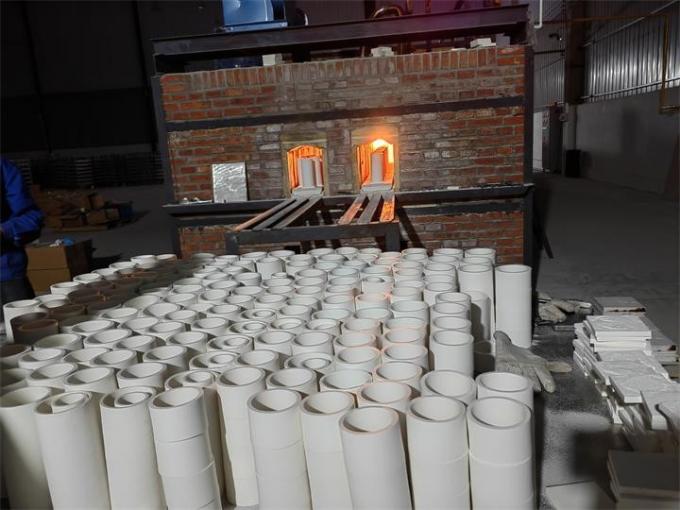
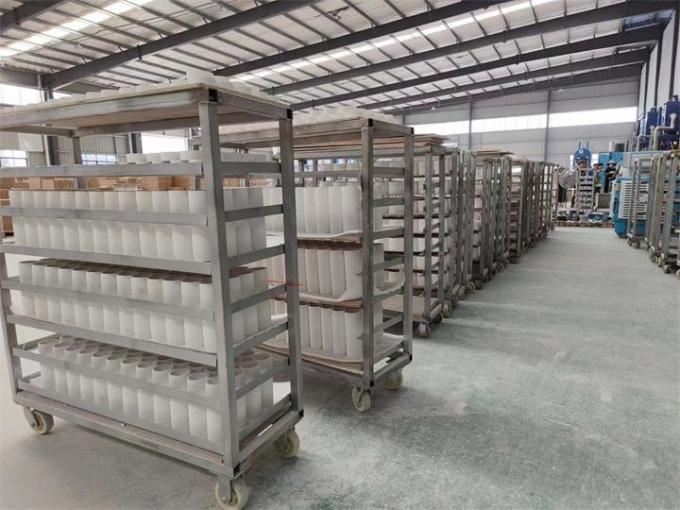
Our alliance brings together raw material control, precision engineering, and specialized manufacturing. Located in China's industrial ceramics hubs, our facilities operate under strict quality controls certified by ISO 9001:2015 and ISO 14001:2015.
Using 92% to 95% high-purity alumina and ZTA (Zirconia-Toughened Alumina) to provide maximum wear protection.
Our hot vulcanization process binds ceramic, rubber, and steel backing into a single composite plate that will not delaminate.
Our designs, including specialized anti-clogging discharge bends and liner mounting plates, hold active patents.
For Vanuatu’s industrial operations, importing directly from our production plants in China guarantees two key benefits: accurate customized sizing and highly competitive direct pricing. We eliminate middle-tier international distribution margins. By working directly with us, you can customize stud layouts, backplate thicknesses, and rubber dampening formulas to fit the drop heights and particle metrics of your specific site.
"From raw material sourcing, processing, and assembly inspection to final packaging, every step is recorded and monitored under a strict internal quality control system."
Understanding the interaction between materials is key to managing friction and impact force. Our liners combine three layers, each addressing a specific wear mechanism:
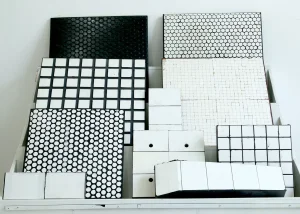
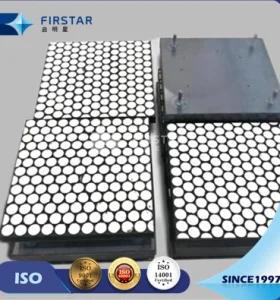
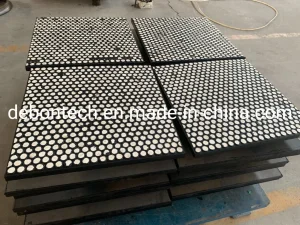
The top layer consists of alumina (Al₂O₃) mosaic tiles or hexagonal blocks. Alumina features a hardness ranking close to diamond, enabling it to resist steady, abrasive flows of basalt, sand, or clinker. For extreme impact applications, we recommend Zirconia-Toughened Alumina (ZTA), which offers increased fracture resistance and prevents chipping.
A specialized natural rubber compound is vulcanized around the ceramic tiles. This rubber matrix absorbs the impact energy of falling rocks and aggregate, preventing the ceramic from cracking while reducing noise across the facility.
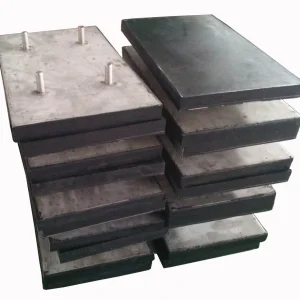
A structurally rigid Q235 steel plate is bonded to the back, allowing secure installation via welded studs or countersunk bolts. This steel backing prevents deflection and simplifies mounting onto existing conveyor frames.
| Al₂O₃ Purity | ≥ 92% / ≥ 95% |
| Ceramic Mohs Hardness | 9 Mohs |
| Rubber Elongation at Break | ≥ 400% |
| Rubber Tensile Strength | ≥ 15 MPa |
| Peeling Strength (Rubber to Steel) | ≥ 8 N/mm |
Explore our complete line of industrial lining products, built to withstand heavy impacts and high-flow friction.
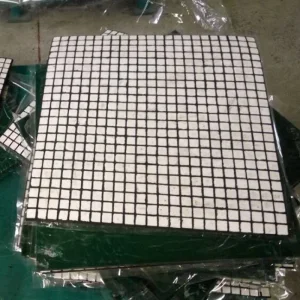 High Impact Resistant Rubber Backed Alumina Ceramic Composite Wear Liner Plate for Chute
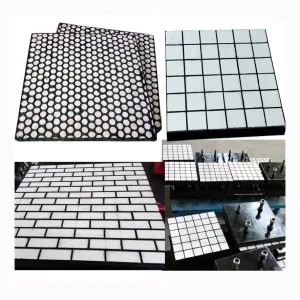 Ceramic Wear Protection Liners Composite Rubber Ceramic Wear Plate
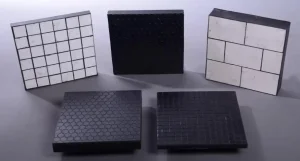 Wear Resistant Conveyor Chute Ceramic Rubber Wear Liner Sheets Composite Plate Lining
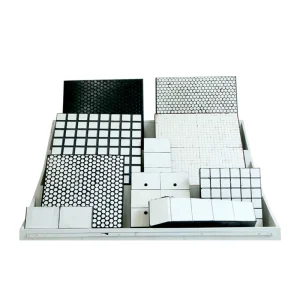 Impact and Resistant Composite Zta Ceramic Wear Liners
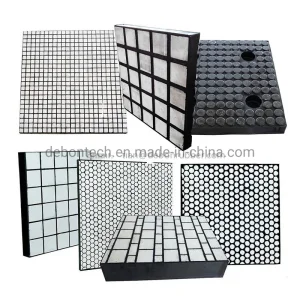 Abrasion Resistant Ceramic Rubber Composite Liner Manufacturer Supplier
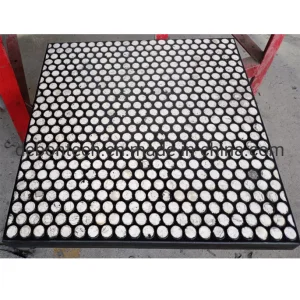 Conveyor Wear Resistant Ceramic Rubber Composite Wear Liner Sheeting Plate Lining
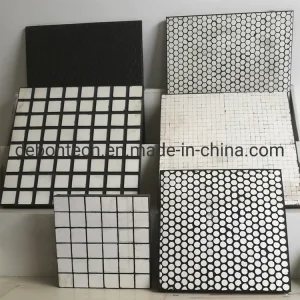 Conveyor Chute Adhesive Composite Ceramic Rubber Matrix Liner Wear Resistant Lining
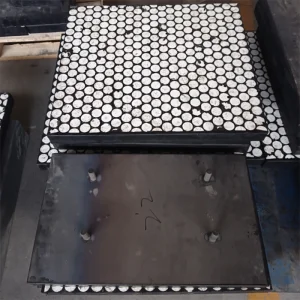 Alumina/Zta Ceramic Rubber Composite Wear Lining Plate
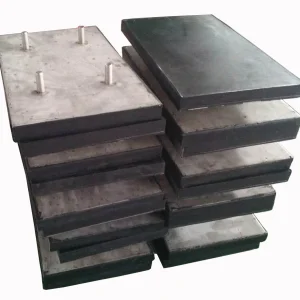 Steel Back Plate Protection Rubber Panel Impact Chute Composite Rubber Mats Pad Wear Liner Panel
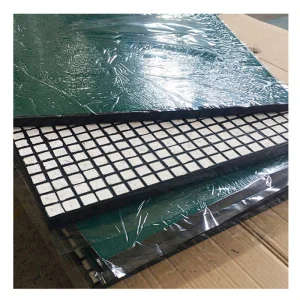 Wear Resistant Ceramic Rubber Composite Lining Chute Rubber Ceramic Lining
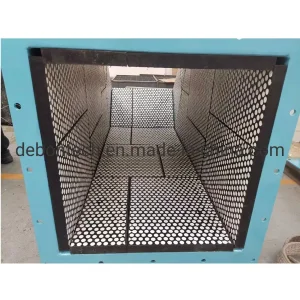 Ceramic Rubber Wear Lining Plate Rubber Ceramic Composite Wear Liner
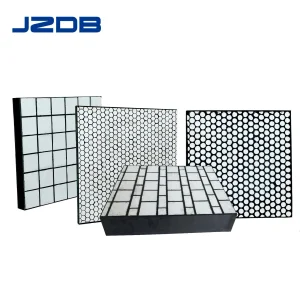 Hot Sale Wear Liner Composite Lining Rubber Ceramic
Shipping critical parts to the Pacific Islands requires reliable logistics and clear communication. We structure our design, production, and shipping phases to support long-distance procurement.
We coordinate with your on-site maintenance team by phone, email, or video call to analyze current wear patterns, chute drop heights, and material types, developing customized solutions and CAD layout drawings.
After drawings are confirmed, we begin precise computer-controlled batch formulation and hot vulcanization, performing dimensional and ultrasonic inspections to ensure proper bonding.
We organize export packaging to withstand marine transit. Shipments to Vanuatu (via Port Vila or Luganville) include detailed assembly maps to guide local maintenance crews.
All our manufacturing processes conform strictly to ISO 9001:2015. By tracking and auditing our raw materials—from calcined alumina powder down to vulcanized rubber matrices—we ensure each shipment meets consistent quality standards.
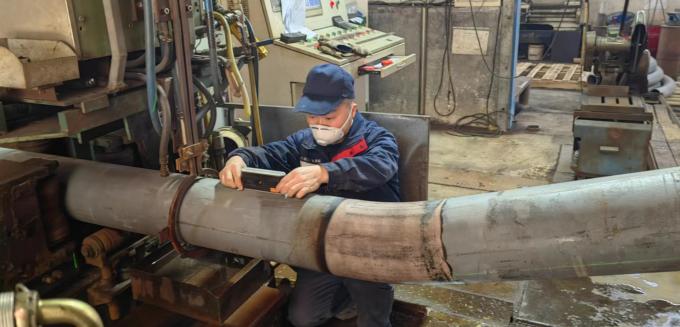
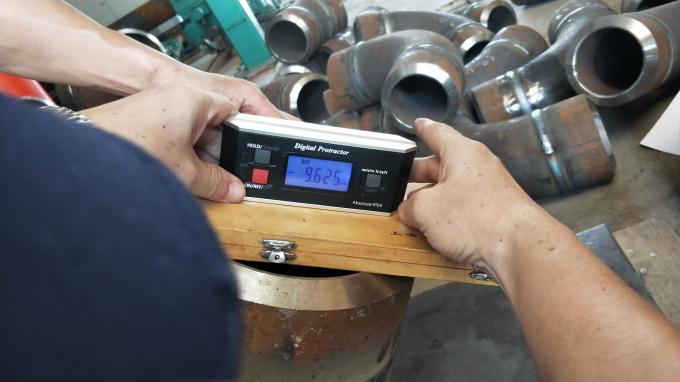
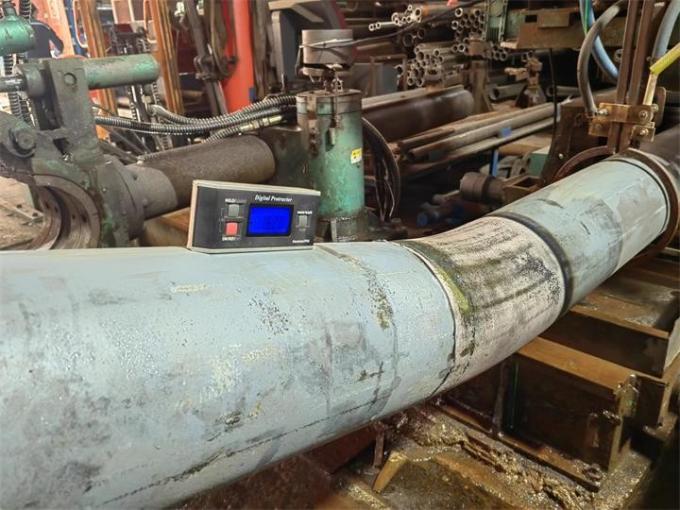
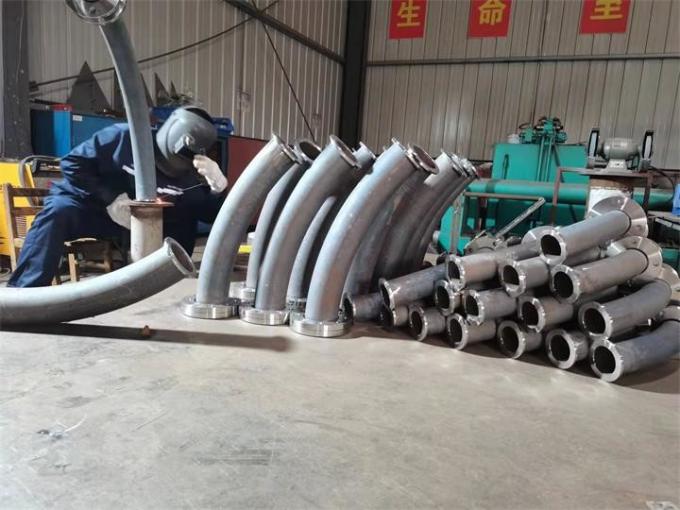
For global projects requiring high wear protection, we offer custom-molded ceramic panels designed for chute angles, curved segments, and high-velocity piping, helping sites reduce maintenance down-time.
Technical information, installation processes, and logistics details for engineering buyers and plant operators in Vanuatu.
Contact our technical engineering team for customized wear layouts, material thickness recommendations, and factory-direct pricing.