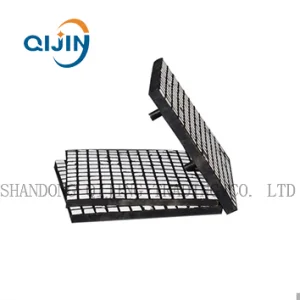
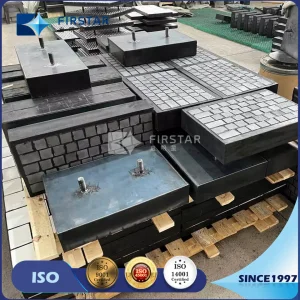
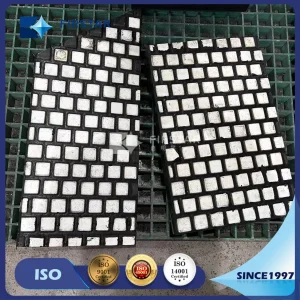
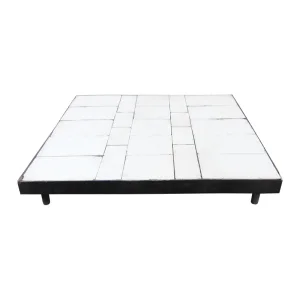
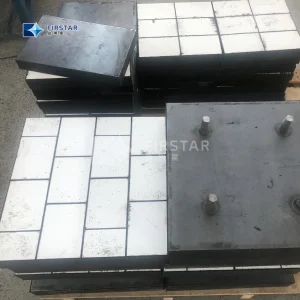
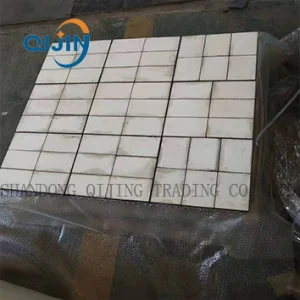
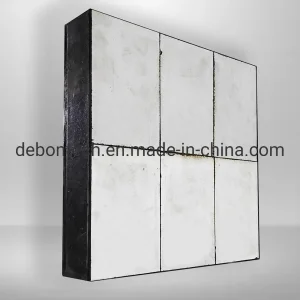
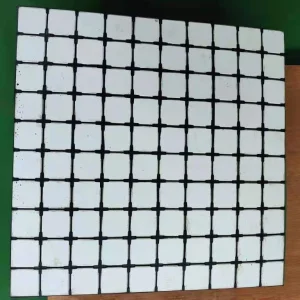
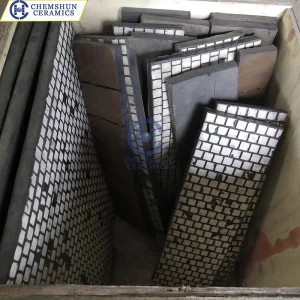
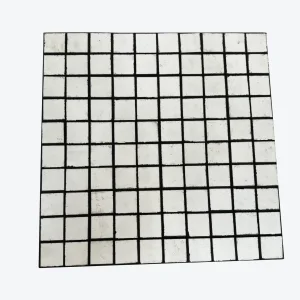
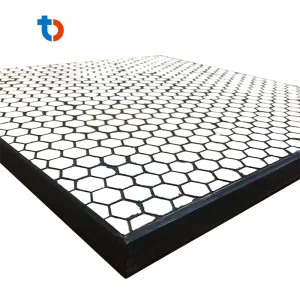
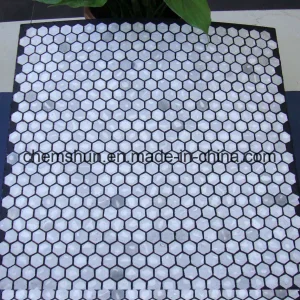
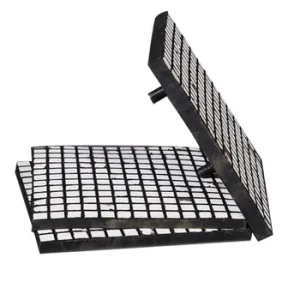
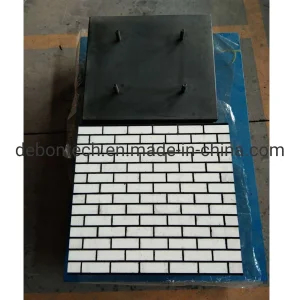
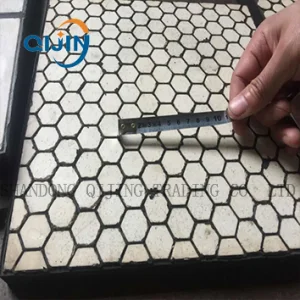
Engineered with premium alumina ceramic tiles and energy-absorbing natural rubber matrices vulcanized to robust structural steel backing plates.
Lima, the economic heart and logistic powerhouse of Peru, acts as the primary engineering support hub for the Andean region's massive copper, gold, and iron mining sectors. Megaprojects across Peru require resilient material handling systems. The abrasive nature of extracted minerals demands advanced tribological lining components capable of withstanding intense impact, shear stress, and persistent friction.
As a key supplier with direct support capabilities in Lima, we manufacture composite wear plates designed for these demanding operational environments. Our steel-backed ceramic wear liners integrate high-purity alumina (Al2O3) or zirconia-toughened alumina (ZTA) tiles vulcanized within a resilient natural rubber buffer. This composite is securely bonded to a structural steel backing plate, offering exceptional wear resistance and impact protection.
Our solutions cater to the unique climatic and altitude conditions of Peru. Whether it is the humid marine environment of coastal Callao or the low-temperature, low-oxygen operations of high-altitude mines located 4,500 meters above sea level, our products are engineered to prevent premature material failure, delamination, and structural wear.
Specially formulated steel paint finishes and vulcanized rubber barriers shield liners against saline marine humidity prevalent in coastal Lima storage facilities and docks.
Our vulcanized natural rubber matrices retain their elasticity and structural integrity in low-temperature Andean regions, preventing cracking and delamination.
Understanding the synergistic relationship between ceramic tiles, vulcanized rubber matrices, and structural steel backing plates in abrasive wear mitigation.
In high-capacity mineral processing operations, transfer chutes, hoppers, and deflectors are subjected to continuous material impact and sliding wear. Monolithic wear plates, such as tempered steel or simple rubber blocks, often fail under combined high-impact and highly abrasive conditions. The three-in-one steel-backed ceramic wear liner addresses these challenges by combining the properties of three distinct materials:
The wear-facing layer consists of engineered industrial ceramics. Alumina (92% or 95% Al2O3) is utilized for applications involving high sliding abrasion, offering exceptional hardness (Vickers hardness ≥ 1100 HV). For applications featuring severe impact, we implement Zirconia Toughened Alumina (ZTA), which increases fracture toughness by utilizing zirconia particles to arrest micro-cracks before they propagate through the ceramic tile structure.
Underlying the ceramic tiles is a natural rubber layer that absorbs kinetic energy. When bulk ore hits the composite plate, the rubber layer deforms elastically to dissipate the impact energy, protecting the hard but brittle ceramic tiles from cracking. Our hot-vulcanized rubber compounds feature a high tensile strength (≥ 15 MPa) and an elongation capability at break of ≥ 400%, maintaining elasticity across temperature variations.
The base is a structural carbon steel plate (typically Q235, A36, or mild steel) that provides structural rigidity. This layer prevents deformation of the liner under load and allows for various mounting methods. Solid steel studs are welded directly to the back of the plate, or countersunk holes are machined through the liner, enabling secure installation into chutes and hoppers.
| Property / Characteristic | 92% Alumina Composite Spec | 95% Alumina Composite Spec | ZTA Composite Spec |
|---|---|---|---|
| Ceramic Hardness (Mohs / Vickers) | 9 Mohs / ≥ 1000 HV10 | 9 Mohs / ≥ 1150 HV10 | ≥ 9 Mohs / ≥ 1350 HV10 |
| Bulk Density (g/cm³) | ≥ 3.60 | ≥ 3.65 | ≥ 4.10 |
| Rubber Tensile Strength (MPa) | ≥ 15 | ≥ 15 | ≥ 18 |
| Rubber-Ceramic Peel Strength | ≥ 5 MPa / 100mm | ≥ 5.5 MPa / 100mm | ≥ 6 MPa / 100mm |
| Steel-Rubber Peel Strength | ≥ 8 MPa / 100mm | ≥ 8 MPa / 100mm | ≥ 9 MPa / 100mm |
| Working Temperature Range | -40°C to 120°C | -40°C to 120°C | -50°C to 130°C |
Designed to withstand intense impact, sliding abrasion, and continuous material flow in wet and dry mining operations.
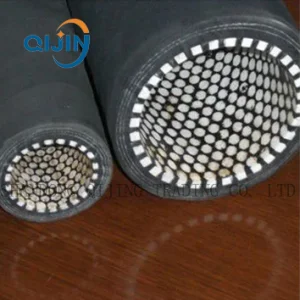
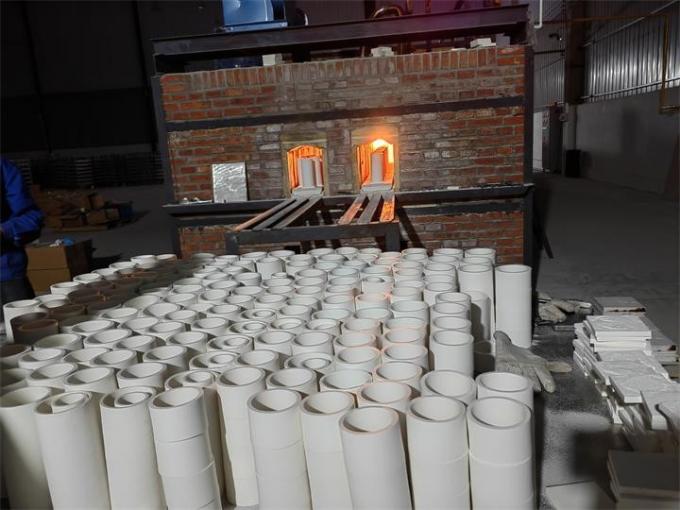
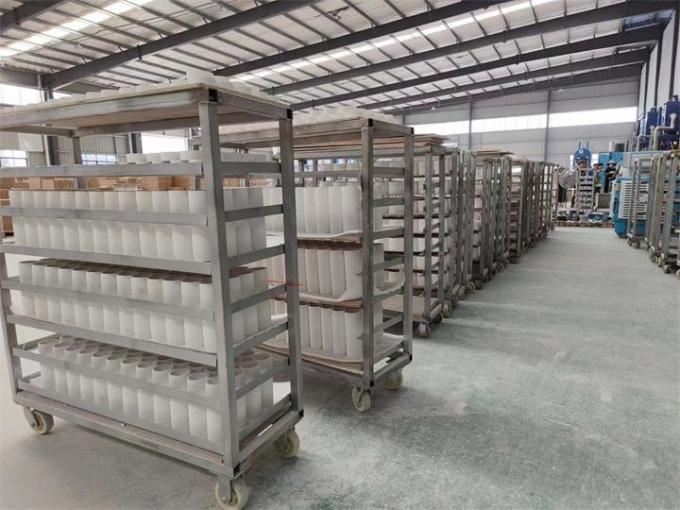
Zibo Xingli Industrial Ceramics Co., Ltd. is a manufacturing enterprise specializing in the production of industrial alumina ceramics, zirconia ceramics, and carbon-silicon products. We focus on providing high-performance wear-resistant ceramic ball grinding media, alumina linings, ceramic wear liners, ceramic lined pipes, and inert alumina catalyst support balls.
Our collaborative operational division, Hunan Yibeino New Materials Co., Ltd., operates under ISO9001:2015 quality system certification. We implement structured quality controls at every production stage. Product design, manufacturing, and installation services are integrated into our ISO quality management system. From raw material procurement and formulation to manufacturing and pre-shipment inspections, we ensure consistent physical properties and component reliability.
We serve clients globally, exporting components to markets including the United States, Germany, Sweden, India, Turkey, the Netherlands, Italy, Spain, Japan, South Korea, Russia, and Vietnam. We operate with a commitment to quality and service, delivering tailored wear mitigation systems designed to extend equipment life and reduce downtime.
Supplying heavy industry across North America, Europe, Asia, and South America with specialized wear systems designed for demanding mineral handling environments.
Our production lines are ISO9001:2015 and ISO14001 certified, ensuring traceable material quality control from raw powders to completed wear assemblies.
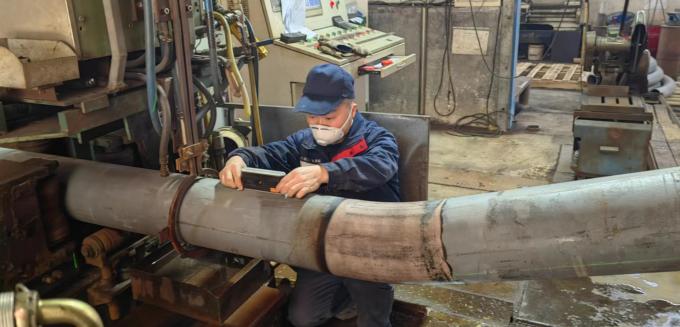
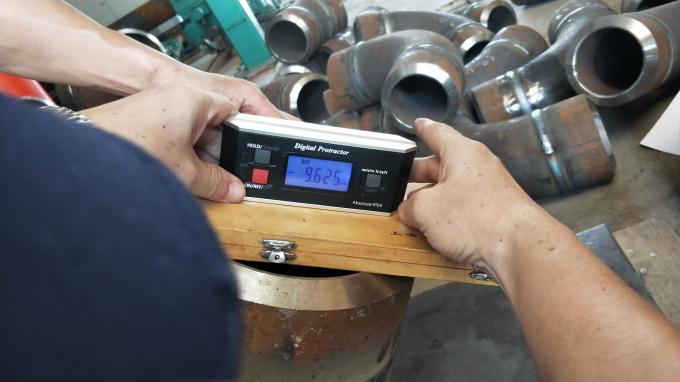
We hold multiple utility patents, including: "A kind of elbow of pump pipe discharge anti-clogging pipe", "A lining board installation structure", "A lining board processing console", and "A conveying device for ceramic-lined pipes".
We provide comprehensive engineering services, from initial on-site wear assessments to delivery and installation support. Our technical process includes:
Our technical team reviews your equipment operating parameters (feed rate, drop height, drop angle, grain size, moisture level) to recommend an optimal composite wear liner specification and provide a detailed cost-performance estimate.
We create custom drawings based on the wear profiles of your chutes, hoppers, or pipes. These detailed layouts are submitted to your engineering team for validation prior to manufacturing.
Our support team provides guidance on proper installation and welding procedures. We also offer on-site technical assistance to troubleshoot operating challenges and maximize component service life.
Select from our range of high-performance wear plates, designed to improve uptime and reduce maintenance in demanding industrial environments.
Industrial processing requirements continue to change, with mining operators working to improve yield and reduce maintenance overhead. To address these demands, our engineering and R&D programs focus on developing next-generation wear mitigation technologies:
Developing sensor arrays integrated into the ceramic-rubber composite to provide real-time wear data and support predictive maintenance scheduling.
Refining zirconia distribution within alumina structures to achieve high fracture toughness, suitable for extreme impact applications.
Implementing clean, energy-efficient curing technologies that reduce manufacturing emissions while maintaining strong composite bond integrity.
Answers to common queries regarding design, installation, and application of composite wear liners.
Composite ceramic wear liners offer significantly longer service life compared to standard wear-resistant steel (such as Hardox). The high hardness of the alumina ceramic face reduces abrasive wear, while the intermediate rubber layer dampens impact energy, making them suitable for applications handling high-volume, abrasive mineral materials.
Liners can be customized with welded threaded studs on the steel backing plate for exterior nut fastening, countersunk holes for direct bolt-down installation, or design modifications for drop-in frame structures, depending on the specific equipment requirements.
We utilize vulcanizing agents and natural rubber compounds that retain physical flexibility at temperatures as low as -40°C. This ensures the structural bond between the ceramic tiles and steel plate remains stable under thermal expansion and contraction at high altitudes.
ZTA is recommended for high-impact applications, such as transfer chutes handling large-diameter ore drop heights exceeding 1.5 meters. For sliding abrasion with minimal impact, standard 92% or 95% alumina is typically the most cost-effective solution.
Contact our engineering support team to discuss your wear challenges. We provide customized drawings, material specifications, and budget estimates tailored to your operation.
Send Inquiry Now Xingli Industrial Ceramics