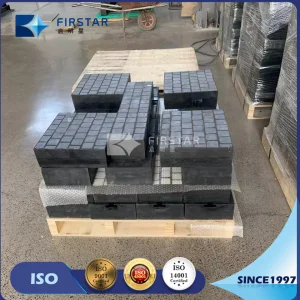
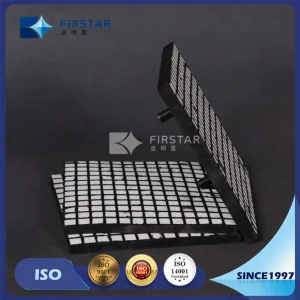
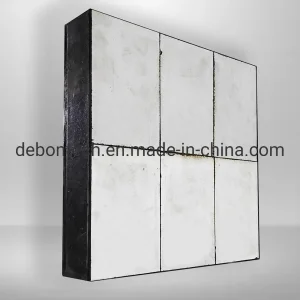
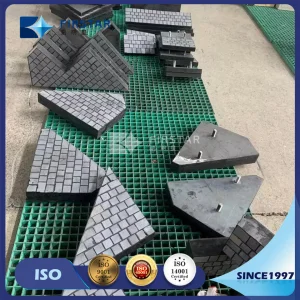
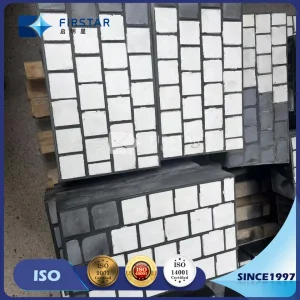
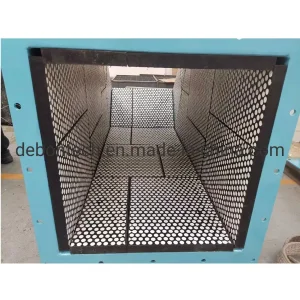
In the complex world of industrial material handling, the Square to Round Ceramic Transition stands as a masterpiece of engineering. These components are critical where pneumatic conveying systems or gravity-fed chutes change geometry, often representing the most significant wear point in a production line. As global industries shift toward high-efficiency, low-maintenance operations, the demand for premium ceramic-lined transitions has skyrocketed.
From the iron ore mines of Western Australia to the lithium processing plants in Chile, industrial engineers are replacing traditional manganese steel or hard-faced alloys with advanced technical ceramics. The reason is simple: ceramic-lined transitions offer up to 10 times the service life of metallic alternatives in abrasive and corrosive environments. This global transition is driven by the need to reduce unplanned downtime and lower the Total Cost of Ownership (TCO) in heavy industries like mining, cement, and power generation.
Reduction in maintenance frequency when using ZTA ceramic linings.
Vickers hardness (HV) achievable with high-purity Alumina and SiC.
Chinese manufacturers now lead the global supply chain in quality and cost.
The industry is currently witnessing a massive technological leap. We are no longer just gluing tiles onto steel. The modern "Square to Round" transition involves Zirconia Toughened Alumina (ZTA), vacuum-bonded composite systems, and precision-engineered geometry that minimizes turbulence. One major trend is the integration of IoT-enabled wear sensors directly into the ceramic matrix, allowing operators to monitor remaining life in real-time.
Furthermore, there is a significant push towards Customization and Modular Design. Global procurement teams are moving away from "one-size-fits-all" solutions. Instead, they seek suppliers who can perform 3D laser scanning of existing chutes and provide a custom-engineered ceramic transition that fits with sub-millimeter precision.
Procurement managers at Fortune 500 mining and manufacturing firms have evolved their selection criteria. When searching for the "Top 10 Square To Round Ceramic Transitions Suppliers," they look beyond the sticker price. The primary focus areas now include:
China, specifically the ceramic hubs like Zibo and Hunan, has become the global center for fulfilling these needs, offering a unique blend of high-tech production and massive scale.
As a leading Chinese industrial ceramic factory, Zibo Xingli Industrial Ceramics and Hunan Yibeino New Materials represent the pinnacle of this industry. Our advantages are rooted in decades of specialization and a vertically integrated supply chain.
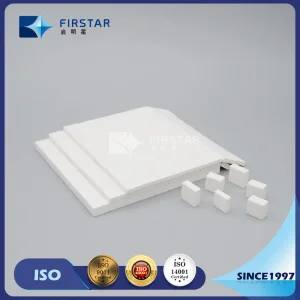
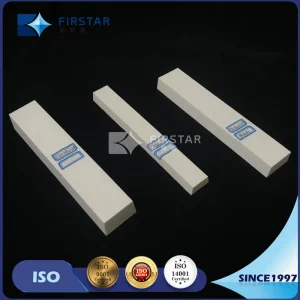
We don't just assemble parts; we control the chemistry. By manufacturing our own high-purity alumina powders and zirconia-toughened formulations, we ensure that every square-to-round transition meets rigorous ISO 9001:2015 standards. Our facilities utilize advanced CNC machining to cut ceramic tiles specifically for the complex curvature of geometric transitions, ensuring zero-gap protection.
Zibo Xingli Industrial Ceramics Co., Ltd & Hunan Yibeino New Materials Co., Ltd. are enterprises specializing in the production of industrial alumina ceramic, zirconia ceramic, and carbon-silicon products. We focus on providing wear-resistant ceramic ball grinding media, alumina lining, ceramic liner, ceramic pipe, and inert alumina balls for catalyst support.
Hunan Yibeino New Materials Co., Ltd. has passed the ISO9001:2015 quality system certification. Our company maintains a strict quality control system where product design, manufacturing, and installation services are fully integrated into the ISO quality management system. From raw material purchase to production process management and final factory inspection, we ensure stable product performance and excellent quality.
With users all over the world, we export to the United States, Germany, Sweden, India, Turkey, the Netherlands, Italy, Spain, Japan, South Korea, Russia, Vietnam, and other countries. We adhere to the business philosophy of "integrity, hard work, innovation" and provide our customers with high-quality services based on the principle of "quality first".
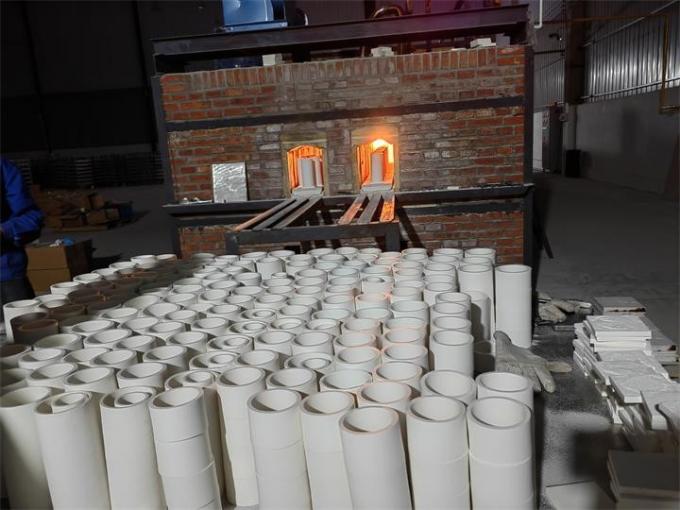
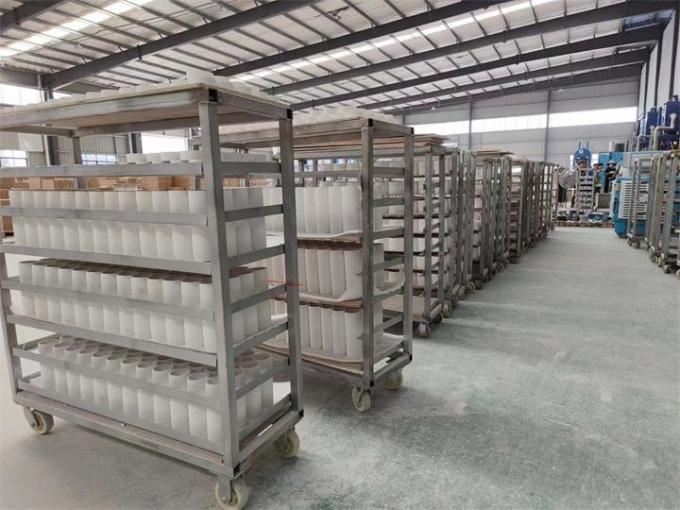
As a manufacturing enterprise with years of on-site industry experience, we provide customers with the best equipment anti-wear design, product samples, quality service, and competitive prices. Our innovation is backed by multiple patents, including: "A kind of elbow of pump pipe discharge anti-clogging pipe", "A lining board installation structure", and "A conveying device for ceramic-lined pipes".
On-site communication and reasonable anti-wear solutions tailored to your equipment's operating conditions.
Full design drawings and customized product engineering based on confirmed customer specifications.
48-hour response time for on-site problem solving (within China) and remote global support.
Our products have passed ISO9001 and ISO14000 certifications. We maintain a rigorous inspection protocol before any product leaves the factory to ensure 100% quality compliance.
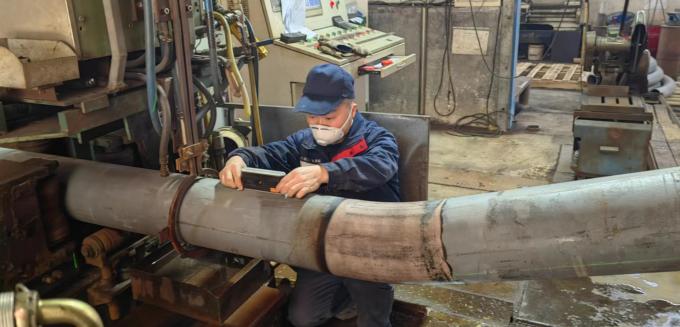
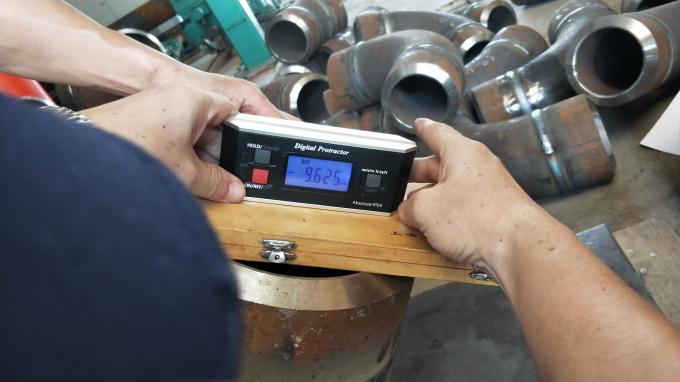
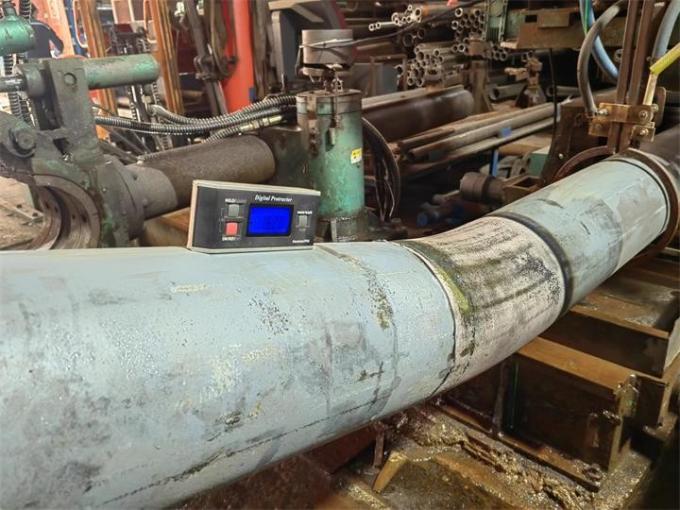
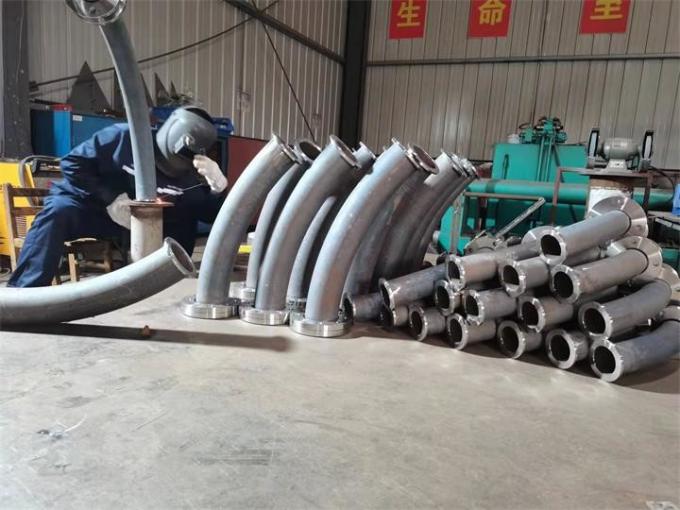
The engineering challenge of a square-to-round transition lies in the changing radius and the "valley angles" where dust and material can accumulate. In mining and heavy bulk handling, these areas are prone to extreme impact and sliding abrasion. By using our precision-engineered ceramic solutions, we address these specific pain points:
As the cross-sectional area changes, the velocity of the material fluctuates. Our ceramic linings are designed with graduated thickness—thicker in high-impact zones and thinner in transition zones—to optimize weight and cost without sacrificing durability.
In industries like chemical processing or lithium refining, transitions are often exposed to corrosive slurries. Our Silicon Carbide (SiC) and 99% Alumina ceramics provide near-diamond hardness with total immunity to most acids and alkalis.
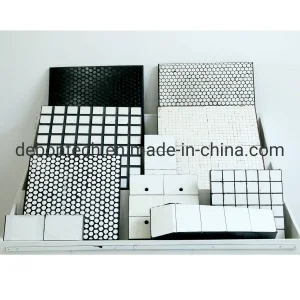
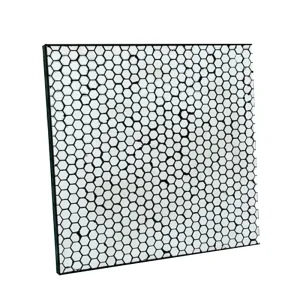
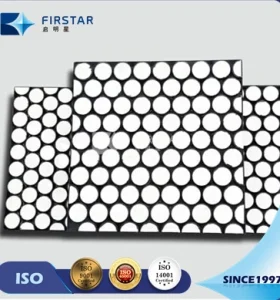
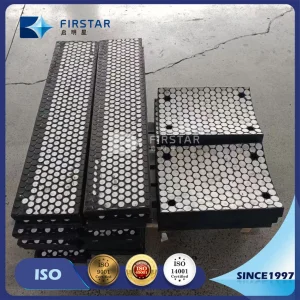
For applications involving large ore or coal chunks, we utilize Rubber-Backed Ceramic Panels. The rubber layer absorbs the kinetic energy of the impact, preventing the ceramic from cracking, while the ceramic surface handles the intense abrasion.
 Xingli Industrial Ceramics