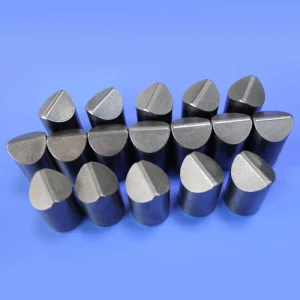
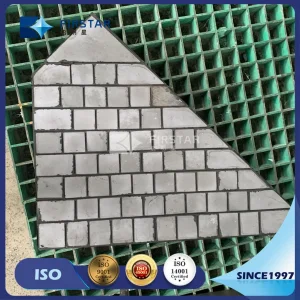
The industrial world is undergoing a significant shift toward materials that offer extreme durability and high-performance capabilities. Sintered Silicon Carbide (SSiC) has emerged as the gold standard for wear-protection in aggressive environments. Unlike traditional metals or lower-grade ceramics, SSiC is produced through high-temperature sintering, resulting in a material with near-diamond hardness, exceptional thermal conductivity, and total chemical inertness.
Globally, the demand for Sintered Silicon Carbide Liners is skyrocketing. From the lithium mining boom in Australia to the advanced chemical processing plants in Germany, engineers are replacing manganese steel and alumina with SSiC to extend equipment lifespan by 5 to 10 times. The global market is currently driven by the push for operational efficiency and the reduction of maintenance downtime in heavy industries.
Boasting a Mohs hardness of 9.5, SSiC liners resist the most abrasive materials like iron ore, quartz, and coal slurries.
Maintaining structural integrity at temperatures exceeding 1600°C, making them ideal for high-heat furnace applications.
Complete resistance to strong acids and alkalis, a critical requirement for chemical and pharmaceutical processing.
We are seeing three major trends shaping the future of the Silicon Carbide industry:

Our flagship Reaction Bonded Silicon Carbide (RBSiC) and Sintered Silicon Carbide (SSiC) solutions represent the pinnacle of material science. Designed for the most demanding industrial applications, these liners provide a smooth surface finish that reduces friction and prevents material buildup, effectively increasing throughput in conveying systems.
As a leading Chinese supplier, we leverage state-of-the-art vacuum sintering furnaces to ensure every liner meets international standards for density and grain structure, providing our global clients with unmatched reliability.
Procurement officers from the United States, Europe, and Southeast Asia are increasingly looking to China for their Silicon Carbide Liner needs. The reason is simple: the convergence of quality, scale, and cost-efficiency. Chinese factories have invested billions in ceramic technology, moving from low-end production to high-tech manufacturing that rivals or exceeds European standards.
Our facility, Zibo Xingli Industrial Ceramics Co., Ltd, and our partners like Hunan YIbeino New Materials, offer a vertically integrated supply chain. We control everything from the raw powder synthesis to the final precision grinding. This ensures that when a mining operation in Chile or a power plant in Sweden orders from us, they receive a product that is not only cost-competitive but technologically superior.
It is an enterprise specializing in the production of industrial alumina ceramic, zirconia ceramic, and carbon-silicon products, focusing on providing wear-resistant ceramic ball grinding media, alumina lining, ceramic liner, ceramic pipe, inert alumina ball for catalyst support.
Hunan YIbeino New Materials Co., Ltd. has passed the ISO9001:2015 quality system certification. The company has a strict quality control system. Product design, manufacturing, and installation services are fully integrated into the ISO quality management system. From raw material purchase and ingredients, All aspects from production process management to factory inspection and control ensure stable product performance and excellent quality.
The company has users all over the world, mainly exporting to the United States, Germany, Sweden, India, Turkey, the Netherlands, Italy, Spain, Japan, South Korea, Russia, Vietnam and other countries. The company adheres to the business philosophy of "integrity, hard work, innovation" and adheres to the "customer We provide our customers with high-quality services based on the principle of "quality first", welcome to patronize us!
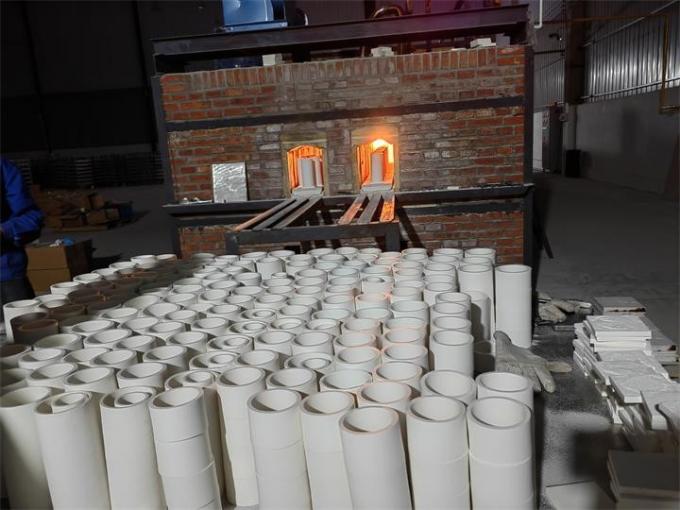
The company is a manufacturing enterprise, we have many years of on-site industry experience and can provide customers with the best equipment anti-wear design, product samples, quality service, and competitive prices.
The product patents are as follows: "A kind of elbow of pump pipe discharge anti-clogging pipe", "A lining board installation structure", "A lining board processing console", "A conveying device for ceramic-lined pipes" etc.
Our products are exported all over the world. Our company has always insisted on the business principle of "quality, innovation, and customers first".
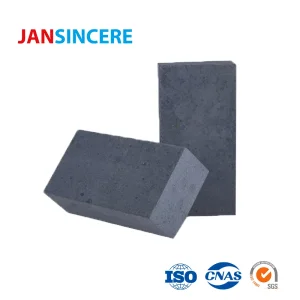
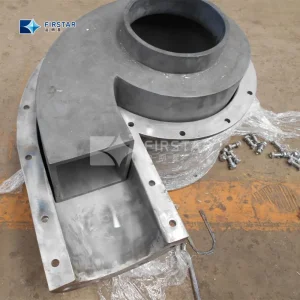
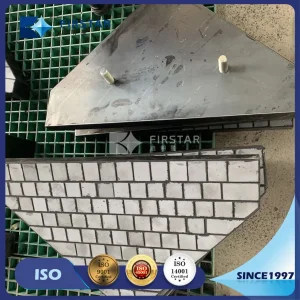
Every industrial site has unique challenges. Whether it is a cyclone in a coal washing plant or a slurry pipe in a gold mine, our Customized Silicon Carbide Mining Bricks are engineered to fit perfectly. By using 3D modeling and precision molding, we eliminate the gaps that lead to premature wear in standard lining systems.
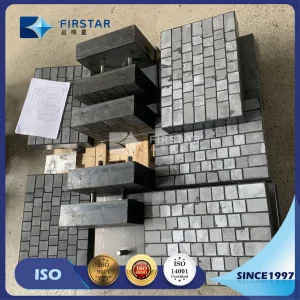
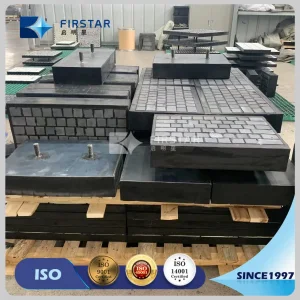
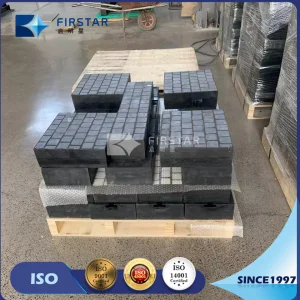
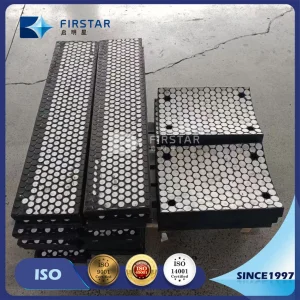
Our composite liners, featuring rubber backing, provide the necessary impact resistance to handle large particle sizes while maintaining the incredible abrasion resistance of the SSiC surface.

The business manager goes to the customer site or communicates by phone in the early stage, provides a reasonable anti-wear solution according to the operating conditions of the equipment, and then makes a project budget quotation.
After fully understanding the operating status of the customer's equipment, design drawings for customized products for the customer, and submit them to the customer for confirmation.
Arrive at the customer site (China) within 48 hours to solve the problem.
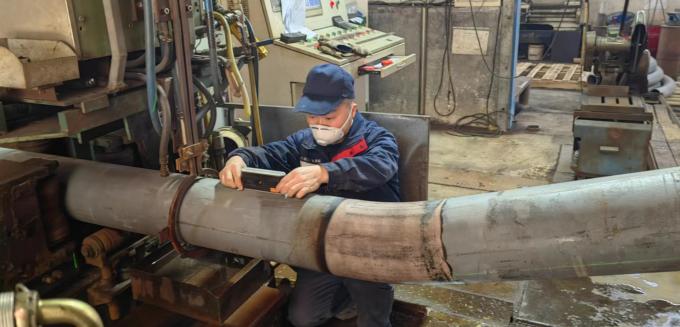
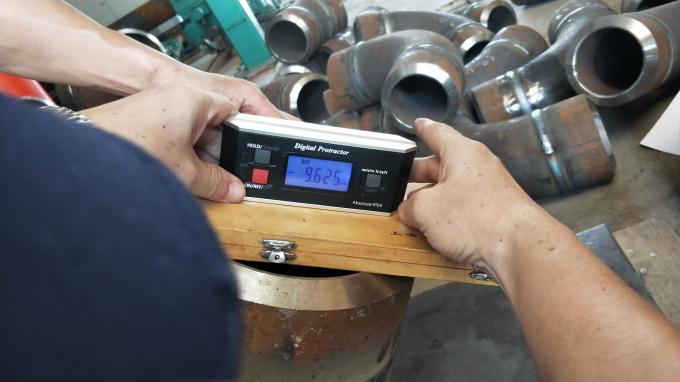
The products have passed the ISO90001 quality system certification and ISO14000 environmental management system certification, and the products are included in the ISO quality management system from research and development, design, production, and installation. Strict quality inspection is carried out before the product leaves the factory to ensure that the quality of the product is 100%.
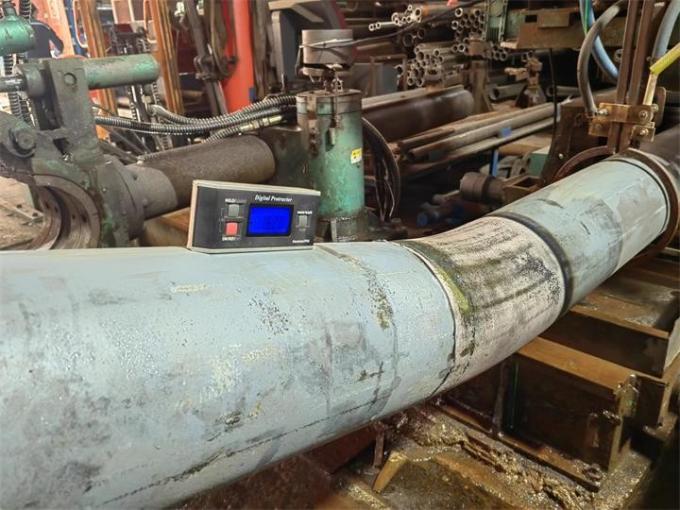
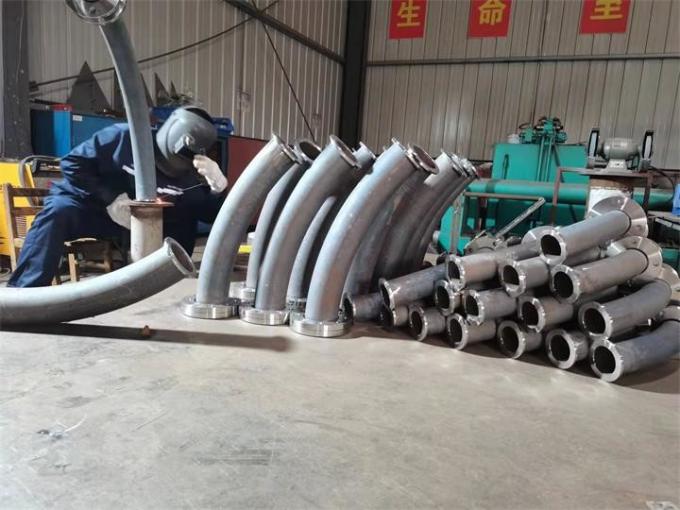
To understand why Sintered Silicon Carbide Liners are the preferred choice for modern industry, one must look at the technical superiority of the material. SSiC is produced by sintering fine silicon carbide powder at temperatures reaching 2000°C in an inert atmosphere. This process results in a single-phase material that is extremely pure and dense.
In the mining sector, the cost of downtime can reach tens of thousands of dollars per hour. Traditional steel liners in hydrocyclones and flotation cells wear out rapidly due to the constant bombardment of abrasive particles. SSiC liners provide a surface that is nearly as hard as diamond, ensuring that the internal geometry of the equipment remains unchanged over long periods. This not only saves maintenance costs but also ensures the efficiency of the separation process remains consistent.
Coal-fired power plants use flue gas desulfurization (FGD) systems to remove sulfur dioxide. The nozzles and liners in these systems are exposed to both high-speed slurry and highly corrosive chemicals. Sintered Silicon Carbide is the only material that can withstand this dual threat without degrading, ensuring the plant meets environmental regulations without frequent shutdowns.
In chemical reactors and heat exchangers, the combination of high pressure, high temperature, and corrosive media is common. SSiC's thermal conductivity is superior to most metals, allowing for efficient heat transfer while providing a barrier against chemical attack. It is widely used for pump seals, bearings, and liners where mechanical integrity is non-negotiable.
While both are silicon carbide ceramics, the choice between Reaction Bonded (RBSiC) and Sintered (SSiC) depends on the application. RBSiC contains a small amount of free silicon (around 10-15%), which makes it easier to form into large, complex shapes. It is excellent for wear-resistance at temperatures below 1350°C. SSiC, being pure, offers higher chemical resistance and can operate at even higher temperatures. As a professional supplier, we guide our customers to the most cost-effective solution based on their specific operating parameters.
Our commitment to innovation means we are constantly testing new composite materials. For example, our Ceramic-Rubber-Steel plates are designed for primary crushers where the impact force would shatter traditional ceramics. The rubber layer acts as a shock absorber, protecting the ceramic while the ceramic provides the wear surface. This innovation has revolutionized material handling in iron and copper mines across South America and Africa.
 Xingli Industrial Ceramics