Engineered composite lining systems and machinery components designed to withstand severe industrial wear and impact environments.
ISO9001 Audited Quality
On-Site Fast Response
Global Export Countries
Proprietary Technologies
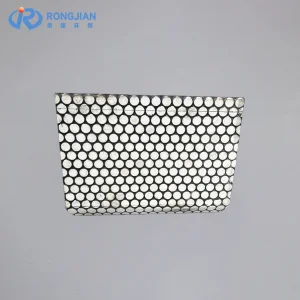
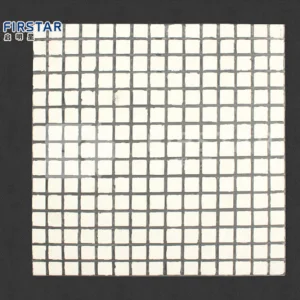
Modern bulk materials handling, heavy extraction mining, cement production, and thermal energy plants present some of the most aggressive physical environments on the planet. Standard high-tensile steel structural components, while displaying ductility, quickly fail when subjected to severe abrasive friction and high-velocity kinetic impacts. To address this industrial vulnerability, Ceramic-Reinforced Steel Mesh and advanced ceramic-steel composite systems have emerged as critical structural upgrades.
As premier exporters of advanced industrial ceramics, we look beyond the single dimension of product supply. Our organizational framework combines material engineering expertise with tailored industrial design to mitigate operating downtime, lower Total Cost of Ownership (TCO), and optimize process efficiency across challenging supply paths. By integrating ultra-hard ceramic matrices (Alumina, Zirconia, Silicon Carbide) with the structural stability of steel and resilient rubber backings, we deliver systems engineered to perform under extreme shear force, high-velocity sliding abrasion, and corrosive environments.
"The real measure of industrial optimization isn't how hard a material is, but how effectively it balances ductility, hardness, and thermal endurance. Our structural designs utilize custom-shaped ceramic components locked within reinforced steel frameworks to secure structural reliability."
Global procurement specialists face the difficult task of balancing capital expenditure (CAPEX) with operational performance. In heavy industries like open-cast mining in South America, coal-fired operations in North America, and mineral processing facilities across Australia, unexpected downtime can cost tens of thousands of dollars per hour.
Enterprise procurement teams look for several key attributes when sourcing Ceramic-Reinforced Steel Mesh and abrasion-resistant tiles:
Our collaborative operational structure combines the technical expertise of two key industry leaders to provide comprehensive global support:
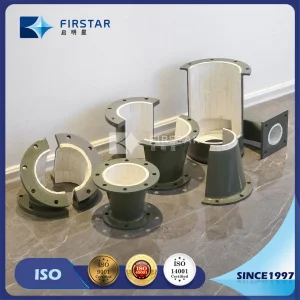
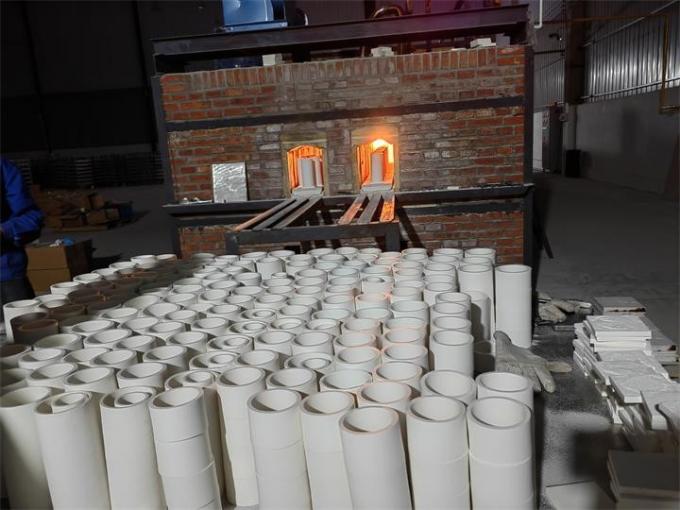
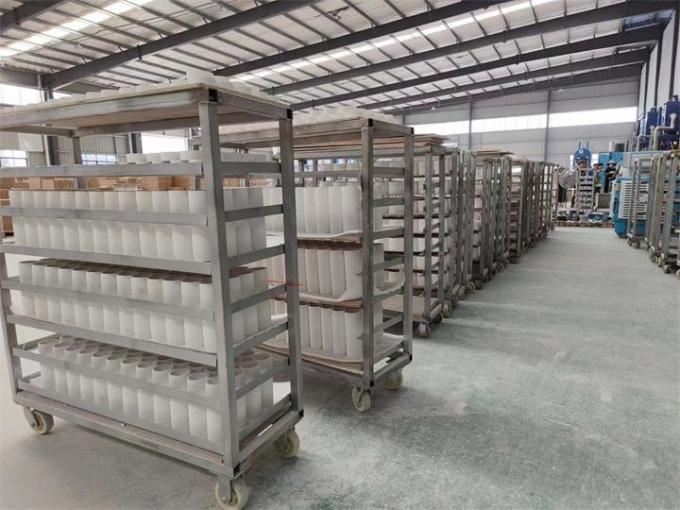
Specializing in the development and manufacture of high-performance industrial ceramics, Zibo Xingli Industrial Ceramics Co., Ltd produces wear-resistant ceramic ball grinding media, alumina lining tiles, custom ceramic liners, durable ceramic pipes, and inert alumina support balls designed to protect catalyst systems in downstream petrochemical installations.
Operating under strict quality control protocols, Hunan YIbeino New Materials Co., Ltd maintains a quality management system certified to ISO9001:2015 and an environmental system certified to ISO14000. Their operations manage all stages of the product lifecycle—from raw material selection and mineral formulation through to precision fabrication, factory inspection, and installation services. Our export footprint spans major global industrial corridors, including the United States, Germany, Sweden, India, Turkey, the Netherlands, Italy, Spain, Japan, South Korea, Russia, and Vietnam.
Our commitment to material engineering research is demonstrated by our array of patented wear solutions designed to solve real-world industrial challenges:
Tailored wear protection systems designed for critical processing environments across diverse industrial sectors.
Protects mining chutes, hoppers, deflector plates, and dump truck beds against large-particle impact and erosion from dry run-of-mine ores.
Thermal-abrasive barriers designed to resist high-velocity hot air and clinker wear in cement cyclones, raw mill feed chutes, and silos.
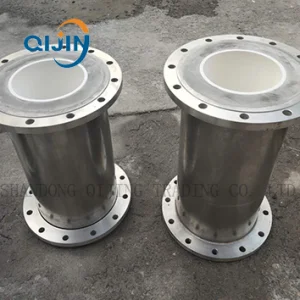
Abrasion-resistant linings for pulverized coal fuel pipelines, fly ash handling systems, and flue gas desulfurization (FGD) scrubbers.
The field of wear protection is transitioning from passive lining tiles to integrated structural composites. Our R&D team works at the intersection of material science and mechanical design to develop next-generation solutions:
Pure alumina provides excellent hardness but can be susceptible to brittle failure under high-impact conditions. By introducing zirconia grains into the alumina crystal matrix, we utilize a phase transformation toughening mechanism. When a crack begins to propagate, the local stress induces a change in the zirconia crystal structure, creating localized compression that stops the crack tip from spreading.
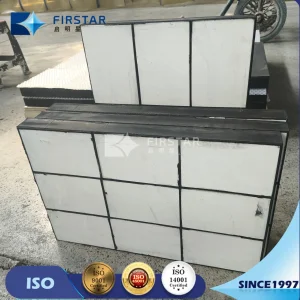
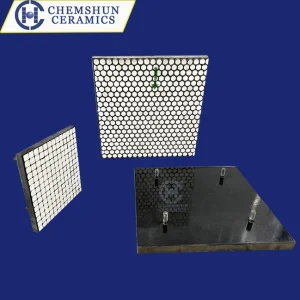
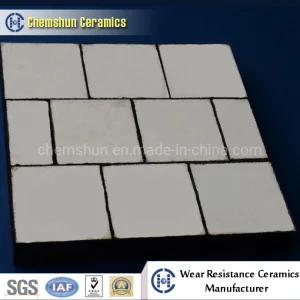
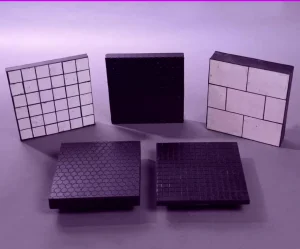
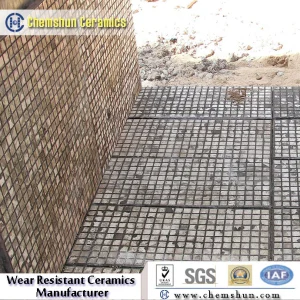
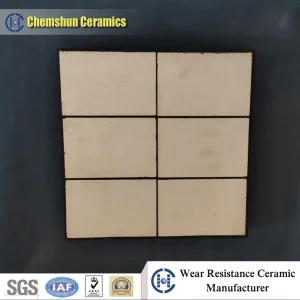
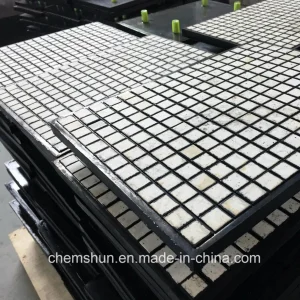
By bonding high-hardness ceramic tiles onto a steel backing using a shock-absorbing vulcanized rubber layer, we create a composite system that handles both severe wear and heavy mechanical impacts. The rubber layer cushions impacts, while the steel backing provides structural stability and allows for easy installation via welding or bolting.
We are currently developing smart lining panels with integrated conductive sensor pathways. These sensors track real-time wear progression, allowing operations teams to schedule maintenance based on actual wear data rather than relying on fixed schedules, reducing unplanned shutdowns.
Our service process is structured to support global projects from initial design and specification through to post-installation monitoring:
Our engineering team reviews equipment operating conditions, slurry chemistry, particle size, velocity profiles, and thermal states to formulate customized wear mitigation recommendations.
We generate and refine detailed CAD/3D drawings for every custom component, ensuring correct fitment and alignment within your existing equipment geometry before manufacturing begins.
We provide remote engineering support worldwide. For domestic operations (China), our technical teams are committed to arriving on-site within 48 hours to troubleshoot and resolve issues.
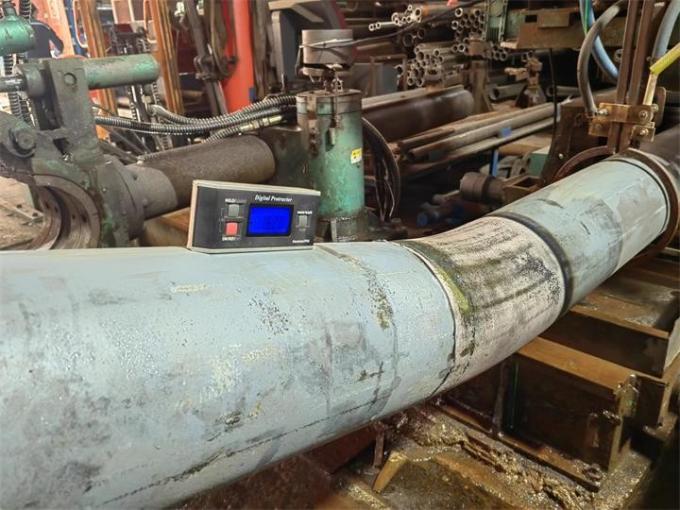
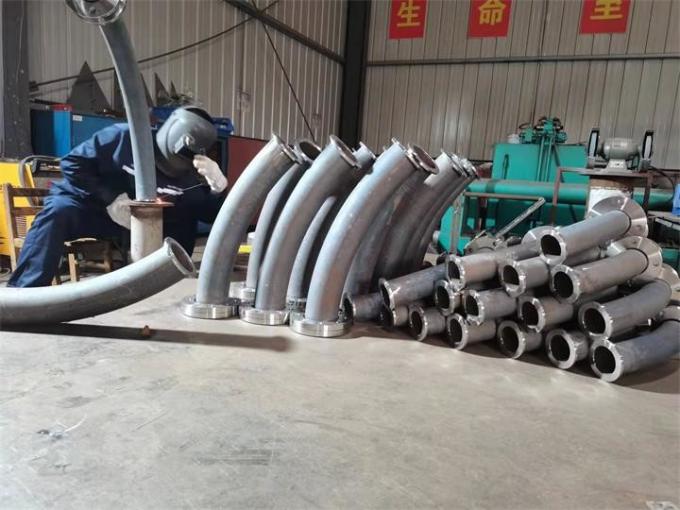
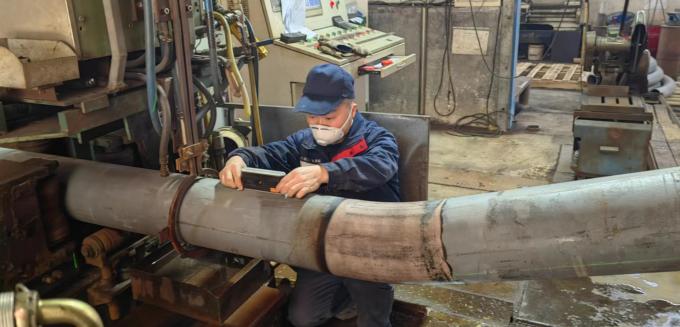
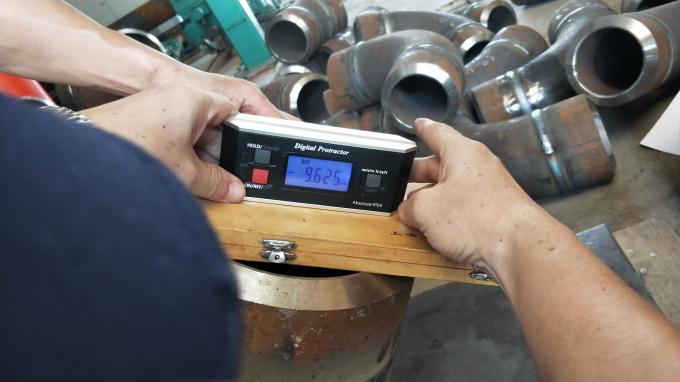
Every wear plate and ceramic component undergoes thorough quality checks. We utilize advanced testing equipment to verify dimensional accuracy, chemical composition, density, and hardness. Our testing procedures align with international standards to ensure reliable, repeatable performance in demanding industrial applications.
Technical guidance and material recommendations from our engineering team.
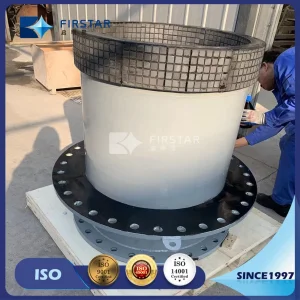
Additional engineering solutions, lined pipelines, and specialized equipment parts to optimize your facility's reliability.
 Xingli Industrial Ceramics