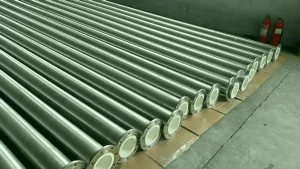
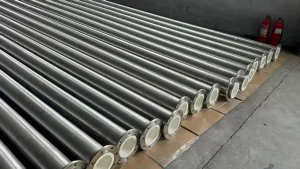
Wear Resistant Ceramic Lined Steel Pipe for Mining

Still deciding? Get samples of $ !
Request Sample

Product Description

Basic Info
Model NO.RJ-2925
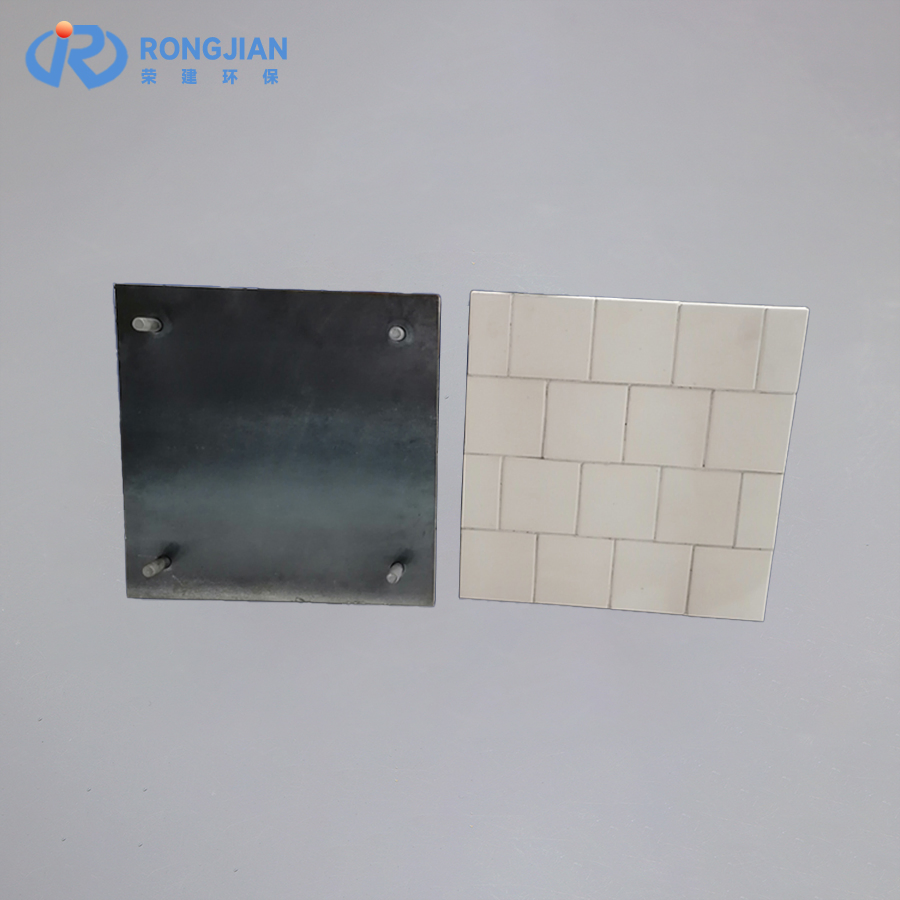
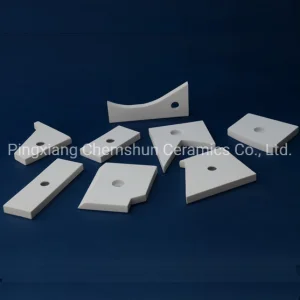
MaterialPorcelain Ceramic Plate
Alumina Content92%, 95%
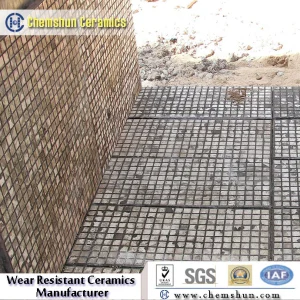
ApplicationMining, Power Plant, Steel Plant
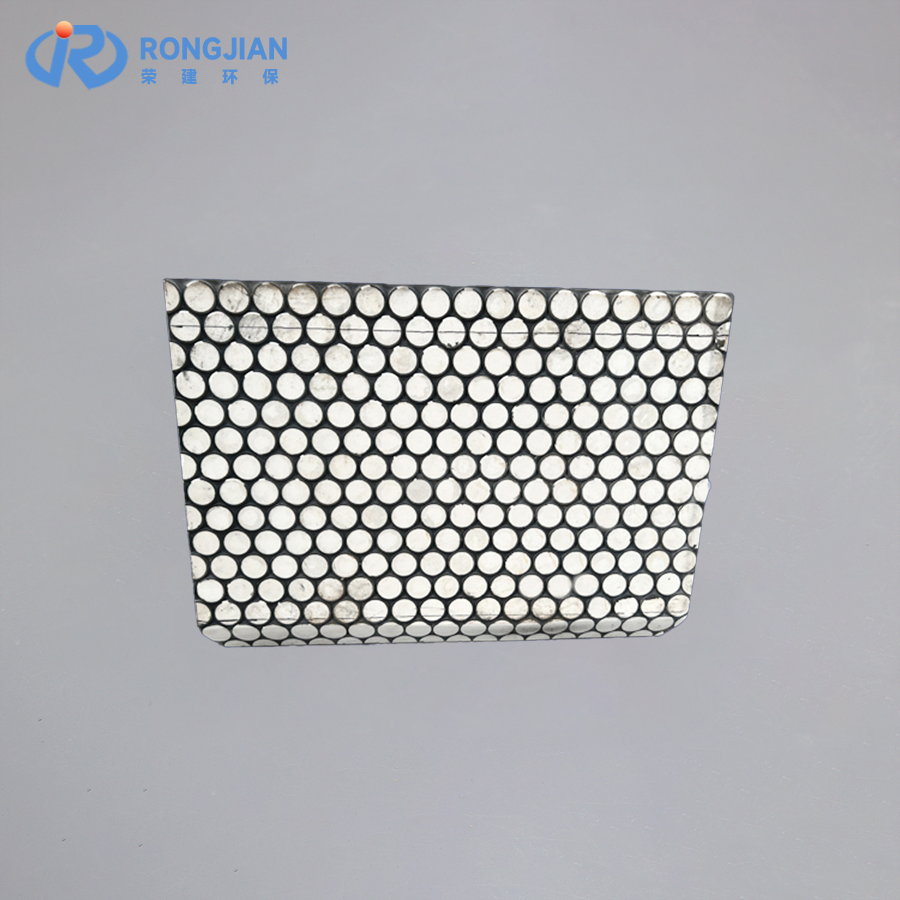
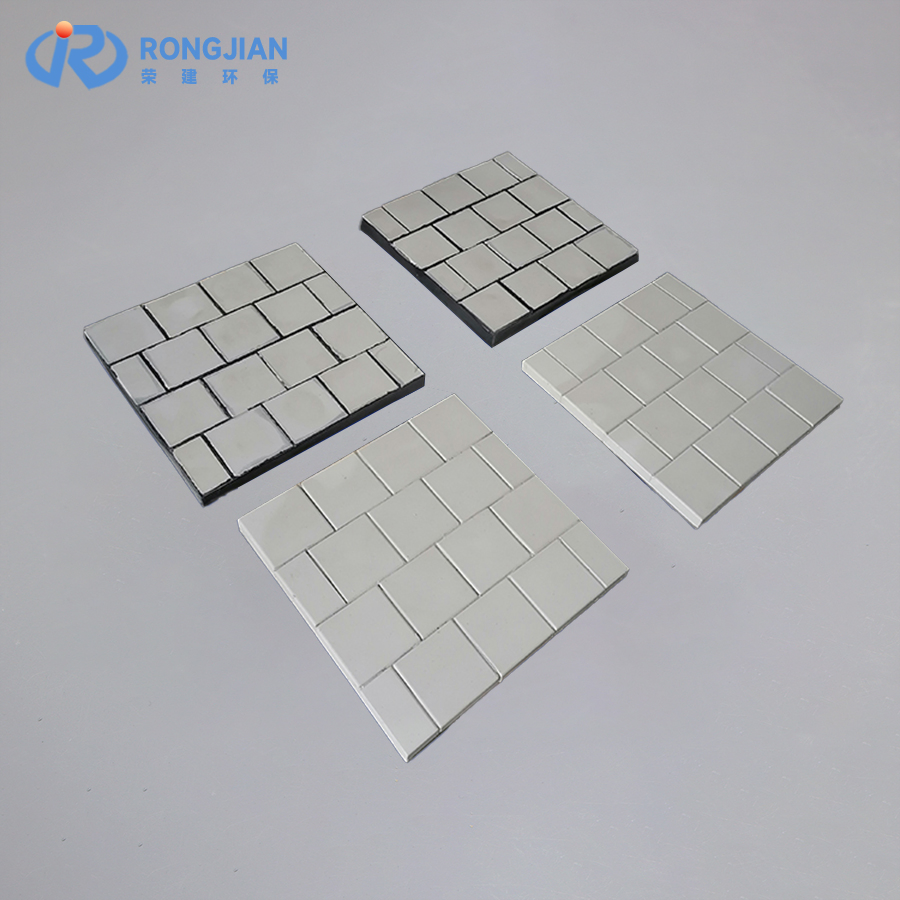
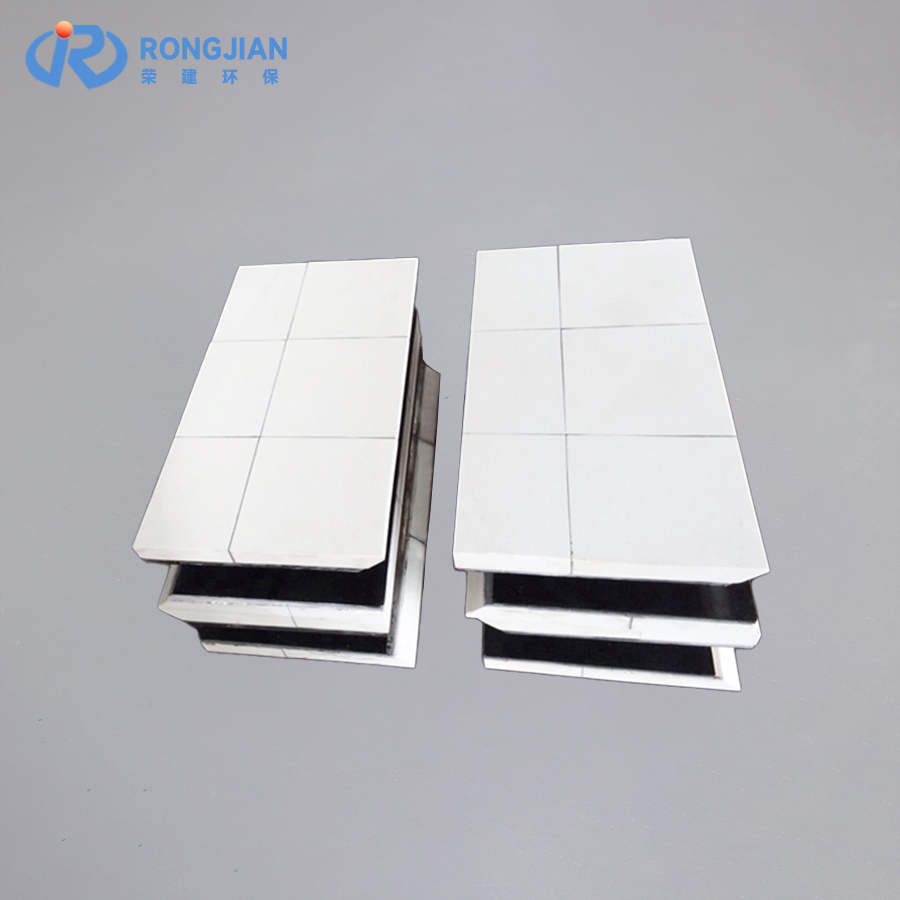
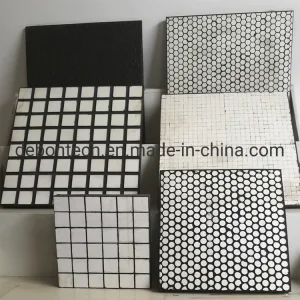
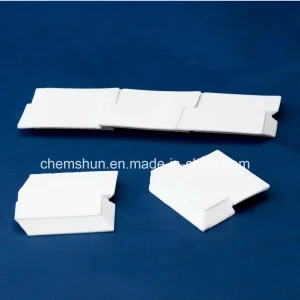
ShapePlain, Weldable, Curved, Trapezoidal, Dimple
Density3.6~3.7g/Cc
PackageCarton+Pallet / 250.00kg Gross Weight
Product Description
Ceramic Rubber Liner

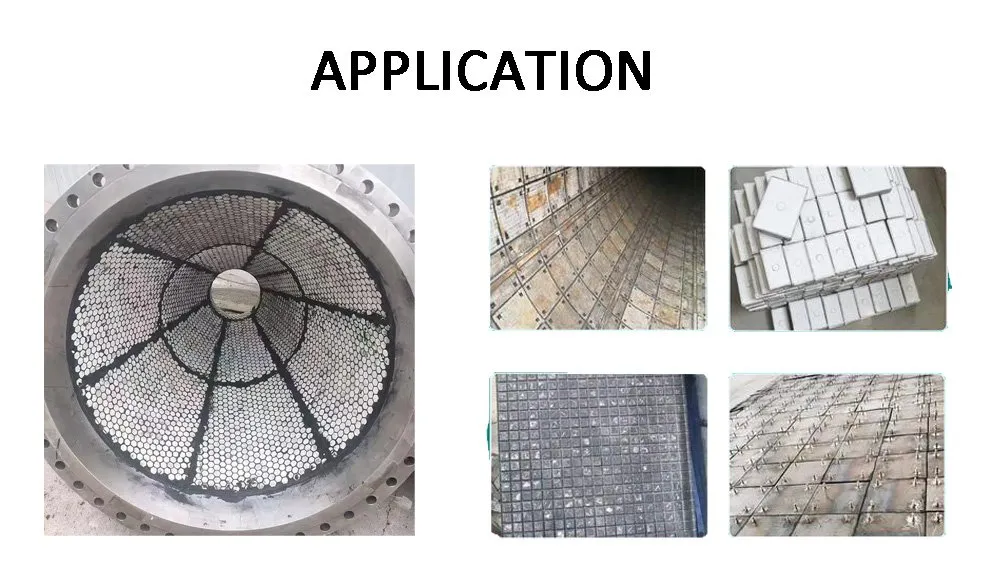
Ceramic Rubber Liner Composite Wear Plate

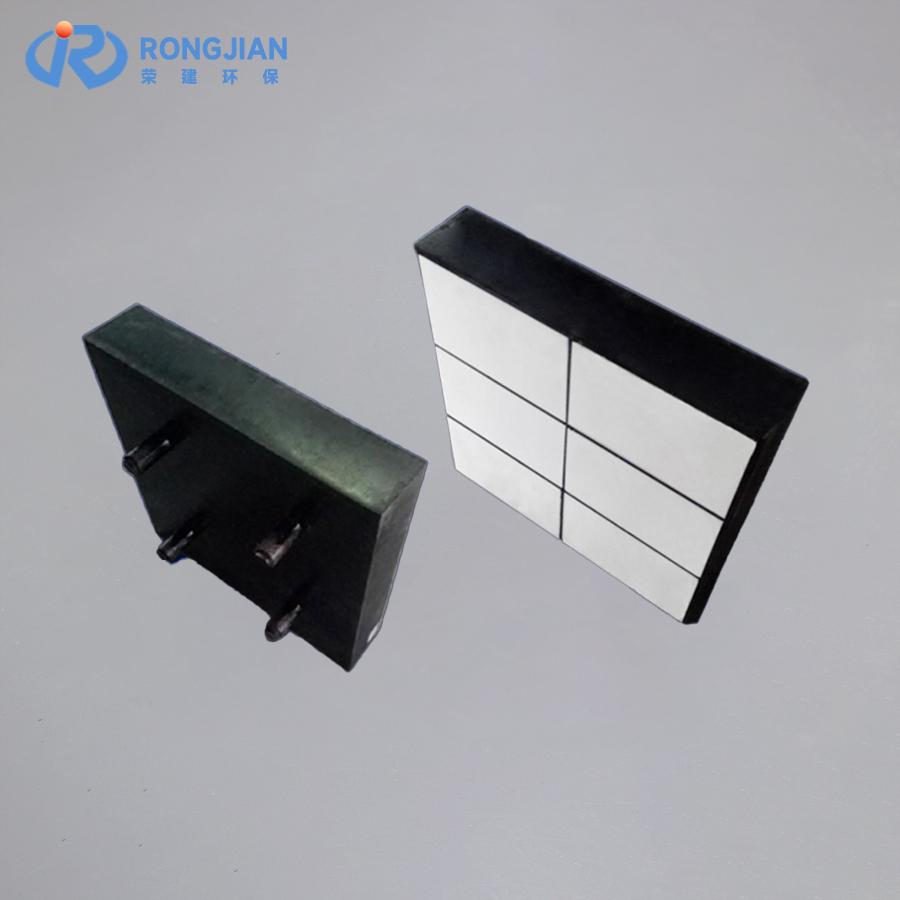
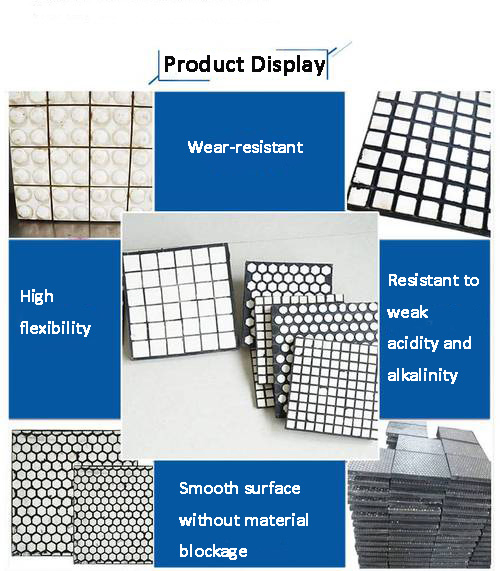
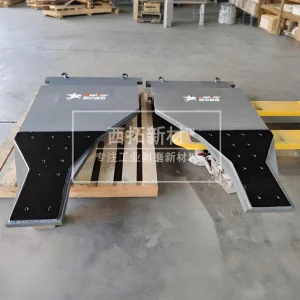
Rubber Ceramic Plate is an engineered wear-resistant solution designed for bulk material handling equipment in high-impact industries such as coal, mining, and mineral processing. This composite material combines ultra-hard alumina ceramics vulcanized into a durable rubber matrix.

  • Superior Wear Resistance: Alumina components provide exceptional abrasion resistance.
  • Impact Absorption: Elastic rubber base dampens impact forces and reduces noise.
  • Versatile Configurations: Customizable designs for specific application requirements.
Product Parameters
Normal Size500*500mm, 300*300mm, 250*250mm
Ceramic Thickness15~50mm
Rubber Thickness3mm~10mm
Type of RubberVulcanized natural rubber compound with carbon black filler
Rubber Elongation600%
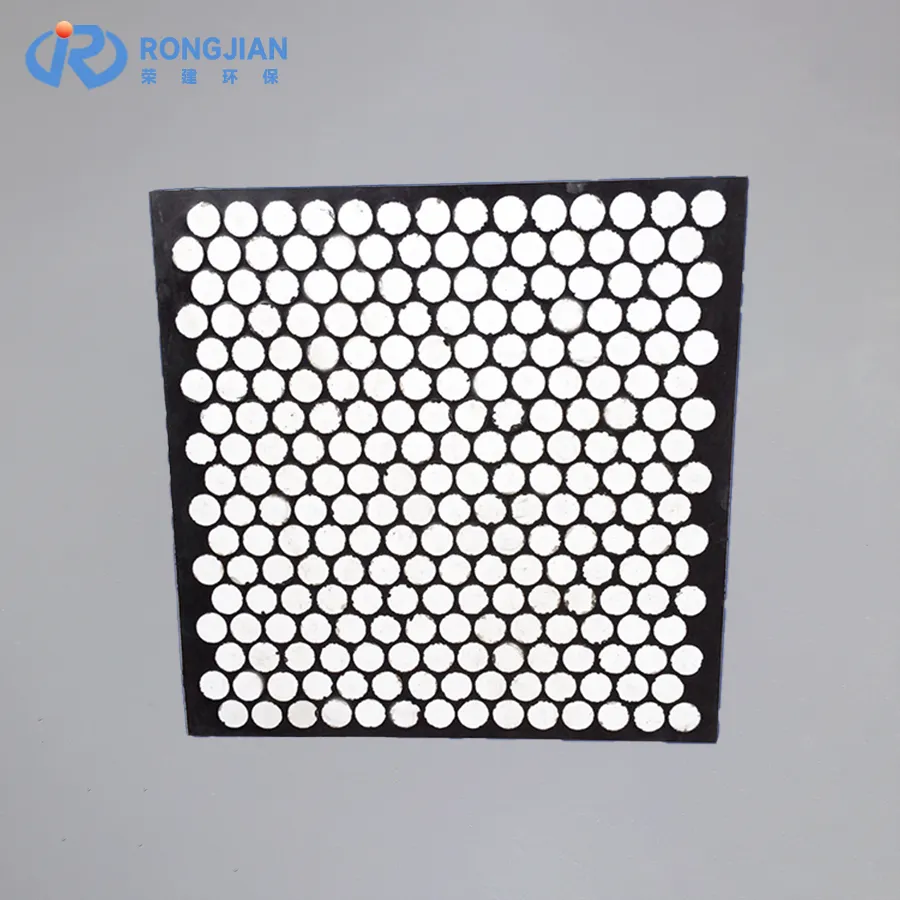
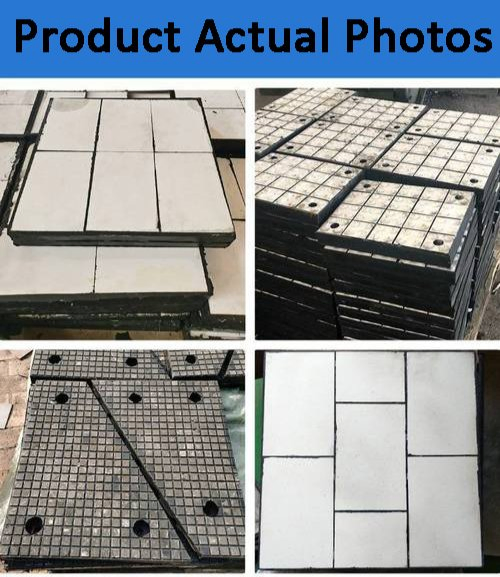
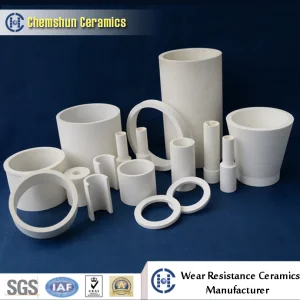
Ceramic Tile TypeSquare mosaic, Plain tile, Hex tile, Cylinder
Specification & Application
Specification 1 Specification 2
Application
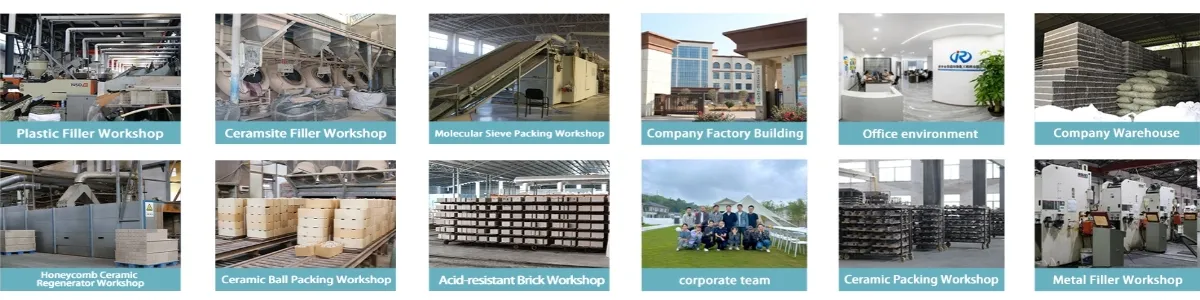
Manufacturing Capabilities
  • Advanced Manufacturing: Custom-designed towers and systems in ceramic, metal, and plastic.
  • Quality Assurance: ISO 9001 Certified quality management system.
  • Production Scale: 30-Acre production base with integrated R&D.
  • Patented Tech: 17 Patented technologies for proprietary advancements.
Factory Workshop
Packing & Delivery
Packing
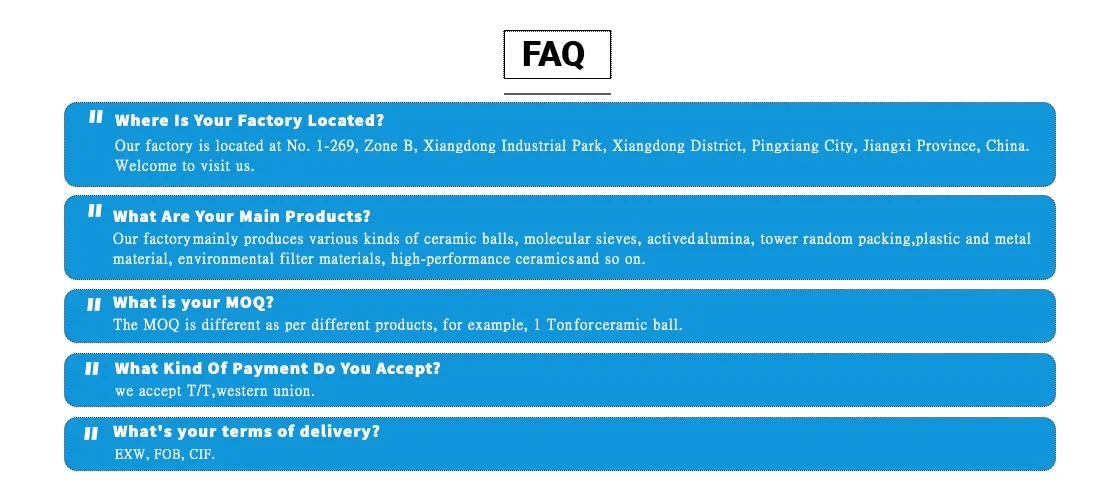
FAQ
FAQ Header
Q1: What materials are used in the composite wear plates?
The plates combine high-purity alumina ceramics (92% or 95% Al2O3) vulcanized into a natural rubber matrix, often with a steel backing plate.
Q2: Can the ceramic shapes be customized?
Yes, we offer various shapes including square mosaic tiles, hexagonal tiles, cylinders, and plain plates to suit different equipment geometries.
Q3: In which industries are these liners typically used?
They are widely used in mining, coal-fired power plants, steel mills, and cement production for chutes, hoppers, and conveyor systems.
Q4: How does the rubber backing improve performance?
The rubber acts as a cushion that absorbs high impact energy, preventing the brittle ceramic from cracking and significantly reducing operational noise.
Q5: What is the typical lead time and packaging?
Products are securely packed in cartons on pallets. Lead times depend on customization requirements and order volume.
Q6: Are you ISO certified?
Yes, our manufacturing processes comply with ISO 9001 quality management system standards.

Related Products