Explore our heavy-industry product series. Click to learn more about application-specific details.
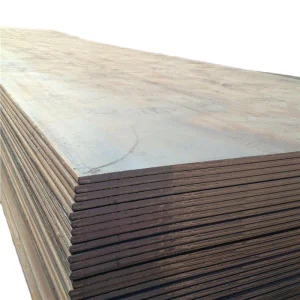

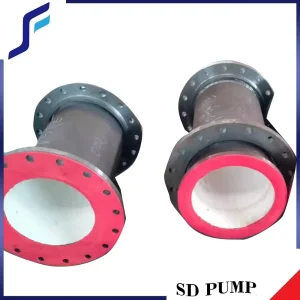
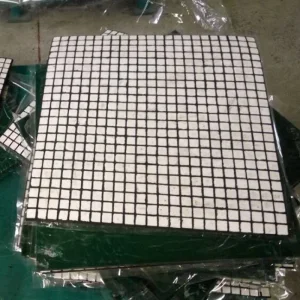
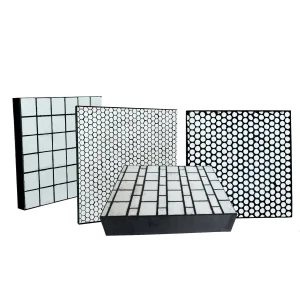
Modern industrial processing plants operate under punishing circumstances. Materials transport, bulk handling, chemical digestion, and heavy thermal operations place massive tribological and structural loads on equipment. Historically, steel alloys of various hardening levels were the benchmark standard. However, the rise of modern mechanical stress points and complex chemical atmospheres has exposed the limitations of traditional carbon or manganese steel plates.
This challenge has driven the rapid, globally synchronized adoption of Ceramic-Coated Steel Sheets and Ceramic-Lined Wear Systems. Globally, the industry is witnessing a structural shift. Heavy manufacturing centers are moving away from temporary wear solutions (such as continuous patch welding) toward highly integrated ceramic-metal hybrid matrix components. According to metallurgical and ceramic engineering market projections, the demand for engineered wear protection sheets has grown at a compound annual rate (CAGR) exceeding 6.4% over the past five years. Emerging markets in Asia-Pacific, Latin America, and Sub-Saharan Africa, where mining and bulk mineral extraction projects are scaling, represent the highest consumption growth indices.
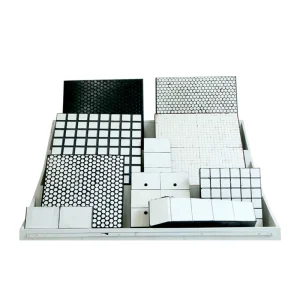
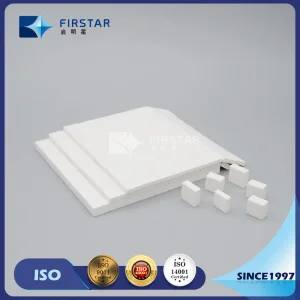
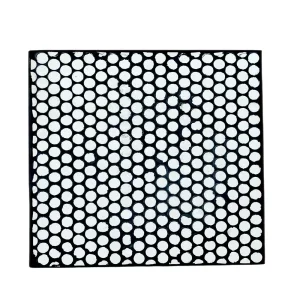
By bonding high-density alumina (Al₂O₃) or zirconia-toughened alumina (ZTA) ceramic structures to structural carbon steel backing plates like Q345, manufacturers create a material that combines the high tensile strength, load-bearing elasticity, and weldability of structural steel with the extreme hardness, chemical inertness, and sliding abrasion resistance of engineering ceramics.
As leading OEM/ODM manufacturers, Zibo Xingli Industrial Ceramics Co., Ltd and Hunan Yibeino New Materials Co., Ltd are at the forefront of this technological transformation, delivering specialized compositions that extend the runtime of conveying systems, blast furnace chutes, and pneumatic ash handling pipes by up to 500% compared to basic alloy steel sheets.
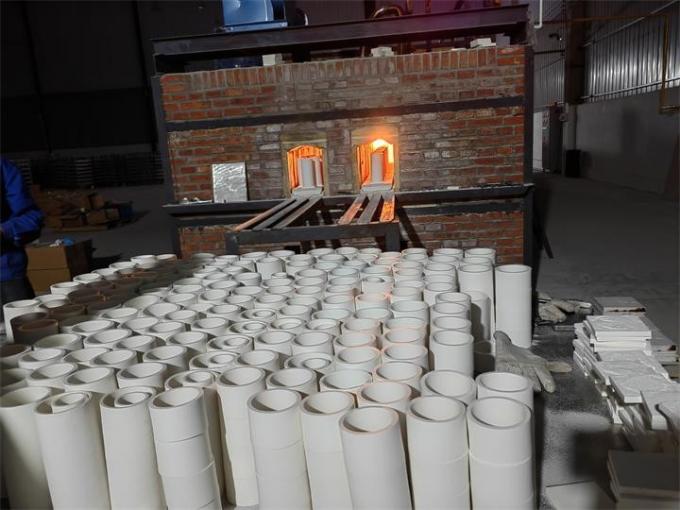
Quantifiable performance data demonstrating the technical authority of our ceramic-steel matrices
Bridging the gap between severe material abrasion and operational efficiency
Iron ore, gold ore, copper tailings, and dry cement raw meals exert continuous impact and abrasion. Our rubber-ceramic-steel composite matrix pads absorb low-angle kinetic impacts while maintaining high sliding slip rates, eliminating material hang-ups and bridging.
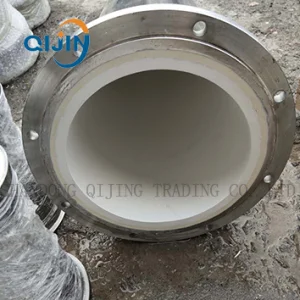
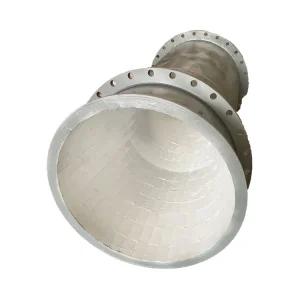
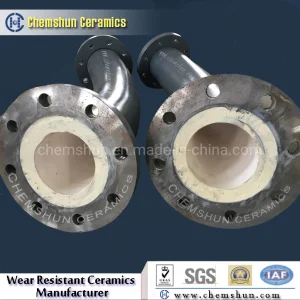
Pulverized coal feed systems and heavy ash handling lines suffer severe erosive wear due to high-velocity particle flows. Lined pipe elbows and wear-resistant steel plate liners protect steel integrity, reducing pipeline replacement cycles by up to 8x.
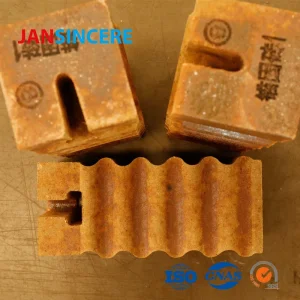
High-temperature sinter ore charging systems demand structural wear protection that tolerates high ambient thermal dynamics. Our mullite-silicate and specialized silicon carbide composite bricks ensure reliable wear boundaries even under intense thermal shock.
Wear dynamics change significantly based on local climate and material moisture content. In cold-weather regions like North America (USA, Canada) and Northern Europe (Sweden), moisture in mineral ores freezes, leading to severe structural blockages and mechanical fatigue. In these regions, ZTA-rubber vulcanized composite plates are preferred, as the rubber elastic layer acts as a thermal buffer and shock absorber while preventing freezing issues.
Conversely, in tropical or dry processing environments (such as Australia, India, and South Africa), severe friction causes rapid heat buildup. In these areas, high-purity alumina-to-steel weldable sheets are used, featuring mechanical locking pins that remain secure even when high friction heats the bonding interfaces.
To provide clear direction for next-generation material procurement, our technical research roadmap focuses on three main developments:
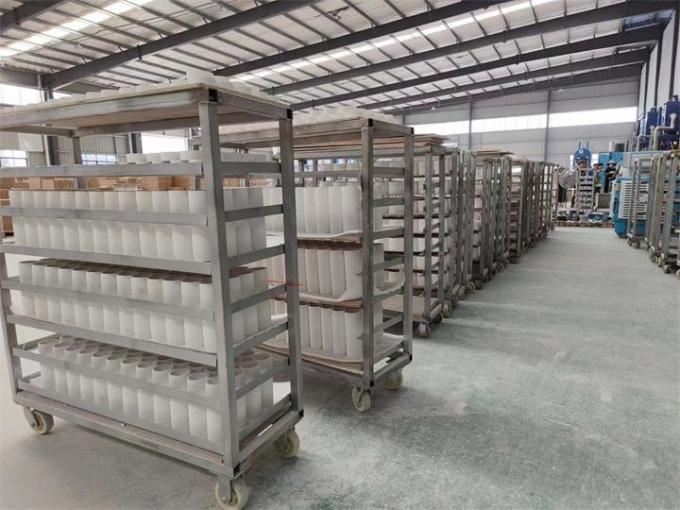
How Hunan Yibeino & Zibo Xingli Deliver Consistent Quality Assurance
Hunan Yibeino New Materials Co., Ltd. has passed the ISO9001:2015 quality system certification. The company has a strict quality control system. Product design, manufacturing, and installation services are fully integrated into the ISO quality management system. From raw material purchase and ingredients, all aspects from production process management to factory inspection and control ensure stable product performance and excellent quality.
The company has users all over the world, mainly exporting to the United States, Germany, Sweden, India, Turkey, the Netherlands, Italy, Spain, Japan, South Korea, Russia, Vietnam and other countries. The company adheres to the business philosophy of "integrity, hard work, innovation" and adheres to the "customer, quality first" principle to provide high-quality service.
Our commitment to engineering innovation is backed by our proprietary patents, including:
These engineered innovations prevent premature pipeline failure and optimize flow profiles in high-viscosity media applications.
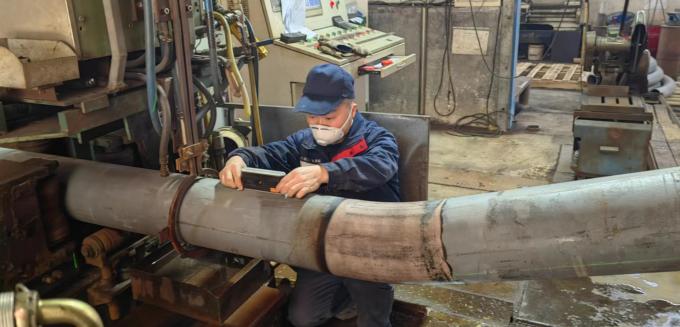
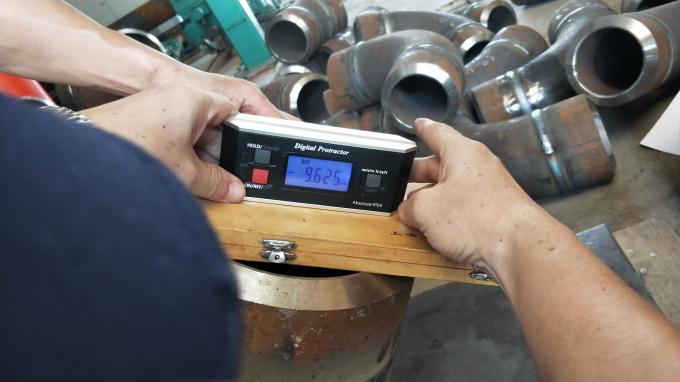
A structured, quality-driven approach from on-site technical inspection to localized installation support
Our engineering managers communicate directly by phone or perform on-site technical surveys. We analyze operating conditions (particle size, impact angle, velocity, temperature) to recommend custom wear-resistant matrices and provide technical project quotations.
Once parameters are confirmed, our engineering design team generates detailed AutoCAD or SolidWorks drawings of custom shapes, weld points, or rubber backing dimensions, ensuring 100% assembly accuracy before fabrication begins.
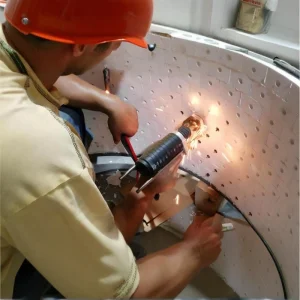
We provide localized engineering installation guidelines. For mainland projects, our technical teams arrive at the customer site within 48 hours to troubleshoot challenges and optimize conveyor or chute alignment.
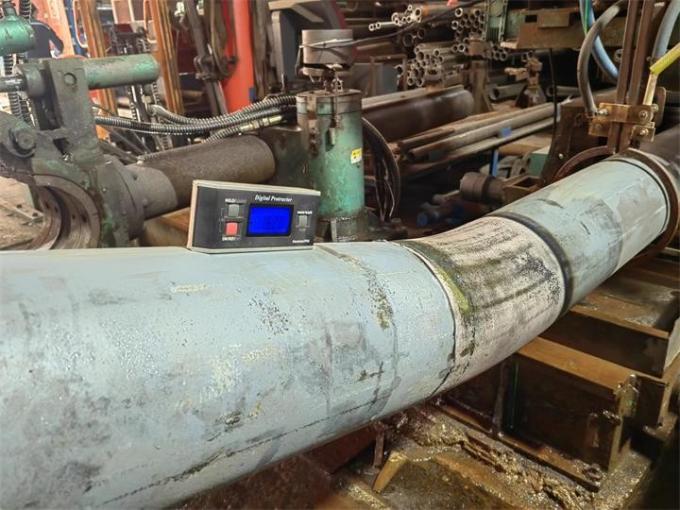
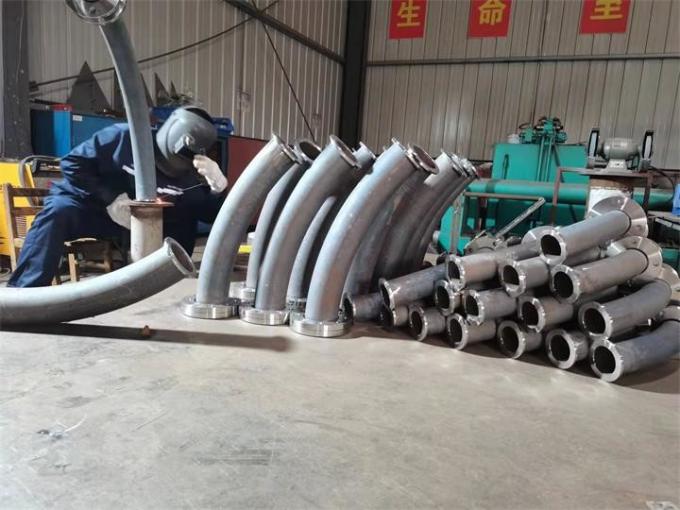
Clarifying structural characteristics, manufacturing tolerances, and ceramic material selections
Explore our complete product catalog for wear prevention and industrial applications.
 Xingli Industrial Ceramics