Basic Specifications
Rotation Speed
320/360/380/400/500/730/980
Standard
ASTM, GB, API, DIN, JIS
Product Description
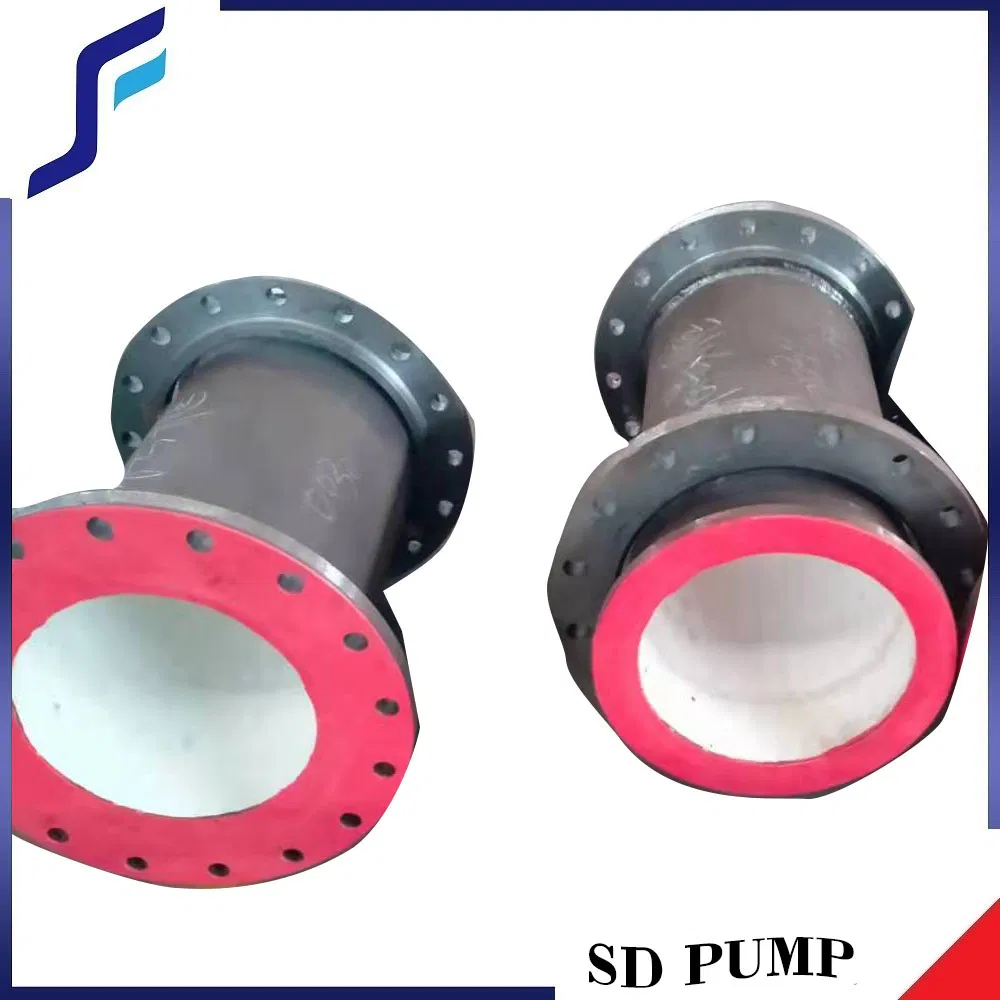
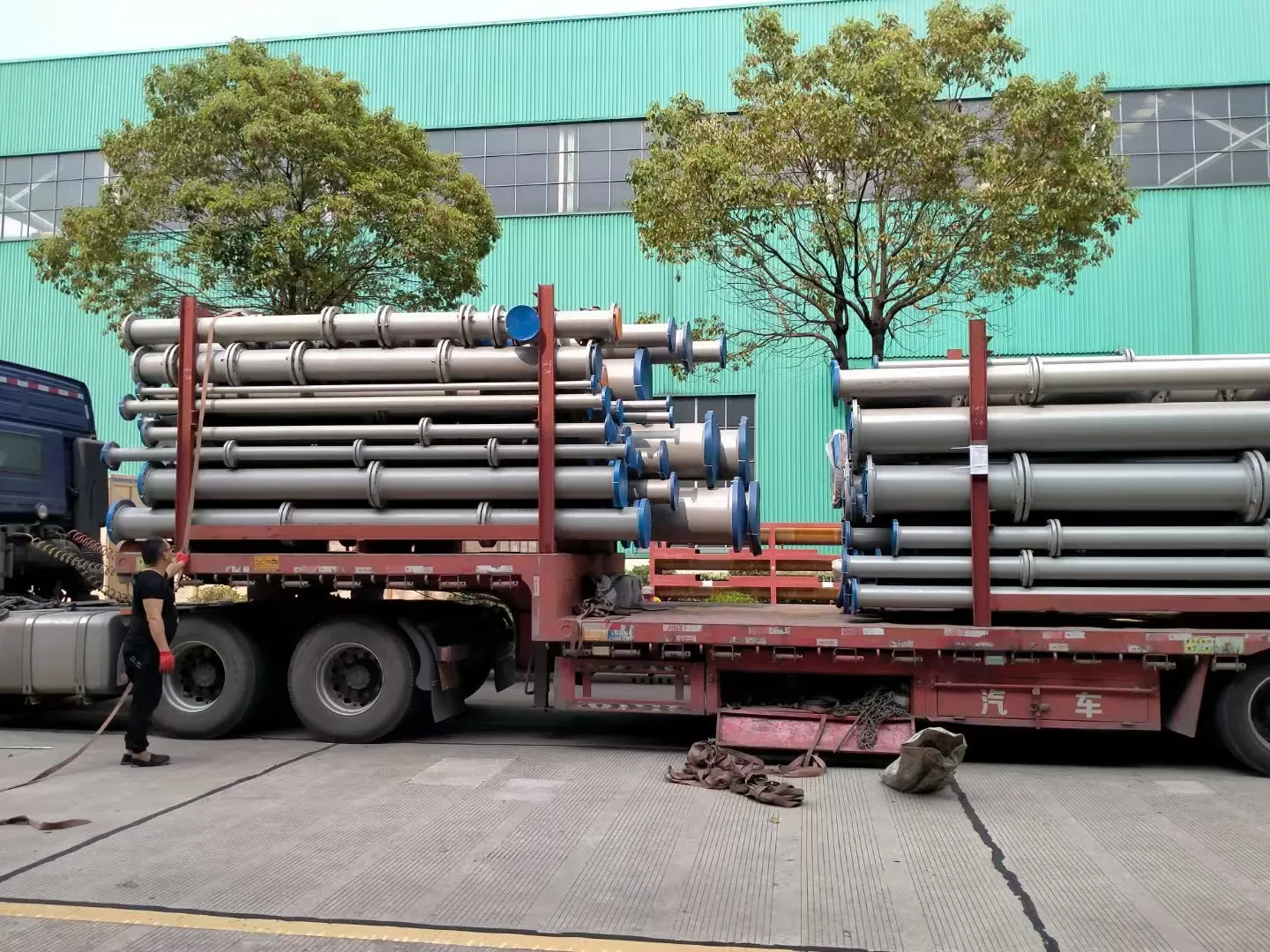
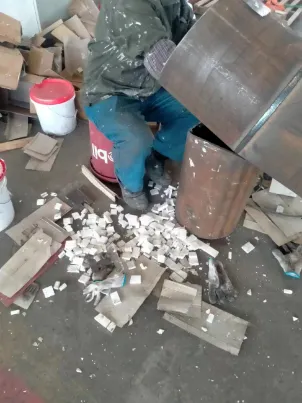
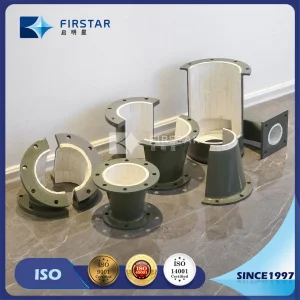
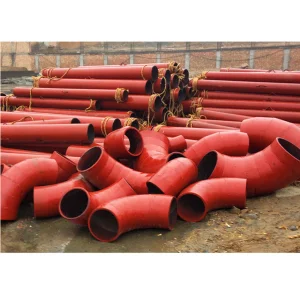
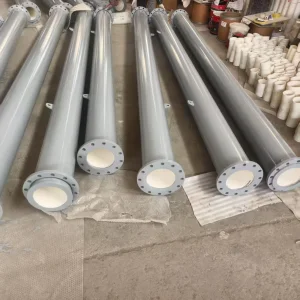
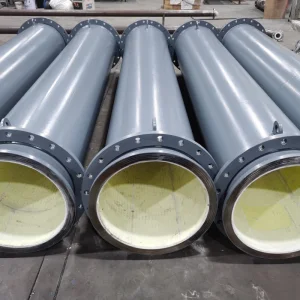
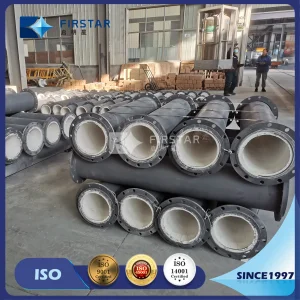
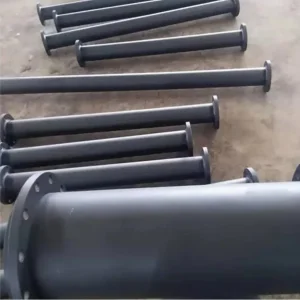
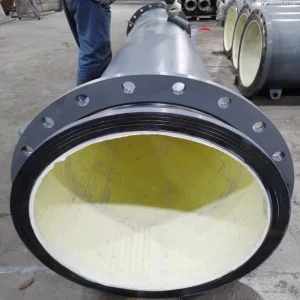
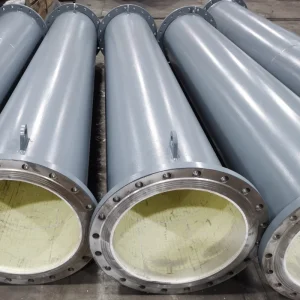
Ceramic lined composite pipe is mainly used to transport a variety of pulp, tailings slurry, coal slurry and corrosive slurry. It is exceptionally suitable for larger particles of material transport in thermal power, iron and steel, smelting, mining, chemical, and cement industries for coal transport, material delivery systems, and ash discharge.
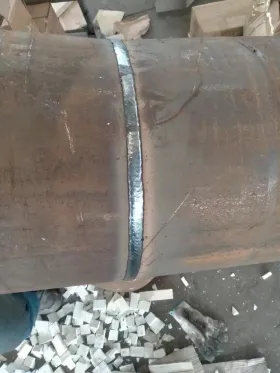
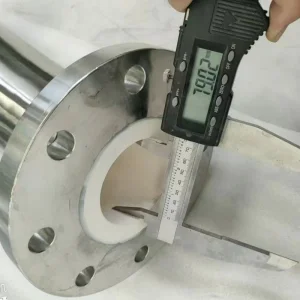
The pipe features excellent heat resistance, corrosion resistance, and resistance to mechanical/thermal shock. Since the outer layer is steel, the inner layer does not crack when heated, allowing for direct welding methods for pipeline connection.
Production Range
- Nominal Diameter: DN20mm-DN1200mm (Large-diameter pipe can reach 4m).
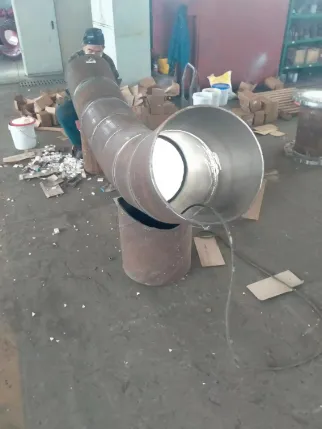
- Custom Fittings: All kinds of non-standard elbows, tees, and reducings.
- Pre-fabrication: Can be prefabricated according to user requirements.
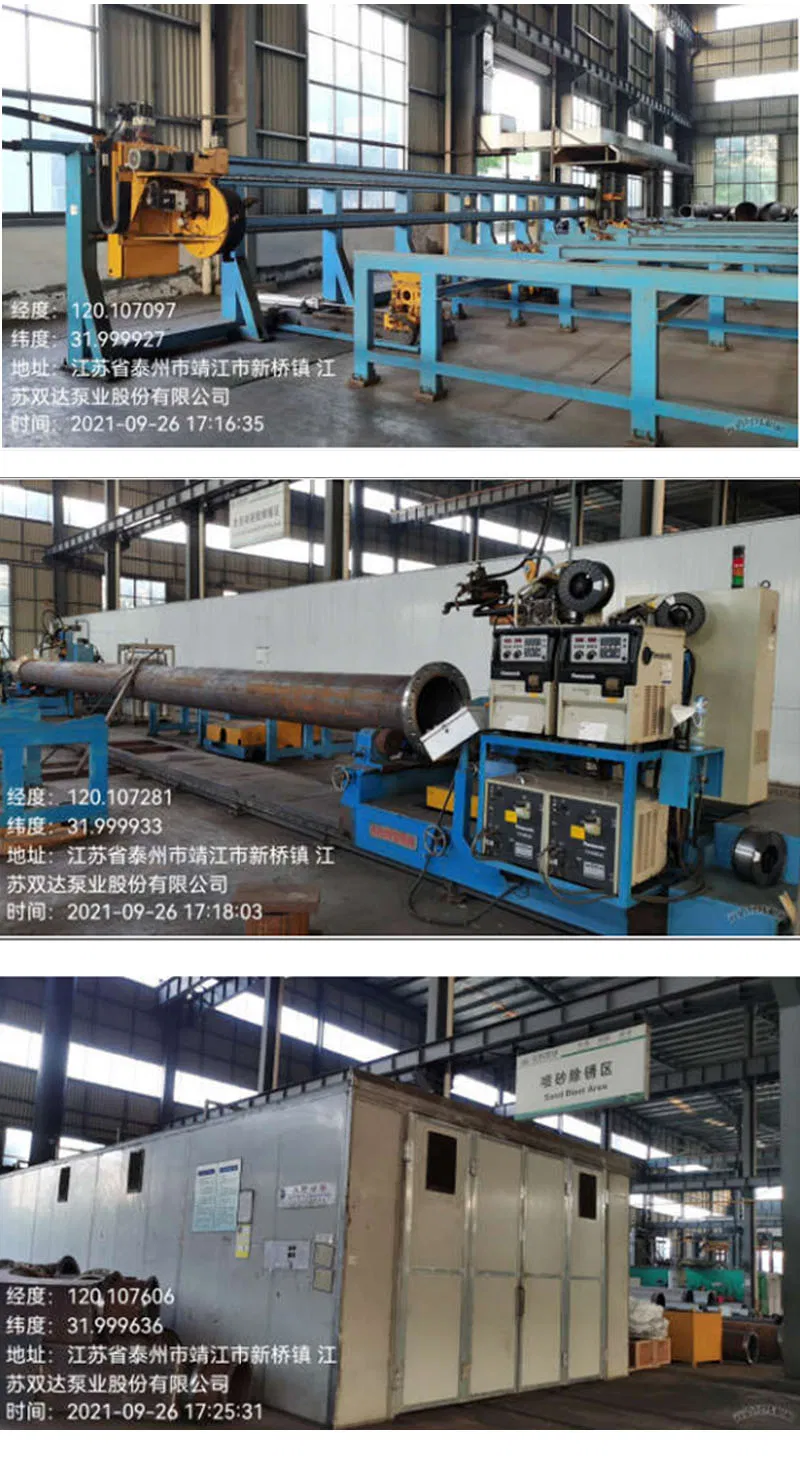
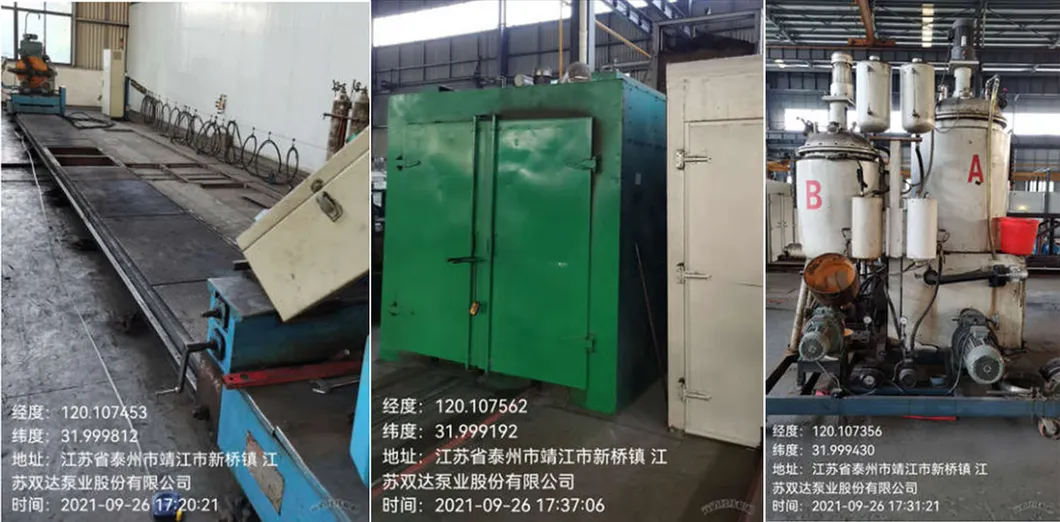
Our product line includes high-end chemical process pumps (BB1~BB5, VS1~VS6 series) following API610, as well as specialized pipes including nano polyester new material pipes, plastic-lined composite steel pipes, and glass-lined composite steel pipes.
Frequently Asked Questions
Are you a factory or trading company?
We are a specialized manufacturer in chemical pumps and industrial production lines.
Can I make an OEM order?
Yes, we can supply different sizes and all our products can be customized to your requirements.
How does your factory handle quality control?
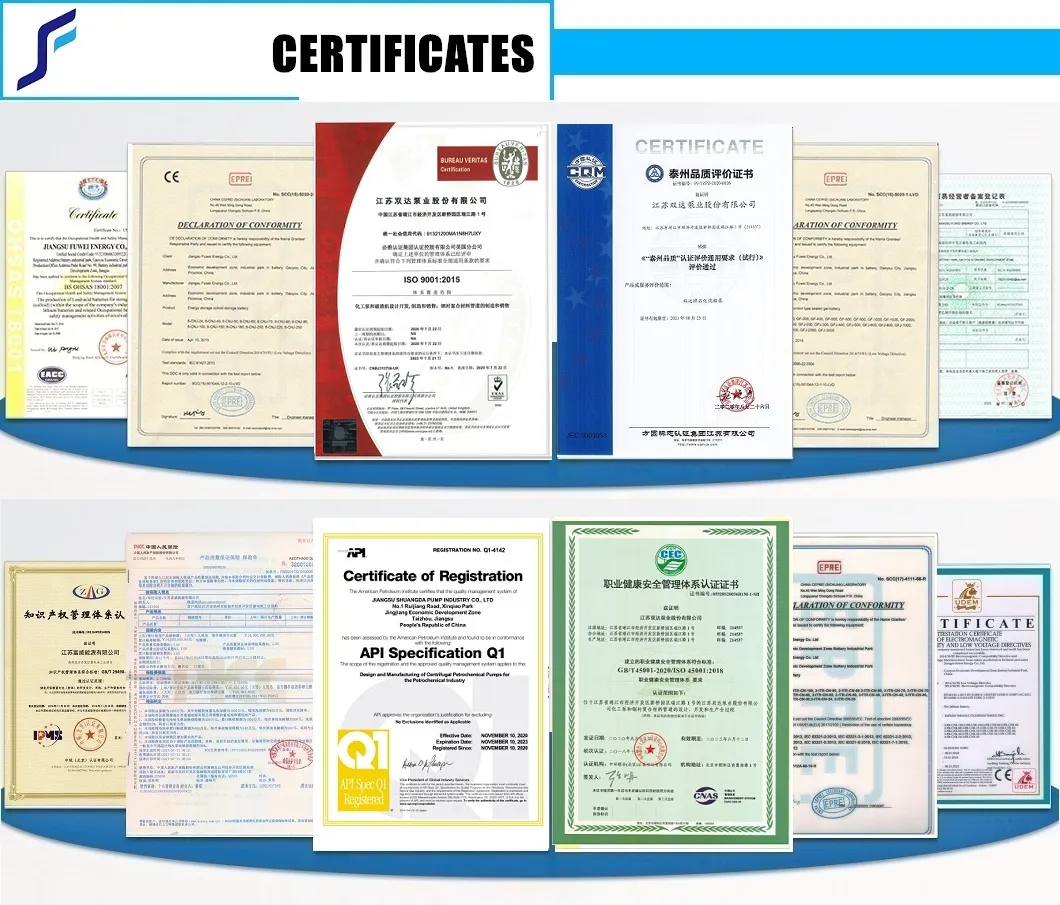
Quality is our priority. Our team attaches great importance to quality controlling from the very beginning of production.
What are the advantages of ceramic lined pipes?
They offer 20 times higher wear resistance than carbon steel, high hardness, light weight, and excellent heat resistance.
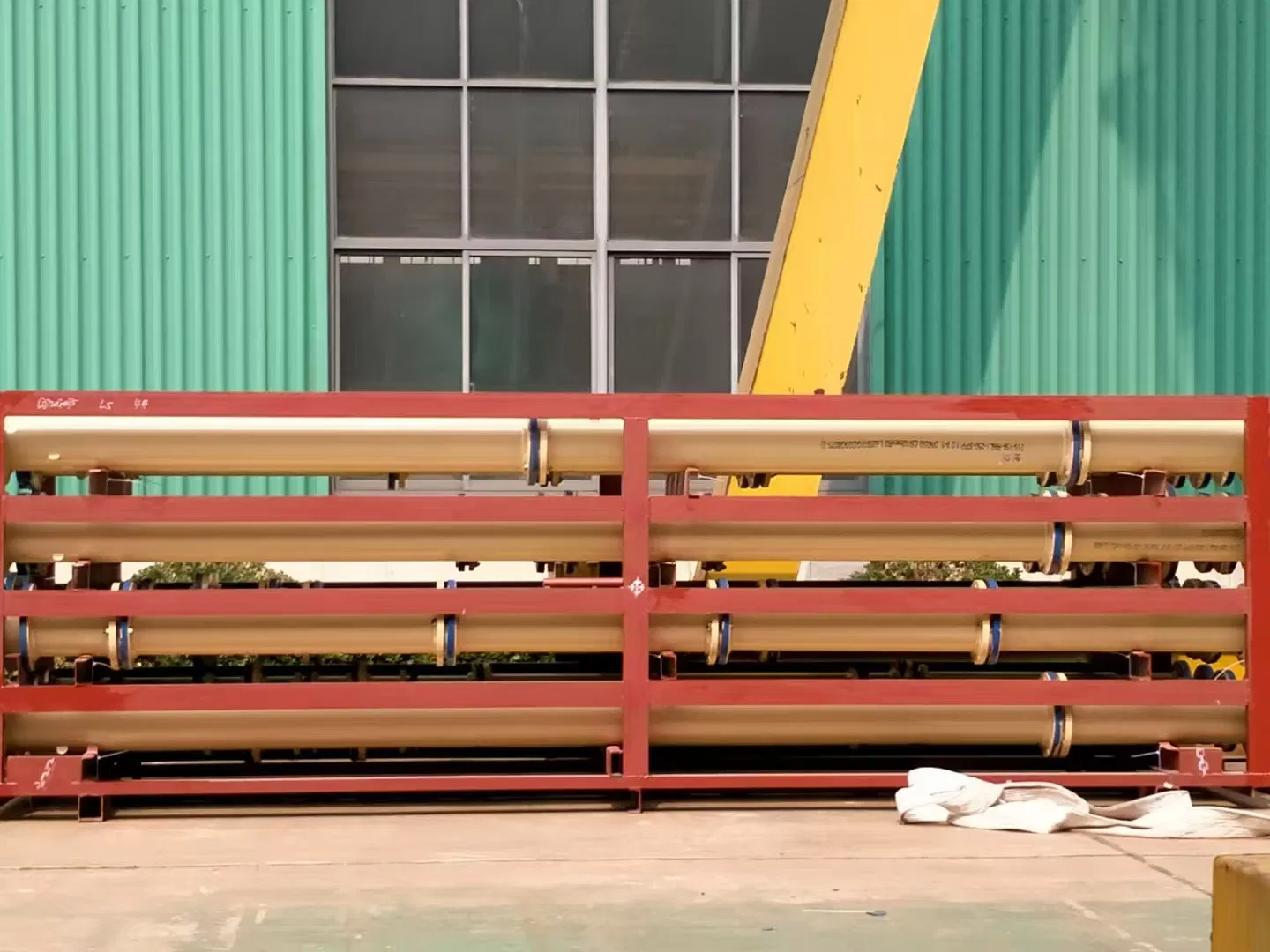
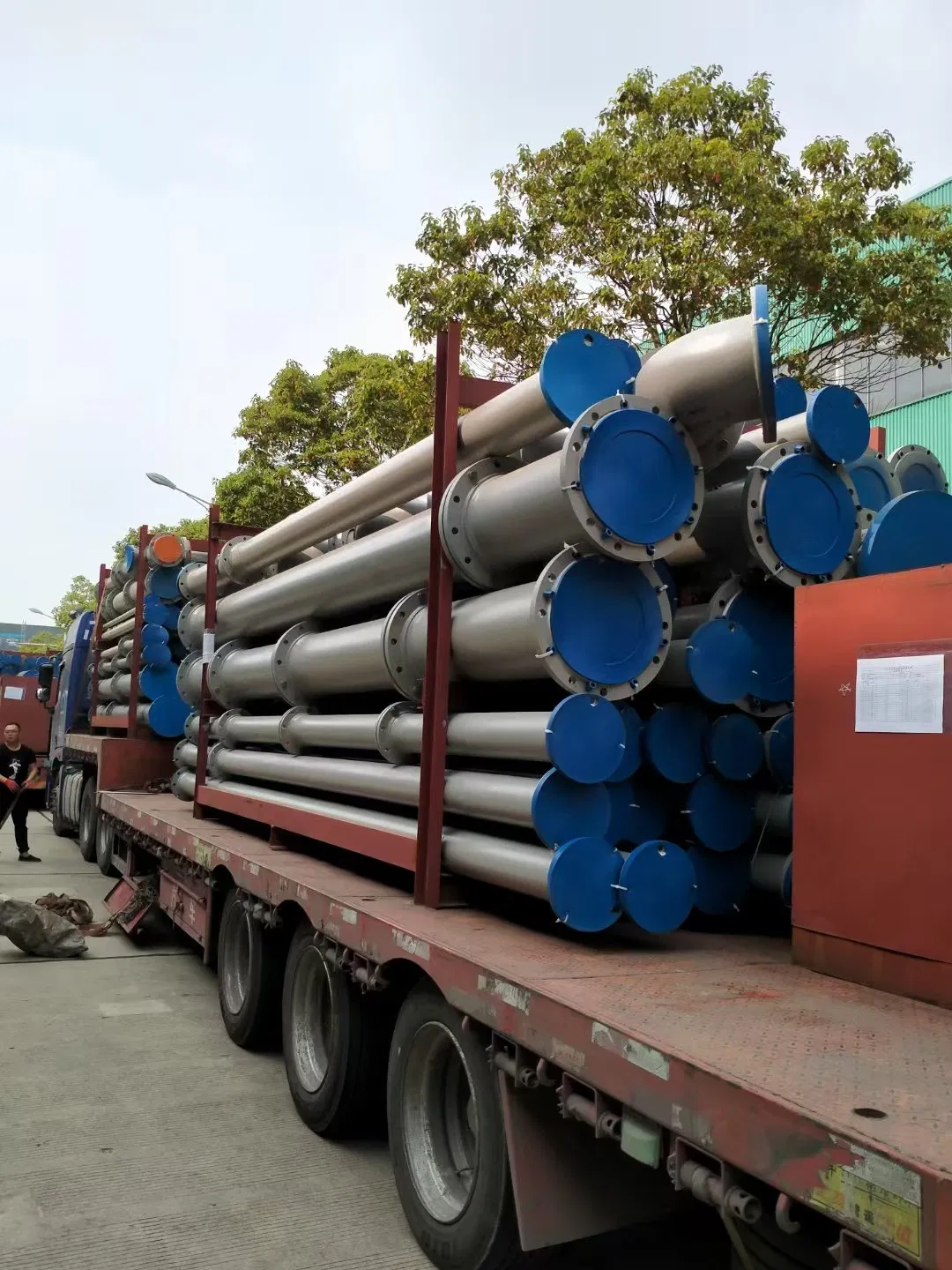
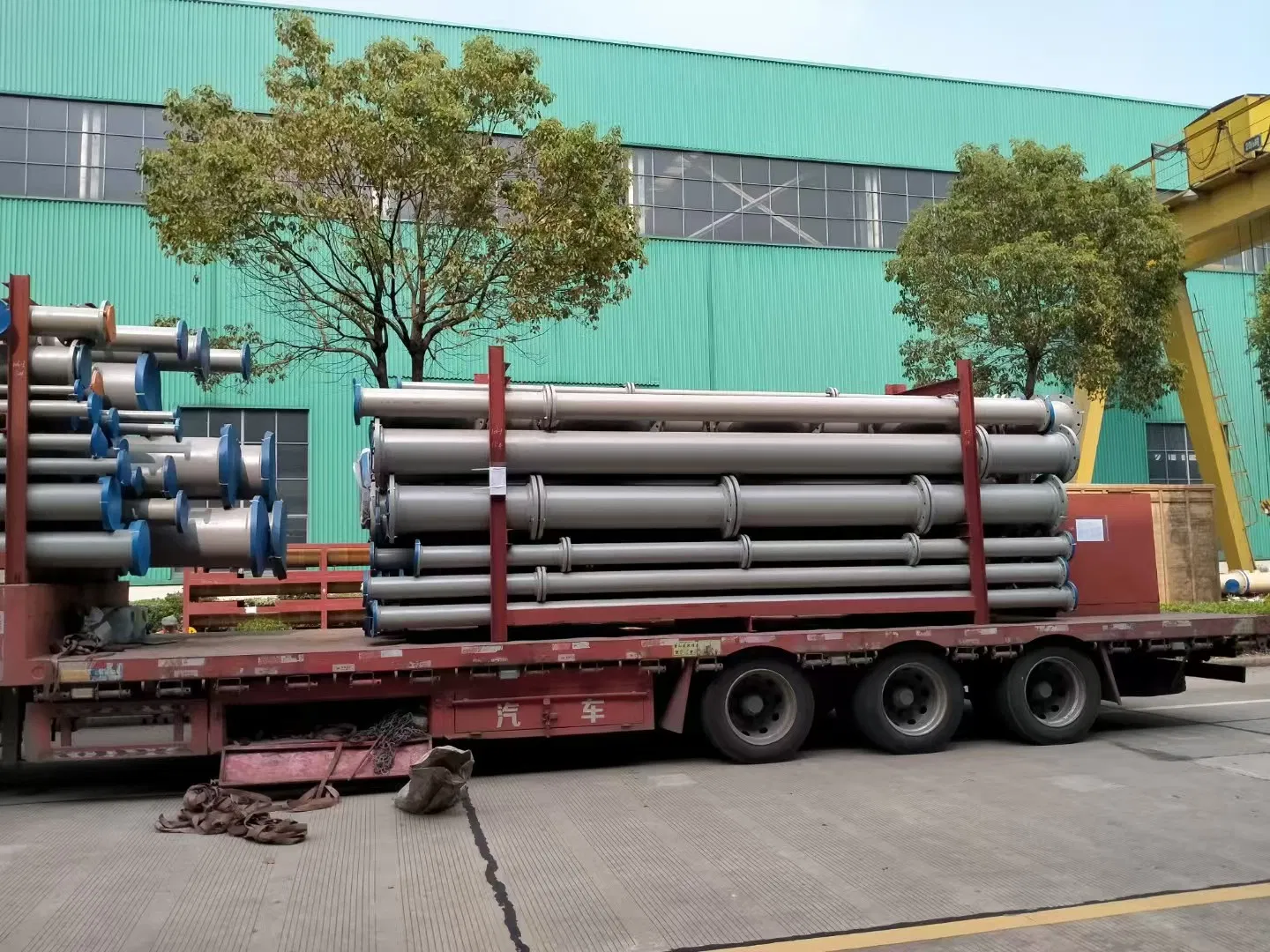
What about your shipping packages?
We use secure packaging like plywood boxes. Please contact us for detailed photos of our secure packaging methods.
What standards do your products follow?
Our products are manufactured according to ASTM, GB, API, DIN, and JIS standards.
 Xingli Industrial Ceramics