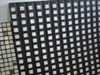
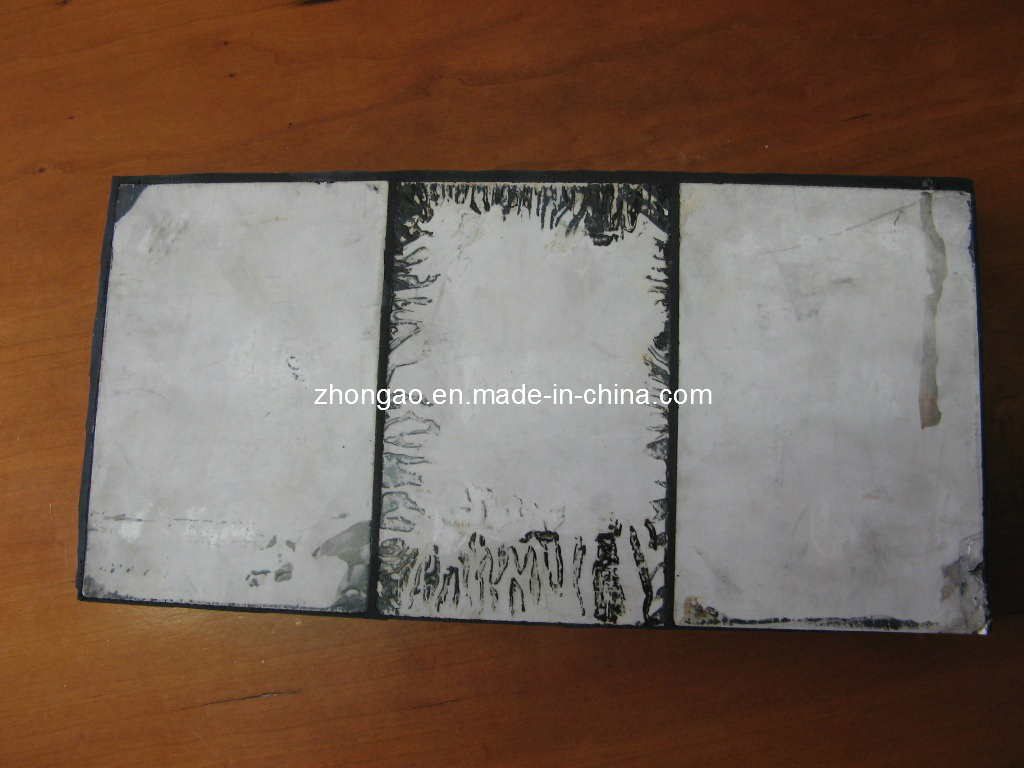
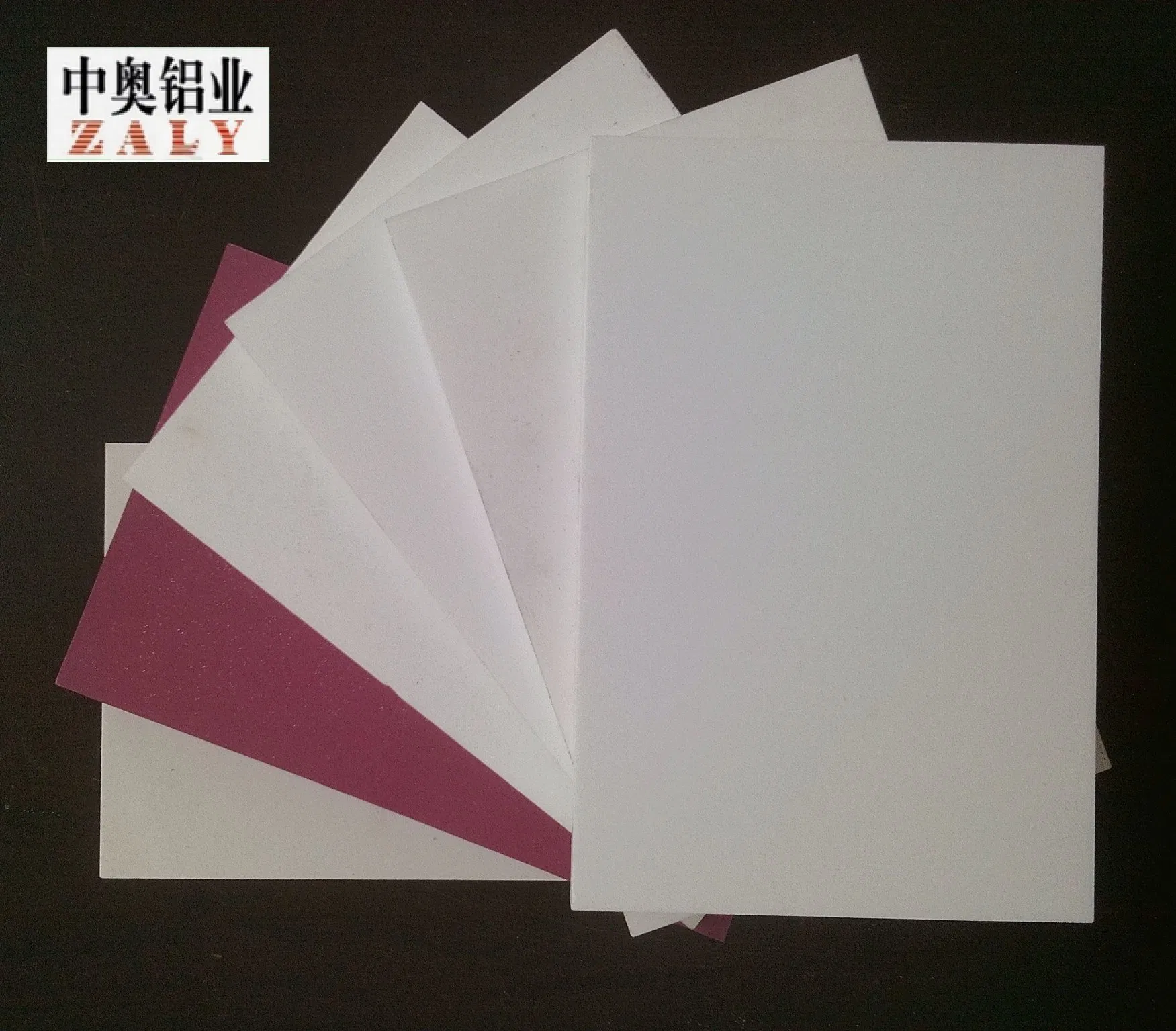
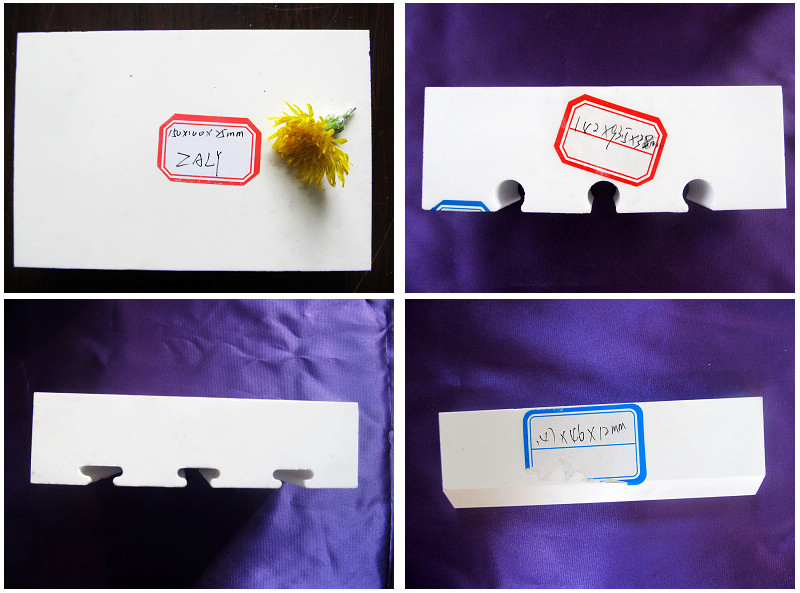
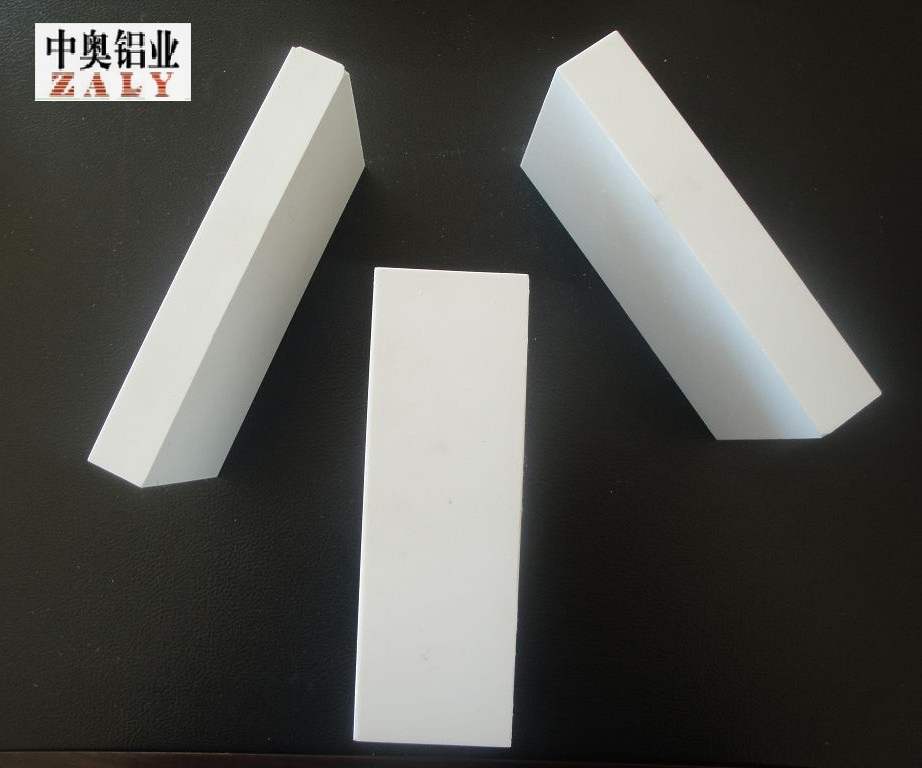
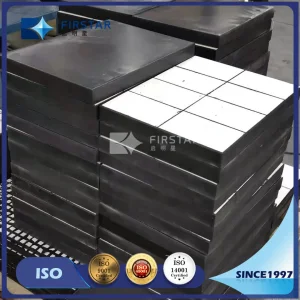
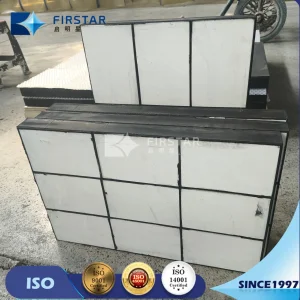
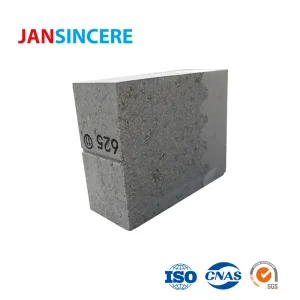
Wear-Resistant 92% Alumina Ceramic + Rubber Composite Brick with Shock Resistance

Standard: GB
Application: Construction Machinery, Cement Plant, Mining Machine, Thermal Power Plant, Coal Yard
Material: Natural Rubber

Product Description

Basic Information
Model NO.
ZALY
Type
Wear Resistant Ceramic
Usage
Industrial
Feature
Impact-Resistant
Raw Material Origin
Australia
Ingredient
Alumina, Rubber, Steel
Alumina Content
92%
Rubber Hardness
55-65 Shore
Production Capacity
200 Mt/Month
HS Code
690919
Transport Package
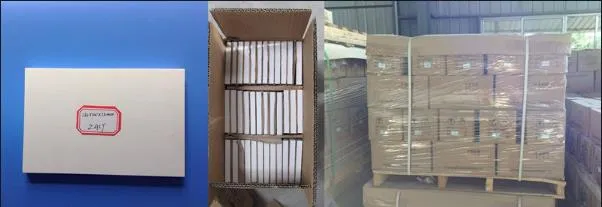
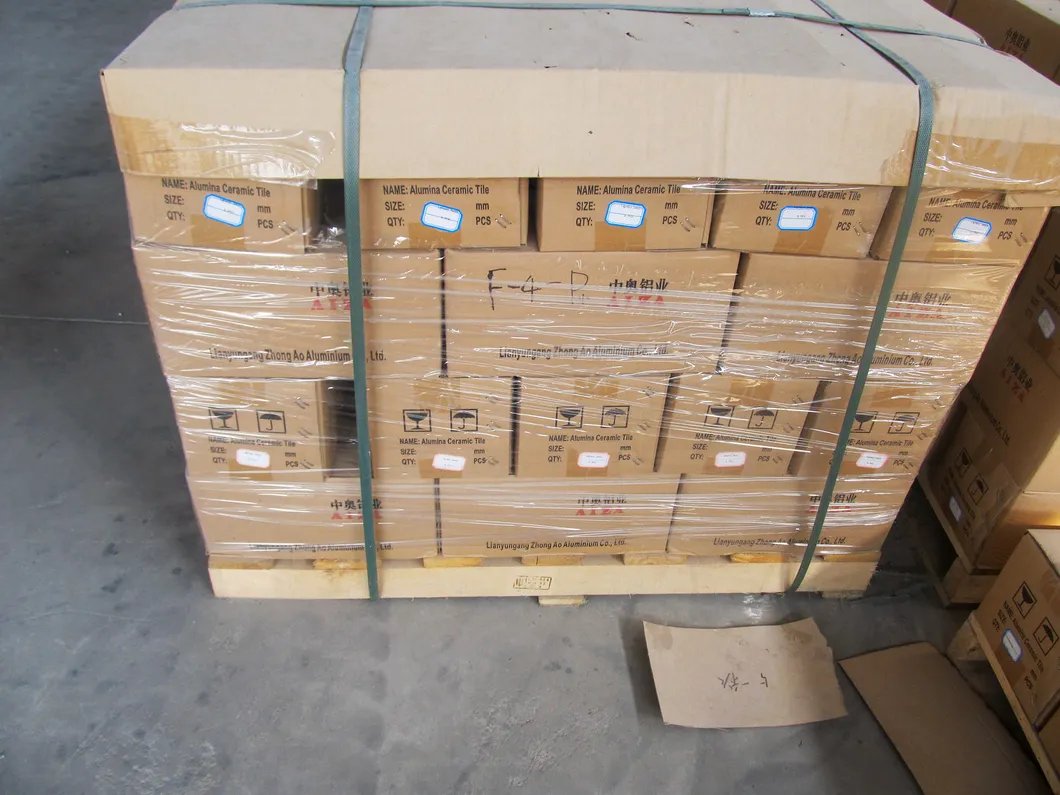
Export Wooden Boxes with Carton
Product Description

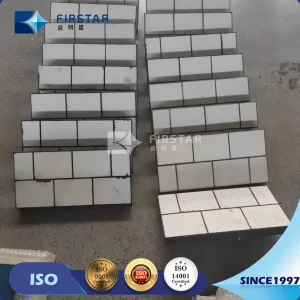
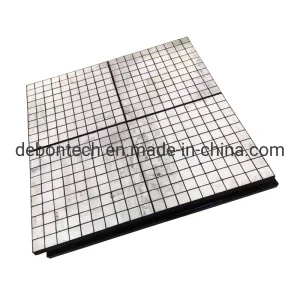
Rubber and Ceramic Composite Plate With Shock Resistance

Installation Method

Special shaped ceramics are vulcanized in high temperature resistant rubber and mechanically affixed on armor plate to form synthetic linings which can conveniently screw onto the systems.

Key Advantages

Great impact resistance, no corrosion, and high temperature resistance.

Primary Applications

Widely used in thermal power plants (Coal/ash metallurgical systems), conveying, batching system silos, hoppers, and other equipment as a wear liner. Suitable for water resistance, weak acid, and alkali environments (100-300℃).

Available Specifications

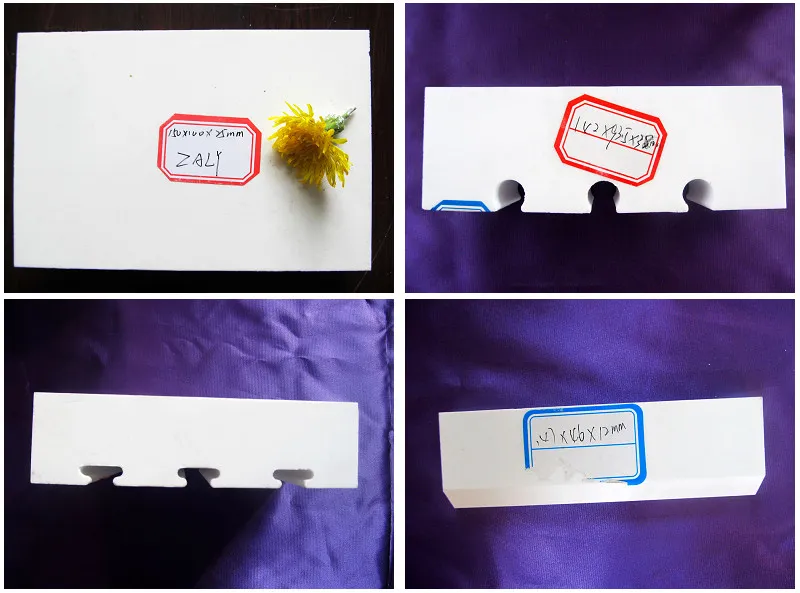
Sizes (mm): 200*200, 250*250, 400*400, 600*600
Shapes: Plain plate, Fan-shaped plate, Sphere-shaped plate.
Note: Customized products available according to drawings or specifications.

Technical Indicators Of Ceramic
ItemIndex
Alumina content≥92%
Density≥3.6g/cm³
Rockwell Hardness≥87HRA
Compressive Strength≥850Mpa
KIC fracture toughness≥4.8Mpa.M1/2
Bending strength≥290 mp
Thermal conductivity20 w/m.k
Technical Indicators Of Rubber
ItemIndex
Tensile strength≥12Mpa
Break extension≥250%
Shore hardness55-65
Break permanent deformation≤24%
Rubber and ceramic adhesion≥3.0mp
Temperature Range≤100-300 Celsius
Rubber aging life≥8 years
Frequently Asked Questions (FAQ)
What are the main components of the composite plate?
The plate is composed of 92% Alumina ceramic tiles vulcanized into a high-quality rubber matrix, often backed by a steel armor plate for mechanical installation.
What is the maximum operating temperature for these liners?
These composite liners are designed to operate efficiently in environments ranging from 100 to 300 degrees Celsius.
Can I get custom sizes for my specific equipment?
Yes, we provide customized shapes and sizes, including fan-shaped and sphere-shaped plates, based on your technical drawings and specifications.
How is the ceramic-to-rubber adhesion strength?
The shear stress adhesion between the rubber and ceramic is ≥3.0Mpa, ensuring the tiles remain secure even under high impact.
What industries typically use this product?
It is widely used in thermal power plants, metallurgical steel industries, and any facility involving bulk material conveying, silos, or hoppers.
How long does the rubber component last?
The high-grade rubber used in our composite plates has an aging life of 8 years or more under standard conditions.

Related Products