Product Description
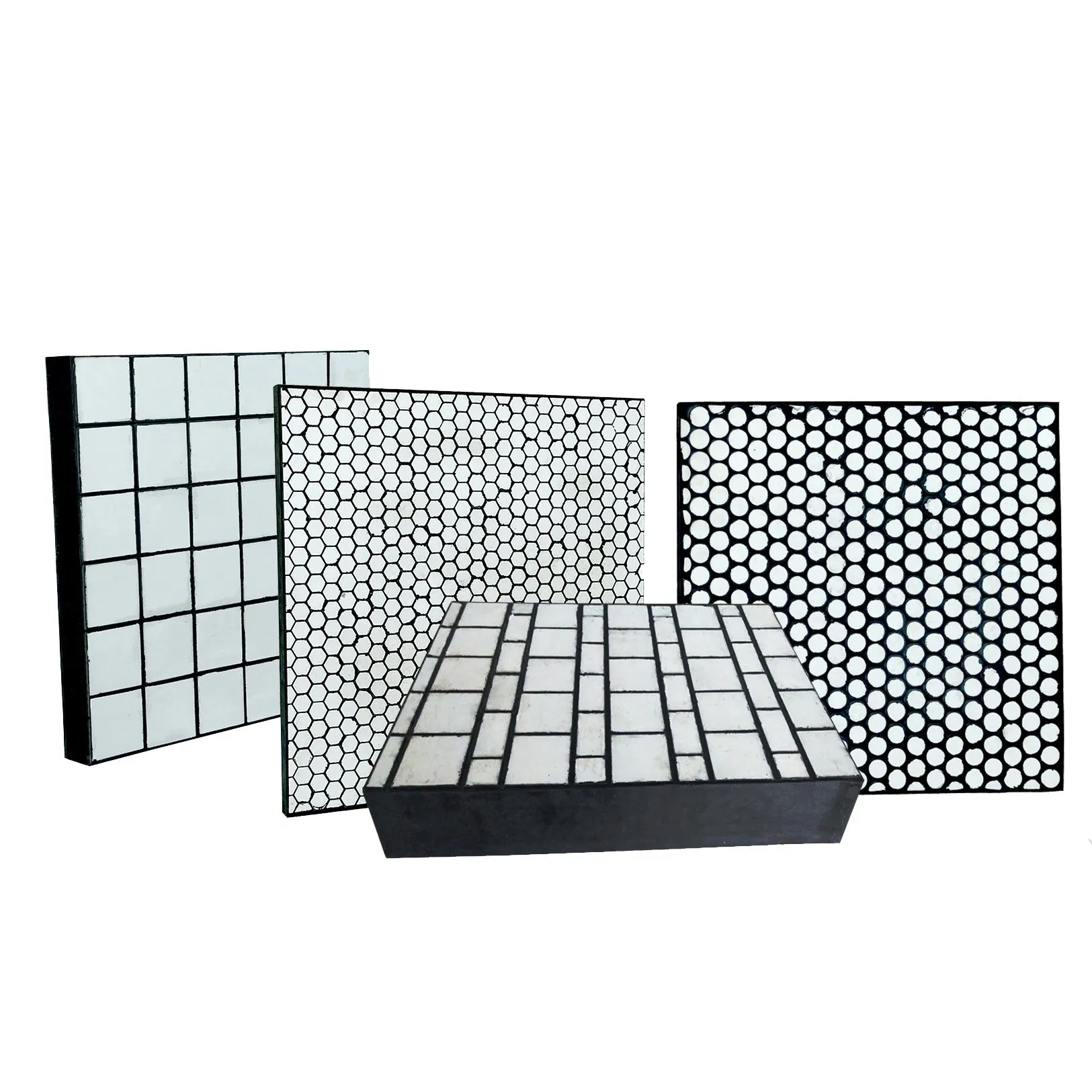
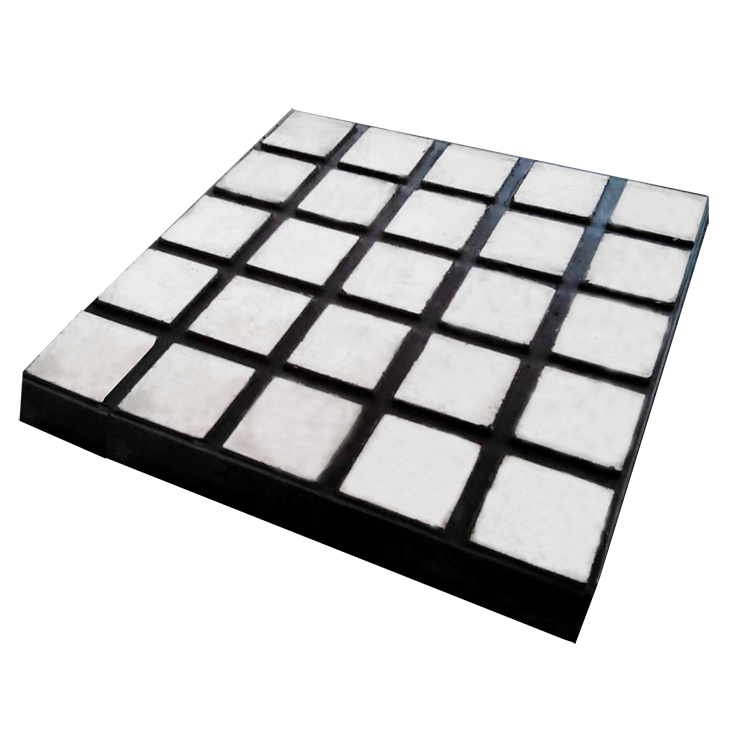
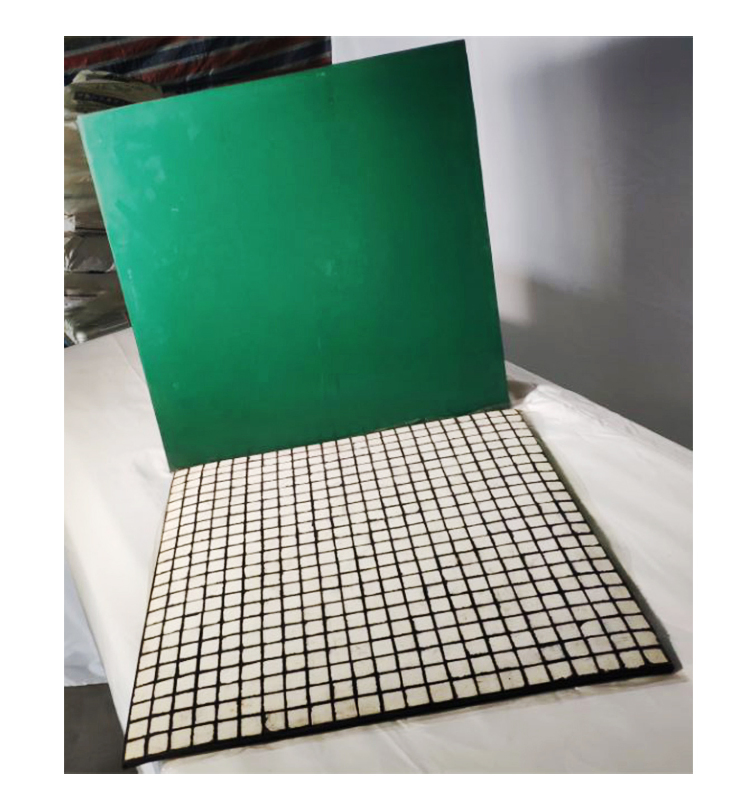
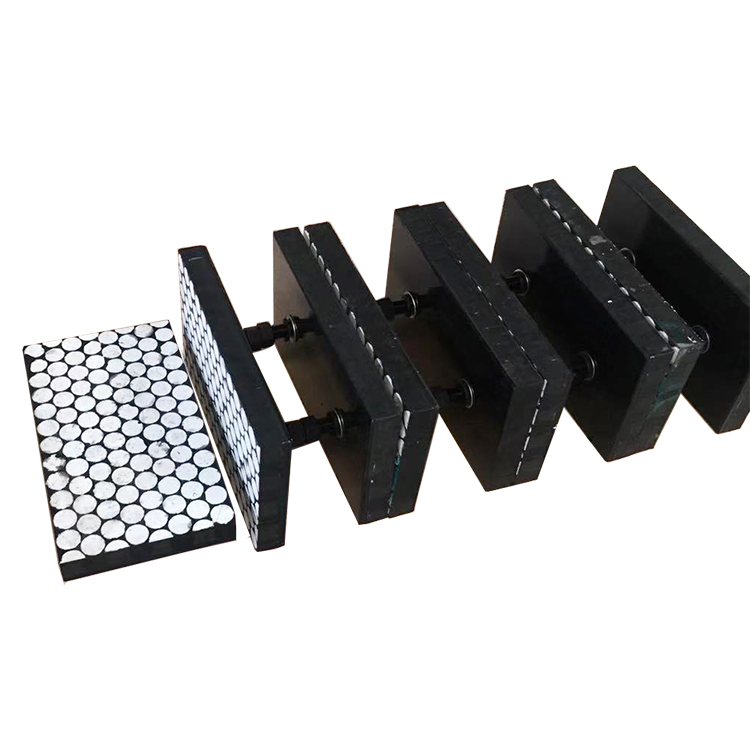
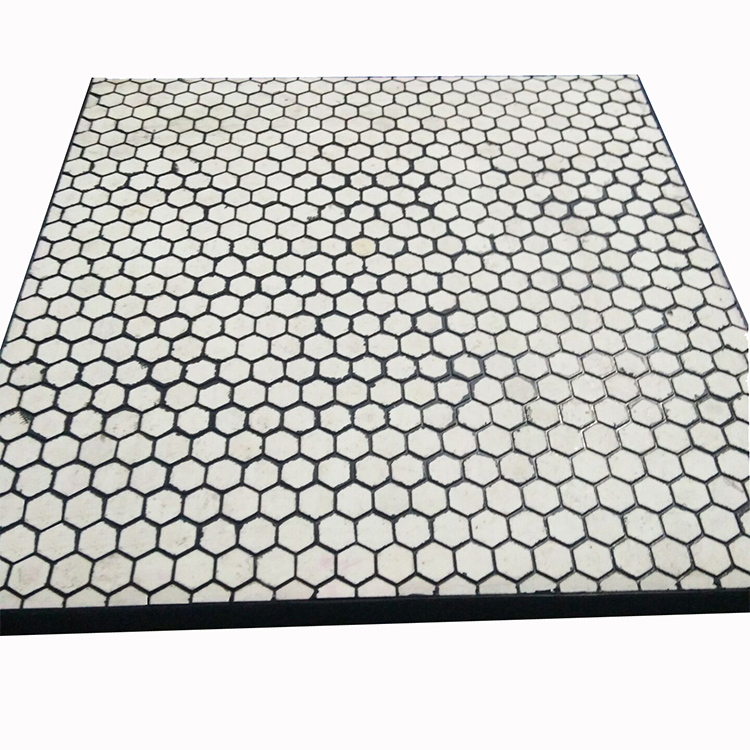
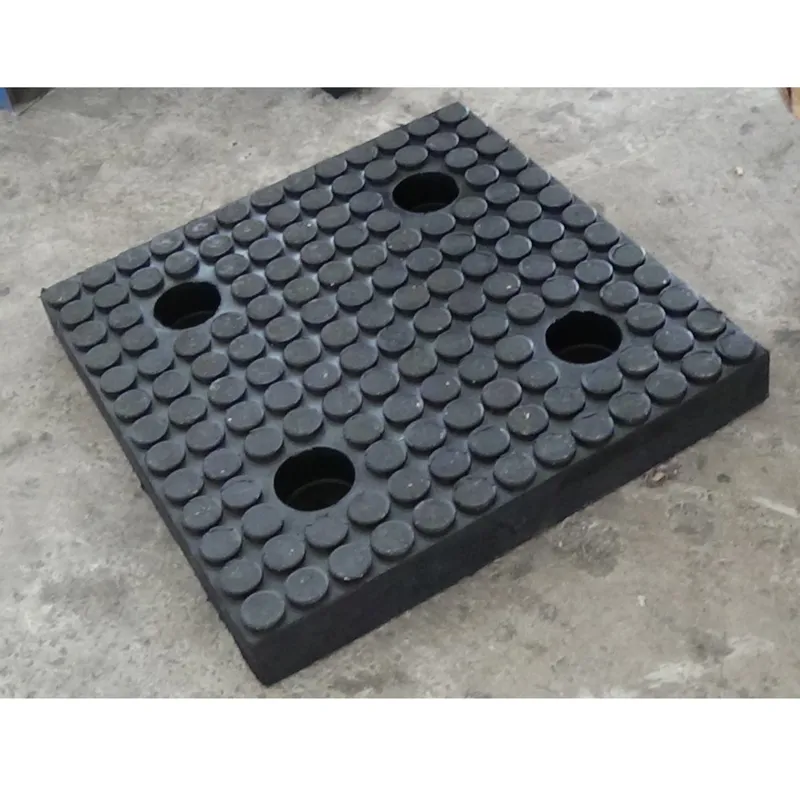
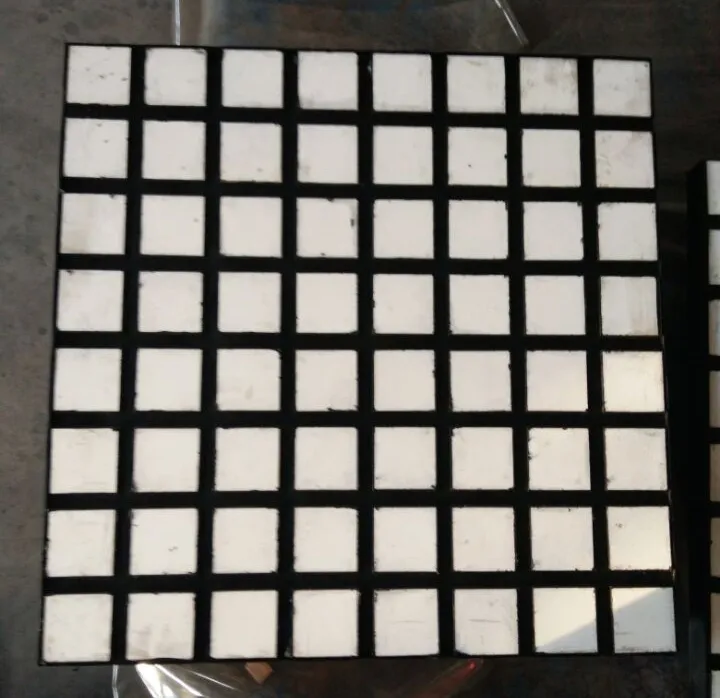
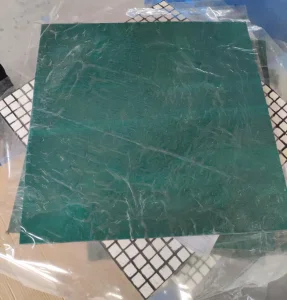
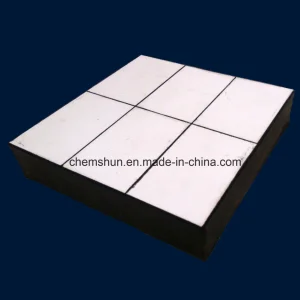
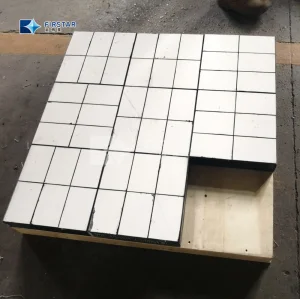
Abrasion Resistant Rubber Ceramic Composite Wear Liner Plate
🚀 Our Advantages:
Extensive experience in manufacturing wear plates for chutes and hoppers.
Standard and non-standard sizes available.
Customized liners based on drawings and samples.
Excellent adhesion between ceramic and rubber.
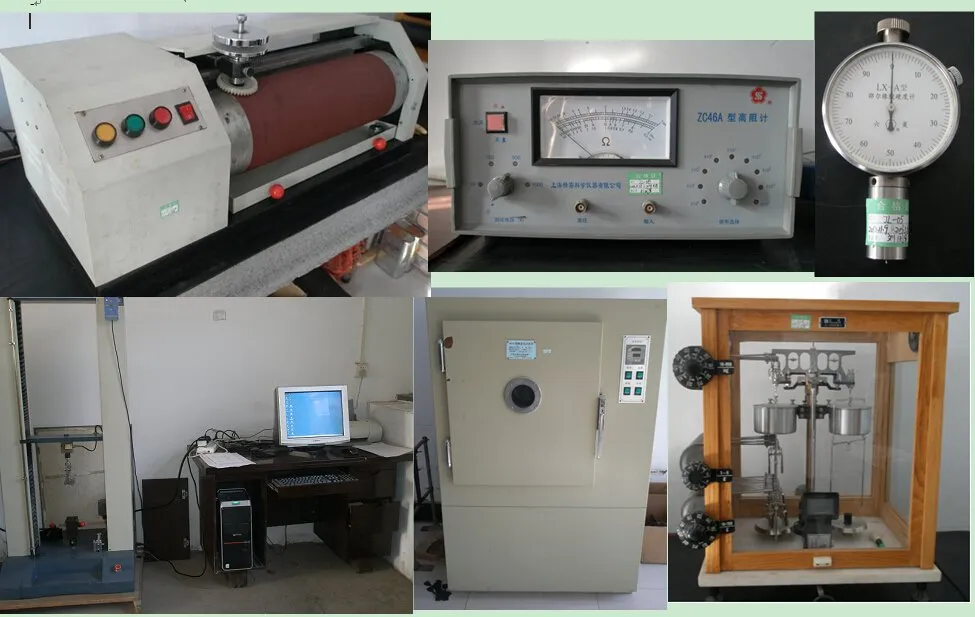
Strict Quality Control (QC) process.
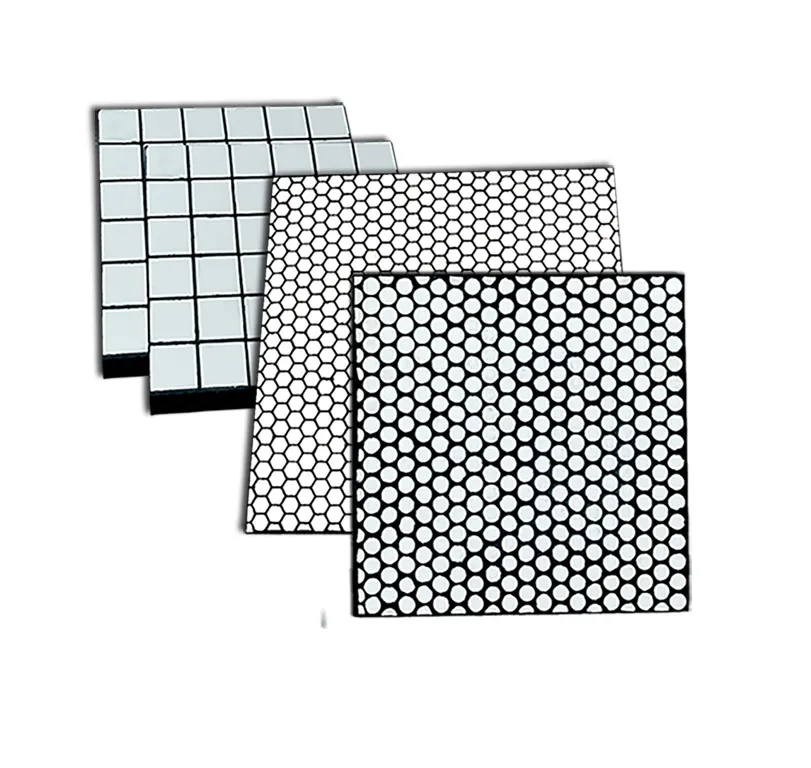
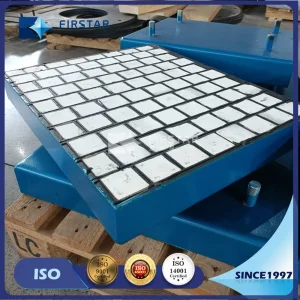
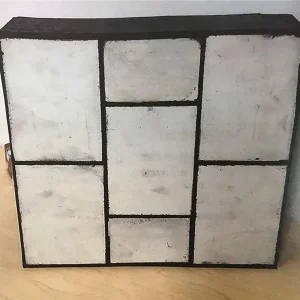
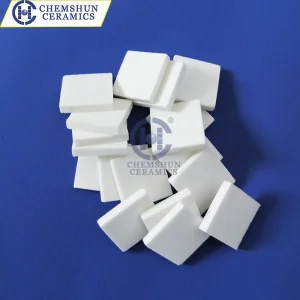
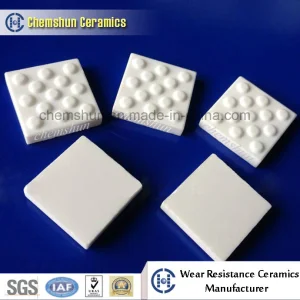
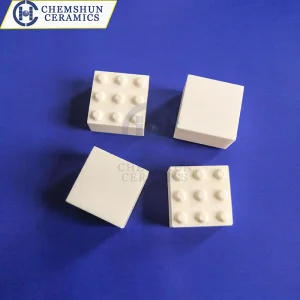
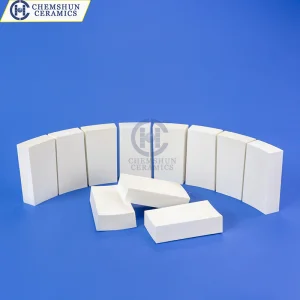
Rubber ceramic wear plates are manufactured by vulcanizing alumina ceramic tiles into a rubber or polyurethane base with a steel backing plate, offering superior protection for high-impact areas.
Technical Specifications
| Component | Property | Unit | Result |
|---|
| Alumina Ceramic | Alumina (Al2O3) | % | 92, 95 |
| Density | g/cm3 | 3.64 |
| Water Absorption | % | ≤0.01 |
| Hardness | Mohs | 9 |
| Rubber | Material | - | NR or SBR |
| Tensile Strength | MPa | 15 min. |
| Hardness | Shore A | 55±5 |
| Abrasion Loss | mm3 | ≤90 |
Applications & Selection
| Size (mm) | Ceramic Thk (mm) | Rubber Thk (mm) | Steel Thk (mm) | Total Thk (mm) |
|---|
| 300x300x36 | Φ21x21 | 9 | 6 | 36 |
| 300x300x50 | Φ31x31 | 13 | 6 | 50 |
| 250x250x36 | Φ21x21 | 9 | 6 | 36 |
| 250x250x18 | 17.5x17.5x8 | 5 | 6 | 19 |
Primary Application Areas:
Conveyor Chutes & Skirt Liners
Reflectors and Impact Plates
Bins and Hoppers
Stackers and Reclaimers
Frequently Asked Questions (FAQ)
Q1: What materials are used in the composite wear liner?
The liners are composed of high alumina ceramic tiles (92% or 95% Al2O3), natural or SBR rubber, and a steel backing plate.
Q2: Can the size of the ceramic wear liner be customized?
Yes, we provide both standard sizes and customized solutions based on your specific drawings and technical requirements.
Q3: How are the liners fixed to the equipment?
They can be fixed using steel plates with studs for bolting, or via a bonding layer for adhesive application.
Q4: What is the main benefit of combining rubber and ceramic?
The rubber absorbs the energy of impact, while the ceramic tiles provide extreme resistance against sliding abrasion, significantly extending equipment life.
Q5: What are the packaging and delivery standards?
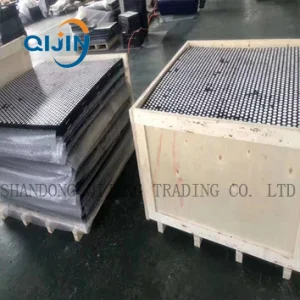
We use standard export plywood pallets (fumigation-free). A typical 20GP container holds approximately 20 to 24 pallets.
Q6: Are the products quality certified?
Yes, our production process and products are certified by ISO9001:2008 and SGS standards.
 Xingli Industrial Ceramics