Explore our cutting-edge composite linings, reaction-bonded carbide components, and automated production machinery.
Modern heavy industries—ranging from mineral extraction to chemical syntheses—operate under extreme physical stressors. The simultaneous action of mechanical abrasion, corrosive chemical environments, and thermal shock represents a multi-billion dollar maintenance burden globally. Standard alloy steels, even those subjected to surface hardening treatments like nitriding or carburizing, fail rapidly when exposed to high-velocity slurry transport or acidic impingements.
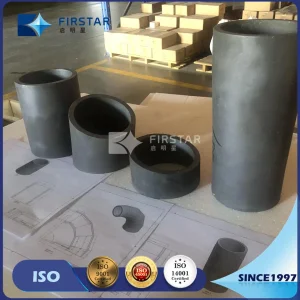
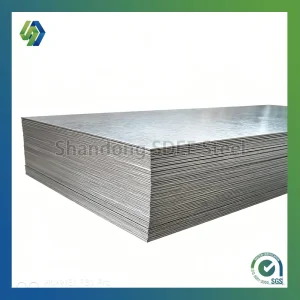
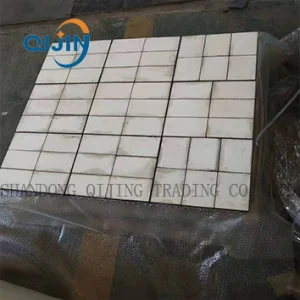
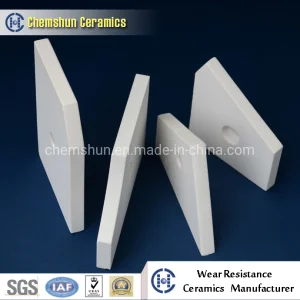
This is where Ceramic-Coated Steel Components emerge as the ultimate metallurgical and tribological solution. By physically bonding high-hardness technical ceramics (such as Alpha-Alumina $\alpha-Al_2O_3$, Zirconia-Toughened Alumina ZTA, or Reaction-Bonded Silicon Carbide RBsic) to high-tensile structural steel backings, engineers obtain a composite system that delivers the structural toughness of steel alongside the wear, thermal, and chemical immunity of structural ceramics.
Alumina and Silicon Carbide ceramic matrices exhibit Mohs hardness values exceeding 9. This surface barrier mitigates abrasive micro-cutting and erosive degradation caused by quartz sand, coal sludge, and hard rock slurries.
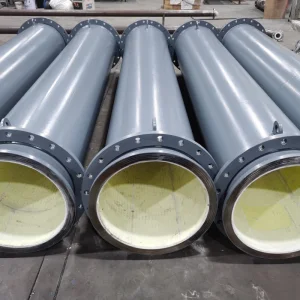
Unlike steels that oxidize and corrode in saline or low-pH environments, technical ceramics are highly stable oxides or nitrides that resist aggressive acid and alkaline media, prolonging pipe and valve lifetimes.
Ceramics are inherently brittle. Lamination or vulcanization to a steel framework or backing plate prevents catastrophic cracking and ensures the component withstands structural pressure and impact forces.
At the center of China’s high-tech industrial ceramic sector are pioneering factories specializing in the research, design, and manufacturing of advanced composite structures. Two leading names define the pinnacle of this field:
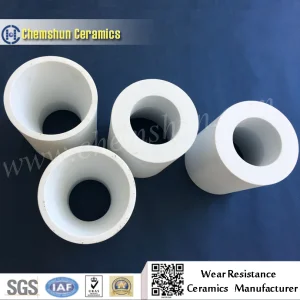
Zibo Xingli Industrial Ceramics Co., Ltd: An elite enterprise specializing in industrial alumina ceramic, zirconia ceramic, and carbon-silicon products. The company focuses extensively on providing high-end wear-resistant ceramic ball grinding media, alumina lining, ceramic liner, ceramic pipe, and inert alumina balls optimized for catalyst support.
Hunan Yibeino New Materials Co., Ltd.: Certified with the international ISO9001:2015 quality system standard, Yibeino has established a globally recognized, fully integrated design-to-installation production line. Their strict quality control governs raw material formulation, compound blending, firing management, and precise post-sintering dimensions control to ensure stable product performance under the most challenging industrial applications.
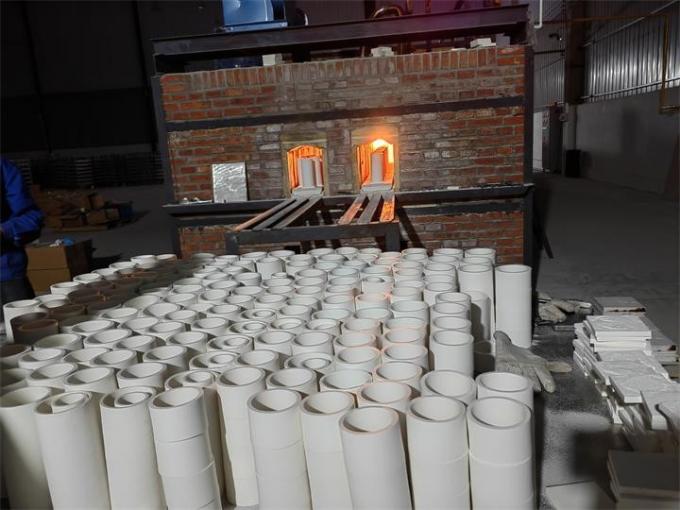
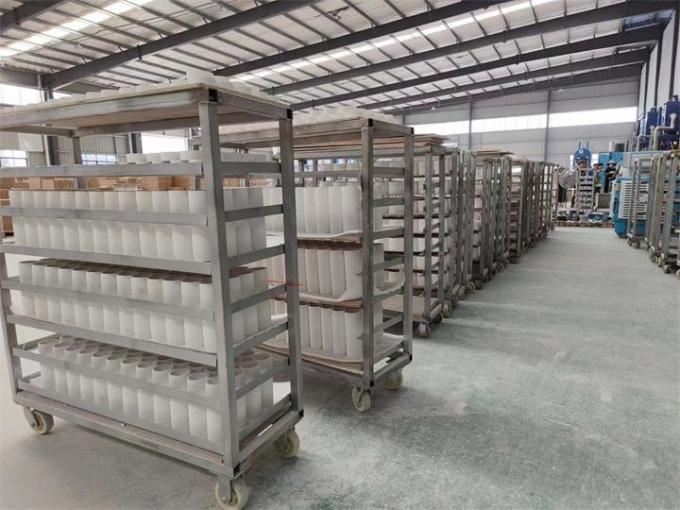
Sourcing your wear-resistant ceramic-coated steel systems from Chinese manufacturers offers distinct strategic advantages rooted in regional specialization, deep engineering capacity, and cost-to-performance efficiency.
Shandong (Zibo) and Hunan provinces are globally recognized hubs for technical ceramics. The close geographic proximity of high-purity alumina calcining facilities, silicon carbide synthesis plants, and advanced precision steel fabrication shops allows Zibo Xingli and Hunan Yibeino to control processing parameters from raw mineral feed stocks down to final composite assembly. This translates to lower lead times and unparalleled product uniformity.
Chinese manufacturers are not merely reproducing standard geometries; they are defining advanced system designs. Key proprietary patents held by our manufacturing partners include:
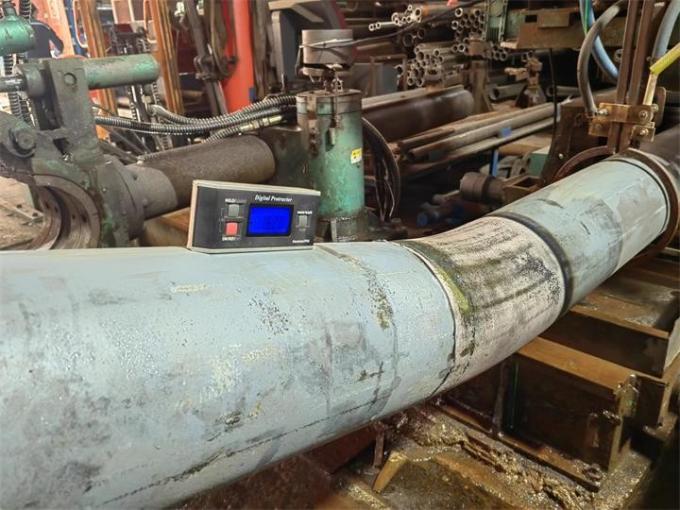
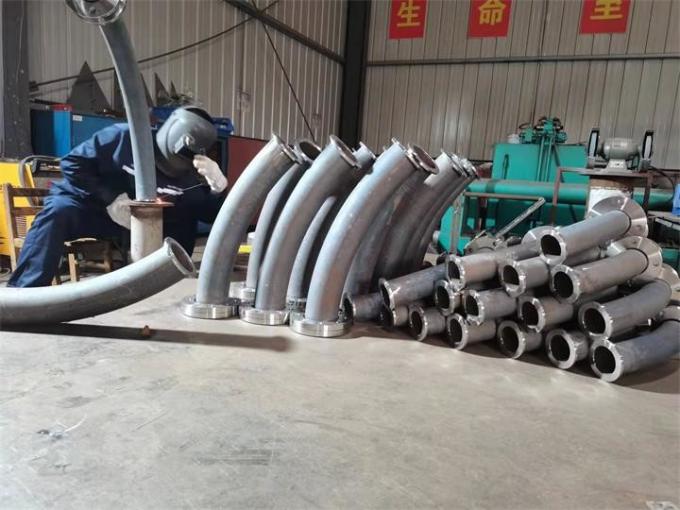
Every industrial wear problem is unique. Rather than supplying generic tile panels, Chinese engineering teams run computational fluid dynamics (CFD) models to analyze velocity profiles, impingement angles, and shear zones. They provide custom-engineered 3D drawings of ceramic-lined cyclones, custom-curved elbow pipes, and three-in-one steel-backed rubber ceramic composite plates tailored to your mechanical envelope.
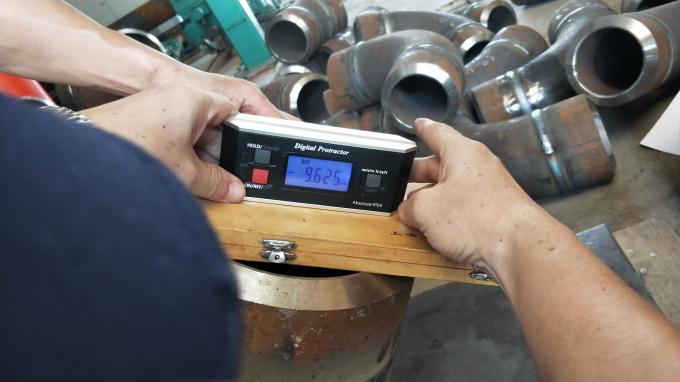
With product lines covered under both ISO 9001 quality system certification and ISO 14000 environmental management standards, these products pass rigorous non-destructive evaluation (NDE), dye penetrant checks, bonding strength verification, and dimensional accuracy trials prior to sea transport.
Selecting the appropriate technical ceramic coating for a steel backing is dependent on target operating temperature, impact forces, chemical compositions, and grain size. Use the table below as an engineering baseline:
| Material Type | Composition | Hardness (HV) | Max Temp (°C) | Key Strengths & Industrial Applications |
|---|---|---|---|---|
| Alumina Ceramics | 92% - 99% $Al_2O_3$ | 1100 - 1500 | 1400 | High wear stability, excellent cost-efficiency. Ideal for slurry pipelines, ash hoppers, and chute linings. |
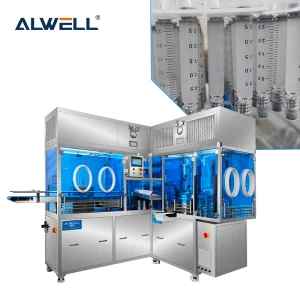
| Zirconia Ceramic | $ZrO_2$ (Yttria-Stabilized) | 1200 - 1300 | 1000 | Outstanding fracture toughness. Perfect for valve stems, high-pressure syringe cylinders, and fine chemical nozzles. |
| Reaction-Bonded SiC | RBsic ($SiC + Si$) | 2000 - 2400 | 1380 | Superb thermal shock resistance, extreme hardness. Optimized for hydrocyclones, heavy calcination kilns, and large spray nozzles. |
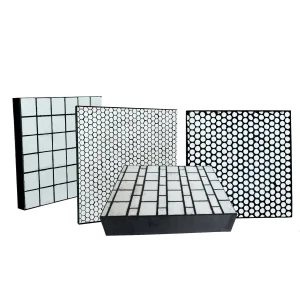
| Composite Rubber-Ceramic | Alumina tiles + Natural Rubber | N/A (elastic absorption) | 80 | Combines ceramic hardness with rubber cushioning. Built for handling large-grain rocks, ore drops, and high-impact channelling. |
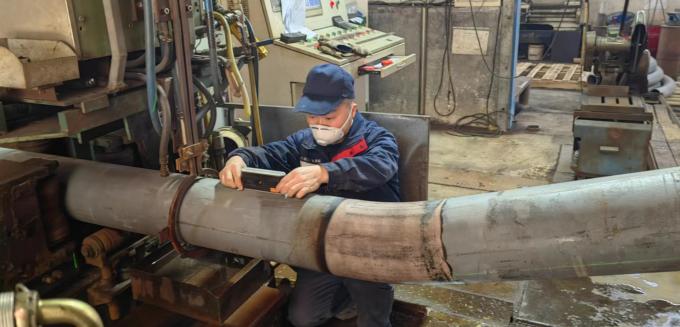
We approach wear prevention not as a simple hardware trade, but as a long-term engineering partnership. Our operations are divided into three customer-centric modules:
Our experienced application managers perform on-site audits (where applicable) or analyze piping schematics and medium data (flow velocity, grain size, chemical makeup) to design optimal anti-wear patterns, offering multiple economic tiers for customer evaluation.
Once system parameters are established, our CAD design team produces complete layout drafts. Manufacturing commences only after the client approves the exact tolerance configurations, ensuring trouble-free installation during maintenance shutdowns.
For operations inside China, field engineers arrive on-site within 48 hours to assist with installation, retrofitting, or emergency wear repair. For our international export clients, we provide real-time video diagnostics, comprehensive step-by-step assembly guides, and detailed wear telemetry analysis tools.
Ceramic-coated steel components are critical across multiple industrial fields. Below are the key scenarios where these advanced composite systems are deployed:
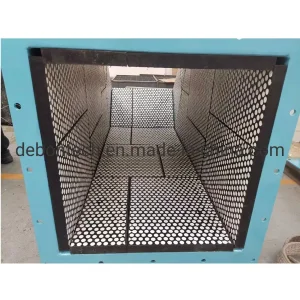
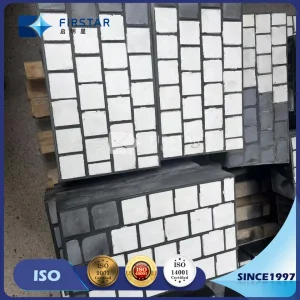
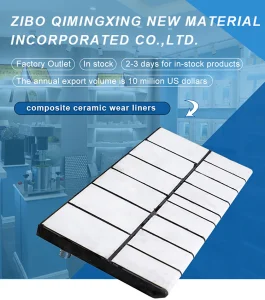
Pulp and tailings conveying lines, cyclones, and separation screens face constant abrasion. Lined hydrocyclones and steel-backed rubber ceramic wear liners absorb impact and extend components' lifespans by up to 10 times.
Pulverized coal injection lines, burner nozzles, and electrostatic precipitator ash systems suffer severe high-velocity erosion. Our custom ceramic-lined steel elbows prevent tube blowout accidents and minimize downtime.
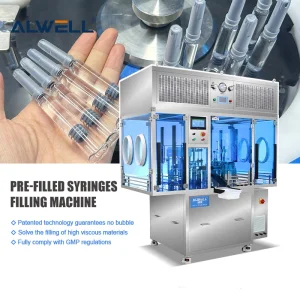
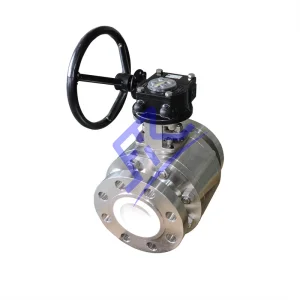
Piping systems transporting acidic media, or aseptic filling machines handling viscous medical compounds (e.g., hyaluronic acid), require zero contamination and maximum corrosion protection. High-purity alumina valves and zirconia syringes fulfill these demanding standards.
Every step of the production process is executed in strict compliance with quality guidelines. From ultrasonic grain boundary inspection to high-temperature firing logs and alignment check jigs, our factories guarantee absolute structural reliability.
To further demonstrate our compliance, we maintain documentation profiles for international shipping and customs clearing, facilitating simple, rapid importation into markets across Europe, North America, and South-East Asia.
Browse our selection of abrasion-resistant pipes, composite lining plates, and premium high-performance liners.
 Xingli Industrial Ceramics