📊 Basic Information
Nominal Pressure
Pn10-Class150
Structure
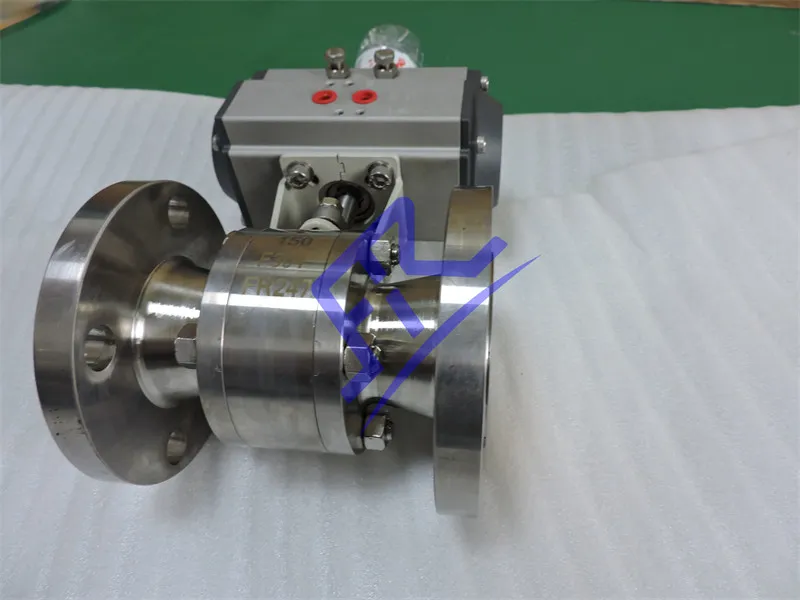
Floating Ball Valve
Temperature
High Temperature
🛠️ General Description
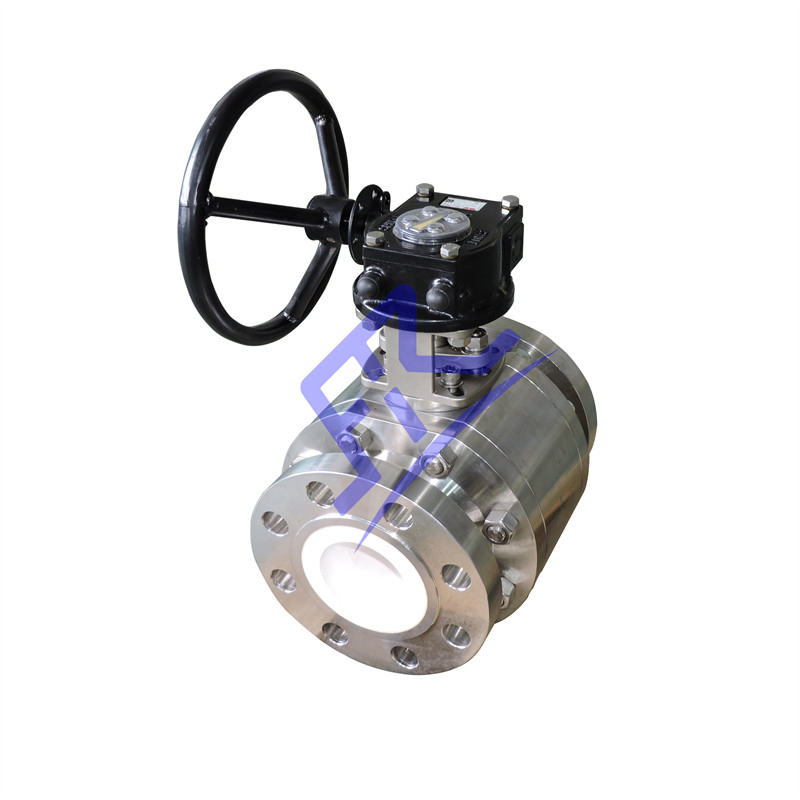
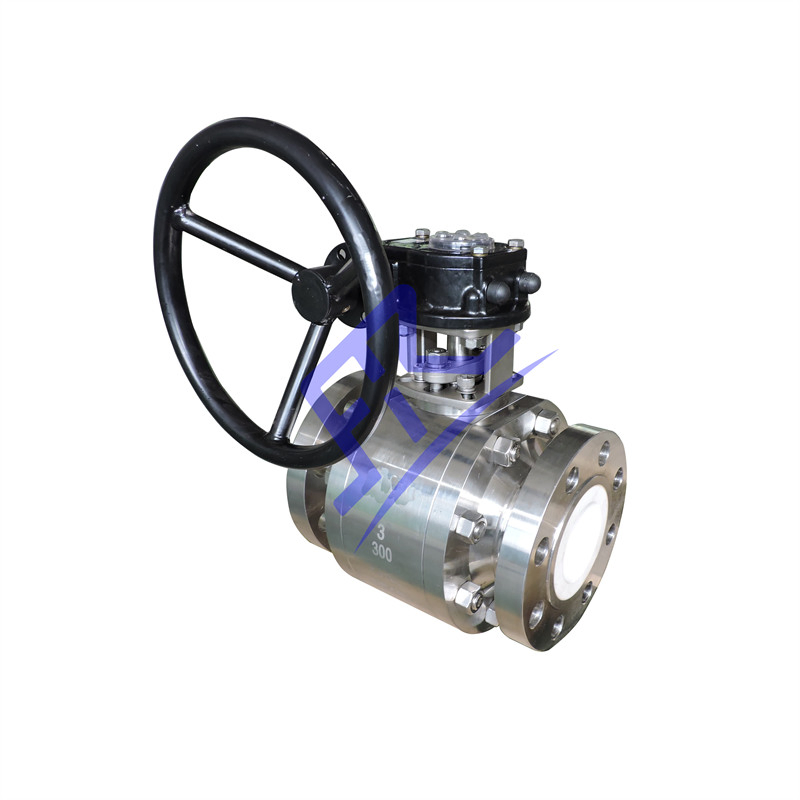
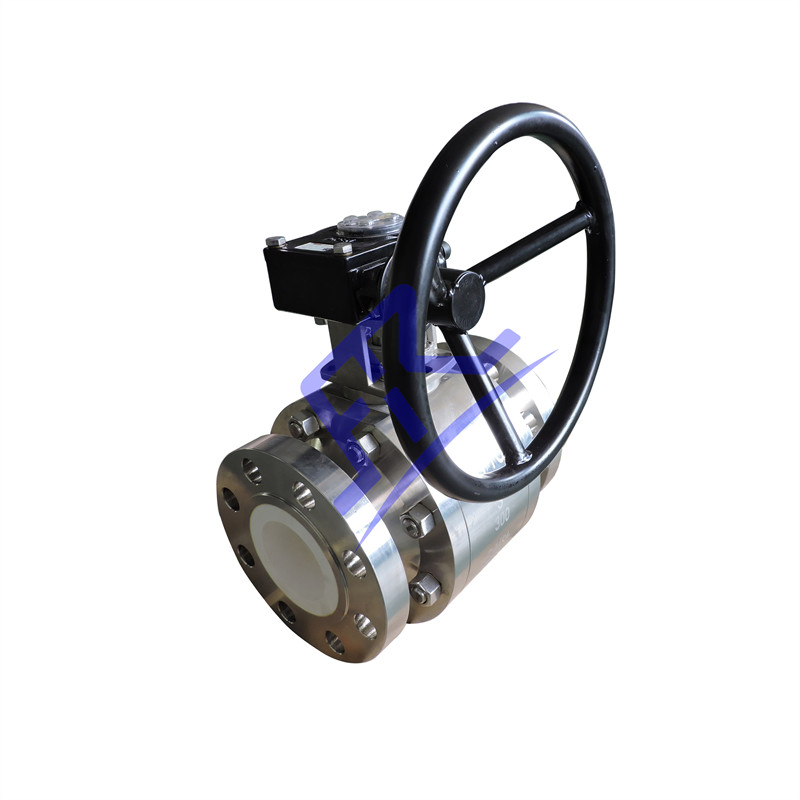
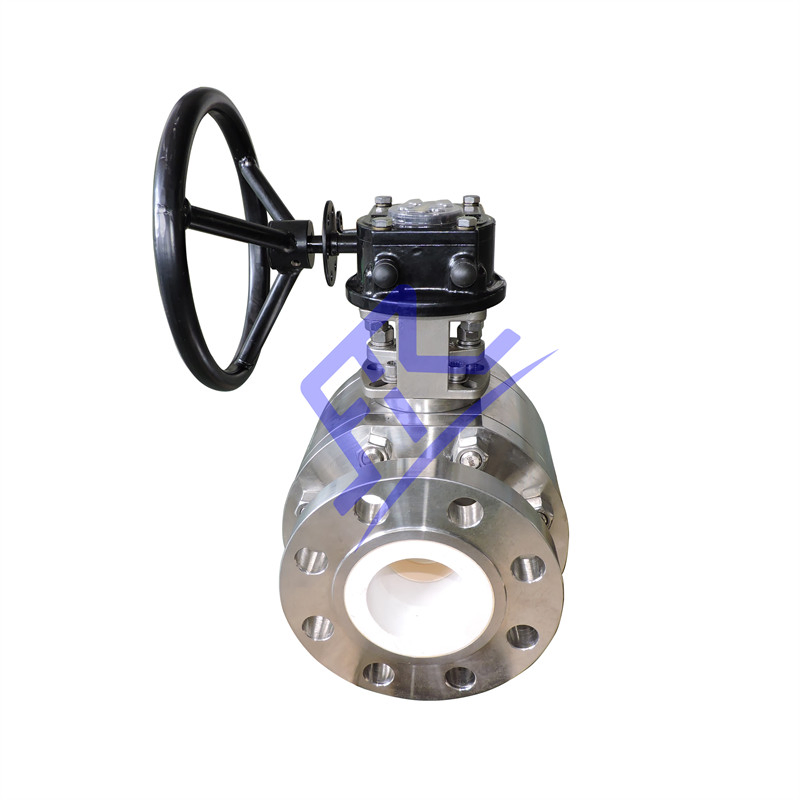
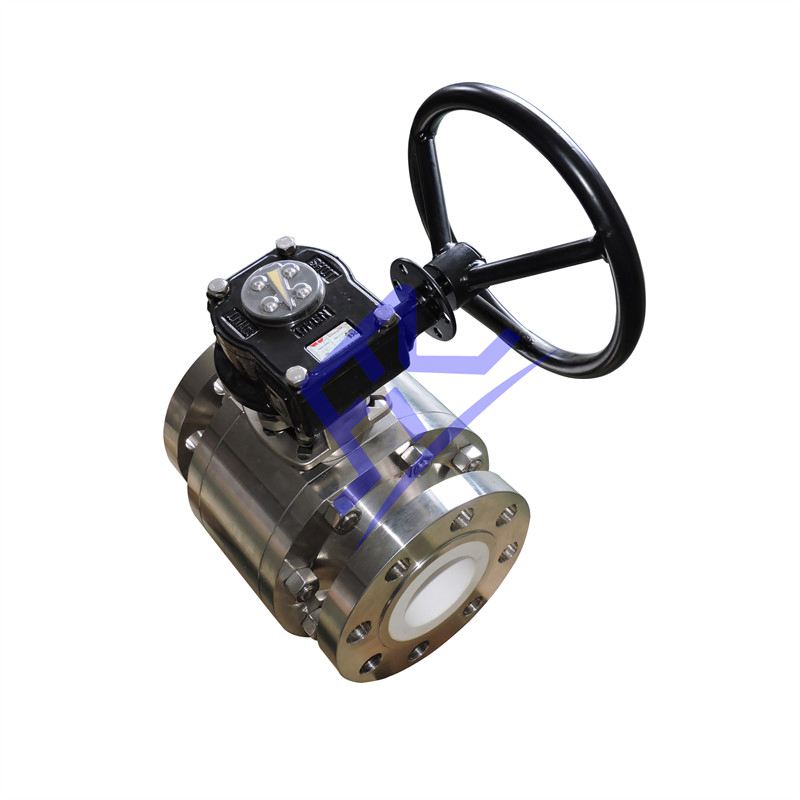
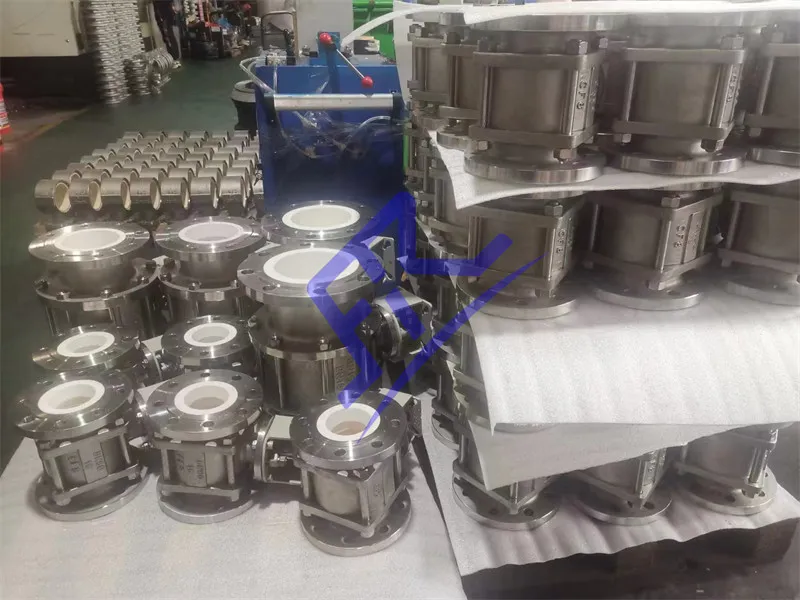
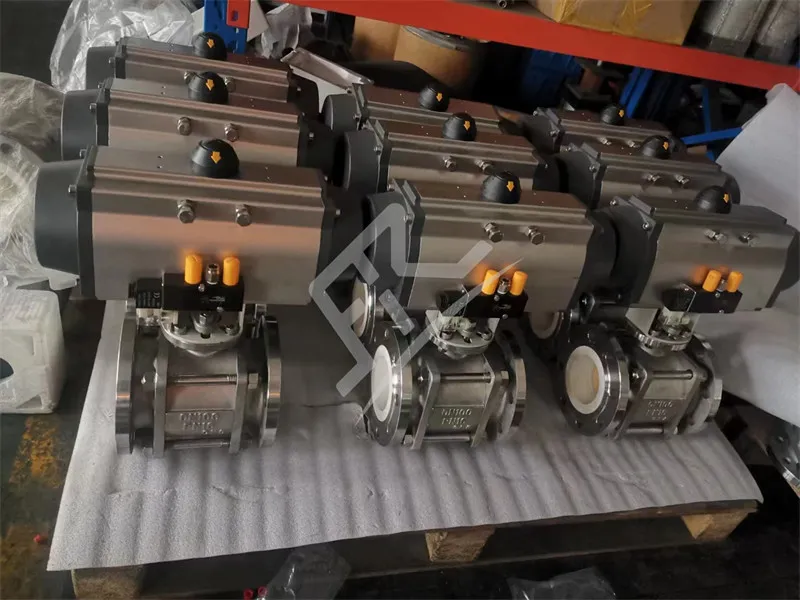
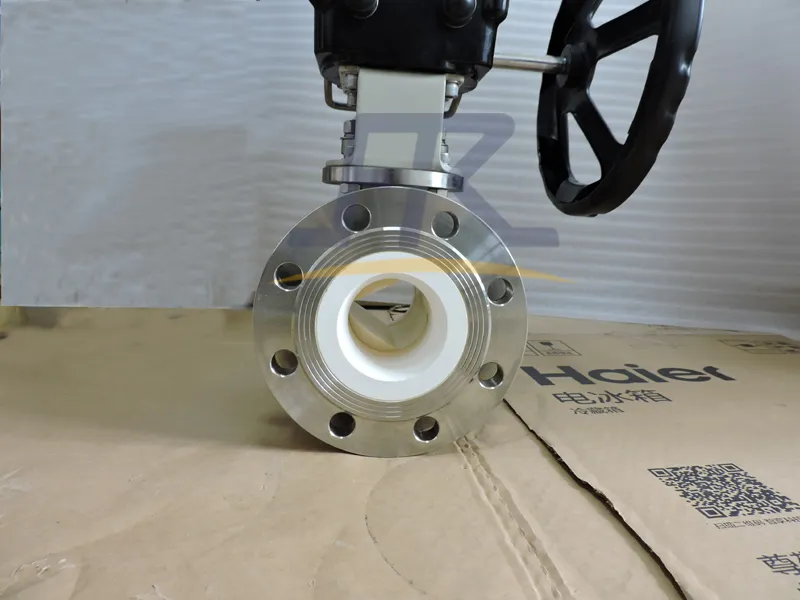
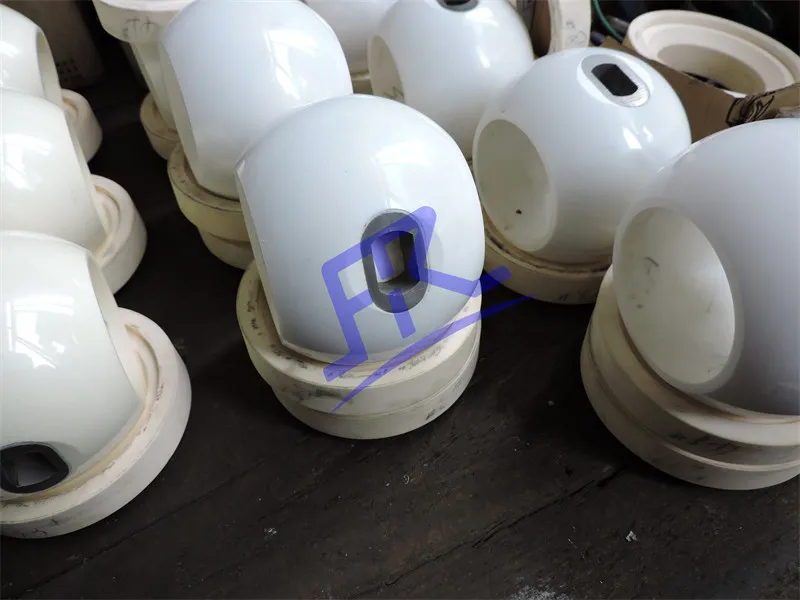
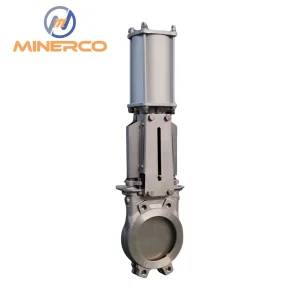
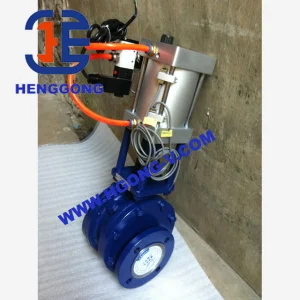
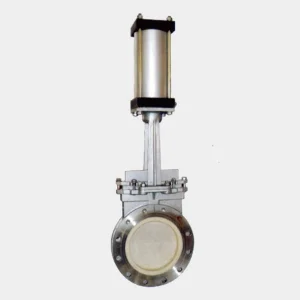
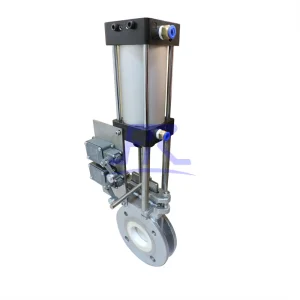
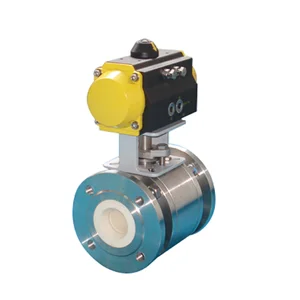
Stainless steel Manual Ceramic Lined Composite Ball Valves are designed with engineering zirconium ceramics. The internal ceramic parts provide excellent wear resistance. These valves are widely used for open/close functions and throttling control in corrosive media with abrasive solids content.
🌟 Key Features
- Material hardness higher than HRC80 for superior durability.
- Equal percentage flow regulation characteristics even at small openings.
- Accurate and flexible flow adjustment with a large adjustable range and simple maintenance.
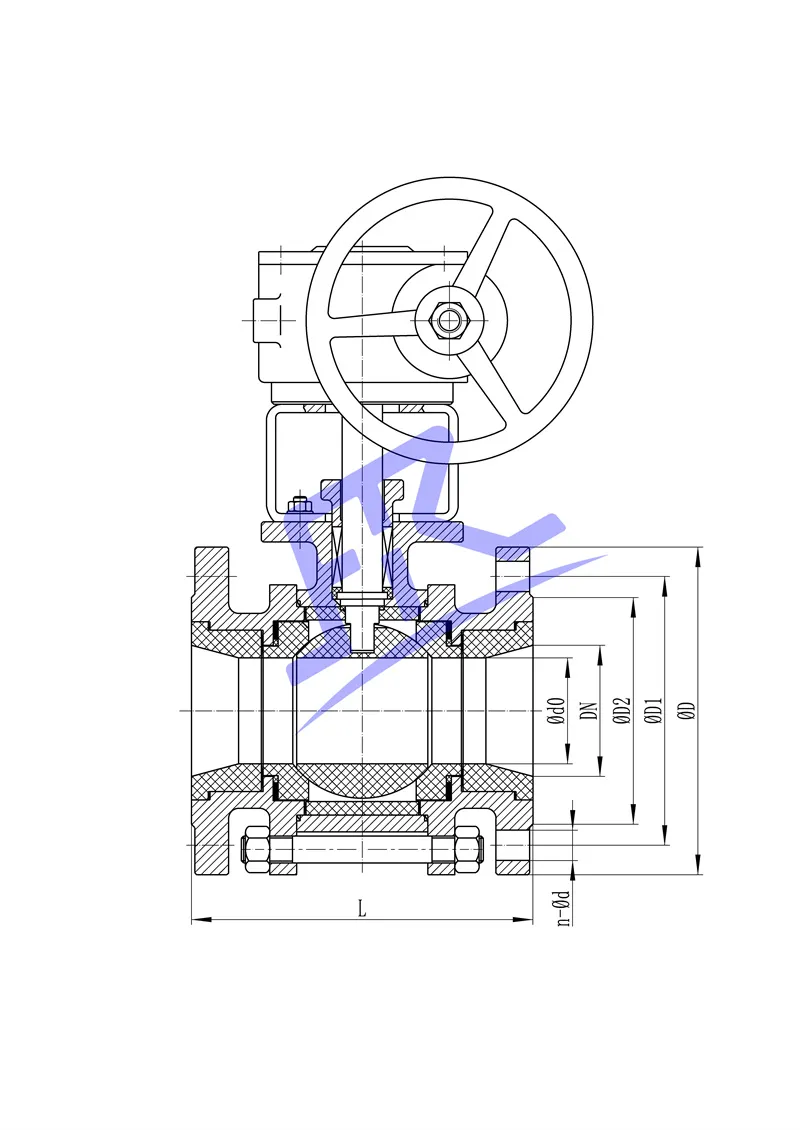
- Straight-through design ensures no flow blocking elements in the valve cavity.
- ZrO2 ceramic ball features excellent self-cleaning properties.
⚙️ Technical Specifications
| Flange Standards | ASME B16.5, GB/T9113 |
| Nominal Pressure | 1.0MPa, Class150 |
| Size Range | DN50~DN 200, NPS2 ~NPS8 |
| Working Temperature | ≤200ºC |
| Sealing Material | Engineering Ceramic |
| Pressure Test | GB/T13927, API598 |
🚀 Industrial Applications
These valves are suitable for handling: Silicon Powder, Alumina Powder, Dry Coal Powder, Limestone Slurry, Gypsum Slurry, Plaster, Fly Ash, Mining Ore, Coal Powder Injection, Metallurgical dust, and Thermal Power plant FGD equipment.
❓ Frequently Asked Questions
Q1: What makes ceramic lined ball valves better for corrosive media?
A: The engineering zirconium ceramics used in the internal parts provide exceptional wear and corrosion resistance, significantly outperforming standard metal valves in abrasive environments.
Q2: Can these valves be used for flow regulation?
A: Yes, they feature approximate equal percentage flow regulation characteristics, allowing for accurate and flexible adjustment even at small openings.
Q3: What is the maximum working temperature?
A: These ceramic lined valves are designed to operate effectively at temperatures up to ≤200ºC.
Q4: What standards do the flange connections follow?
A: Standard connections follow ASME B16.5 and GB/T9113, but they can be customized to JIS B2220 based on requirements.
Q5: Is maintenance difficult for these valves?
A: No, the straight-through design and self-cleaning properties of the ZrO2 ceramic ball minimize clogging and simplify the maintenance process.
Q6: What is the hardness of the ceramic material?
A: The engineering ceramic material used can reach a hardness level higher than HRC80, providing extreme protection against abrasive solids.
 Xingli Industrial Ceramics