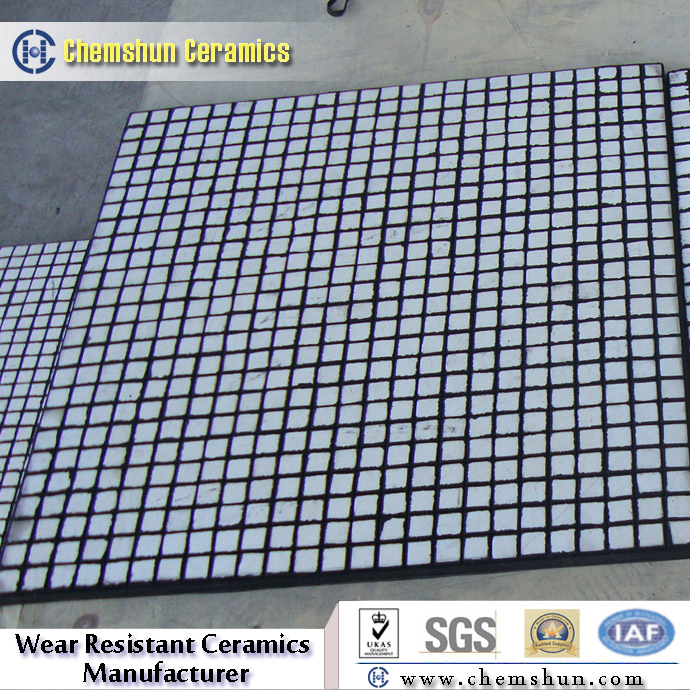
Customized Ceramic Rubber Composite Wear Liner Plate for Conveyor Chute
Still deciding? Get samples of $ !
Request Sample

Product Description

Basic Info

Model NO.ceramic rubber plate
FeatureWear-resistant, Impact-resistant, Heat-resistant
Raw MaterialsAlumina Ceramics
PerformanceWear Resistance
ColorBlack Rubber Sheet
Size300*300mm 500*500mm
Alumina Content92% Al2O3, 95% Al2O3, ZTA
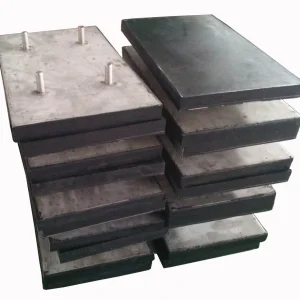
StructureCeramics+Rubber+Steel

Product Description

Customized Ceramic Rubber Composite Wear Liner Plate for Conveyor Chute

Ceramic Rubber Plate

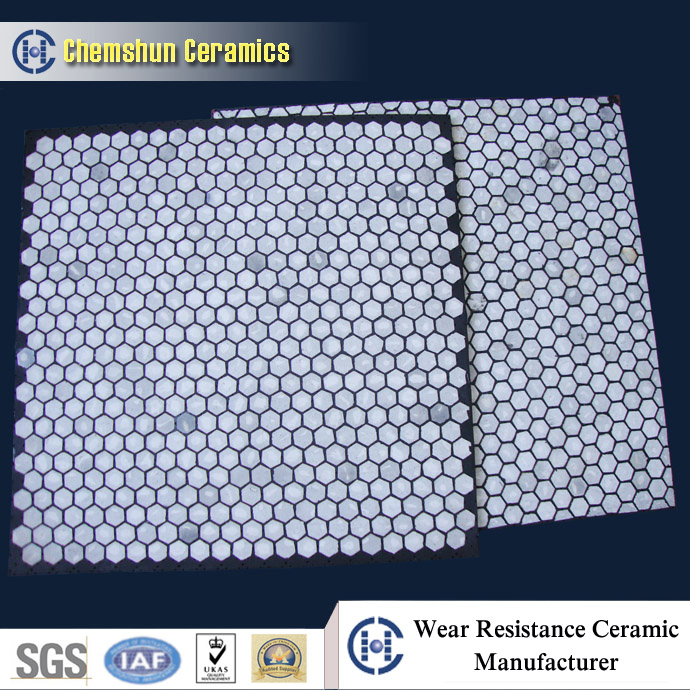
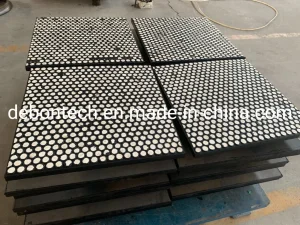
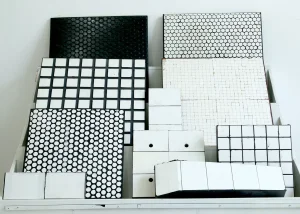
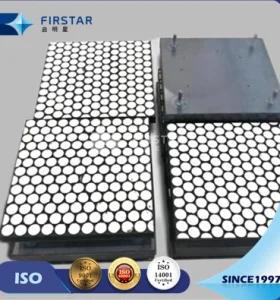
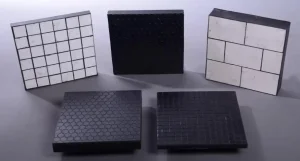
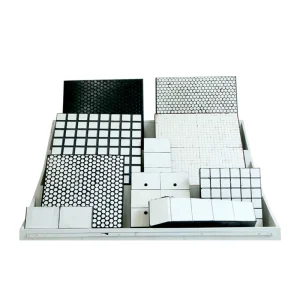
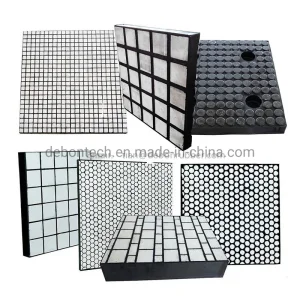
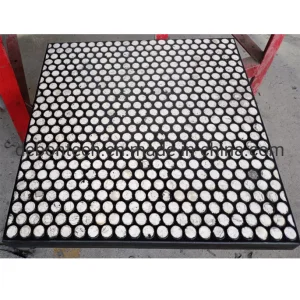
Ceramic Rubber compound lining plate is compounded by high alumina ceramics and excellent natural rubber through special process. The excellent damping performance of natural rubber greatly lowers the noise generated in the transportation, which fully settled a series of issues such as impact, abrasion and noise.

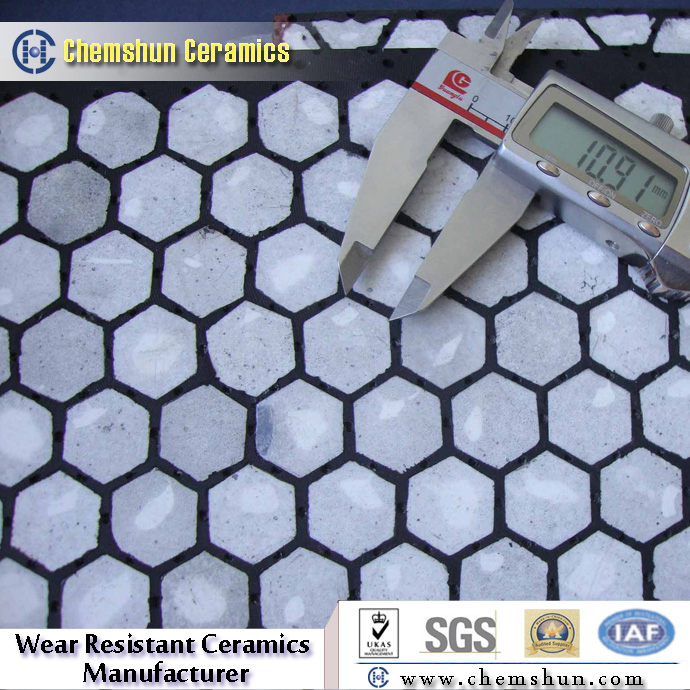
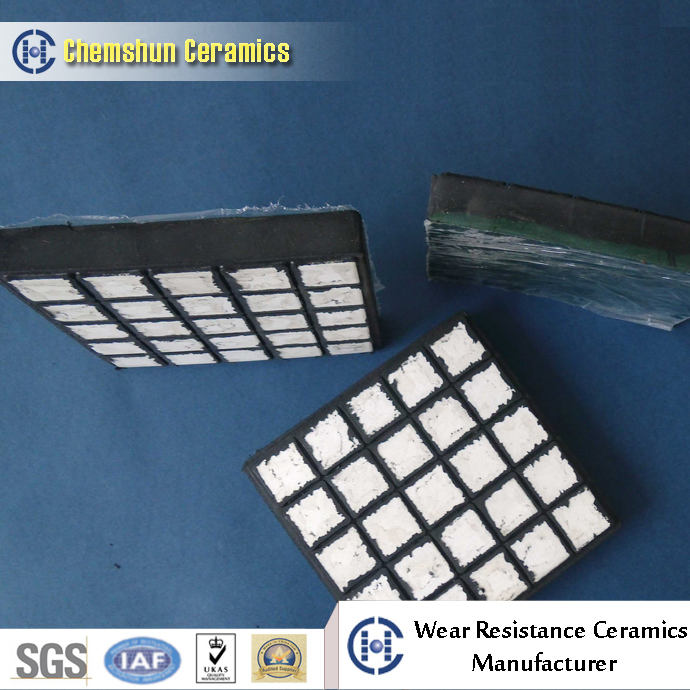
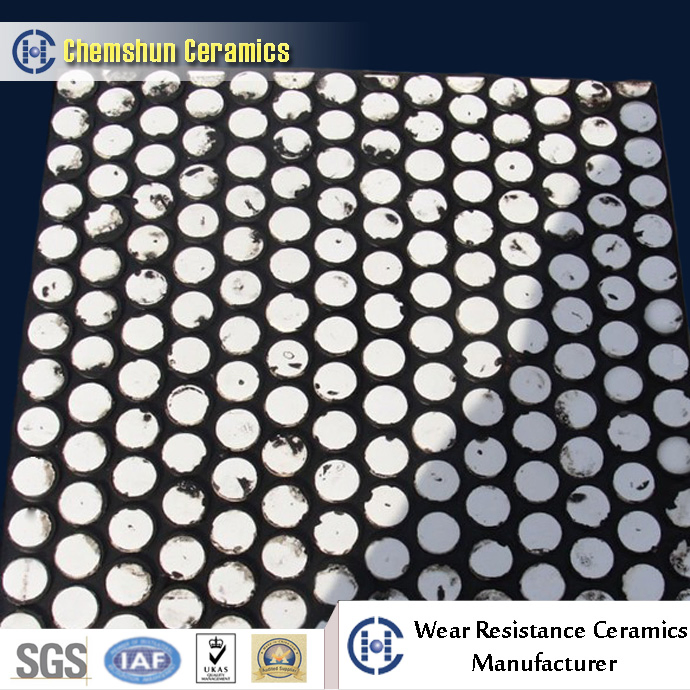
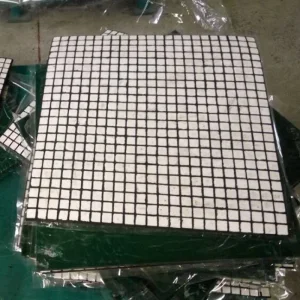
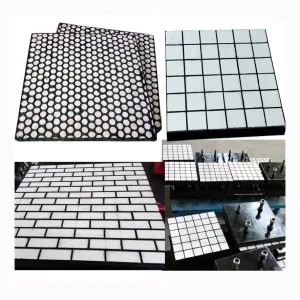
Wear Resistant Rubber Ceramic Panels is new generation composite panels, a combination of wear resistant alumina ceramic cylinders/ceramic tiles vulcanized in resilient rubber base. The alumina ceramic surface provides exceptional resistance to wear, while the elastic property of the rubber effectively dampens the impact forces.

Key Features

  • Wear and Impact resistance
  • Easy installation and low maintenance
  • Corrosion and chemical resistance
  • Light weight and superior abrasion
  • Good fluidity for free flow of material

Technical Dimensions

TYPE SIZE (mm) CERAMIC TYPE CERAMIC (mm) RUBBER (mm)
WEAR LINER 300 x 300 x 25 Cylinder/Hexagonal 13 6
WEAR LINER 300 x 300 x 37 Cylinder/Hexagonal 25 6
WEAR LINER 510 x 510 x 30 Cylinder/Hexagonal 20 5

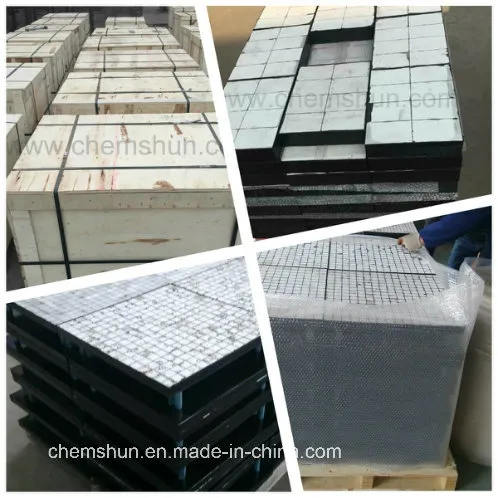
Product Gallery

Frequently Asked Questions

Q1: What materials are used in the ceramic rubber composite plates? A: The plates are composed of high alumina ceramics (92%, 95%, or ZTA) vulcanized into a resilient natural rubber base, often with a steel backing plate.
Q2: What are the primary benefits of using these liners? A: They provide exceptional wear resistance from the ceramics and impact damping from the rubber, reducing noise and protecting equipment from vibration.
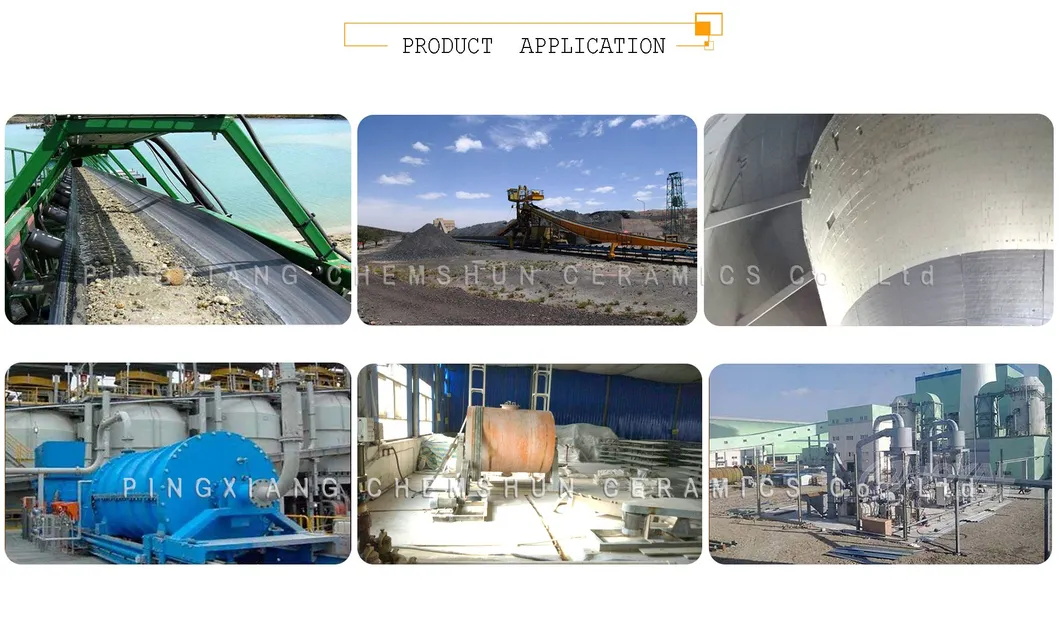
Q3: In which industries are these products most commonly applied? A: They are widely used in cement, steel, mining, thermal power generation, ports, and chemical industries for material handling systems.
Q4: Can the size and shape of the plates be customized? A: Yes, we offer design services according to customer drawings for various shapes including ceramic plates, hexagonal tiles, and cylinders.
Q5: What is the temperature range for these composite liners? A: The standard working temperature range for the adhesive and rubber components is typically between -20°C and 100°C.

Related Products