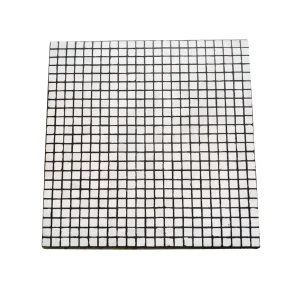
Engineered for high-impact and extreme sliding abrasion environments across Caribbean bulk handling operations.
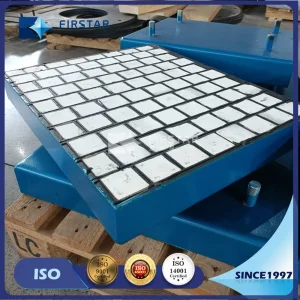
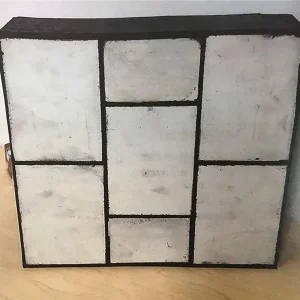
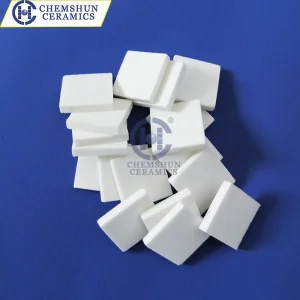
Optimizing equipment lifetimes under severe operating conditions in Point Lisas, Claxton Bay, and Galeota.
Trinidad and Tobago stands as a key industrial hub in the Caribbean, driven by intensive operations in petrochemical production, cement manufacturing, steel processing, and port logistics. Heavy-duty facilities such as those in the Point Lisas Industrial Estate and cement production plants in Claxton Bay handle massive quantities of raw materials daily. These processes subject machinery to severe slide abrasion, high-velocity material impacts, and environmental humidity that accelerates corrosive wear.
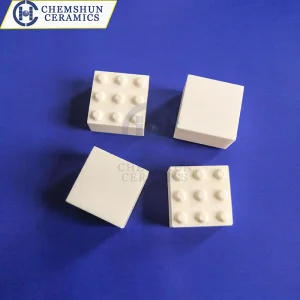
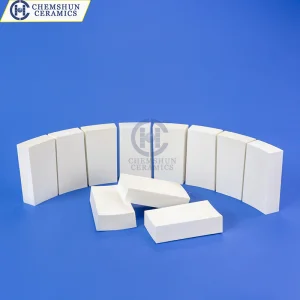
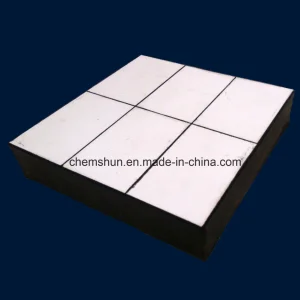
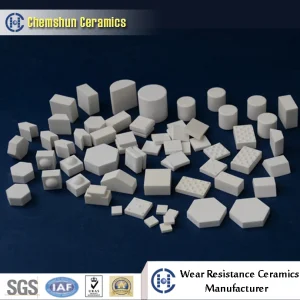
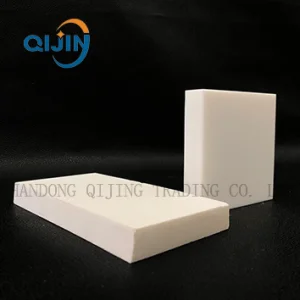
In the quarrying and mining sectors of central Trinidad, materials like silica sand, gravel, and limestone wear down traditional steel chutes and hoppers rapidly. Operating equipment without high-performance lining systems results in frequent maintenance shutdowns, lost production capacity, and high operational costs. Our custom-engineered Steel-Backed Alumina Ceramic Tiles solve these issues by combining the extreme hardness of alumina (Al₂O₃) with the shock-absorbing properties of structural rubber and the installation flexibility of steel backings.
Traditional carbon steel and even hardened alloy plates (like manganese steel or Hardox) often fall short under the combined forces of chemical corrosion and mechanical impact. In Trinidad’s tropical marine environment, high humidity and ambient salt levels cause corrosion underneath standard metal liners. This accelerates wear and leads to premature structural failure. Our steel-backed ceramic solutions seal the substrate against corrosive materials, offering comprehensive protection.
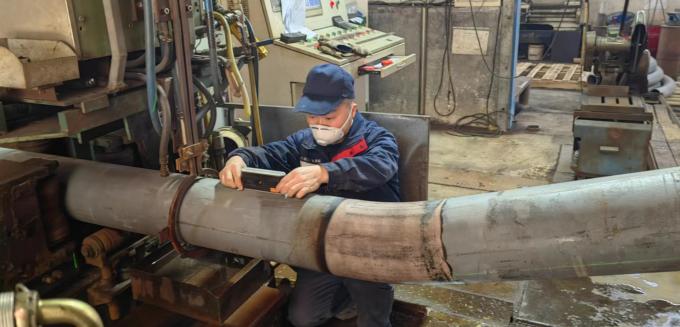
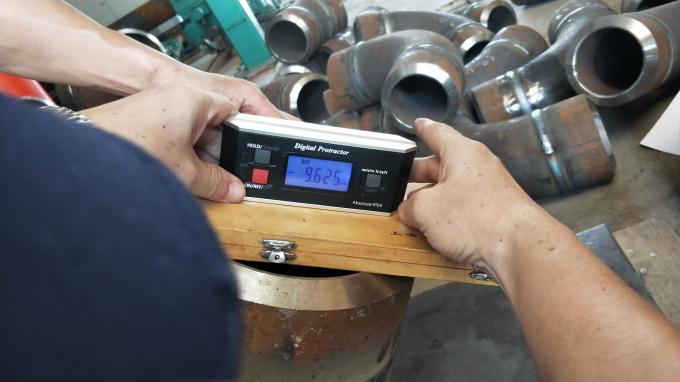
Uncompromising quality control standards validating wear performance and impact absorption.
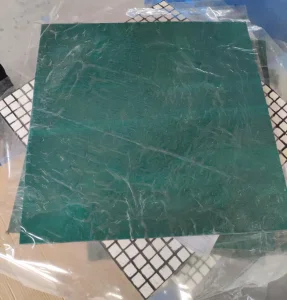
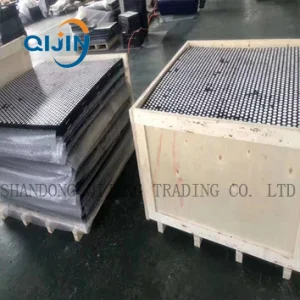
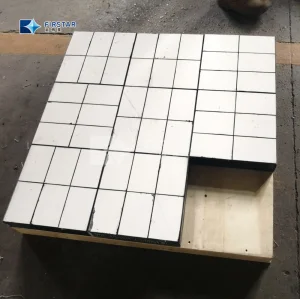
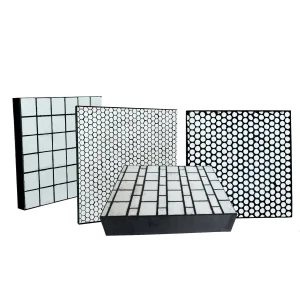
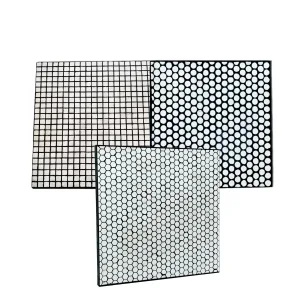
Steel-backed ceramic liners are composite materials that bring together three distinct layers to create a highly durable protective barrier. The wear-resistant surface consists of high-purity alumina (Al₂O₃) tiles, which are hot-vulcanized into a shock-absorbing natural rubber matrix. This rubber bed is simultaneously bonded to a structural steel backing plate equipped with threaded studs or countersunk holes for mechanical attachment.
| Physical Property | Alumina Ceramic (92%) | Alumina Ceramic (95%) | ZTA (Zirconia Toughened Alumina) |
|---|---|---|---|
| Al₂O₃ Content (%) | ≥ 92% | ≥ 95% | 74% - 80% (Rest ZrO₂) |
| Bulk Density (g/cm³) | ≥ 3.62 | ≥ 3.68 | ≥ 4.10 |
| Vickers Hardness (Hv) | ≥ 1050 | ≥ 1150 | ≥ 1400 |
| Flexural Strength (MPa) | ≥ 280 | ≥ 300 | ≥ 450 |
| Fracture Toughness (MPa·m¹/²) | 3.8 - 4.2 | 4.2 - 4.8 | 6.0 - 7.5 |
The core advantage of this composite structure lies in the synergetic interaction between its component materials:
Leveraging scale, rigorous quality controls, and advanced materials engineering for Trinidad & Tobago imports.
Our combined manufacturing capacity brings together the specialized capabilities of two leading Chinese industrial ceramic enterprises: Zibo Xingli Industrial Ceramics Co., Ltd. and Hunan Yibeino New Materials Co., Ltd. These facilities produce high-purity wear protection liners and custom-engineered industrial ceramics for heavy industries worldwide.
About Zibo Xingli Industrial Ceramics Co., Ltd: It is an enterprise specializing in the production of industrial alumina ceramic, zirconia ceramic, and carbon-silicon products, focusing on providing wear-resistant ceramic ball grinding media, alumina lining, ceramic liner, ceramic pipe, and inert alumina balls for catalyst support.
About Hunan Yibeino New Materials Co., Ltd: Hunan Yibeino has passed the ISO9001:2015 quality system certification. The company has a strict quality control system. Product design, manufacturing, and installation services are fully integrated into the ISO quality management system. From raw material purchase and ingredients, all aspects from production process management to factory inspection and control ensure stable product performance and excellent quality.
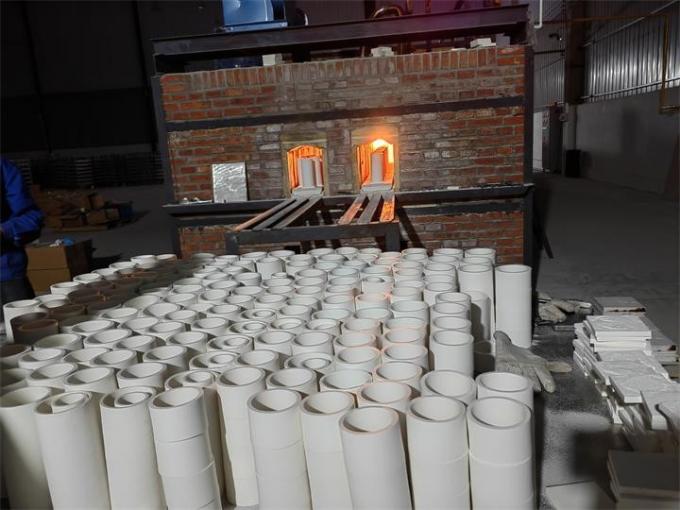
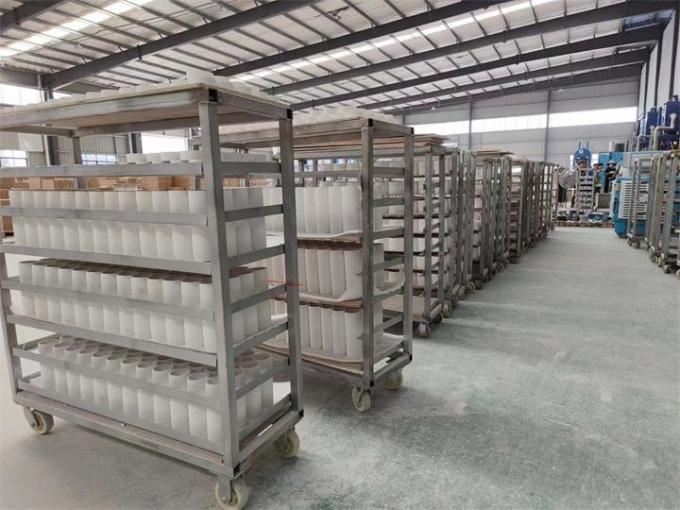
We supply heavy industry clients across key global markets, including the United States, Germany, Sweden, India, Turkey, the Netherlands, Italy, Spain, Japan, South Korea, Russia, and Vietnam. Our logistics network enables direct container shipping from Chinese ports to key ports in Trinidad, including the Port of Port of Spain and the Port of Point Lisas, ensuring prompt delivery for major maintenance turnarounds.
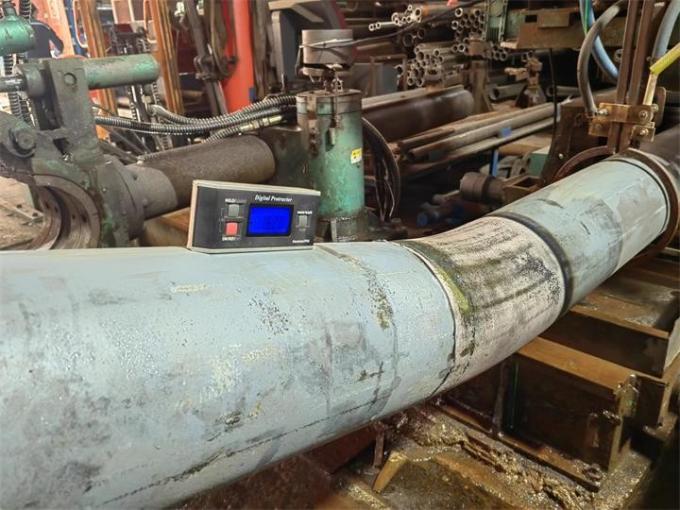
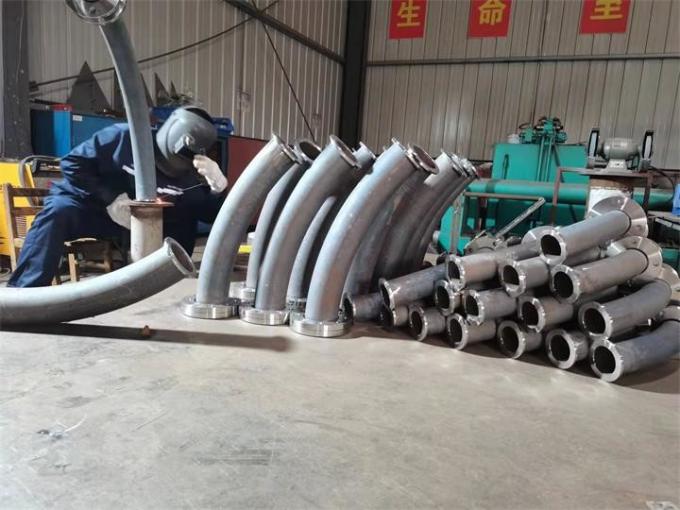
Where our wear liners are installed to prevent equipment wear and reduce maintenance downtime.
At Claxton Bay cement plants, abrasive clinker causes high sliding wear in transfer chutes. Installing our steel-backed 92% alumina tiles extends chute service life from months to years.
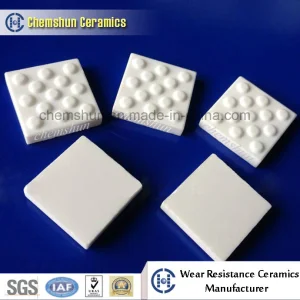
Bulk ports handling coal, iron ore, and minerals use our dimpled ceramic pulley lagging tiles to prevent belt slippage and protect pulley drums from wear.
Quarrying operations in Northern and Central Trinidad experience high impact from falling aggregates. Rubber-ceramic wear plates absorb these impacts, preventing cracks in the structural steel hoppers.
Explore our complete inventory of industrial ceramic lining products, wear plates, and custom solutions.
Technical answers to common engineering questions regarding steel-backed ceramic wear liners.
92% alumina tiles offer cost-effective wear resistance suitable for most sliding abrasion applications, such as sand or fine aggregate chutes. 95% alumina tiles provide higher hardness and are recommended for extreme wear environments, such as high-speed clinker chutes in cement plants, where the material must resist aggressive micro-cutting action.
Because the tiles are vulcanized into a natural rubber matrix, the standard operating temperature should not exceed 100°C (212°F). For higher-temperature environments (up to 200°C or 250°C), we utilize specialized synthetic rubber formulas. For applications exceeding 250°C, direct-bond ceramic tiles or mechanical mounting systems without rubber backing are recommended.
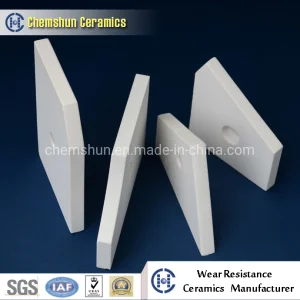
They are typically secured using one of two methods: either welded directly to the casing via countersunk holes that are subsequently plugged with ceramic caps, or fastened using threaded studs welded to the back of the steel plate that bolt through the chute wall.
Yes, our design team can fabricate liners to fit specific geometries based on your CAD drawings. This includes curved sections, pipe bends, square-to-round transitions, and hoppers. Working from drawings ensures the panels fit cleanly during installation without requiring field modifications.
Get in touch with our engineering team to request technical datasheets, samples, or custom quotes tailored to your operation in Trinidad and Tobago.
 Xingli Industrial Ceramics