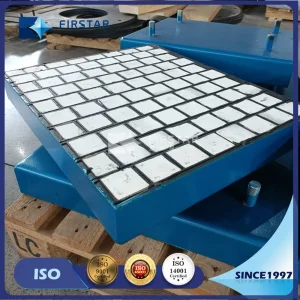
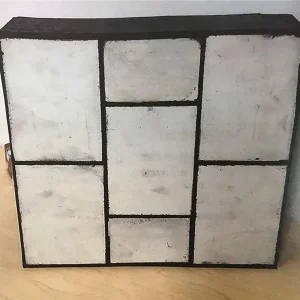
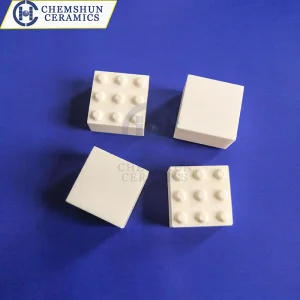
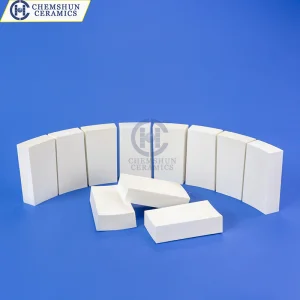
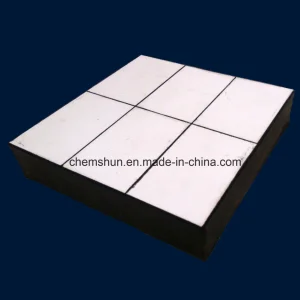
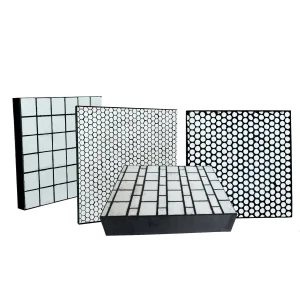
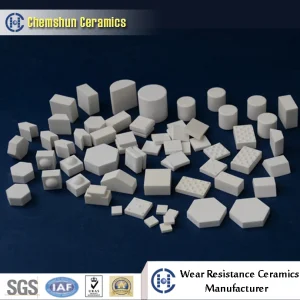
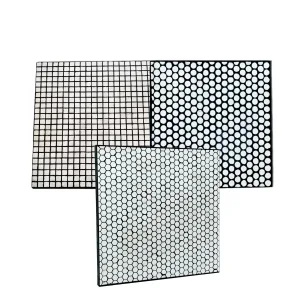
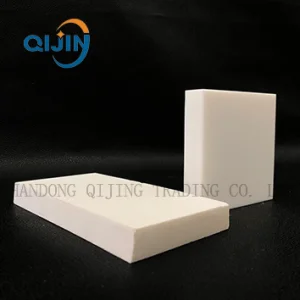
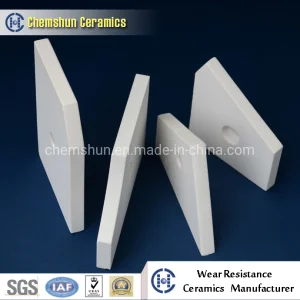
Precision-molded 92% & 95% Alumina tiles combined with steel backings and elastomer buffers for severe impact and sliding wear environments.
The District of Coimbra, positioned strategically within the Centro region of Portugal along the vital Lisbon-Porto industrial corridor, represents a core hub for heavy process manufacturing, cement production, pulp and paper processing, biomass energy generation, and aggregate quarrying. Plant engineers and maintenance leaders across facilities along the Mondego River valley and nearby industrial zones face continuous mechanical degradation caused by extreme sliding friction, high-velocity bulk material transfer, thermal flux, and heavy particle impact. Under these severe operating regimes, conventional structural steel, hardened AR400/AR500 wear plates, and standard polyurethane liners fail prematurely, resulting in unplanned system outages, catastrophic chute burn-through, and escalating maintenance overheads.
As a global OEM manufacturing pioneer and direct exporter, our specialized production facilities—incorporating the engineering capacities of Zibo Xingli Industrial Ceramics Co., Ltd. and Hunan Yibeino New Materials Co., Ltd.—provide advanced Steel-backed Alumina Ceramic Tiles and compound wear panels engineered specifically for Coimbra's demanding operational parameters. By synthesizing ultra-pure alpha-alumina ($\alpha\text{-Al}_2\text{O}_3$) ceramics with resilient elastomeric shock-absorbing layers and heavy-duty structural steel plates, we deliver composite wear lining solutions that extend equipment service life by 500% to 800% compared to traditional metallic alloys.
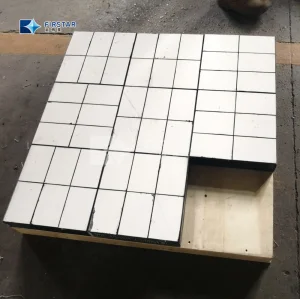
Traditional wear plates rely solely on surface hardness. However, when bulk materials such as crushed limestone, clinker, wood chips, recycled glass cullet, or silica quartz impact metal at velocities exceeding 3 m/s, kinetic energy creates micro-fractures and thermal fatigue. Our steel-backed alumina tiles utilize a tri-layer composite architecture: high-hardness ceramic absorbing sliding abrasion, dynamic rubber dissipating kinetic impact energy, and rigid steel backing ensuring mechanical structural anchorage via M16 stud welding or countersunk bolts.
To serve the specific intent of plant operations teams within the Coimbra municipality and surrounding areas like Cantanhede, Figueira da Foz, and Condeixa-a-Nova, our engineering teams customize material formulations to address specific localized failure modes:
The superior wear resistance of our structural ceramic products stems from strict control over atomic crystal structure, high-pressure cold isostatic pressing (CIP), and computer-controlled high-temperature sintering. Below is an engineering overview of our raw material parameters and performance metrics:
| Technical Parameter | 92% Alumina (Standard Wear) | 95% Alumina (High Abrasion) | ZTA (Zirconia Toughened Alumina) |
|---|---|---|---|
| Al₂O₃ Content (%) | ≥ 92.0% | ≥ 95.0% | 74% - 80% Al₂O₃ + 18-20% ZrO₂ |
| Bulk Density (g/cm³) | ≥ 3.62 | ≥ 3.68 | ≥ 4.15 |
| Vickers Hardness (HV10) | ≥ 1080 | ≥ 1150 | ≥ 1350 |
| Mohs Hardness Scale | 9.0 | 9.0 | 9.2 |
| Fracture Toughness (Mpa·m¹/²) | 4.8 | 5.2 | 7.5 |
| Rubber Tensile Strength (MPa) | ≥ 16.0 | ≥ 18.0 | ≥ 20.0 |
| Rubber-Steel Shear Strength | ≥ 5.0 MPa | ≥ 5.0 MPa | ≥ 6.0 MPa |
| Operating Temp Range (°C) | -40°C to +120°C (Standard) | -40°C to +150°C (High Temp) | -40°C to +250°C (Extreme) |
Our manufacturing technology utilizes a high-pressure hot vulcanization process that chemically bonds engineered alumina ceramic tiles to a modified natural/synthetic rubber buffer layer, which is simultaneously vulcanized onto an ISO/EN standard S235JR or S355 structural steel backing plate. This creates an unyielding molecular bond capable of enduring heavy shearing forces without delamination.
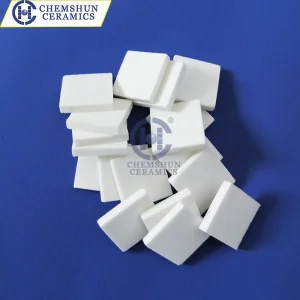
Sub-micron alumina powders are shaped via high-pressure hydraulic presses and fired in automated tunnel kilns at 1680°C, achieving zero open porosity and optimal crystal density.
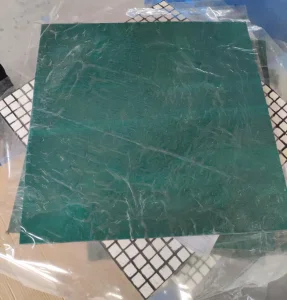
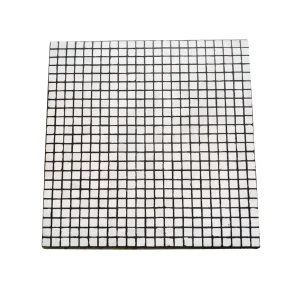
Specially formulated energy-absorbing rubber compounds with high tear strength are pressure-vulcanized into the grooves of the tiles, creating a flexible shock-absorbing cushion.
Heavy steel backing plates are pre-welded with heavy-duty studs (e.g., 4 x M16 threaded studs or countersunk bolt holes) to allow seamless bolting onto existing chutes.
To supply high-volume industrial ceramic orders to Coimbra and broader European markets efficiently, our organization consolidates advanced manufacturing assets across China’s premier industrial ceramic production zones. With extensive inventory, rigorous quality controls, and scale economics, we provide unmatched cost-competitiveness, customized fabrication, and reliable freight scheduling.
Zibo Xingli Industrial Ceramics Co., Ltd. and Hunan Yibeino New Materials Co., Ltd. operate as fully integrated high-tech enterprises specializing in the research, development, and mass production of industrial alumina ceramics, zirconia ceramics, and carbon-silicon composite wear products. Our core product lines include wear-resistant ceramic ball grinding media, alumina linings, custom ceramic liners, heavy-duty ceramic pipes, and inert alumina support balls for chemical catalyst support beds.
Hunan Yibeino New Materials Co., Ltd. has passed strict ISO9001:2015 Quality Management System Certification and ISO14000 Environmental Management System Certification. Product design, material formulation, automated pressing, vulcanization, and site installation advisory services are fully integrated into our ISO quality compliance framework. From raw material intake inspection and ingredient micro-analysis to real-time kiln temperature monitoring and final factory batch testing, every step guarantees flawless mechanical reliability.
Our industrial wear solutions serve major heavy industrial clients worldwide. Primary export markets include the United States, Germany, Sweden, India, Turkey, the Netherlands, Italy, Spain, Japan, South Korea, Russia, Vietnam, and Portugal (serving key industrial hubs like Coimbra). We adhere strictly to our core philosophy: "Integrity, Hard Work, Innovation, Customer & Quality First".
Our engineering R&D team holds key utility and invention patents, including: "A kind of elbow of pump pipe discharge anti-clogging pipe", "A lining board installation structure", localized "A lining board processing console", and "A conveying device for ceramic-lined pipes".
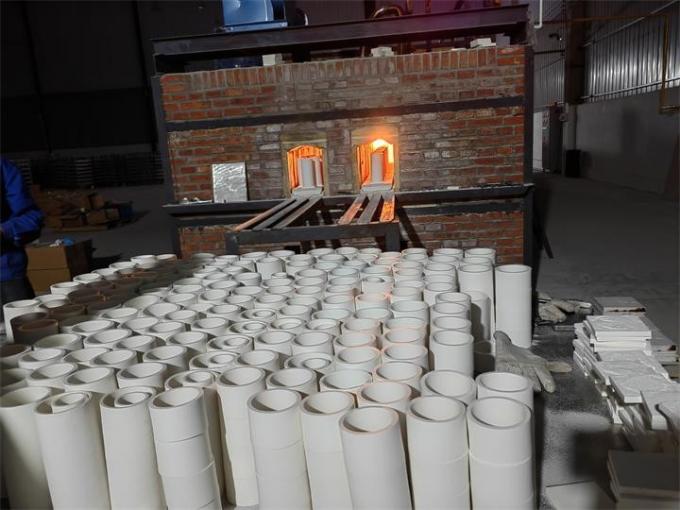
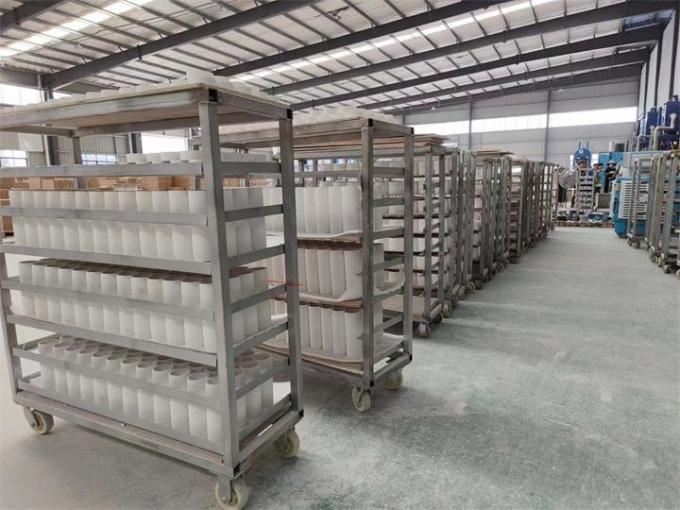
We provide full end-to-end engineering support tailored to regional maintenance teams in Coimbra. From initial wear auditing andCAD liner layout design to rapid shipping and emergency installation assistance, our workflow ensures zero operational downtime.
Our senior technical managers analyze your equipment operating conditions (particle size, velocity, moisture, drop height, temperature). We conduct early-stage site assessments or detailed remote evaluations, providing custom anti-wear project budget quotations.
Upon analyzing chute geometries, our CAD engineering office generates precise fabrication drawings tailored for modular bolt-on or weld-in installation, submitting blueprints for client sign-off before mass sintering.
We maintain a strict quality assurance protocol backed by 100% factory pre-shipment inspections. For domestic client sites in China, our team arrives within 48 hours to resolve technical issues; for Coimbra and EU clients, we offer 24/7 video technical field support and dedicated replacement stock logistics.
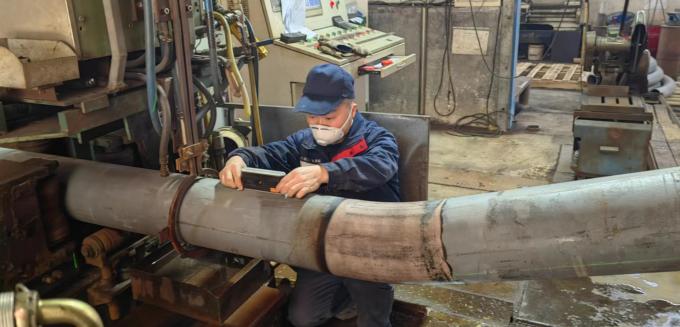
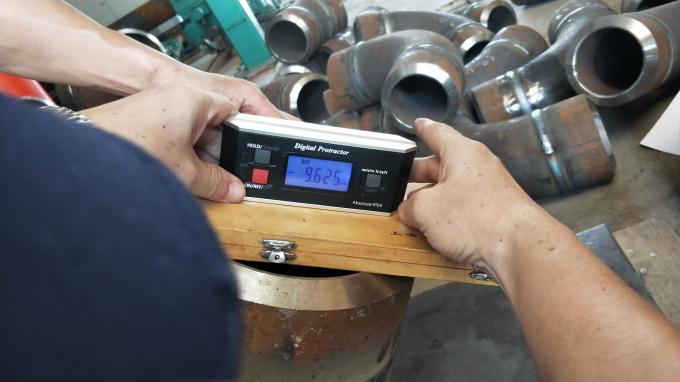
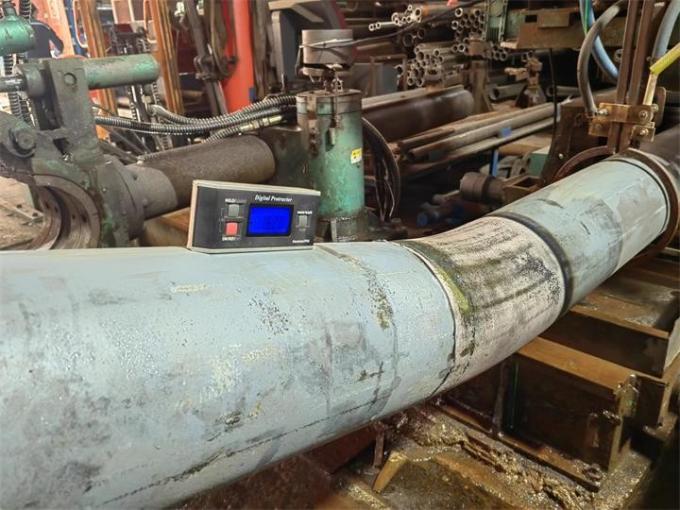
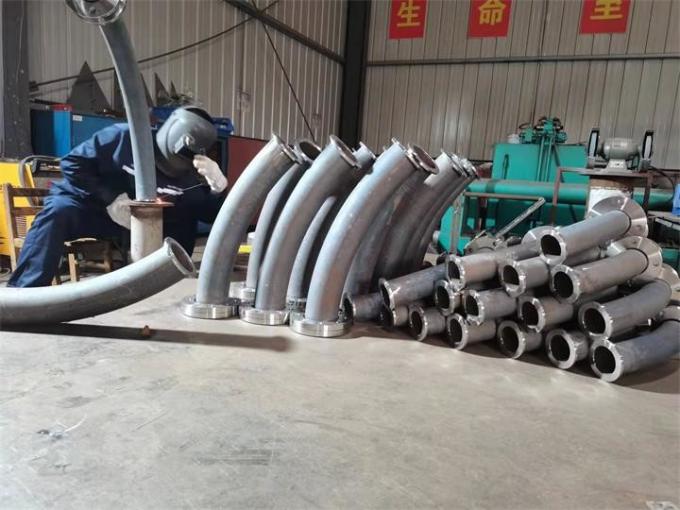
As heavy industry across Coimbra transitions toward digitalized asset management and reduced carbon footprints, our R&D center is pioneering advanced ceramic-metal technology roadmaps designed for Industry 4.0 integration:
Integrating micro-electronic thin-film conductive loop sensors into the underlying rubber buffer layer of steel-backed ceramic tiles. When ceramic tile wear reaches 80% thickness, an automated telemetry signal alerts plant maintenance managers via SCADA, allowing planned scheduled maintenance and eliminating unexpected operational shutdowns.
Developing low-carbon footprint rubber matrices utilizing bio-based elastomers and solvent-free bonding agents. This complies fully with strict EU REACH regulations and environmental standards across Portugal, supporting green cement and eco-friendly paper mill certifications.
Explore our full portfolio of high-purity alumina tiles, rubber-backed ceramic mats, pulley lagging panels, and ZTA composite plates serving Coimbra facilities.
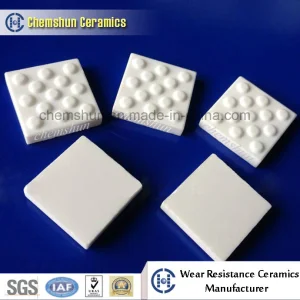
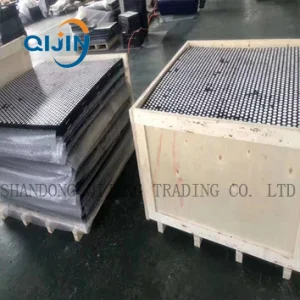
Direct answers for project engineers, procurement managers, and plant superintendents in Coimbra and global markets.
Partner directly with China's leading wear ceramic manufacturing enterprise. Get custom engineering CAD drawings, factory-direct pricing, and comprehensive technical compliance support.
Send Inquiry Now Xingli Industrial Ceramics