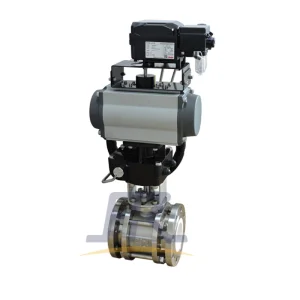
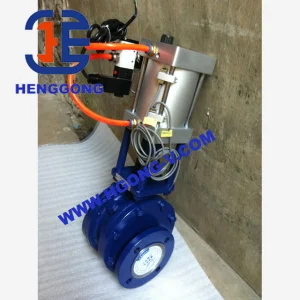
Dominica, often called the "Nature Island of the Caribbean," is embarking on a transformative phase of industrial modernization. As the country taps into its rich volcanic resources—specifically through the development of the Roseau Valley Geothermal Project—the engineering demands of its industrial infrastructure have shifted toward extreme severe-service solutions.
Geothermal exploration and production involve hot, highly mineralized fluids containing dissolved silicates, abrasive sand, hydrogen sulfide (H2S), and chlorides. Under high pressure and temperatures exceeding 200°C, traditional metallic valves degrade rapidly due to a combination of erosion, chemical corrosion, and scale buildup. Scaling blocks fluid passages, while particulate erosion strips away protective passivation layers on metal surfaces, leading to catastrophic valve failure.
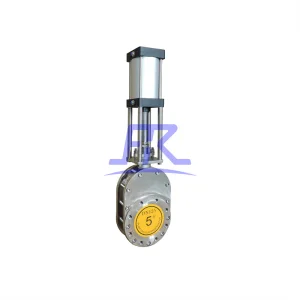
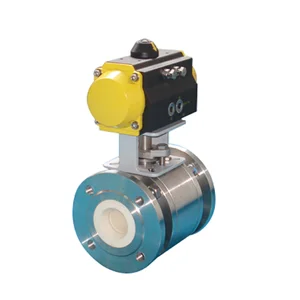
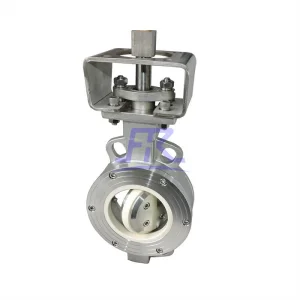
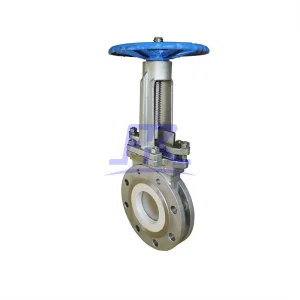
By implementing Ceramic-Lined Steel Valves, Dominican developers can drastically reduce operational downtime. Structural ceramics, such as Alumina (Al2O3) and Zirconia (ZrO2), exhibit an extraordinarily low friction coefficient and high chemical inertness, which prevents scale adhesion and resists the scour of high-velocity geothermal steam and brine slurries.
Globally, heavy processing industries—ranging from power generation and mining to desalination and chemical synthesis—are undergoing a transition from superalloy valves (like Monel, Hastelloy, and Duplex Stainless Steel) to structural ceramic-lined valves. The primary driver is the Total Cost of Ownership (TCO) and the pursuit of ESG (Environmental, Social, and Governance) targets through reduced chemical footprint and physical scrap rates.
| Performance Metric | Standard Carbon Steel (WCB) | Superalloy (Hastelloy C276) | Advanced Ceramics (99% Al₂O₃ / Zirconia) |
|---|---|---|---|
| Hardness (Vickers) | 120 - 180 HV | 200 - 240 HV | 1400 - 1800 HV |
| Acid Resistance (HCl / H₂SO₄) | Very Poor | Excellent | Outstanding (No Chemical Reaction) |
| Erosion Resistance (10m/s Sand Slurry) | Fails within 15-30 Days | Fails within 60-90 Days | Up to 1,000+ Days without Wear |
| Scaling Adhesion Risk | High (Rough Metallic Interface) | Moderate | Extremely Low (High Surface Polish) |
| Max Service Temp Limit | 425°C | 540°C | Up to 850°C (Process Constrained by Steel Shell) |
While superalloys provide high mechanical tensile strength, they remain susceptible to wear when abrasive particulates are present in the flow media. Structural ceramics, however, display atomic covalent bonds that are immune to typical chemical oxidation and mechanical erosion. The steel external jacket acts as a pressure-containing vessel, providing structural and impact resistance, while the ceramic lining handles the hostile medium. This dual-material design yields the ultimate combination of toughness and wear resistance.
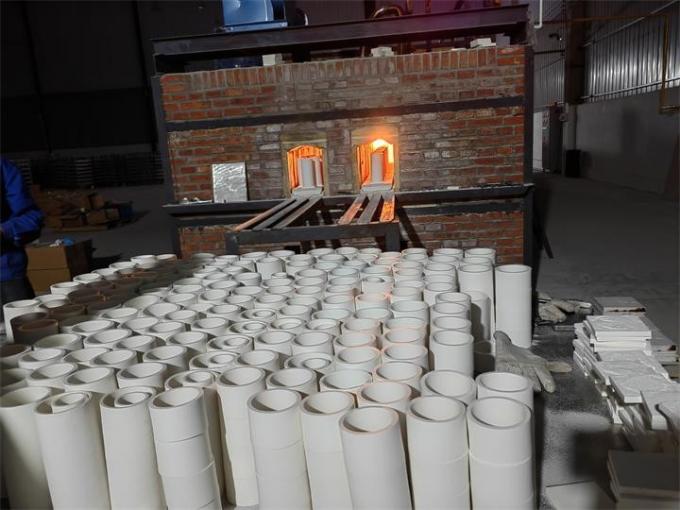
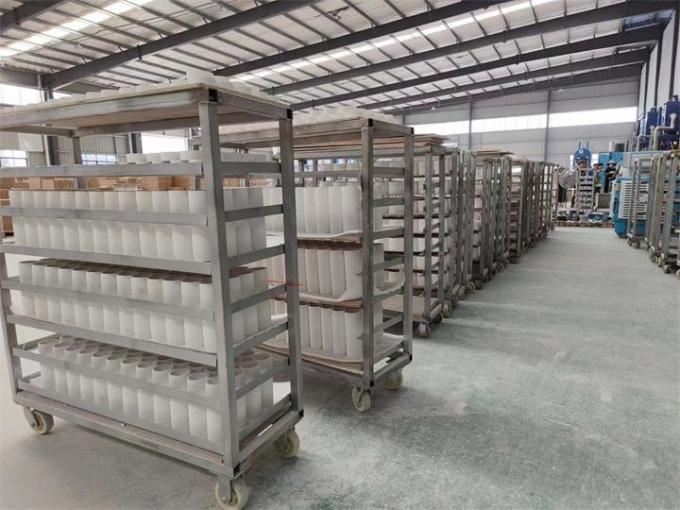
To ensure global standards are met, our collaborative production ecosystems have established advanced manufacturing facilities. Zibo Xingli Industrial Ceramics Co., Ltd. specializes in the synthesis of structural alumina, zirconia, and carbon-silicon products, providing the raw materials. The sister plant, Hunan Yibeino New Materials Co., Ltd., integrates these advanced ceramics into complex mechanical assemblies under strict ISO9001:2015 and ISO14000 certifications.
By implementing a "Factory 4.0" framework, we utilize automated dry pressing, high-precision isostatic pressing, and gas-fired high-temperature shuttle kilns to sinter ceramic valve liners at temperatures up to 1700°C. Sintering achieves a relative density of 99.5%+, eliminating micro-voids that could otherwise act as stress-concentration points under high pressure.
This strict quality control ensures every valve dispatched to Dominica is traceably documented, structurally sound, and capable of enduring severe environments. We verify ceramic components via ultrasonic testing (UT) and dye penetrant testing (PT) to ensure no internal structural micro-cracks exist before assembly.
Understanding the micro-climates and geographical realities of Dominica allows us to configure optimized valve trim configurations for specific installations:
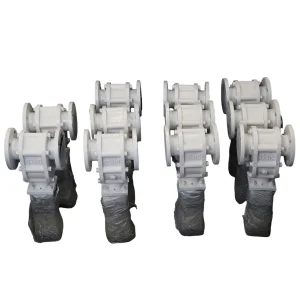
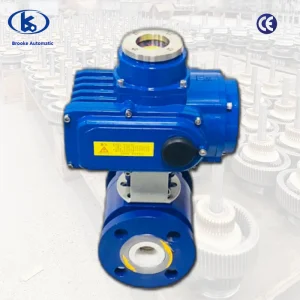
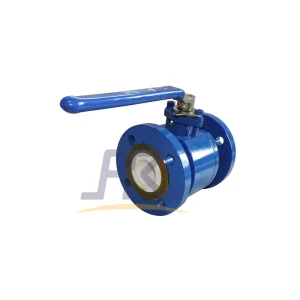
Used in geothermal brine separators and flashing chambers. Handled media includes high-temperature brine containing up to 15% abrasive silica sand and dissolved scaling compounds at 230°C. Alumina lined ball valves prevent deposition and preserve seal integrity.
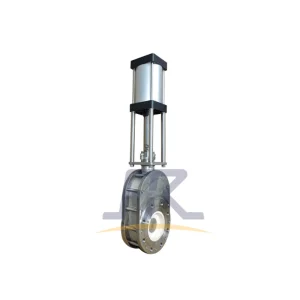
Dominica's developing coastal water management systems rely on seawater reverse osmosis (SWRO). Ceramic double-disc gate valves completely isolate mechanical stress from galvanic corrosion, which is common in metal valves processing high-saline marine feedwaters.
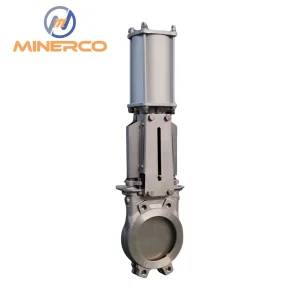
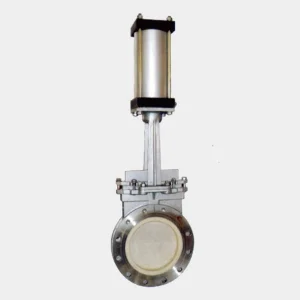
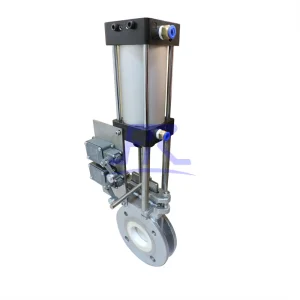
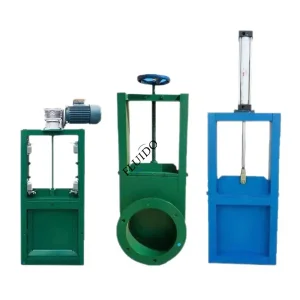
Hydroelectric power generation relies on fast-flowing river diversions. During rainy seasons, heavy tropical runoffs carry severe abrasive quartz river silt. Ceramic-lined knife gate valves process these silt loads without losing sealing contact.
We provide full-process supply chain support for projects in Dominica, minimizing remote site variables through rigorous verification processes:
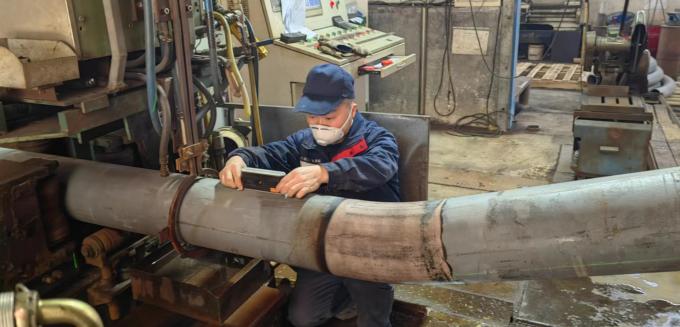
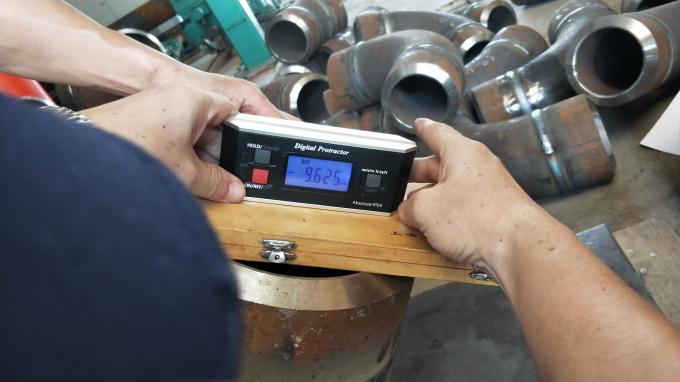
Our business and engineering teams collaborate directly with your site engineers in Dominica via phone or video. We analyze fluid dynamics, abrasive particle sizing, velocity curves, chemical concentration, and operating temperatures to recommend the optimal wear-resistant ceramic composition.
Upon compiling operational parameters, we produce custom 3D CAD modeling and finite element analysis (FEA) drawings. We match pipe dimensions to ASME/ANSI, DIN, or JIS flanges, providing drop-in compatibility for existing Dominican piping systems.
We provide step-by-step digital installation guides and continuous operation parameters tracking. For major projects, we maintain rapid dispatch channels to assist Dominica-based operations, backed by regional Caribbean partners.
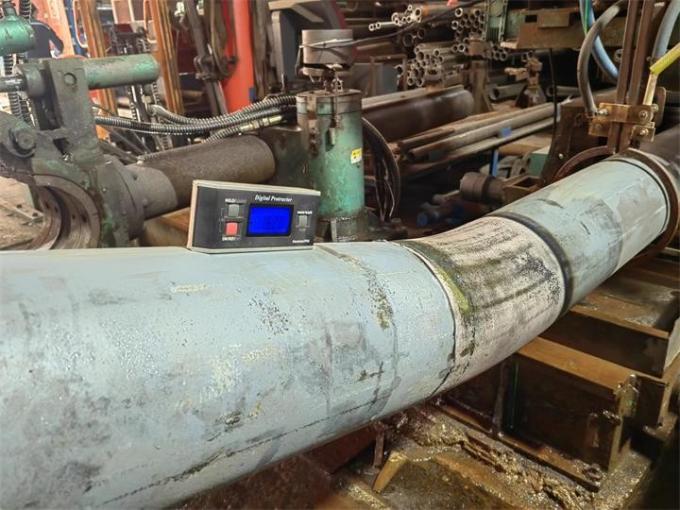
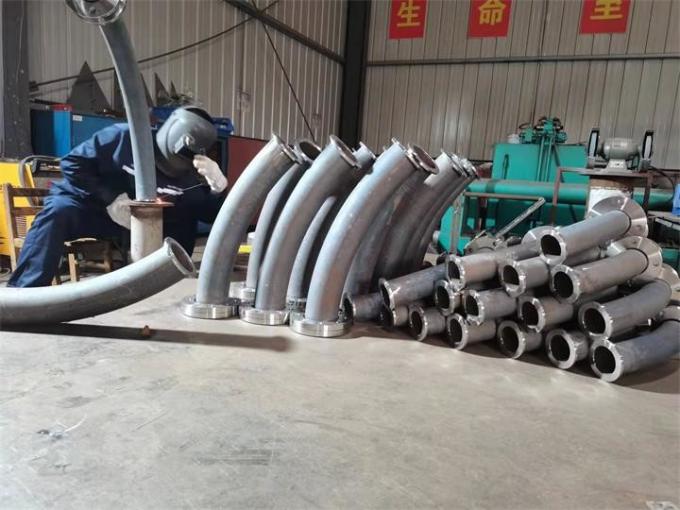
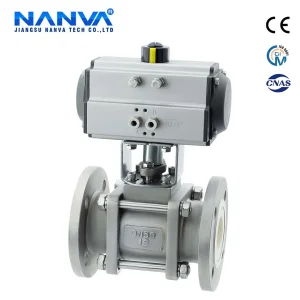
Contact our engineering specialists today to get a detailed CAD layout, custom ceramic composition analysis, and budget calculation tailored for your Dominica industrial setup.
Request Technical Callback Xingli Industrial Ceramics