Basic Information
Nominal Pressure
JIS10-20K
Channel
Straight Through Type
Structure
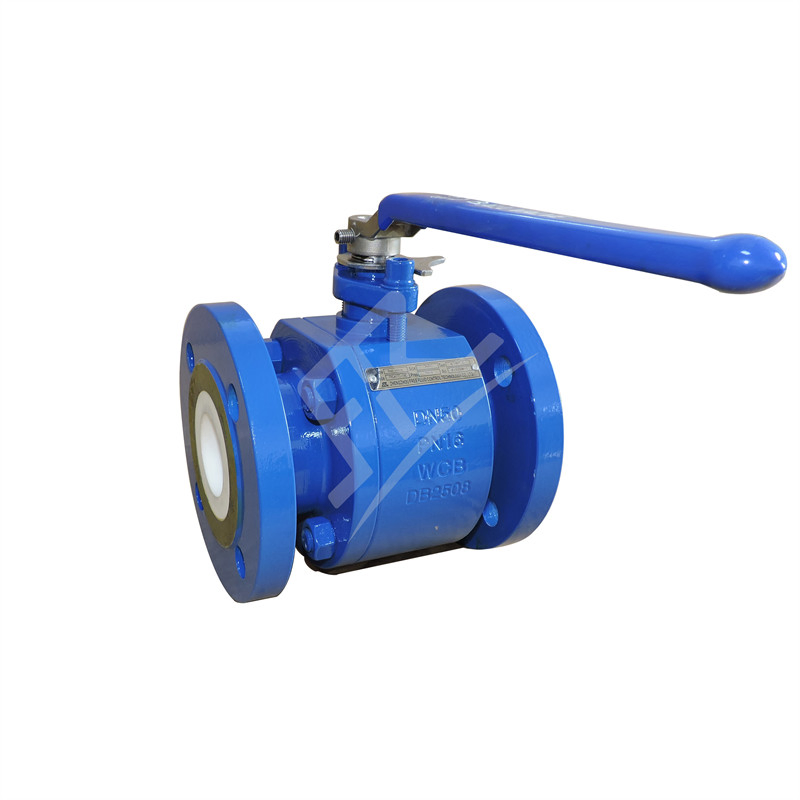
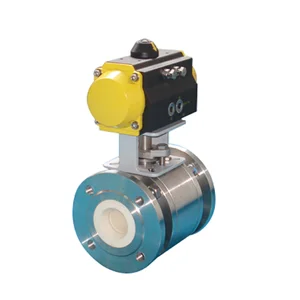
Floating Ball Valve
Temperature
High Temperature
General Overview
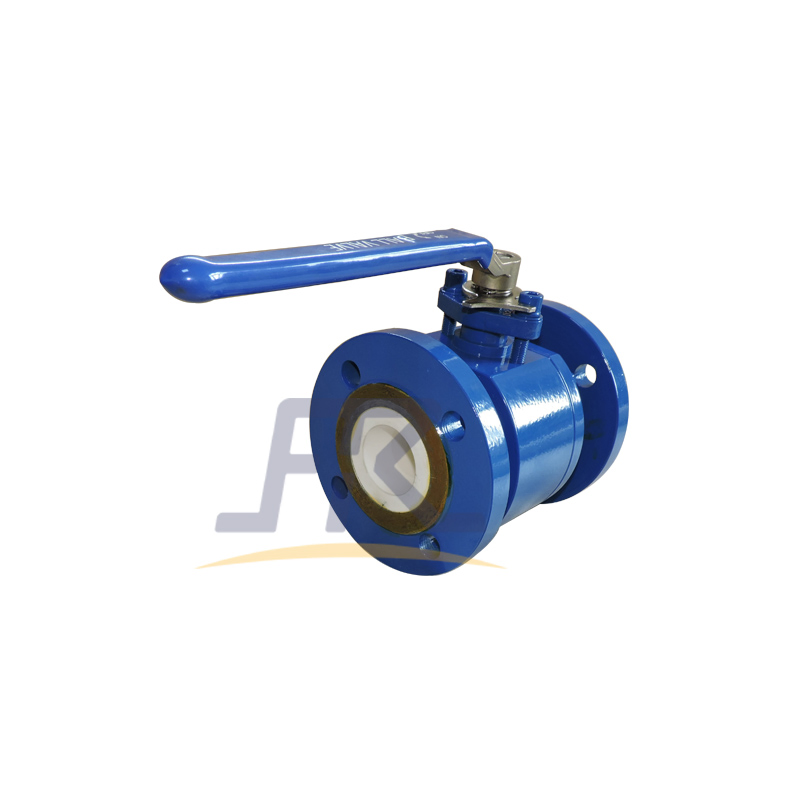
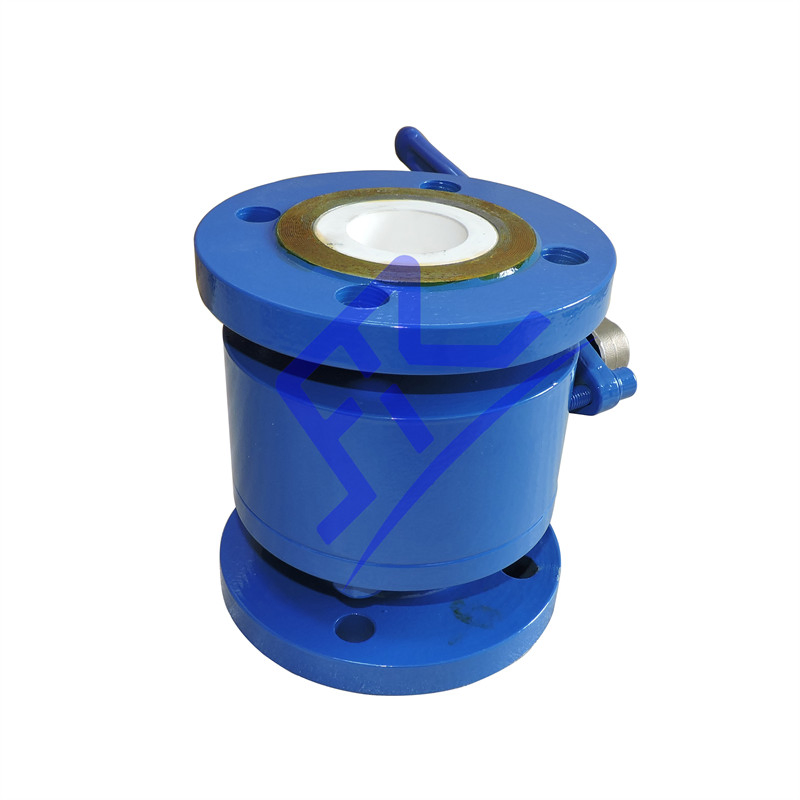
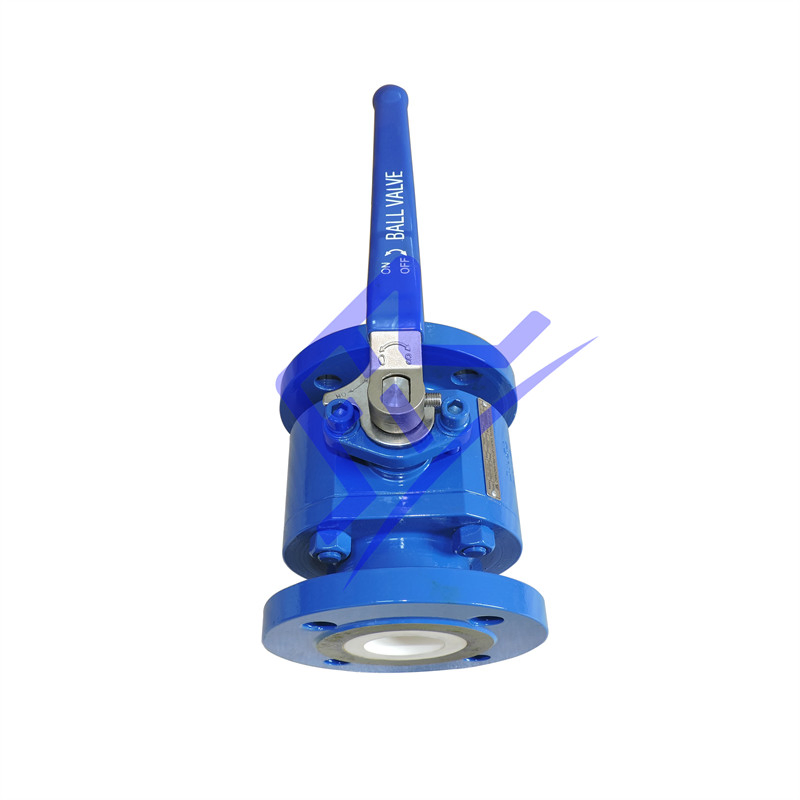
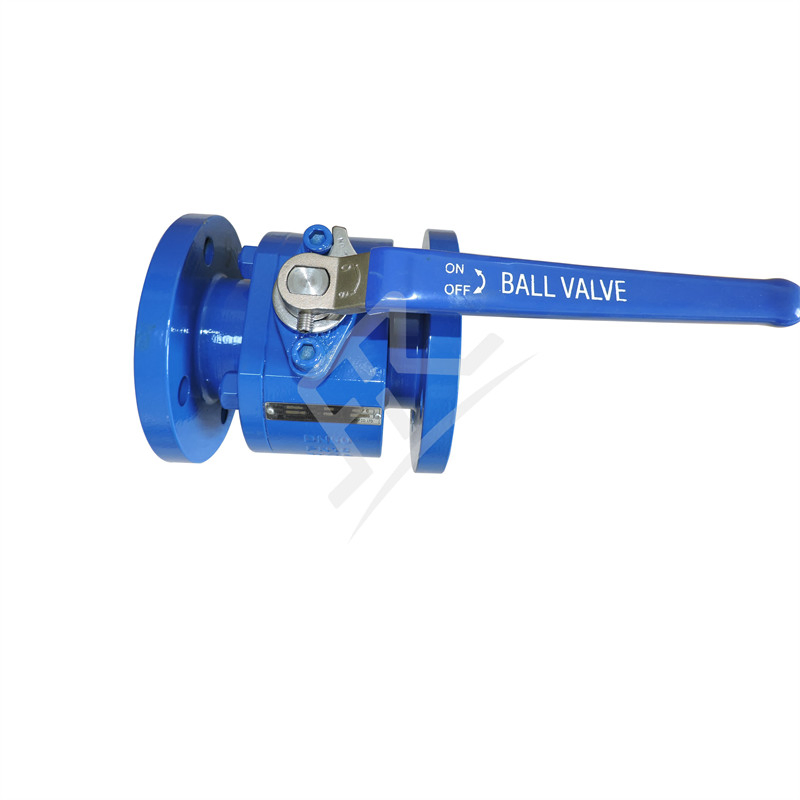
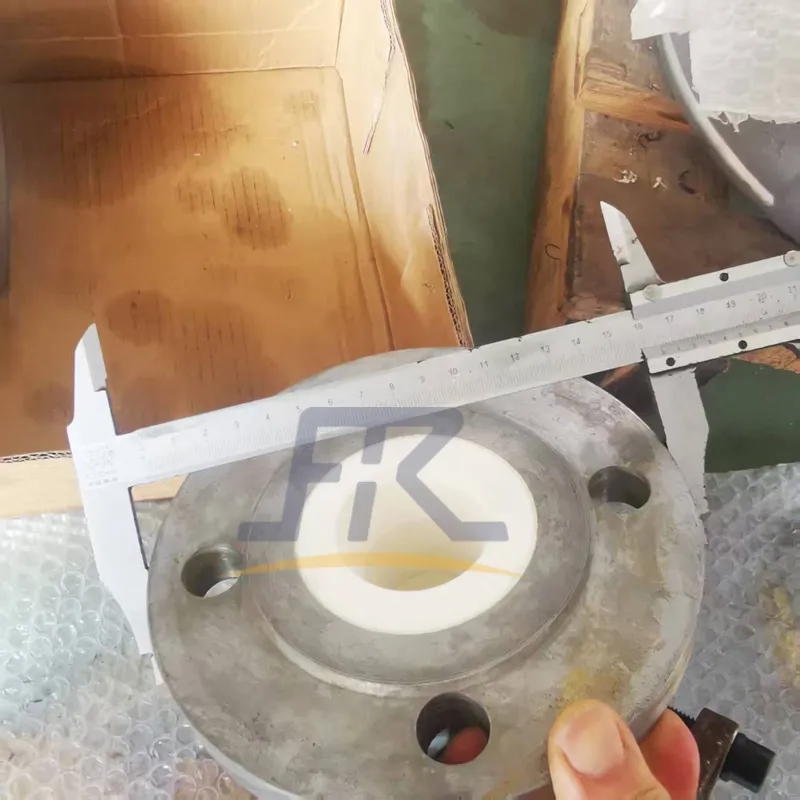
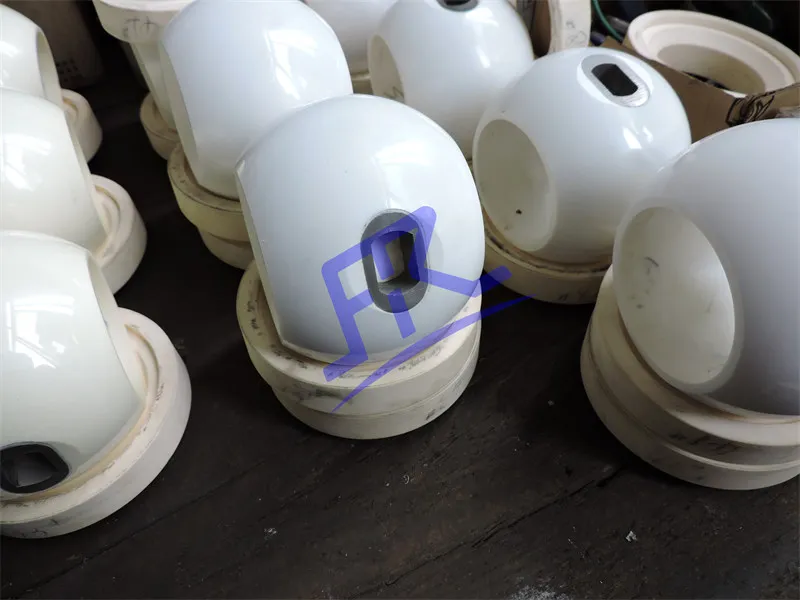
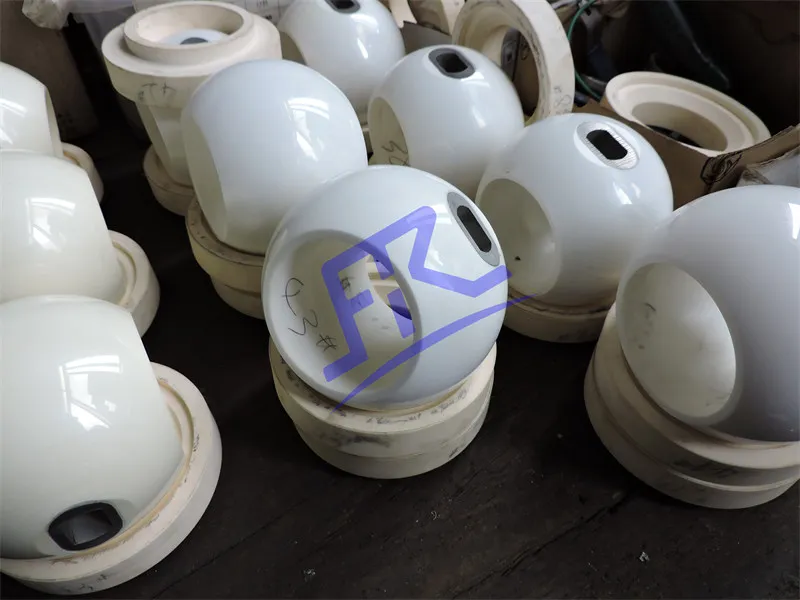
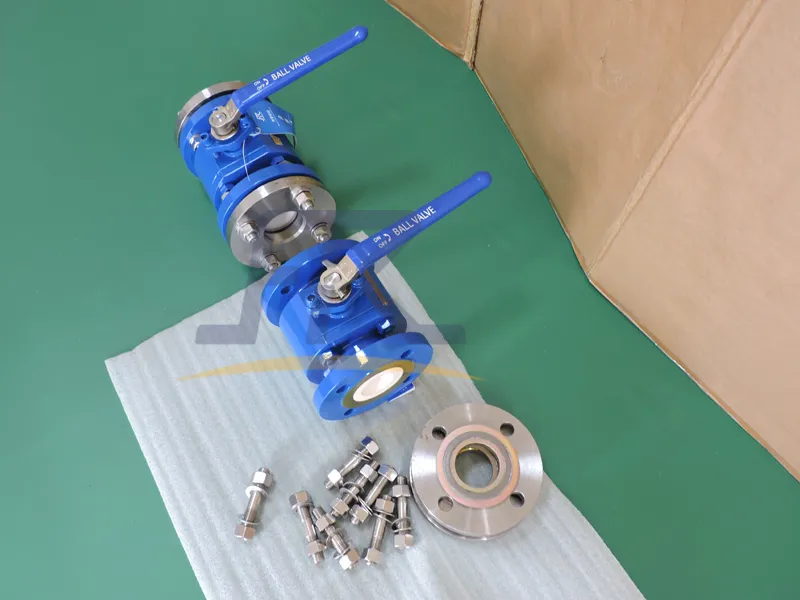
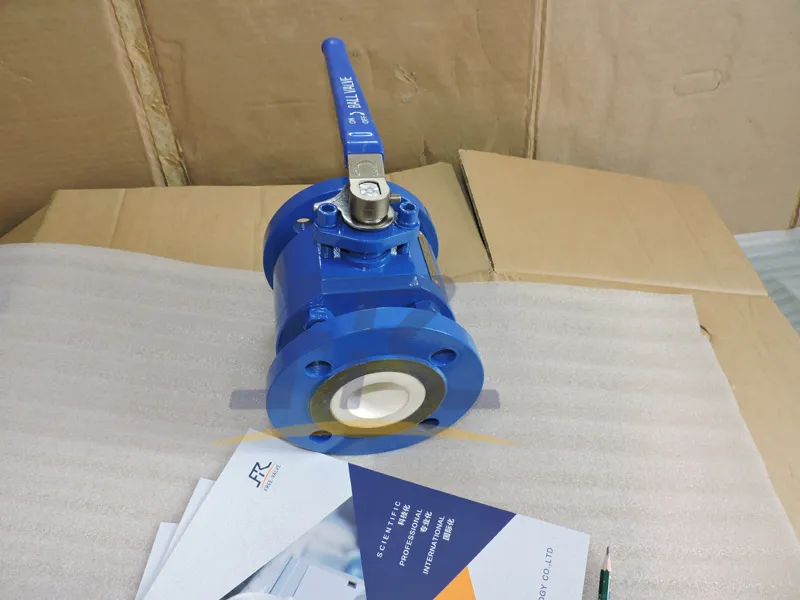
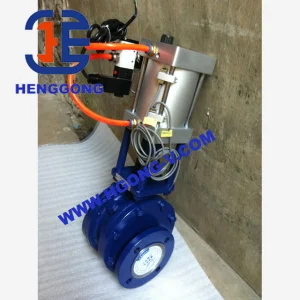
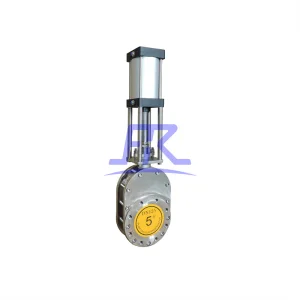
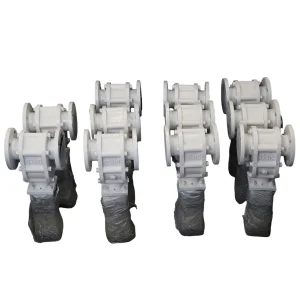
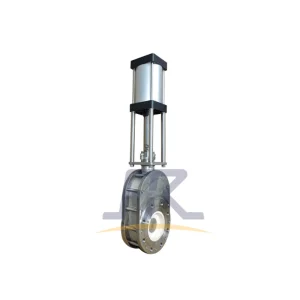
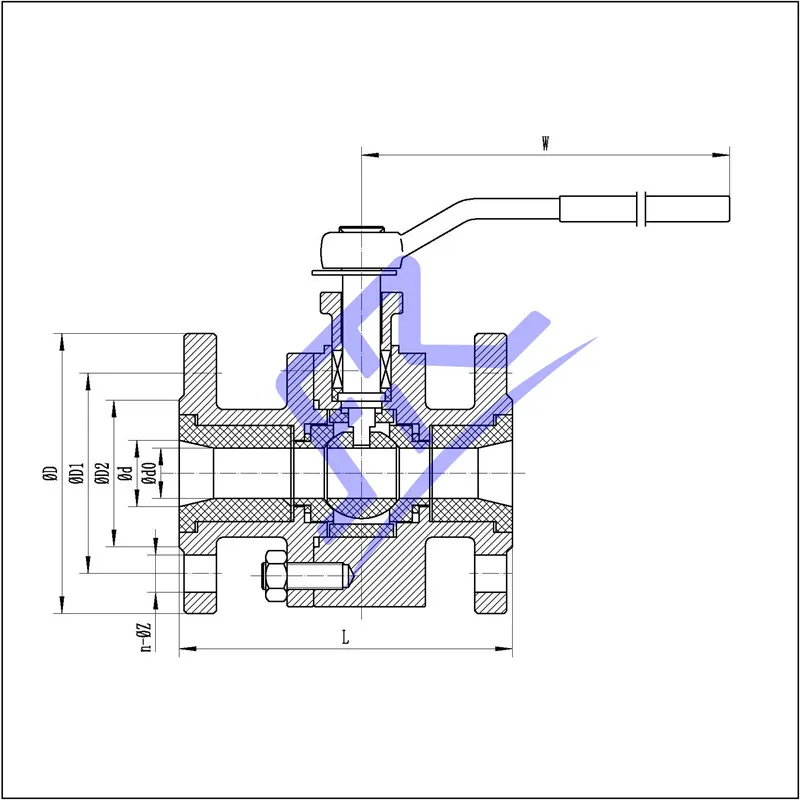
Carbon Steel 2 PCS Body Ceramic Lined Ball Valves are designed with engineering zirconium ceramics. The engineering zirconium ceramics internal parts provide excellent wear resistance. These ceramic ball valves are widely used as an open and close function as well as throttling control tasks in corrosive medium with abrasive solids content.
Key Features
- The hardness of the ceramic material can be higher than HRC80.
- Approximate equal percentage flow regulation characteristics and works at small opening.
- The flow adjusting more accurately and flexibly, with large adjustable range and fast adjustment speed.
- Straight-through design, no flow blocking element in the valve cavity.
- ZrO2 ceramic ball have good self-cleaning property.
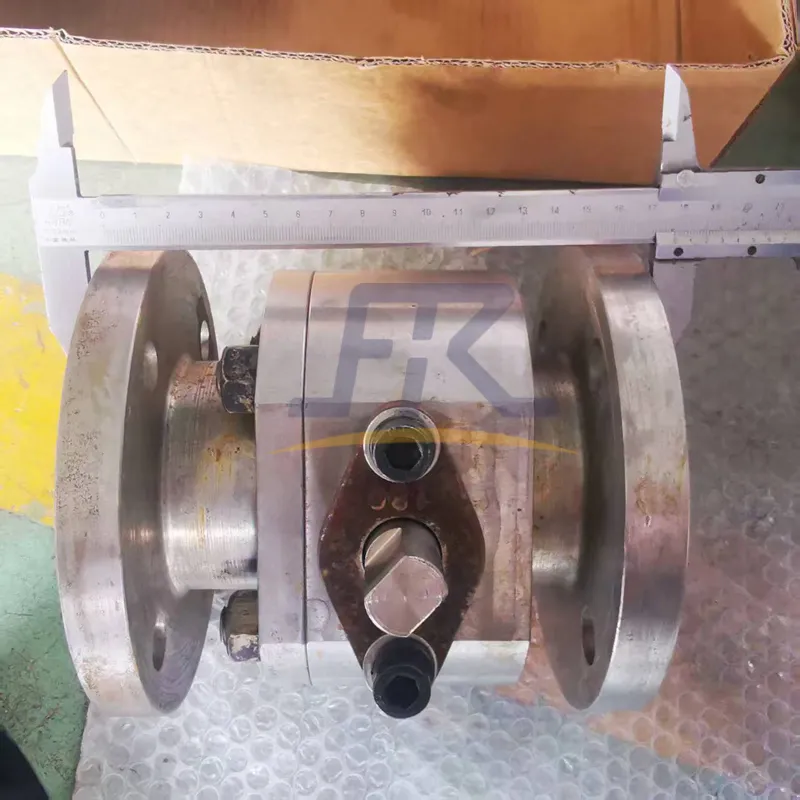
- 2 PCS Valve body ensures excellent sealing performance.
Technical Specification
| The standards of flange ends | ASME B16.5, GB/T9113 |
| Nominal Pressure | 1.0MPa, Class150 |
| Size Range | DN50~DN 200, NPS2 ~NPS8 |
| Working Temperature | ≤200ºC |
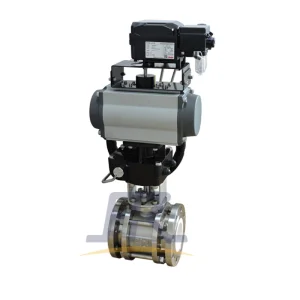
| Operating Type | Manual |
| Sealing Surface Material | Engineering ceramic |
| Face to Face | GB/T12221, API609 |
Industrial Applications
These valves are suitable for handling: Silicon Powder, Alumina Powder, Dry Coal Powder, Limestone Slurry, Gypsum Slurry, Plaster, Fly Ash, Mining Ore, Coal Powder Injection, Metallurgical dust, Thermal Power plant FGD, and LiCoO2 powder equipment.
Frequently Asked Questions
1. What are the benefits of Zirconium Ceramics in ball valves?
Engineering zirconium ceramics provide exceptional hardness (above HRC80) and superior wear resistance, making them ideal for handling abrasive solids and corrosive media.
2. Can these valves be used for flow regulation?
Yes, they offer approximate equal percentage flow regulation characteristics and can perform accurately even at small openings.
3. What standards do the flange ends follow?
The standard flange ends are manufactured according to ASME B16.5, GB/T9113, and JIS B2220 depending on customer requirements.
4. What is the maximum working temperature?
These ceramic lined ball valves are designed to operate at working temperatures up to ≤200ºC.
5. Does the valve design prevent clogging?
Yes, the straight-through design ensures there are no flow blocking elements in the valve cavity, which helps in preventing media accumulation.
6. What materials are used for the valve body?
The valves typically feature a Carbon Steel 2-piece body, providing a robust structure with excellent sealing performance.
 Xingli Industrial Ceramics