Xingli Industrial Ceramics
1 / 5
Description:
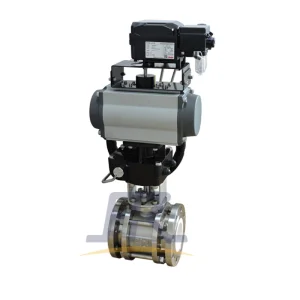
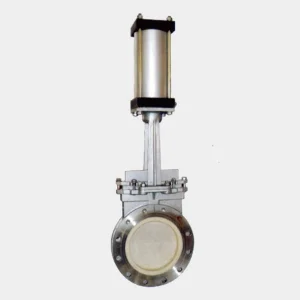
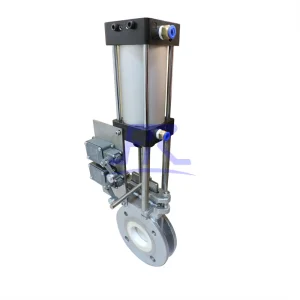
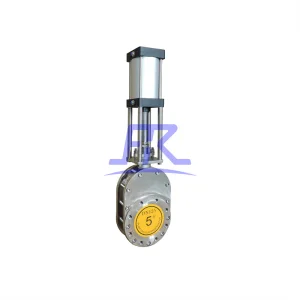
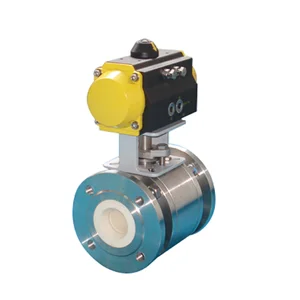
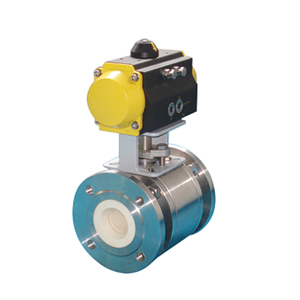
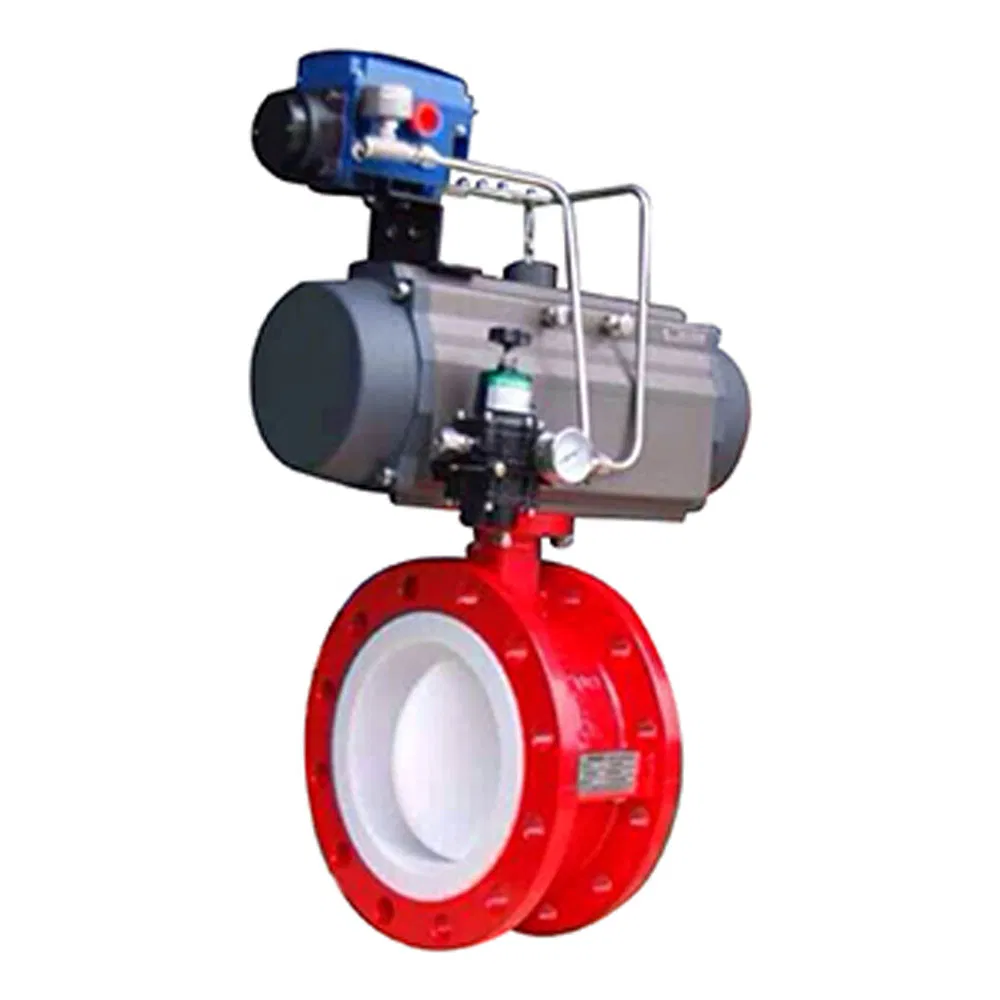
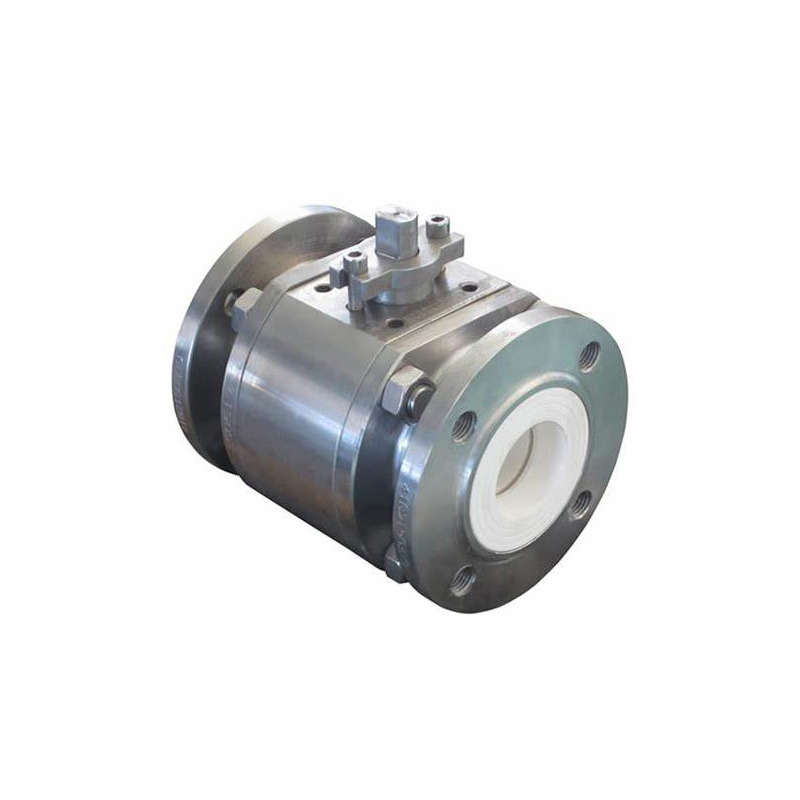
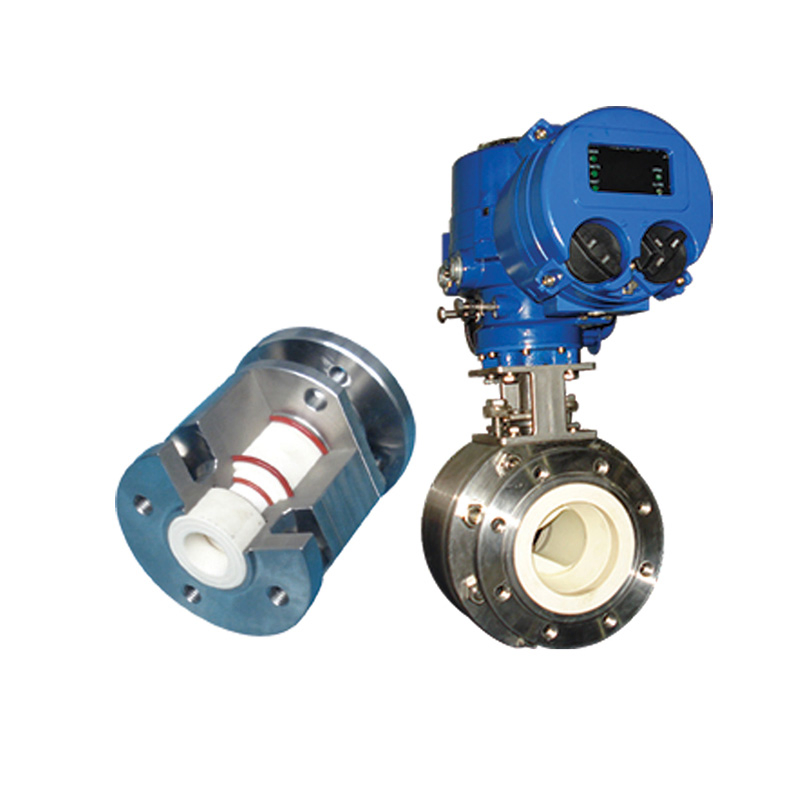
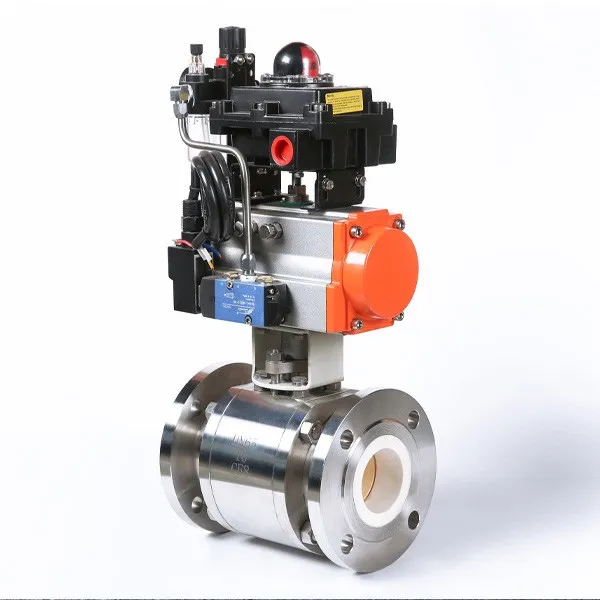
It is suitable for the opening and closing of high-hardness granular media, or medium pipelines with soft particles but corrosiveness. The nominal pressure is 1.6MPa, and the adaptable temperature is less than or equal to 200ºC. The parts in contact with the medium are all structural ceramic materials, which have extremely high chemical stability and hardness (Rockwell hardness HRC90), second only to diamond.
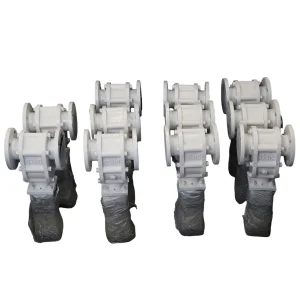
Therefore, it has extremely high wear resistance, corrosion resistance and erosion resistance, and has good thermal insulation and small thermal expansion. The ball is manufactured by advanced grinding equipment and technology, with high precision of ball roundness and good quality of surface painting. After grinding with the seat, the self-lubricating property of ZrO2 ceramics can be used to obtain good sealing performance.
The good wear resistance of ceramics makes it durable, extremely reliable, and has a long service life, which is 2-4 times that of titanium alloy and Monel.
| Item | Part Name | Material | Item | Part Name | Material |
| 1 | Side Valve Cover | CF8 | 12 | Hex Nut | Class 8 |
| 2 | Middle Body | CF8 | 13 | Stud | - |
| 3 | Middle Body Sleeve | Ceramic | 14 | Packing Gland | WCB |
| 4 | O Ring | Viton | 15 | Spacer | Q235 Plating |
| 5 | Flange Sleeve | Ceramic | 16 | Washer | 65Mn |
| 6 | Sphere/ Ball | Ceramic | 17 | Lever | - |
| 7 | O Ring | Viton | 18 | Gasket | Q235 |
| 8 | Spring | 50CrVA | 19 | Bolt | 35# |
| 9 | Washer | SS304 | 20 | Hex Bolts | B7 |
| 10 | Stem | 2Cr13 | 21 | Big Washer | PTFE |
| 11 | Packing | PTFE | 22 | Seat | - |