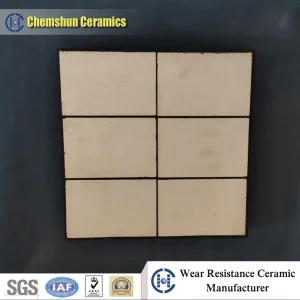
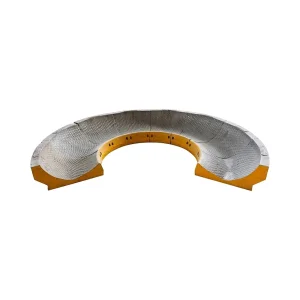
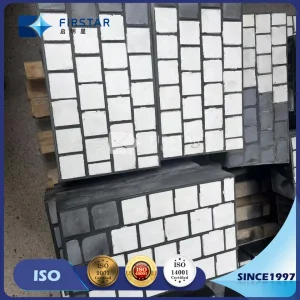
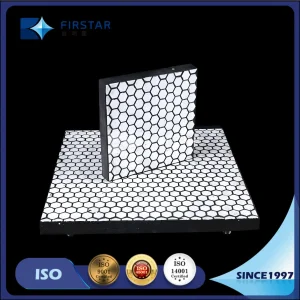
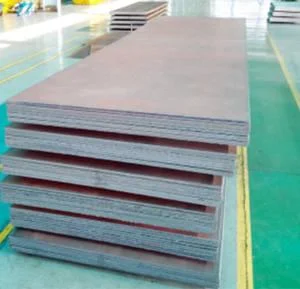
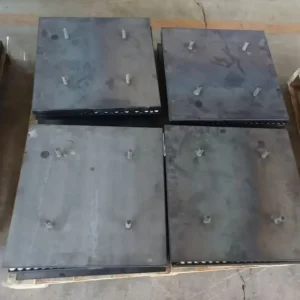
Steel-ceramic composites represent a pinnacle of material science, merging the high fracture toughness of steel with the extreme hardness and chemical inertness of advanced ceramics (Alumina, Zirconia, SiC). This synergy allows industrial components to withstand abrasive forces that would destroy pure metal in days.
As heavy industries move toward "Zero-Maintenance" goals, the global demand for wear-resistant composites is surging. From lithium-ion battery production—where contamination-free grinding is vital—to thermal power plants optimizing ash handling, these parts are the silent enablers of global manufacturing efficiency.
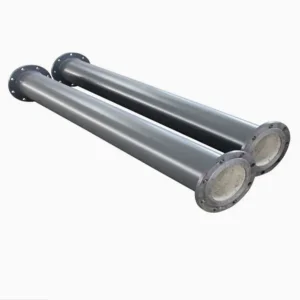
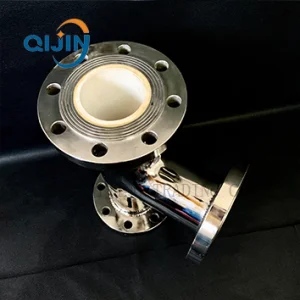
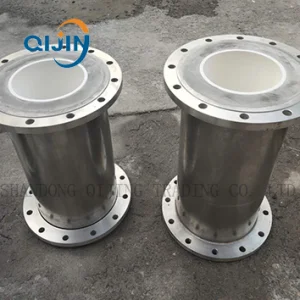
Localized applications vary significantly: In Australia's mining sector, heavy-duty impact liners are key; in Europe's waste-to-energy plants, ceramic-lined pipes prevent hydrochloric acid corrosion; while in SE Asia’s cement kilns, ceramic ball media drive the grinding efficiency of vertical mills.
Zibo Xingli Industrial Ceramics Co., Ltd & Hunan Yibeino New Materials Co., Ltd. are premier leaders in the production of industrial alumina ceramic, zirconia ceramic, and carbon-silicon products.
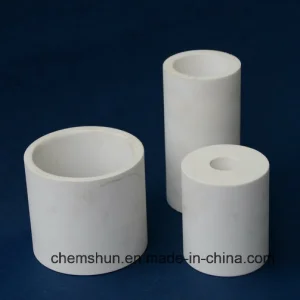
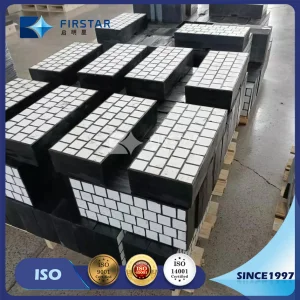
Our focus lies in providing wear-resistant ceramic ball grinding media, alumina lining, ceramic liner, ceramic pipe, and inert alumina balls for catalyst support. We have passed the ISO9001:2015 quality system certification, ensuring that every product from design to manufacturing is integrated into a rigorous quality management loop.
Our products are exported to the United States, Germany, Sweden, India, Turkey, the Netherlands, Italy, Spain, Japan, South Korea, Russia, and Vietnam. We understand the specific regulatory and technical requirements of each regional market.
We hold multiple patents including "Elbow of pump pipe discharge anti-clogging pipe", "Lining board installation structure", and "Conveying device for ceramic-lined pipes".
Located in Zibo and Hunan, the hubs of Chinese industrial ceramics, we benefit from a complete upstream supply of raw powders and downstream specialized logistics. This results in 30% faster turnaround times compared to international competitors.
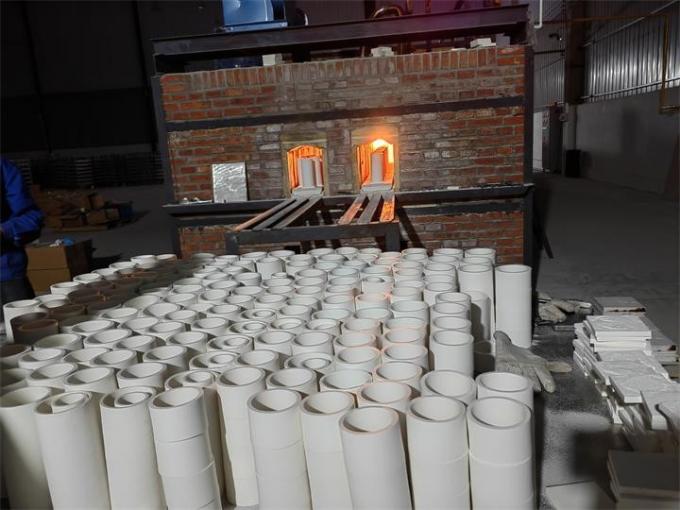
China's factory efficiency isn't just about labor; it's about automation. Our facilities use AI-driven kilns for precise temperature control, ensuring uniform density in Alumina tiles and minimizing microscopic defects.
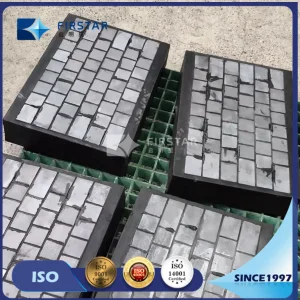
By optimizing the vulcanization process for rubber-ceramic composites, we offer parts that last 5-10 times longer than standard steel, significantly reducing the downtime costs for global procurement departments.
Our business managers visit customer sites or communicate via phone to provide reasonable anti-wear solutions based on equipment operating conditions and project budgets.
We provide full design drawings for customized products after understanding the specific equipment status, ensuring a 100% fit-to-purpose installation.
We arrive at domestic customer sites within 48 hours to solve any technical issues. For international clients, we provide remote video diagnostic support and rapid parts replacement.
The industry is moving toward nano-structured ceramics which offer higher impact resistance without the brittleness typically associated with traditional Alumina.
Integration of IoT sensors into the rubber backing of composite liners to monitor wear thickness in real-time, allowing for predictive maintenance before catastrophic failure.
Recycling of spent ceramic media and liners is becoming a procurement requirement for global enterprises aiming for ESG compliance and carbon footprint reduction.
 Xingli Industrial Ceramics