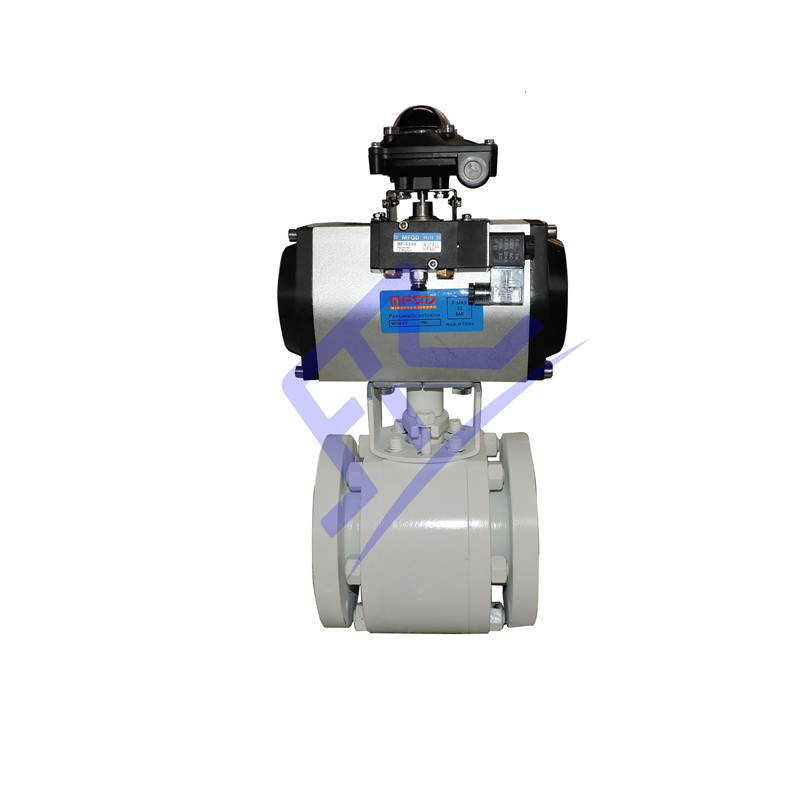
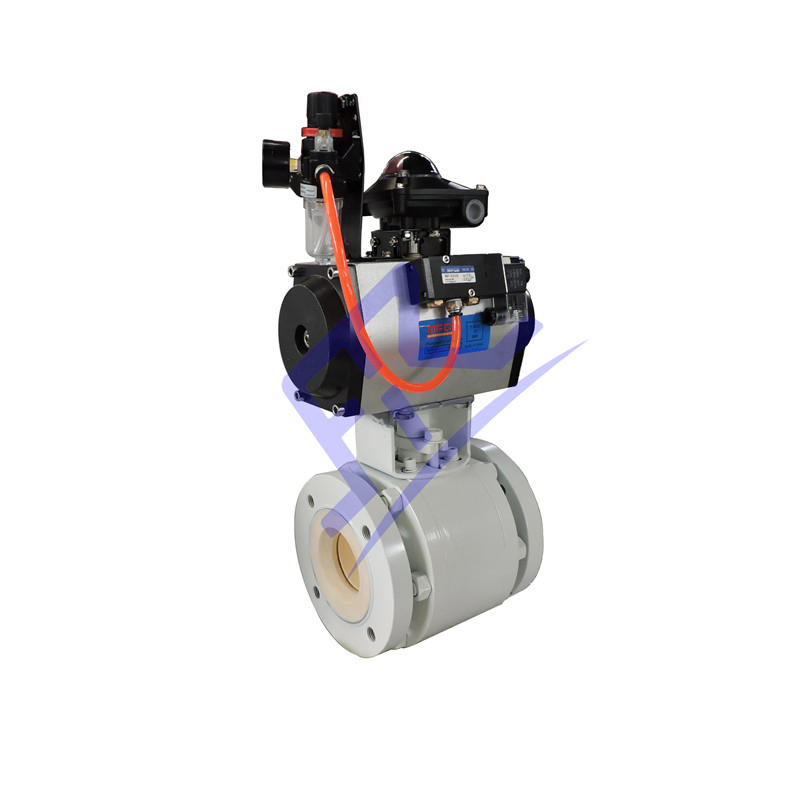
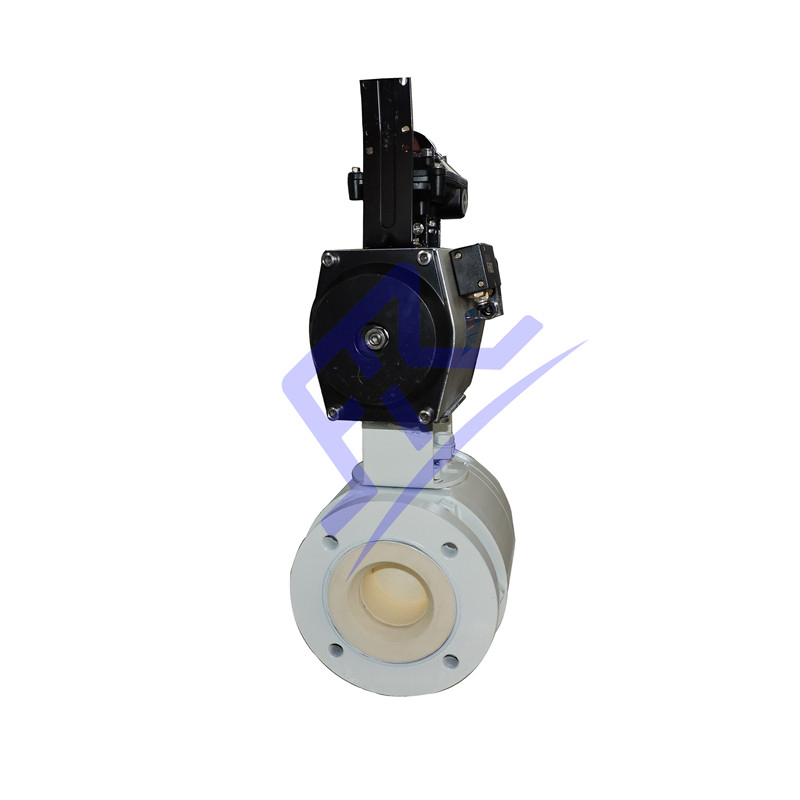
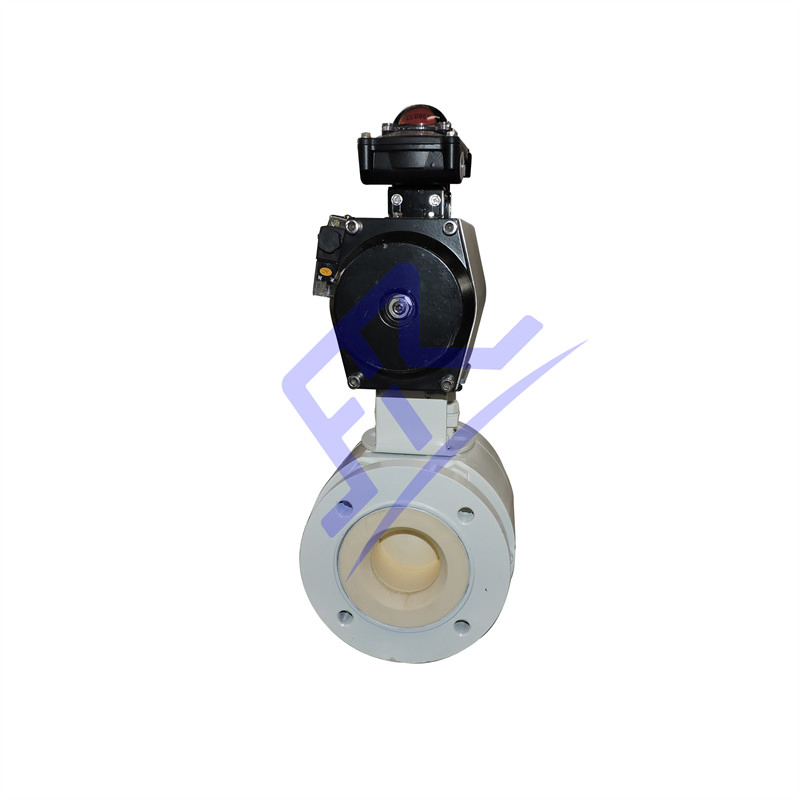
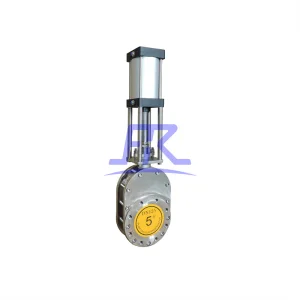
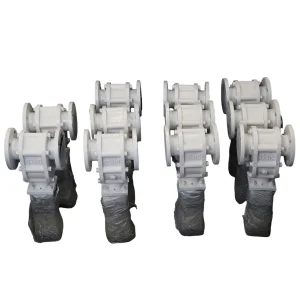
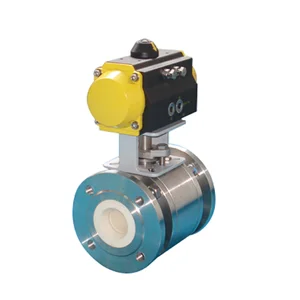
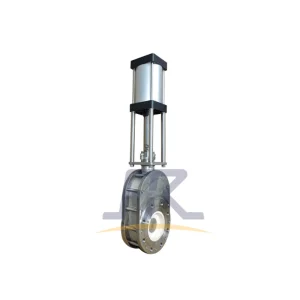
Basic Information
Nominal Pressure
Pn10 Pn16 Class150
Structure
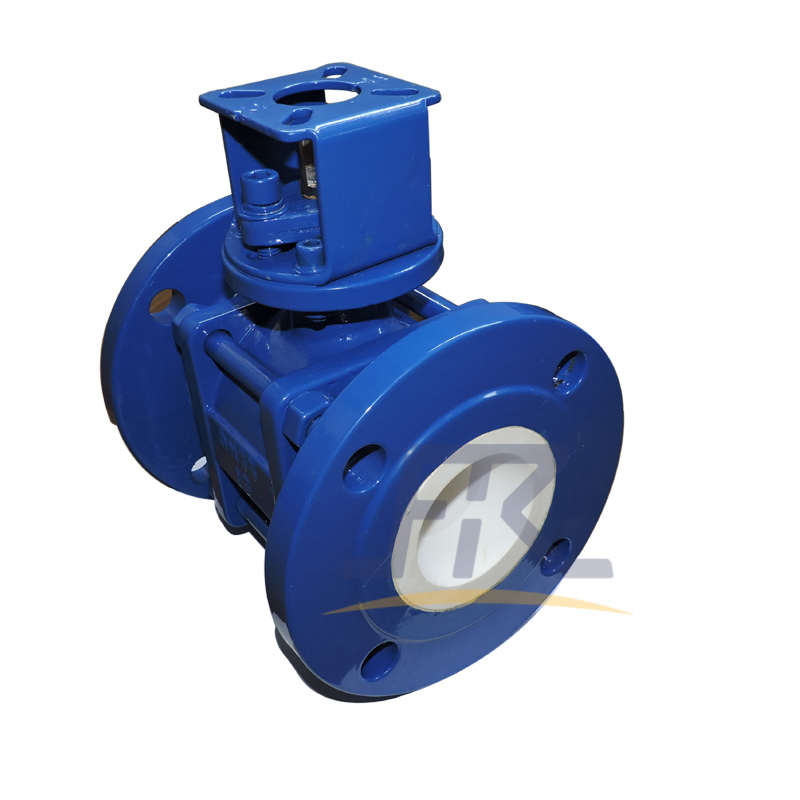
Floating Ball Valve
Temperature
High Temperature
Ball Material
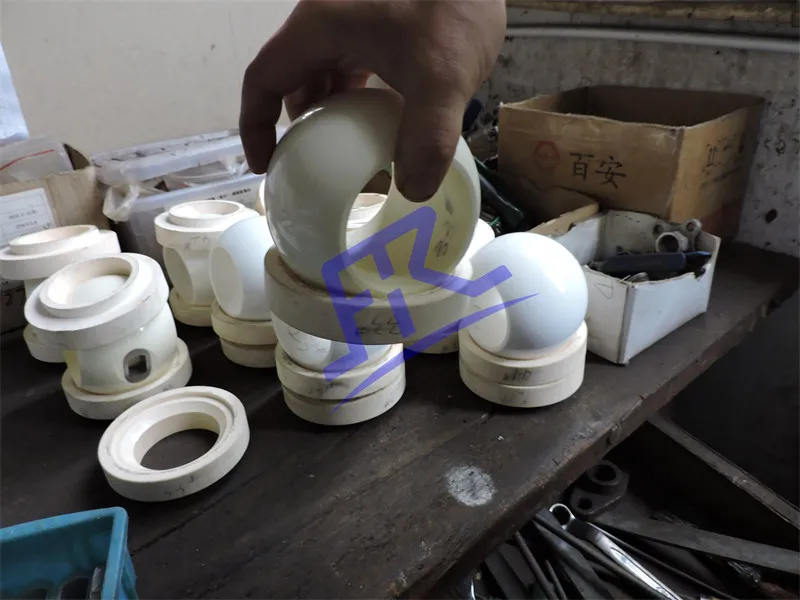
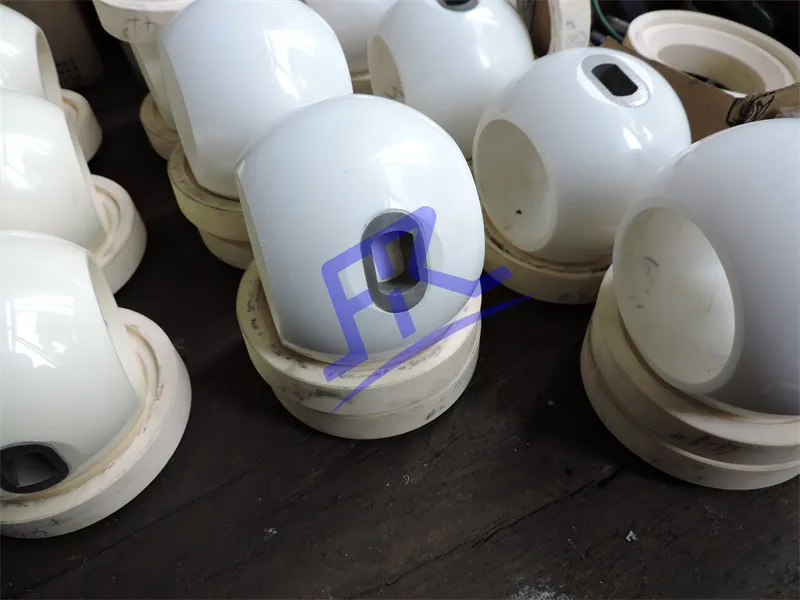
Zirconia Ceramics
General Overview
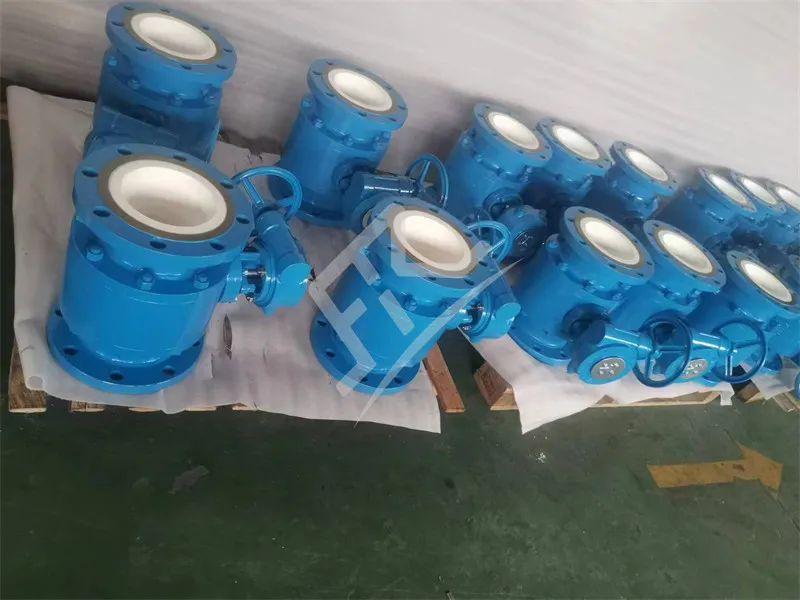
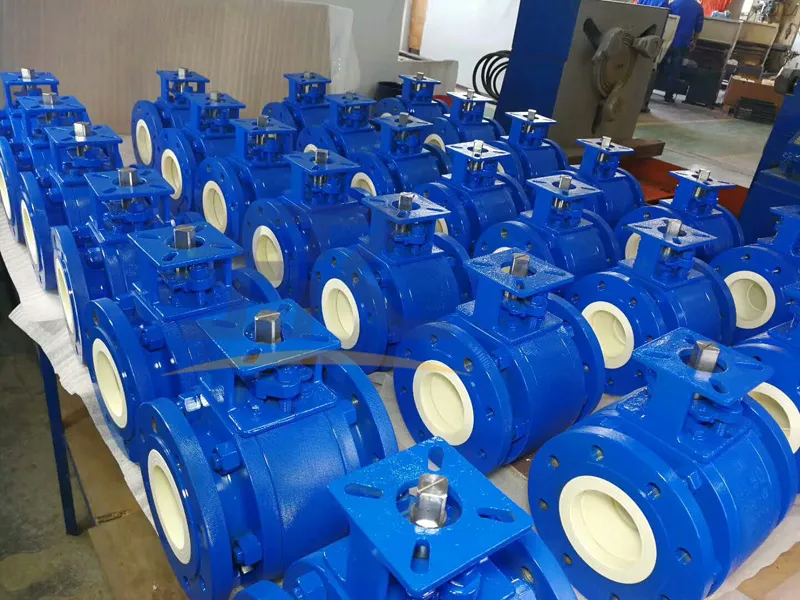
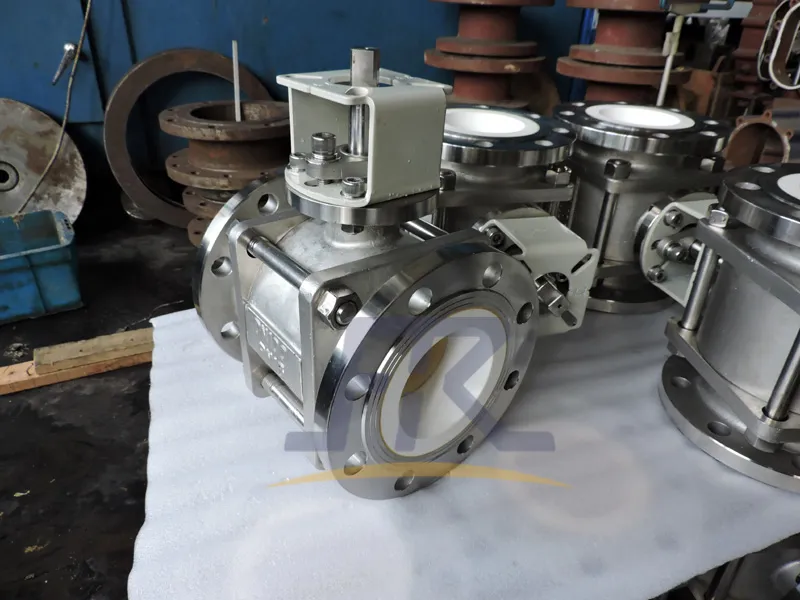
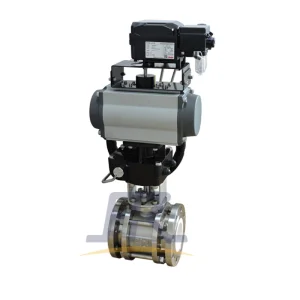
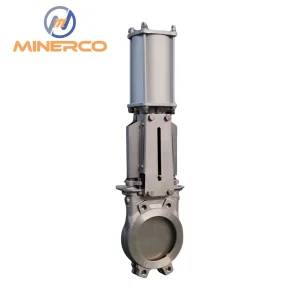
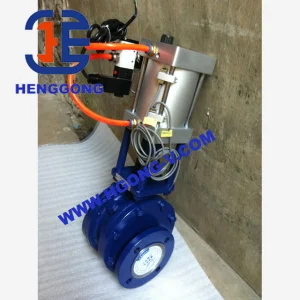
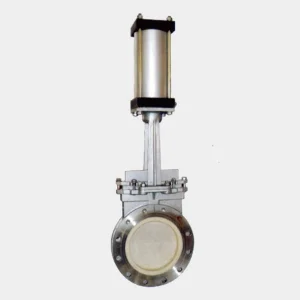
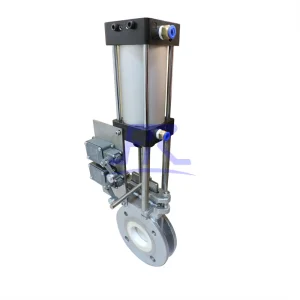
Pneumatic Flanged Ceramic Lined Floating Ball Valves are designed with engineering ceramics. The engineering ceramics internal parts provide excellent wear resistance. These ceramic ball valves are widely used for open/close functions and throttling control tasks in corrosive media with abrasive solids content.
Key Features
- The hardness of the ceramic material can be higher than HRC80.
- Engineering internal parts provide superior protection from corrosive and abrasive medium.
- Customized actuation types: manual lever, gear box, pneumatic, electric, and hydraulic actuators.
- Customized V-type ceramic control valve is also available.
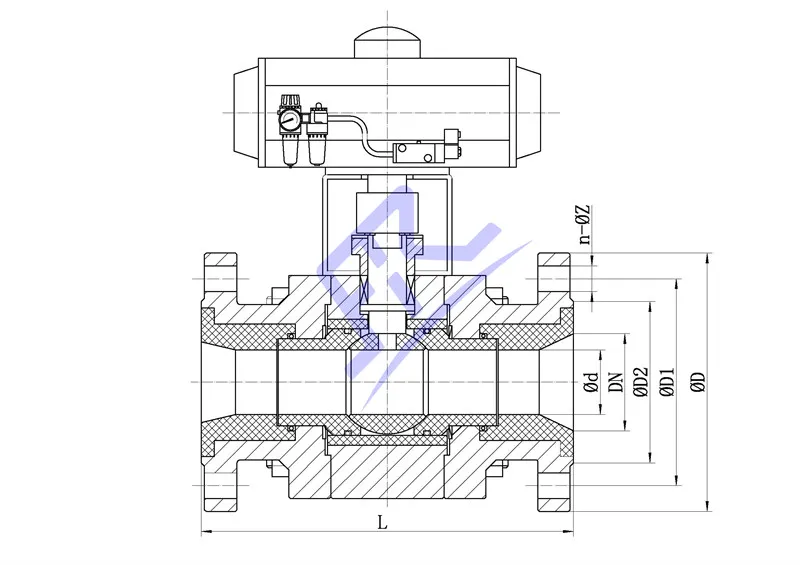
- Floating ball design: ball is pressed against the downstream seat under differential pressure to achieve sealing.
Technical Specification
| No. |
Item |
Specification |
| 1 | Size Range | NPS 2 ~ NPS 8, DN50 ~ DN200 |
| 2 | Nominal Pressure | Class 150 / PN6 / PN10 |
| 3 | Applicable Temperature | 0~200ºC |
| 4 | Connection Type | Flange |
| 5 | Ball Material | ZrO2 Ceramic |
| 6 | Seat / Lining | Ceramic |
| 7 | Pressure Test | GB/T13927, API598 |
| 8 | Face to Face | GB/T12221, ASME B16.10 |
| 9 | Operating Type | Pneumatic |
| 10 | Flange Standards | ASME B16.5, GB/T9113 |
Application Fields
These valves are suitable for: Silicon Powder, Alumina Powder, Dry Coal Powder, Limestone Slurry, Gypsum Slurry, Plaster, Fly Ash, Mining Ore, Coal Powder Injection, Metallurgical dust, Thermal Power plant FGD, and LiCoO2 powder equipment.
Frequently Asked Questions (FAQ)
Q1: What are the main benefits of using ceramic lined ball valves?
A: Ceramic lined valves offer extreme hardness (up to HRC80) and superior resistance to corrosion and abrasion compared to standard metal valves.
Q2: Can the connection size be customized?
A: Yes, flange connection sizes can be customized according to requirements such as GB/T9113, ASME B16.5, or JIS B2220.
Q3: What types of actuators can be used with these valves?
A: The valves can be fitted with manual levers, gear boxes, pneumatic, electric, or hydraulic actuators.
Q4: Is the valve suitable for high-temperature slurry?
A: Yes, these valves are designed for high-temperature applications up to 200ºC and are excellent for limestone and gypsum slurries.
Q5: What is the sealing principle of the floating ball design?
A: The ball has a defined clearance and is pressed against the downstream seat by the differential pressure of the medium to create a tight seal.
Q6: What standards are used for pressure testing?
A: Valves are tested according to GB/T13927 and API598 standards.
 Xingli Industrial Ceramics