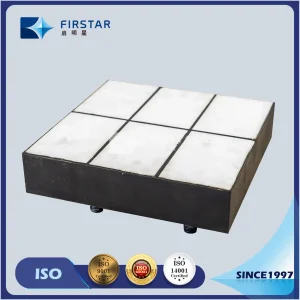
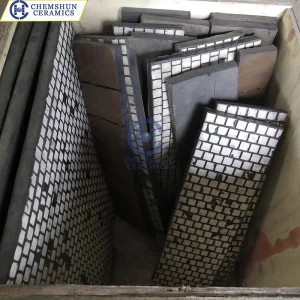
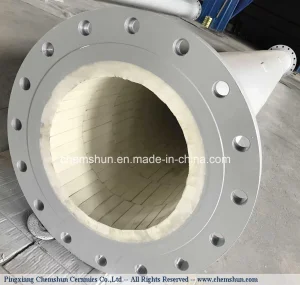
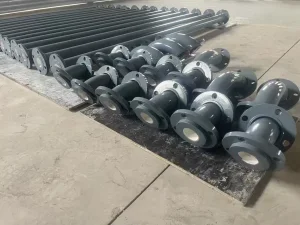
In modern industrial environments, the conveyance of highly abrasive, corrosive, and high-velocity slurry media is a primary driver of operational downtime and maintenance costs. Conventional carbon steel or alloy pipes degrade rapidly under continuous particulate bombardment, shear stress, and chemical attack. Ceramic-Lined Steel Piping Systems address this vulnerability by combining the structural ductibility of outer steel casing with the extreme hardness, chemical inertness, and thermal stability of internal technical ceramic linings.
Engineered through advanced sintering processes, these systems typically deploy Alumina (Al₂O₃), Zirconia-Toughened Alumina (ZTA), or Reaction-Bonded Silicon Carbide (RBSiC). The inner ceramic lining forms an impenetrable barrier that resists mechanical wear and erosion. The result is a highly durable system that offers up to a 10x longer service life compared to standard alloy steels, drastically lowering the Total Cost of Ownership (TCO) for global mining operations, power generation, cement plants, and chemical processing facilities.
The synthesis of industry-leading ceramic-lined piping relies on specialized raw material processing and precise system engineering. Zibo Xingli Industrial Ceramics Co., Ltd stands as a premier enterprise specializing in the production of high-grade industrial alumina ceramics, zirconia ceramics, and carbon-silicon composite products. Their core competencies lie in wear-resistant ceramic ball grinding media, alumina linings, custom ceramic liners, and inert alumina balls designed for catalyst support. Zibo Xingli provides the foundational material science needed to withstand extreme mechanical stress.
Complementing this expertise, Hunan Yibeino New Materials Co., Ltd. integrates state-of-the-art product design, system manufacturing, and direct installation services. Certified under the rigorous ISO9001:2015 Quality System and ISO14000 Environmental Management System, Hunan Yibeino implements strict quality controls spanning raw material formulation, production process management, and final structural inspections. Together, these entities deliver high-performance solutions tailored to the needs of the global market.
Chinese technical ceramic manufacturers have developed a robust ecosystem that delivers distinct advantages in performance, scalability, and economic value. Our specialized cluster in Zibo (Shandong) and Hunan integrates the entire supply chain, from raw mineral extraction and high-purity powder preparation to advanced sintering and steel composite fabrication.
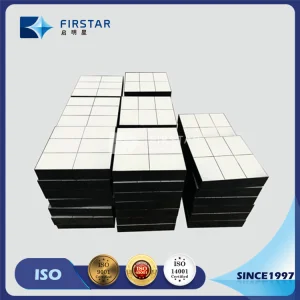
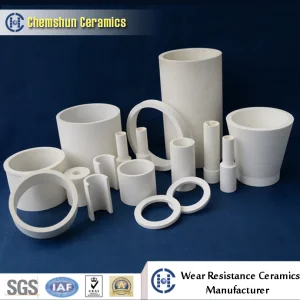
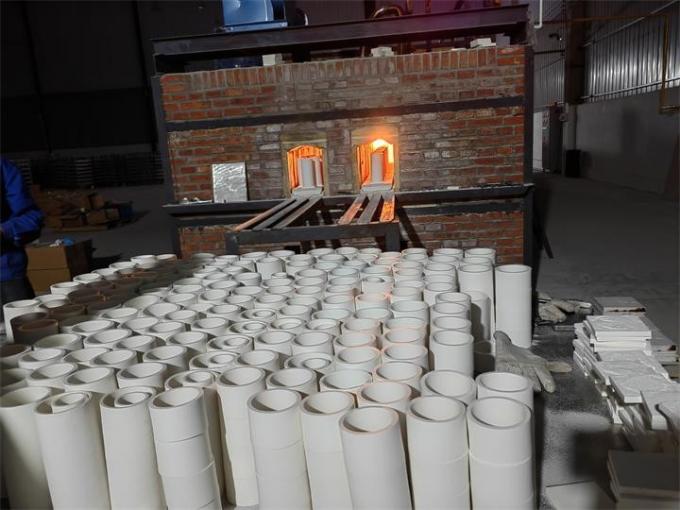
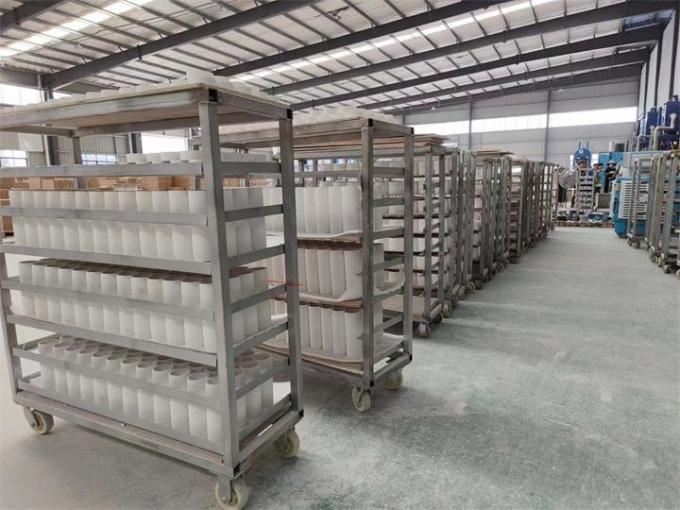
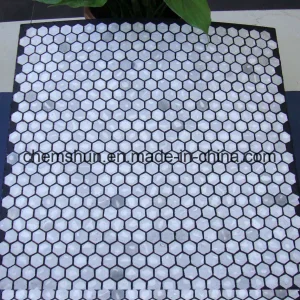
Utilizing high-tonnage cold isostatic pressing (CIP), we produce high-density ceramic sleeves and tiles with minimal internal defects. These are sintered in computer-controlled tunnel kilns at temperatures up to 1700°C, optimizing mechanical strength and hardness.
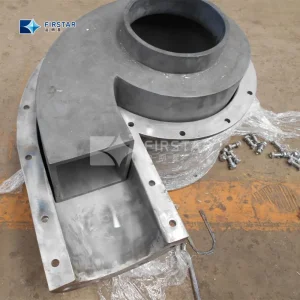
Our R&D has secured multiple utility patents, including "An elbow of pump pipe discharge anti-clogging pipe" and "A conveying device for ceramic-lined pipes." These designs reduce drag and prevent slurry stagnation.
We utilize specialized formulations, including rubber-ceramic vulcanization and high-temperature epoxy binders, ensuring the ceramic tiles remain firmly bonded to the steel backing under high vibrational and thermal stress.
Operating conditions vary significantly by sector. Ceramic-lined steel piping systems must be custom-tailored to handle specific dynamic forces:
Procurement departments in global industrial enterprises focus on reducing capital expenditures (CAPEX) while optimizing operational lifespans (OPEX). Although ceramic-lined steel piping requires a higher initial investment compared to unlined carbon steel, it provides a significantly lower total lifecycle cost.
By partnering with specialized manufacturers like Zibo Xingli and Hunan Yibeino, procurement teams benefit from structured, end-to-end support. This begins with pre-sales engineering consulting to evaluate your processing parameters, followed on-sales custom technical drawing confirmations, and concludes with post-sales installation and maintenance guidance. This comprehensive support helps prevent premature pipeline failures, mitigates costly process leaks, and minimizes unscheduled system downtime.
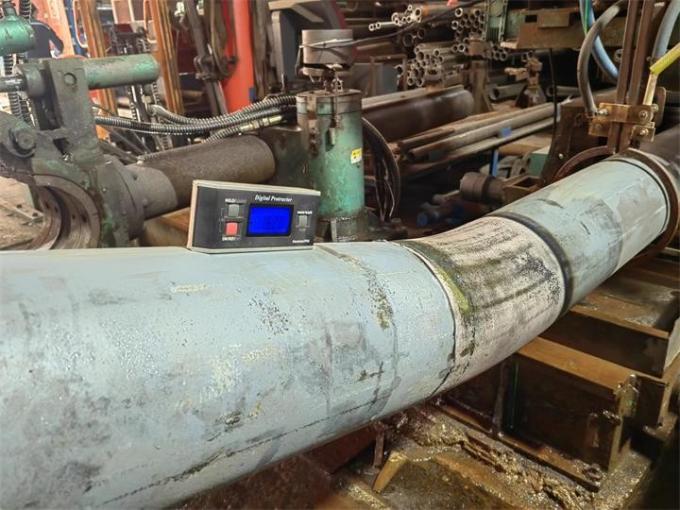
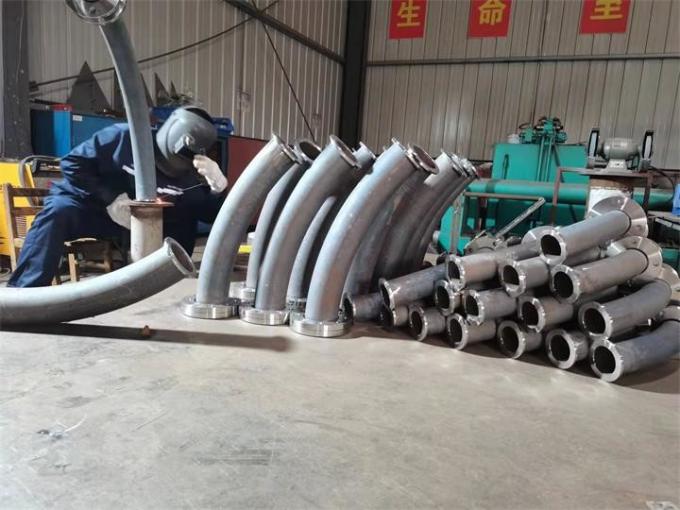
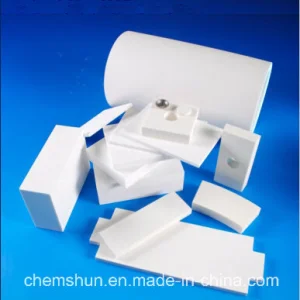
The industrial wear protection sector is shifting toward high-purity, multi-component ceramic composites. Zirconia-Toughened Alumina (ZTA), which incorporates zirconia particles into an alumina matrix, offers significantly improved fracture toughness over pure alumina. This makes ZTA ideal for high-impact applications like chute wear liners and slurry deflection elbows.
Similarly, Reaction-Bonded Silicon Carbide (RBSiC) is increasingly used in high-temperature, highly abrasive environments. With its low coefficient of thermal expansion and excellent chemical resistance, RBSiC prevents catastrophic failures in chemical process pipelines. Our factories continue to develop new formulations, providing long-lasting performance for complex industrial applications worldwide.
Our sales and technical teams conduct on-site audits or comprehensive virtual reviews to analyze operating parameters, pressure gradients, and media characteristics, recommending the most appropriate wear protection options.
We generate precise CAD drawings and 3D models for all customized bends, elbows, and straight spools. We verify all flange dimensions, backing plates, and tolerances with the customer before production begins.
We offer installation supervision and operational training to ensure optimal performance. In the event of system anomalies, our field engineers are scheduled to arrive on-site within 48 hours in China, with virtual support options available for global buyers.
Alumina and silicon carbide ceramics have a Mohs hardness of 9, which is significantly harder than high-chromium cast iron (typically HRC 55-62, equivalent to roughly Mohs 6-7). Under high-velocity slurry flow, ceramic-lined systems wear at a much slower rate, offering up to 5x the lifespan in applications with high sliding abrasion and moderate impact.
The temperature limit depends on the bonding medium used between the ceramic lining and the steel casing. Epoxy-bonded linings are typically rated up to 150°C (302°F) or 250°C (482°F) with high-temperature resins. Interlocking tile or welded sleeve designs, which utilize mechanical anchoring or inorganic cement binders, can operate at temperatures up to 800°C (1472°F) in hot gas ducts or ash piping systems.
Pure alumina is brittle and can fracture under heavy, perpendicular impact. For applications with high impact forces, we recommend Zirconia-Toughened Alumina (ZTA) or ceramic-rubber composite liners. The rubber matrix absorbs mechanical energy, protecting the outer steel casing and preventing ceramic fractures.
We offer multiple connection options, including loose flanges, fixed flanges, welded sleeves, and quick couplings. Flanged joints are recommended to prevent welding heat from degrading the internal bonding agents during assembly.
Yes, our engineering team customizes all piping diameters, wall thicknesses, flange types, and bend angles to match your existing system layout. We provide detailed CAD drawings for approval before starting fabrication.
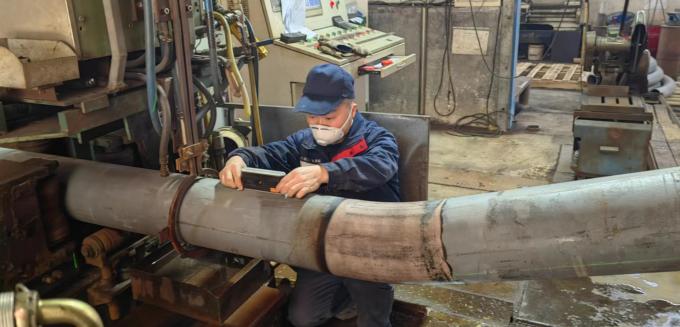
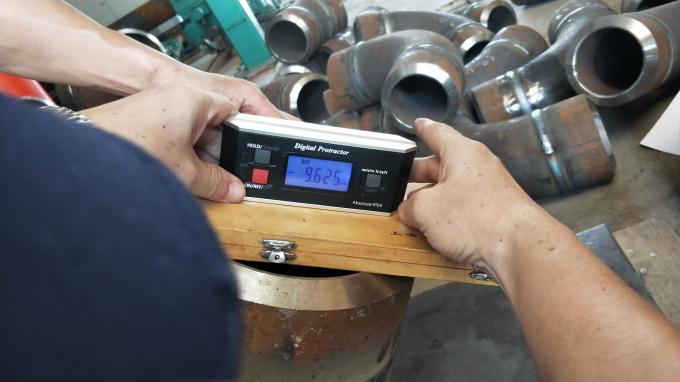
Our products undergo strict testing based on ISO9001:2015. Quality checks include dimensional inspections, ultrasonic testing (UT) of steel welds, density and hardness testing of the ceramic components, and bond strength testing.
We export globally, supplying key industrial markets in the United States, Germany, Sweden, India, Turkey, the Netherlands, Italy, Spain, Japan, South Korea, Russia, and Vietnam.
Our patented anti-clogging elbow design optimizes flow geometry to reduce turbulence and pressure drops. By minimizing internal flow resistance, the design prevents material accumulation and reduces friction-induced wear on the elbow's outer curve.
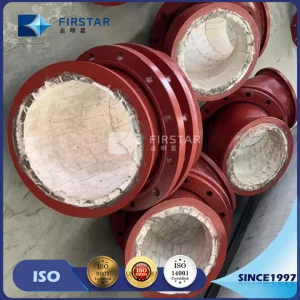
 Xingli Industrial Ceramics