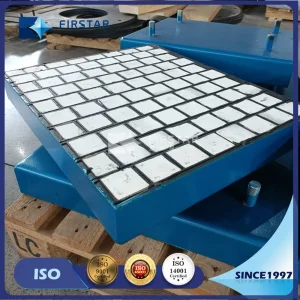
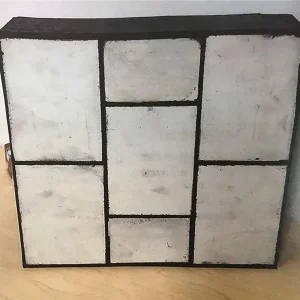
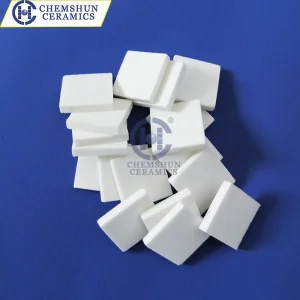
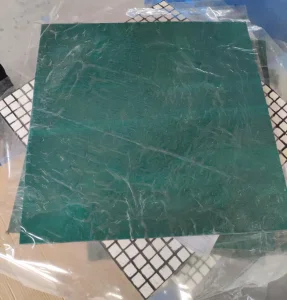
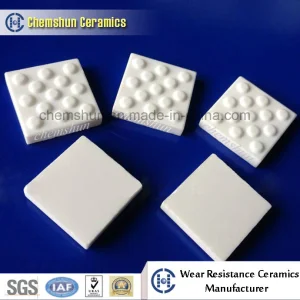
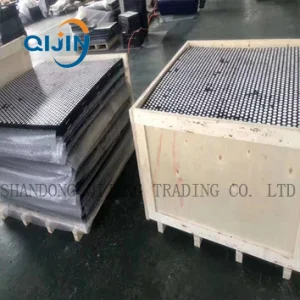
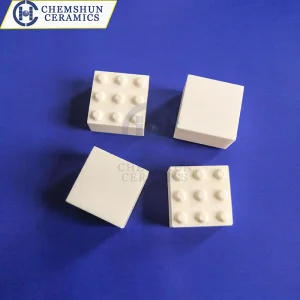
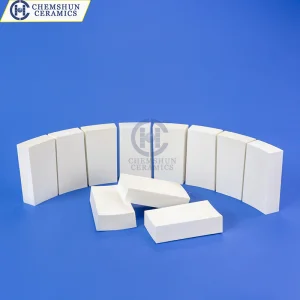
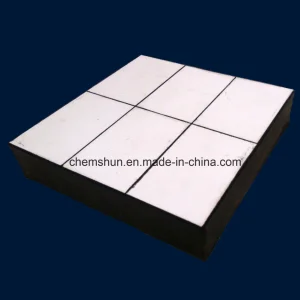
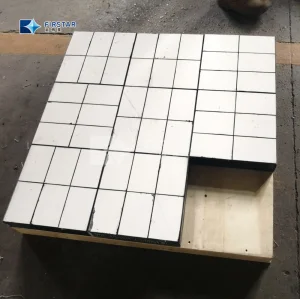
New Zealand's industrial landscape, characterized by its rugged terrain and heavy reliance on primary production, demands engineering materials that can withstand extreme conditions. From the iron sand extraction in Waikato to the gold mines of Otago and the coal fields of the West Coast, the "Steel-backed Alumina Ceramic Tile" has emerged as the gold standard for wear protection.
In the New Zealand market, we see a growing shift towards Steel-backed Alumina Ceramic Tiles. Unlike traditional steel liners which succumb to rapid abrasion and corrosion, our composite tiles combine the hardness of ceramic with the structural integrity of steel. This is particularly vital in New Zealand’s dairy processing sector, where high-speed conveying of abrasive milk powders and additives requires liners that do not contaminate the product and offer long life cycles.
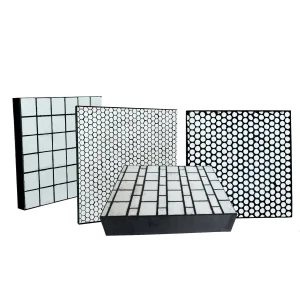
The North Island's iron sand mining operations are notoriously harsh on equipment. Traditional polyurethane or AR400 steel plates often fail within months. By implementing our Steel-backed 92% Alumina Ceramic Hole Tiles, local operators have reported a 5x increase in component lifespan. The "Steel-backing" allows for easy welding or bolting onto existing chutes, while the Alumina layer handles the high-velocity impact of sharp volcanic sand.
Currently, the trend in New Zealand's heavy engineering is "Sustainability through Longevity." The environmental regulations in NZ are some of the strictest in the world. Using Steel-backed Alumina Ceramic Tiles reduces industrial waste by extending the replacement interval of chutes and hoppers. Furthermore, as automation increases in NZ’s ports—like the Port of Tauranga—there is an urgent need for zero-maintenance lining solutions that can operate 24/7 without manual inspection.
Integrated rubber layers between the steel and ceramic absorb energy from high-drop materials common in NZ quarries.
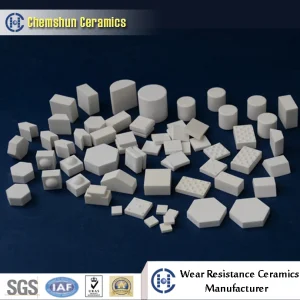
With a hardness second only to diamond, our alumina tiles withstand the most abrasive iron ore and gold quartz.
As a leading manufacturer and exporter, we understand the logistical requirements of the South Pacific. Our Steel-backed Ceramic Mats are designed for rapid installation, minimizing downtime for critical NZ infrastructure projects. We provide customized dimensions for specific local equipment like Crushers, Feeders, and Cyclone separators used in Taranaki’s energy sector.
Hunan Yibeino New Materials Co., Ltd. (and our partner Zibo Xingli Industrial Ceramics Co., Ltd) is an enterprise specializing in the production of industrial alumina ceramic, zirconia ceramic, and carbon-silicon products. We have passed the ISO9001:2015 quality system certification, ensuring that every steel-backed tile exported to New Zealand meets international standards.
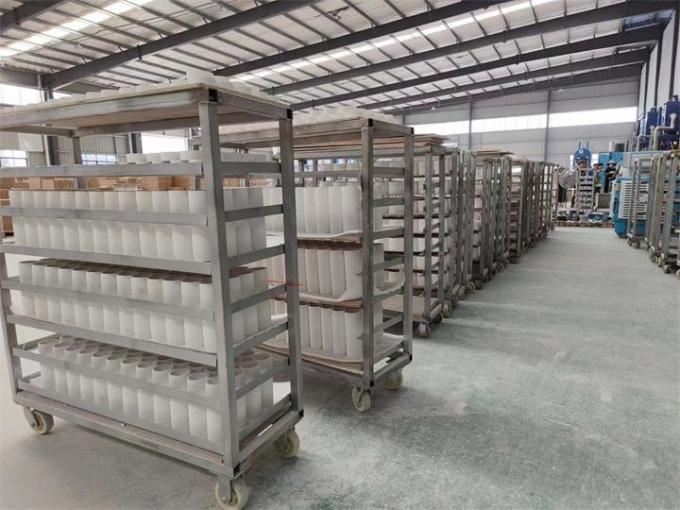
Our company has a presence all over the world, with a strong focus on the South Pacific corridor. We adhere to the business philosophy of "integrity, hard work, innovation" and provide high-quality services based on the principle of "quality first." Whether you are a mining contractor in Christchurch or a port manager in Auckland, our engineering team is ready to assist.
Pre-sales: Our business managers communicate via phone or video in the early stages, providing reasonable anti-wear solutions according to the operating conditions of your equipment in the NZ bush or coast, followed by a detailed project budget quotation.
On-sale: After fully understanding the operating status of the customer's equipment, we design drawings for customized Steel-backed Ceramic Liners and submit them for confirmation.
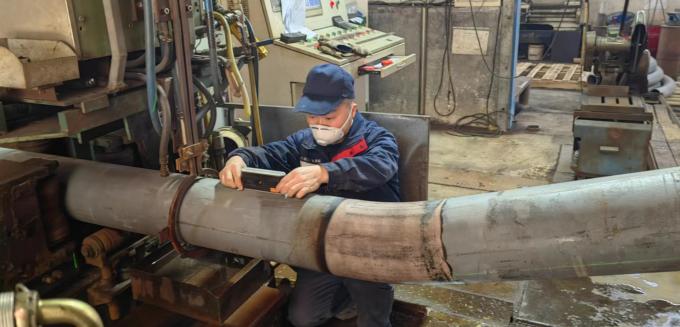
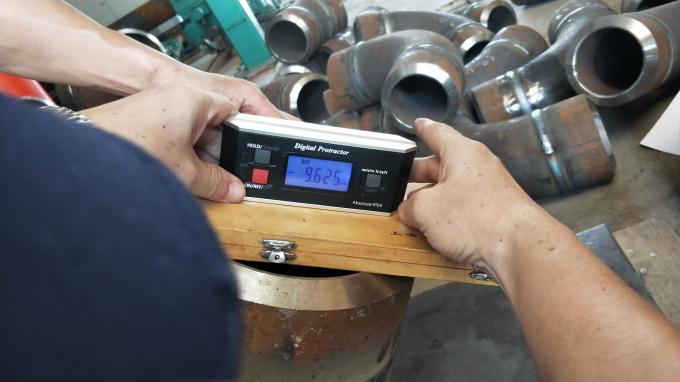
Our products are widely exported and recognized for their innovation. We hold patents such as "A kind of elbow of pump pipe discharge anti-clogging pipe" and "A lining board installation structure," which are critical for New Zealand’s growing Geothermal Energy and Hydropower sectors.
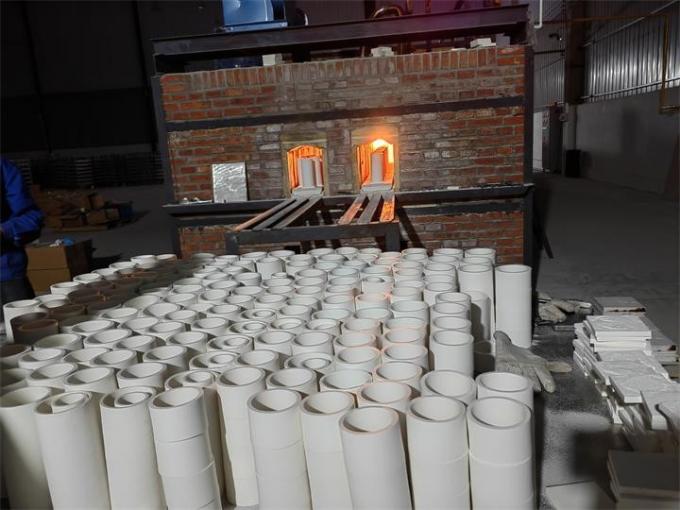
Our factory uses state-of-the-art cold isostatic pressing and high-temperature vacuum sintering to produce alumina ceramics with a density of up to 3.65 g/cm³. The bonding between the Alumina Ceramic and the Steel Plate is achieved through advanced vulcanization technology, ensuring that the tiles never delaminate, even under the freezing temperatures of the Southern Alps or the humid conditions of Northland.
 Xingli Industrial Ceramics