Engineered components designed to withstand extreme abrasion, heavy impact, and mechanical stress across modern processing industries.
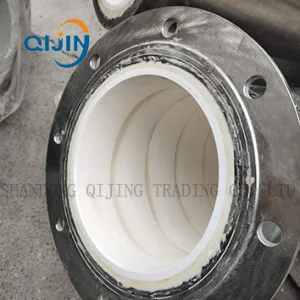
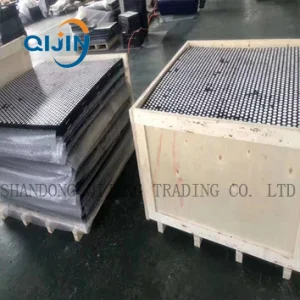
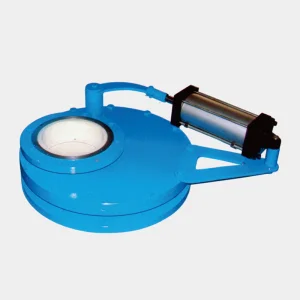
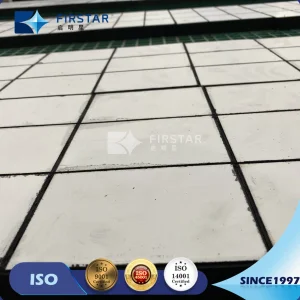
In high-wear heavy-duty industries, traditional metal materials fail prematurely under the combined forces of heavy abrasion, high velocity impacts, and chemical corrosion. The development of steel-ceramic composite technology has revolutionized bulk material handling, milling systems, and high-wear tooling. By combining the high hardness of ceramics with the fracture toughness and machinability of structural steels, these composite systems offer unprecedented extensions to equipment lifespans and substantial operational savings.
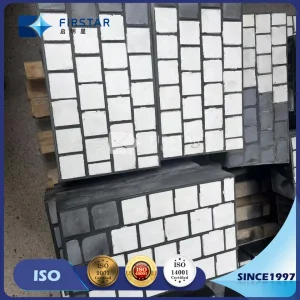
Utilizing high-purity alumina (92%-99% Al₂O₃), zirconia, and reaction-bonded silicon carbide tiles to deliver surface hardness second only to diamond, providing wear factors up to 10-15x higher than hardened alloys.
High-tensile steel backing plates and pipe shells provide the robust framework necessary to absorb heavy mechanical stress, prevent ceramic cracking under impact, and support conventional welding or bolting installation methods.
By implementing advanced bonding mechanisms (such as cold-vulcanized elastomer backings or vacuum metallurgy brazing), the composite structure isolates shock loads and prevents structural failure.
The global demand for high-performance steel-ceramic composite tools and linings is accelerating. Industries like cement manufacturing, coal-fired power generation, lithium-battery raw material processing, and heavy mining cannot afford unscheduled downtime. The current commercial landscape reveals a structural transition from pure metallic linings (such as Hardox or high-chrome cast irons) to composite configurations. In heavy processing systems, abrasion represents not just material loss, but huge losses in operational efficiency and energy consumption.
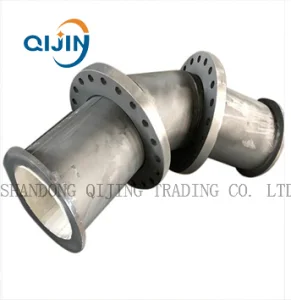
Manufacturers in regions like Zibo and Hunan (China) have capitalized on dense, localized industrial clusters to pioneer composite formulations. By integrating state-of-the-art ceramic powder preparation with sophisticated steel fabrication plants, these leading exporters deliver custom-engineered elbows, pulleys, and wear plates globally. Key importing regions include the United States, Germany, Australia, and South America, where high mining volumes and stringent safety regulations require extremely durable processing components.
A major challenge of steel-ceramic design is the difference in thermal expansion and physical properties between ceramics and steel. While alumina ceramic boasts a Mohs hardness of 9, it is brittle and prone to failure under sudden impacts. Steel is tough and malleable, but wears down quickly under abrasive friction. Manufacturers solve this mismatch using three primary structural methods:
Different operating environments require highly specialized wear protection configurations. Leading manufacturers no longer sell off-the-shelf parts; instead, they provide comprehensive engineering solutions tailored to specific industries:
Understanding the manufacturing capabilities, quality controls, and service records of top exporters is crucial for global procurement. Below are detailed profiles of two major industry leaders, highlighting their capabilities, structural designs, and service frameworks.
An enterprise specializing in the production of high-performance industrial alumina ceramic, zirconia ceramic, and carbon-silicon products. The company focuses on providing high-efficiency wear-resistant ceramic ball grinding media, alumina linings, ceramic liners, ceramic pipes, and inert alumina balls designed for catalyst support.
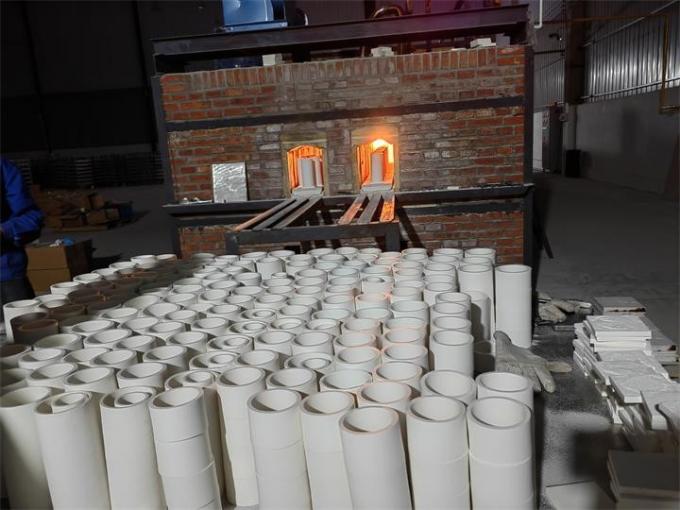
By leveraging advanced powder preparation and high-temperature sintering kilns, Zibo Xingli ensures its ceramics maintain high density and wear resistance. This is ideal for vertical mills, chemical reactors, and mineral processing systems requiring maximum chemical purity and abrasion resistance.
Hunan Yibeino New Materials Co., Ltd. is a modern manufacturer certified under the ISO9001:2015 quality system and ISO14000 environmental management system. The company's design, manufacturing, and installation processes are fully integrated into its ISO system, assuring consistent product performance and high quality from raw material selection through factory inspection.
With extensive on-site industry experience, the company provides customized wear protection designs, rapid prototyping, and competitive prices. Hunan Yibeino holds patents for key innovations, including:
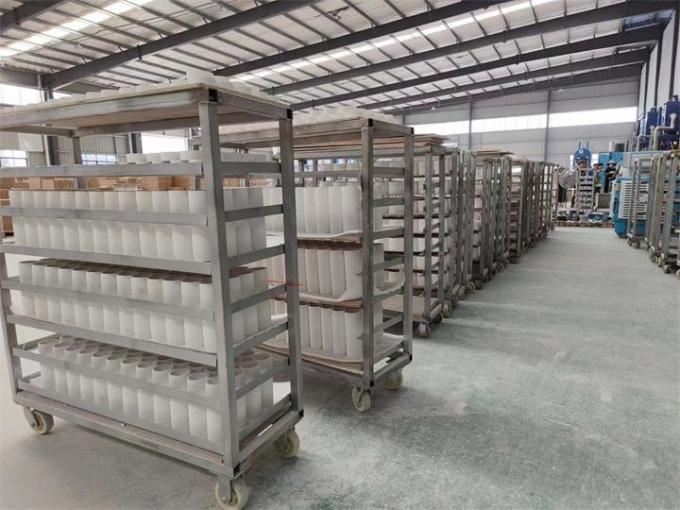
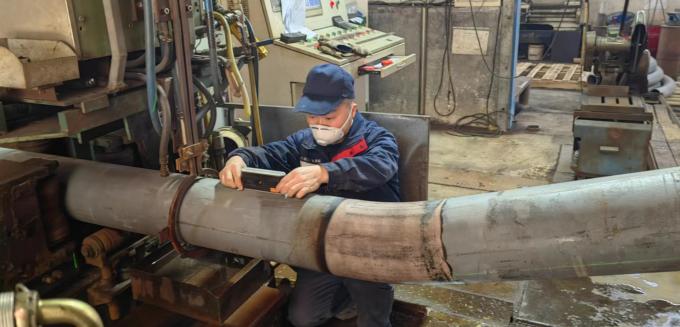
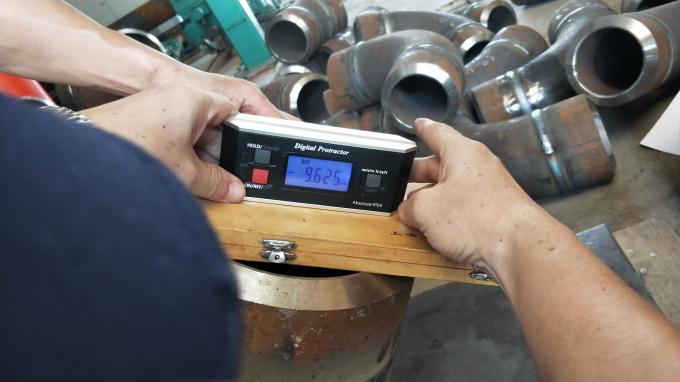
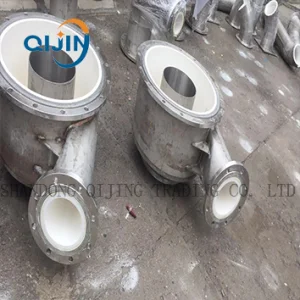
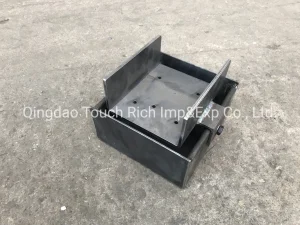
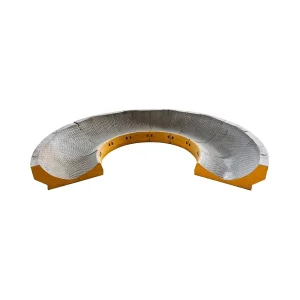
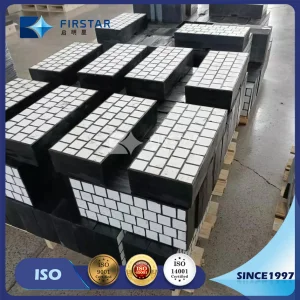
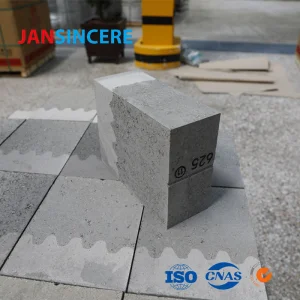
Maintaining high performance in extreme environments requires strict quality controls at every production step. Below are views of our production processes, raw material inspections, and custom composite structures ready for shipment:
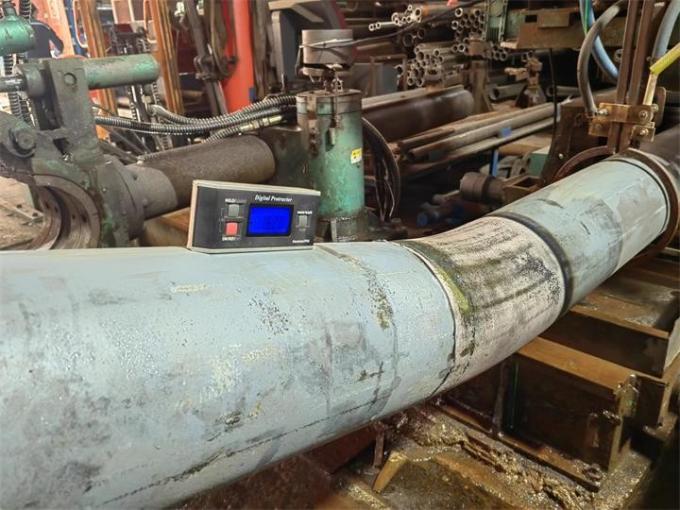
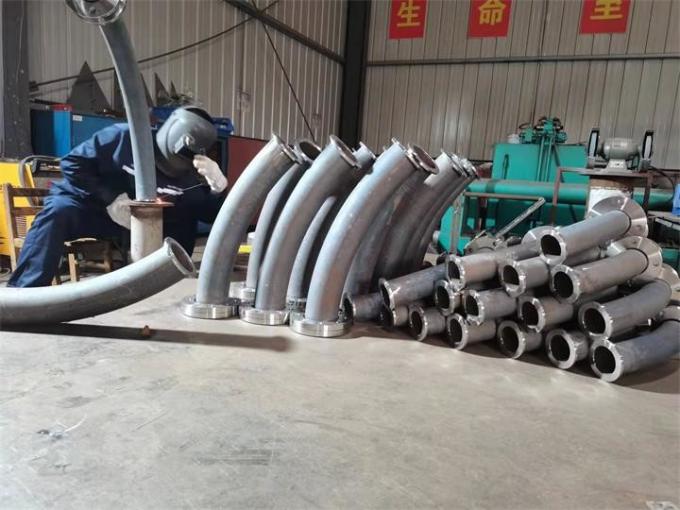
Working with global industrial customers requires more than just high-quality manufacturing—it requires reliable, responsive service. Global operations need fast support to avoid costly downtime. Leading manufacturers use a structured pre-sales, on-sales, and after-sales service workflow to guarantee performance:
Products are exported worldwide, primarily serving industrial plants in the United States, Germany, Sweden, India, Turkey, the Netherlands, Italy, Spain, Japan, South Korea, Russia, and Vietnam. By adhering to international standards and focusing on quality-first relationships, these exporters help global customers maintain steady, efficient production.
As industrial operations demand higher efficiency, the technology for steel-ceramic composites is shifting toward smarter and more durable solutions. Key areas of development include:
Steel-ceramic composites offer up to 10-15 times the wear life of high-chromium or hardened alloy steels under abrasive conditions. While steel resists impacts, it wears quickly under micro-abrasion. Ceramics provide extreme surface hardness (Mohs 9) to resist abrasion, while the steel backing provides impact resistance and structural strength, saving maintenance costs and downtime.
The choice depends on the size of the material and the impact angle. For high-impact, large material applications, a three-in-one liner (ceramic + rubber + steel backing) is recommended, as the rubber layer absorbs shock. For fine material conveying with minimal impact, a two-in-one liner (ceramic + rubber) or direct epoxy bonding is often more cost-effective.
Yes, but the temperature limit depends on the bonding adhesive. Standard epoxy or rubber backings are suitable for temperatures up to 120°C to 150°C. For high-temperature zones (up to 250°C or 350°C), mechanical stud-welding, inorganic binders, or metallurgical brazing are recommended to keep the ceramic tiles secure.
Look for manufacturers with ISO 9001:2015 quality system and ISO 14001 environmental management system certifications. These certifications ensure that the entire manufacturing process, from raw material procurement to final inspection, meets international standards for quality and consistency.
Our engineering team analyzes your operating parameters and CAD designs. We then map the ceramic tiles to fit the exact dimensions of your equipment, minimizing joints and gaps. This custom layout reduces localized wear and prevents material leakage during operation.
Lead times vary depending on the size and complexity of the design, usually ranging from 3 to 6 weeks. This includes steel pipe fabrication, custom ceramic lining, curing, and final quality inspections before packing and shipping.
Yes. Many composite wear plates feature a steel backing plate that can be welded directly to your steel chutes or hoppers. Alternatively, plates can be designed with countersunk bolts or studs for mechanical fastening, making installation quick and simple.
Alumina (92% - 95%) is the standard choice for general wear protection due to its excellent cost-performance ratio. Zirconia (or zirconia-toughened alumina, ZTA) offers higher toughness and fracture resistance, making it ideal for severe impact zones or high-stress environments.
High-durability tools, pipes, and assemblies engineered to support continuous workflow and reduce maintenance cycles.
 Xingli Industrial Ceramics