Precision-engineered wear components, ceramic-lined conduits, and custom structural assemblies designed for zero-downtime performance.
Evaluating Structural Integrity, Tribological Synergy, and Advanced Materials Science in Modern Industrial Bulk Handling Infrastructure
In heavy industrial processing plants—spanning thermal power generation, mining slurry transit, cement clinker conveyance, and chemical processing—structural components face combined destructive forces: continuous mechanical flexure, severe high-velocity slurry or particle sliding abrasion, and extreme corrosive environments. Traditional structural steel girders, while offering superb tensile strength, yield rapidly under abrasive friction. Conversely, monolithic technical ceramics offer exceptional Mohs hardness (9.0) but lack structural ductility.
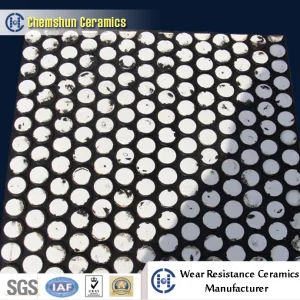
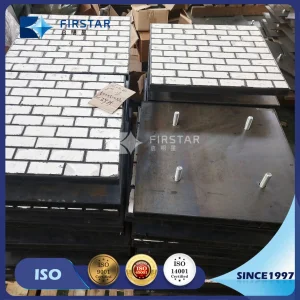
The engineering answer lies in Custom Ceramic-Lined Steel Girders. By metallurgical bonding or high-shear epoxy matrix joining of high-purity Alumina (Al₂O₃) or Silicon Carbide (SiC) tiles directly to the inner tension or compression zones of structural steel I-beams, box girders, and custom truss members, manufacturers create a composite structural member that maximizes tensile strength while maintaining a virtually impervious surface against severe wear.
The global demand for advanced wear-resistant composite structural members is experiencing unprecedented expansion. According to industry metrics, the wear-resistant material sector in heavy industrial applications is growing at a CAGR of 6.8%. Key drivers include the global push toward operational efficiency, reduction of unscheduled plant downtime, and stringent ESG (Environmental, Social, and Governance) targets aimed at minimizing raw material waste caused by premature equipment failure.
Export markets across North America, Western Europe, the Middle East, and Southeast Asia are increasingly standardizing on custom-engineered ceramic-steel composite girders for mining conveyors, vibrating screen support frames, and heavy furnace discharge chutes. Leading global engineering procurement and construction (EPC) contractors now mandate pre-engineered ceramic lined structures for high-velocity bulk transfer nodes.
Technological advancement in ceramic-lined steel structural engineering has evolved rapidly beyond basic mechanical clamping or simple adhesive bonding. Key industry trends shaping the future of this sector include:
While custom ceramic-lined steel structural girders represent a higher initial capital investment compared to standard carbon steel (Q235B / Q355B) or wear-resistant AR400/500 plates, their operational lifespan is 8 to 15 times longer. Operating data from major global mining operations indicates an overall 65% reduction in lifetime maintenance expenditures and up to 80% decrease in unscheduled structural maintenance downtime.
Quantitative evaluation of structural girders across key mechanical and tribological metrics under heavy industrial operating conditions.
| Material / Construction Type | Hardness (Mohs / HRC) | Density (g/cm³) | Impact Resistance | Slurry Abrasion Index | Relative Lifespan Ratio |
|---|---|---|---|---|---|
| Standard Carbon Steel (Q355B / A36) | 120-160 HB | 7.85 | Very High | 1.0 (Baseline) | 1.0x |
| Quenched Wear Plate (AR400 / Hardox 500) | 50-55 HRC | 7.85 | High | 2.5 - 3.2 | 3.0x |
| High-Chromium Cast Iron (Cr26) | 58-62 HRC | 7.70 | Medium | 4.0 - 5.5 | 4.5x |
| 92% Alumina (Al₂O₃) Lined Girder | 9.0 Mohs | 3.62 | Medium-High (with rubber buffer) | 12.0 - 15.0 | 10.0x - 12.0x |
| 95% Alumina Engineered Tile Girder | 9.0+ Mohs | 3.68 | High (interlocking setup) | 15.0 - 18.0 | 14.0x - 16.0x |
| Silicon Carbide (SiC) / Zirconia Lined Structure | 9.2-9.5 Mohs | 3.10 - 5.85 | Extreme High Impact & Thermal Shock | 20.0+ | 18.0x - 25.0x |
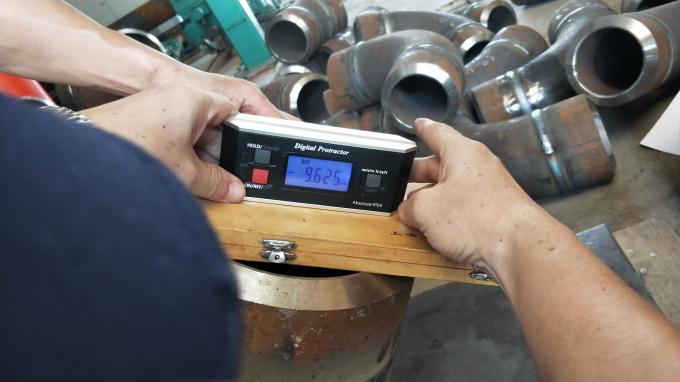
Finite Element Analysis (FEA) simulates stress concentration, dynamic load deflection, and thermal differential expansion between structural steel shells and ceramic linings under dynamic industrial loads.
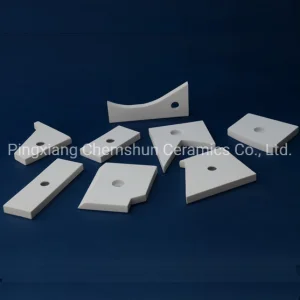
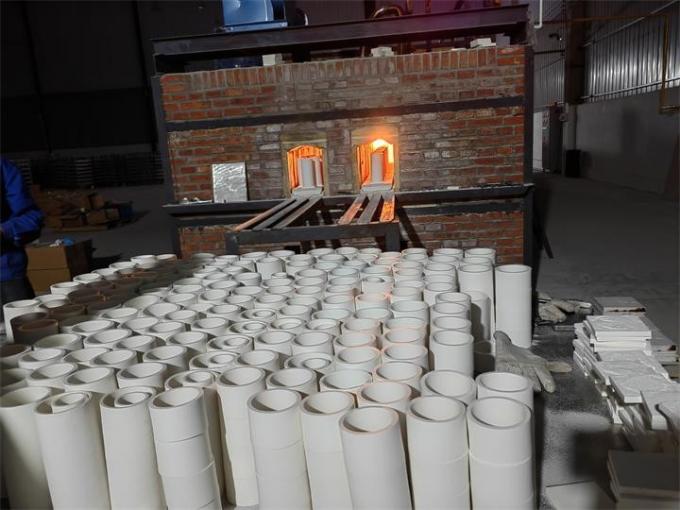
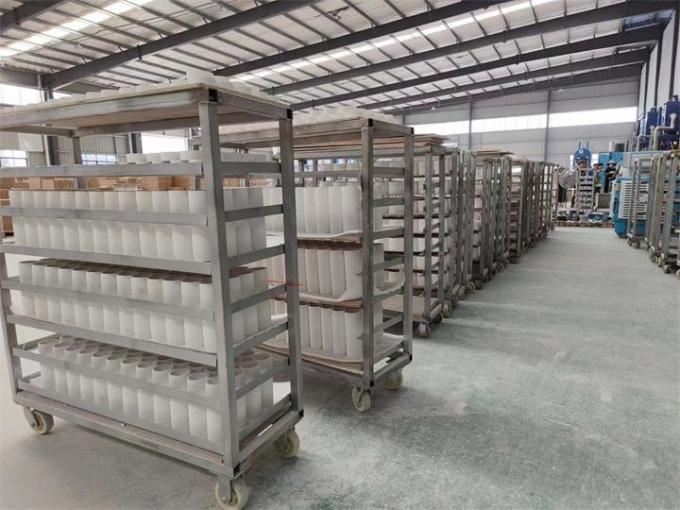
Alumina and Silicon Carbide ceramic formulations undergo Cold Isostatic Pressing (CIP) and sintering at 1700°C, producing uniform microcrystalline structures with near-zero porosity.
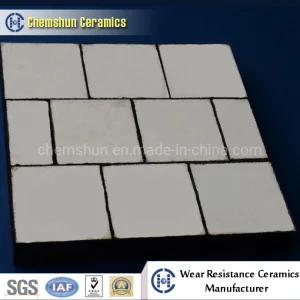
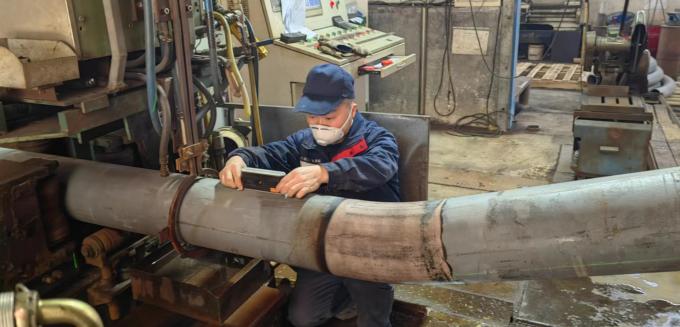
Robotic stud welding, structural polyurethane/epoxy bonding, or high-temperature mechanical stud fixing connects pre-engineered ceramic tiles directly to custom fabricated structural girders.
Engineered applications tailored for critical infrastructure across key heavy industries.
In iron ore, copper, and gold extraction plants, primary crushed ore streams exert violent kinetic impacts and high sliding abrasion on transfer tower structures. Custom ceramic-lined steel girders serve as primary support beams for apron feeders, transfer hoppers, and vibrating screens.
Utilizing high-impact rubber-backed alumina ceramic matrix tiles bonded to heavy H-section steel girders, operators achieve zero fatigue failure under continuous multi-ton payload drops while protecting structural framework from structural necking and erosion.
Coal-fired power plants rely on structural steel trusses and girders to support long-distance pneumatic pulverized coal piping networks and bottom ash removal conveyors. Fine coal ash particles travelling at high velocities cause extreme localized wall thinning.
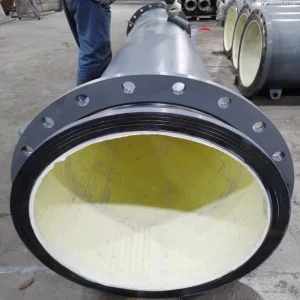
Ceramic-lined steel structural supports incorporate 95% Alumina or Silicon-Mullite composite linings. This guarantees high thermal resistance (up to 1450°C), eliminates thermal distortion of structural steel, and prevents catastrophic structural collapses caused by pipe wall erosion.
In cement plants, raw meal, clinker, and alternative fuel (AF) feed systems subject structural girders to chemical corrosion from alkali compounds, intense heat (400°C to 1100°C), and harsh sliding abrasion from limestone dust.
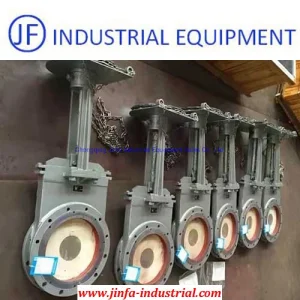
Custom engineered ceramic-lined box girders and specialized knife gate valve support structures prevent high-temperature structural warping while maintaining airtight sealing and abrasion resistance across vertical roller mill (VRM) feed chutes and cyclone separators.
Fully integrated design, testing, and production compliance operating under international ISO protocols.
Zibo Xingli Industrial Ceramics Co., Ltd, operating in direct technical collaboration with Hunan Yibeino New Materials Co., Ltd., represents an international center of excellence in specialized industrial ceramics, wear-resistant ceramic lining technology, and structural composite engineering.
Our combined manufacturing facilities produce high-purity alumina ceramics, zirconia-toughened alumina (ZTA), silicon carbide, and carbon-silicon composite materials. Focused on delivering wear-resistant ceramic ball grinding media, alumina linings, ceramic liners, ceramic pipes, and inert alumina catalyst support media, we deliver end-to-end industrial protection solutions globally.
Hunan Yibeino New Materials Co., Ltd. strictly adheres to the ISO9001:2015 Quality Management System and ISO14001 Environmental Management System. Product design, material synthesis, structural steel fabrication, ceramic vulcanization, and field installation services are fully integrated into our comprehensive quality control protocols, ensuring every component exhibits rock-solid reliability.
Our ongoing investment in tribological research and dynamic wear-mitigation engineering has yielded significant technological breakthroughs. Our registered patent portfolio includes:
Pre-Sales Consultation: Senior technical managers conduct on-site operating condition evaluations or in-depth technical conferences to formulate customized anti-wear architectural drawings, budgetary quotes, and structural load calculations.
On-Sale Engineering: Complete 3D CAD modeling, material certification reporting, and customer design validation prior to automated factory execution.
After-Sales Response: Dedicated technical dispatch teams arrive at customer sites within 48 hours (in mainland China) and offer 24/7 virtual engineering support worldwide.
Expert responses to structural, mechanical, and logistical inquiries regarding ceramic-lined steel girders.
Explore our full line of alumina ceramic liners, steel composite plates, wear pipe fittings, and high-precision mechanical parts.
 Xingli Industrial Ceramics