Xingli Industrial Ceramics
1 / 5
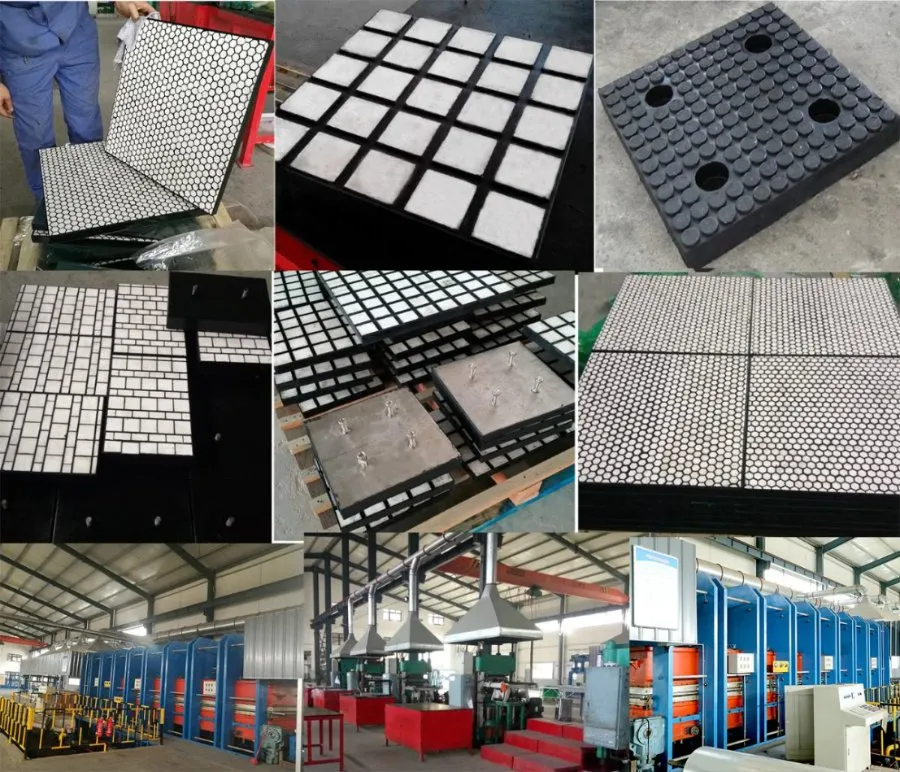
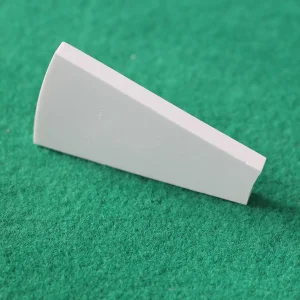
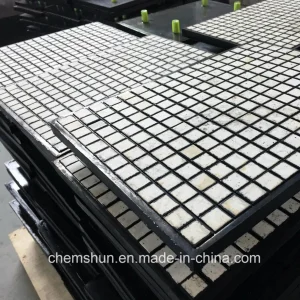
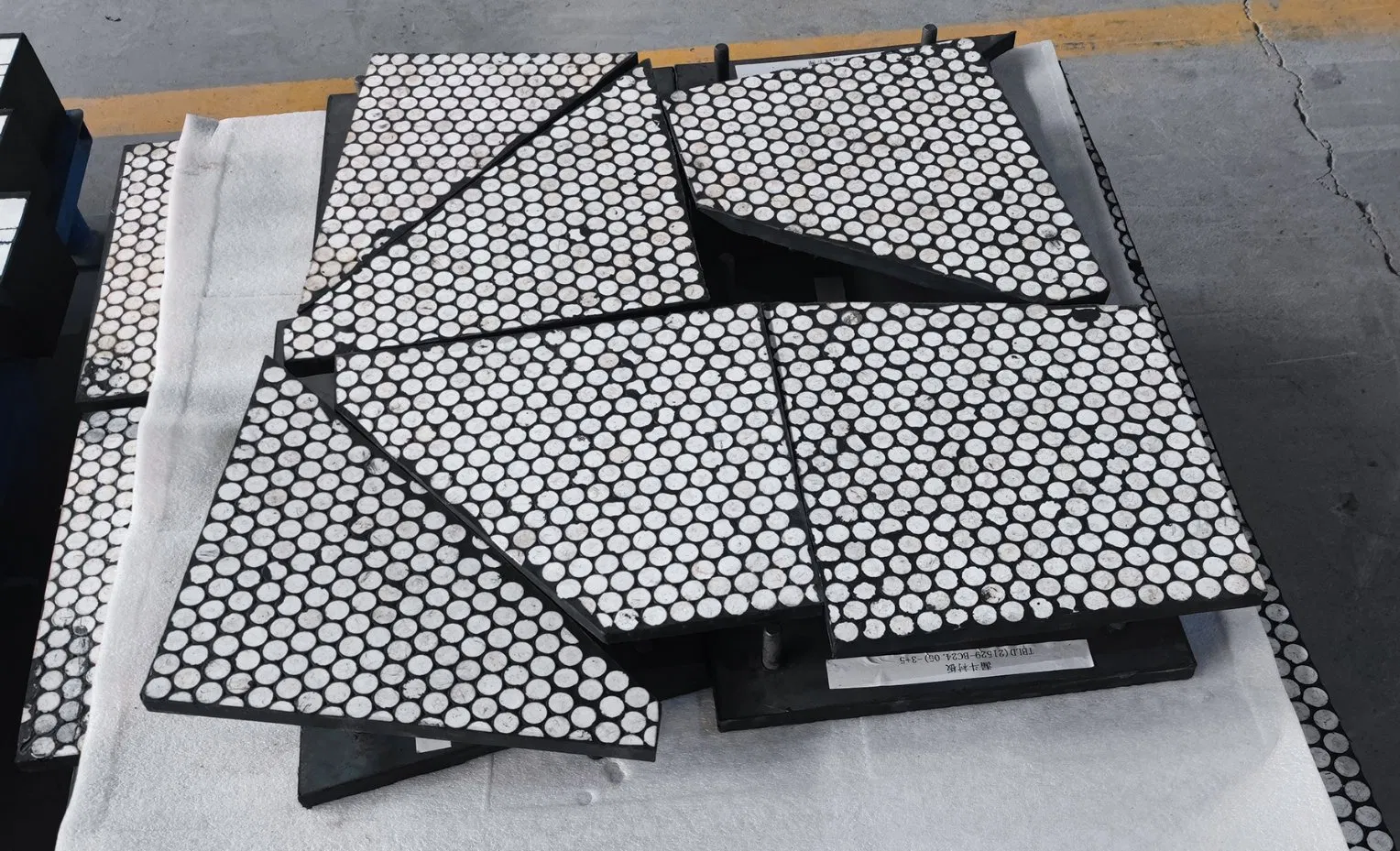
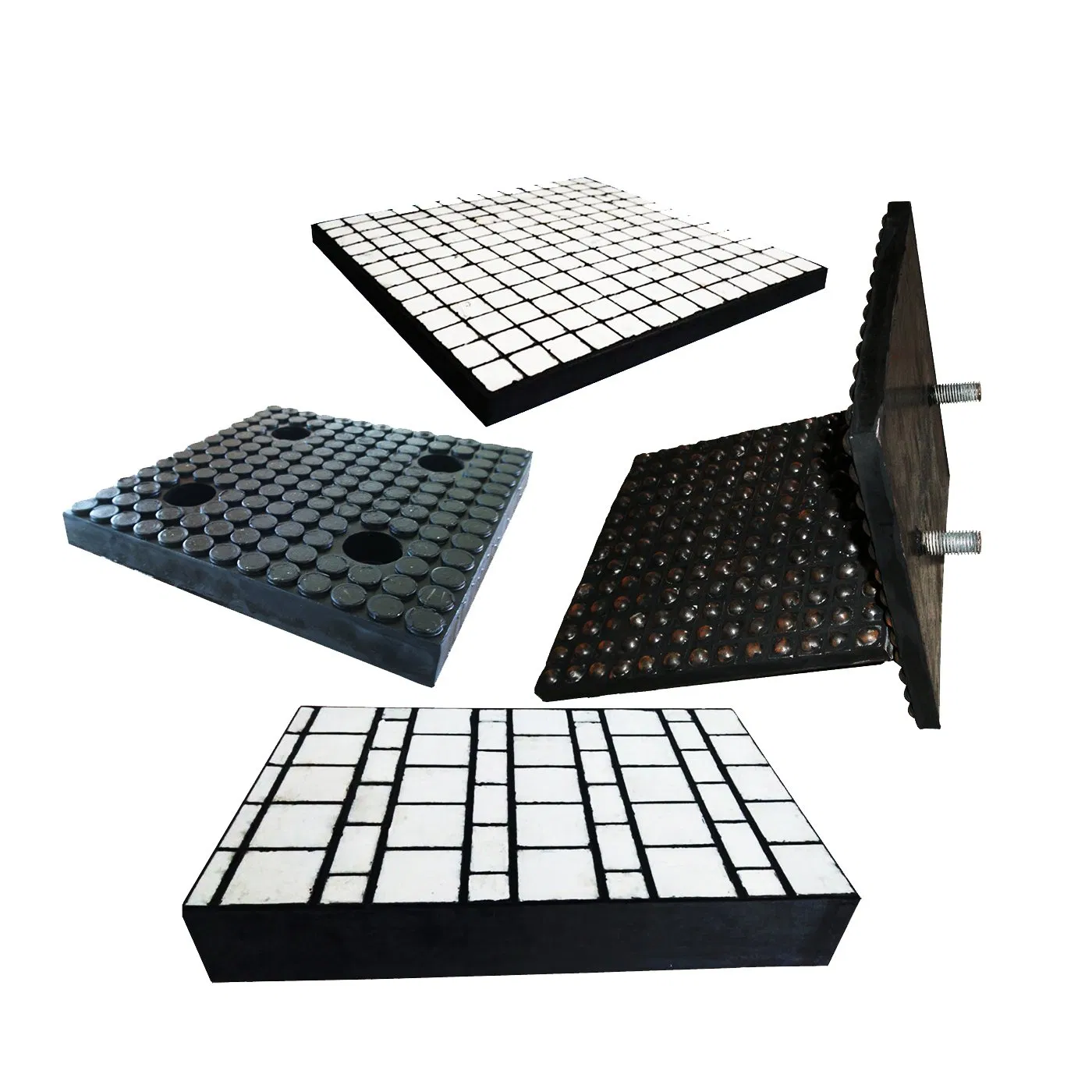
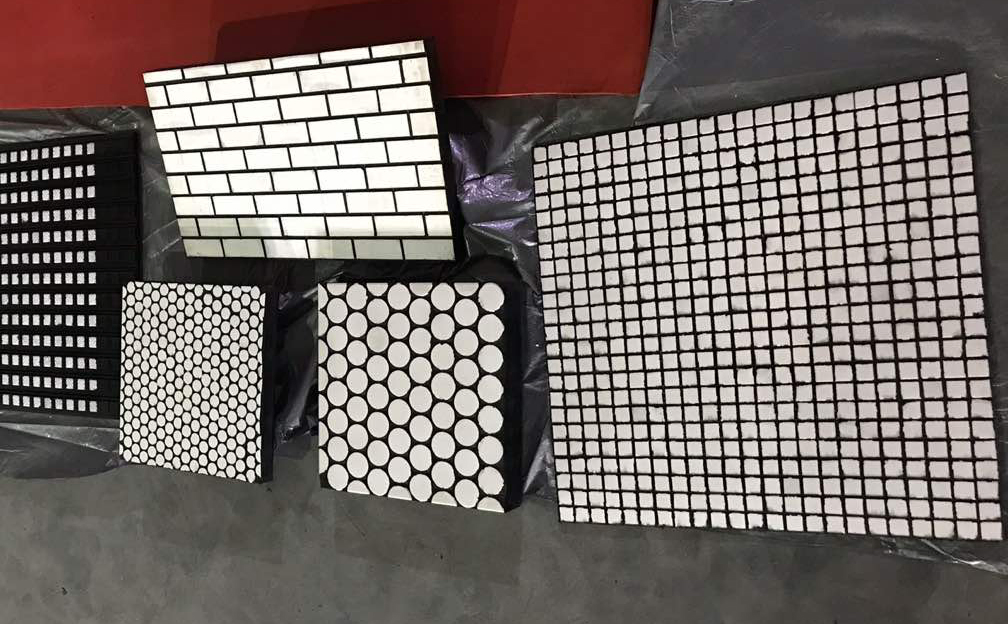
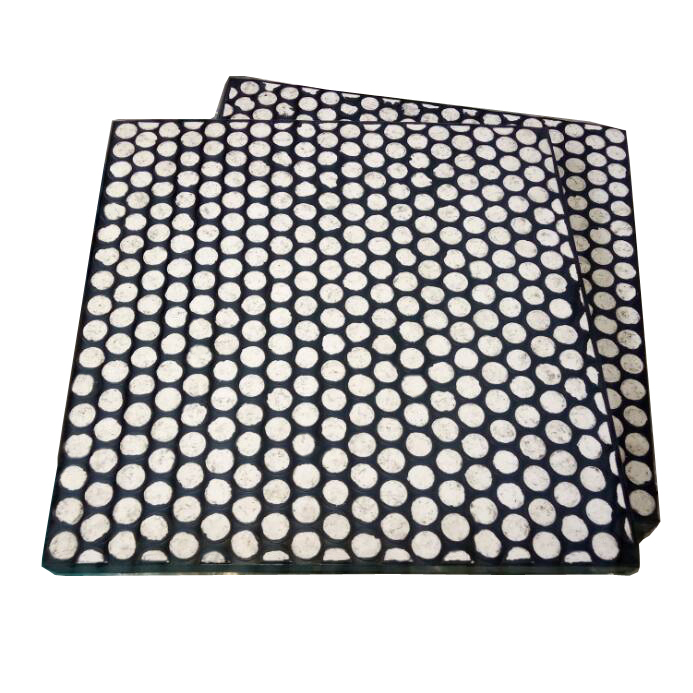
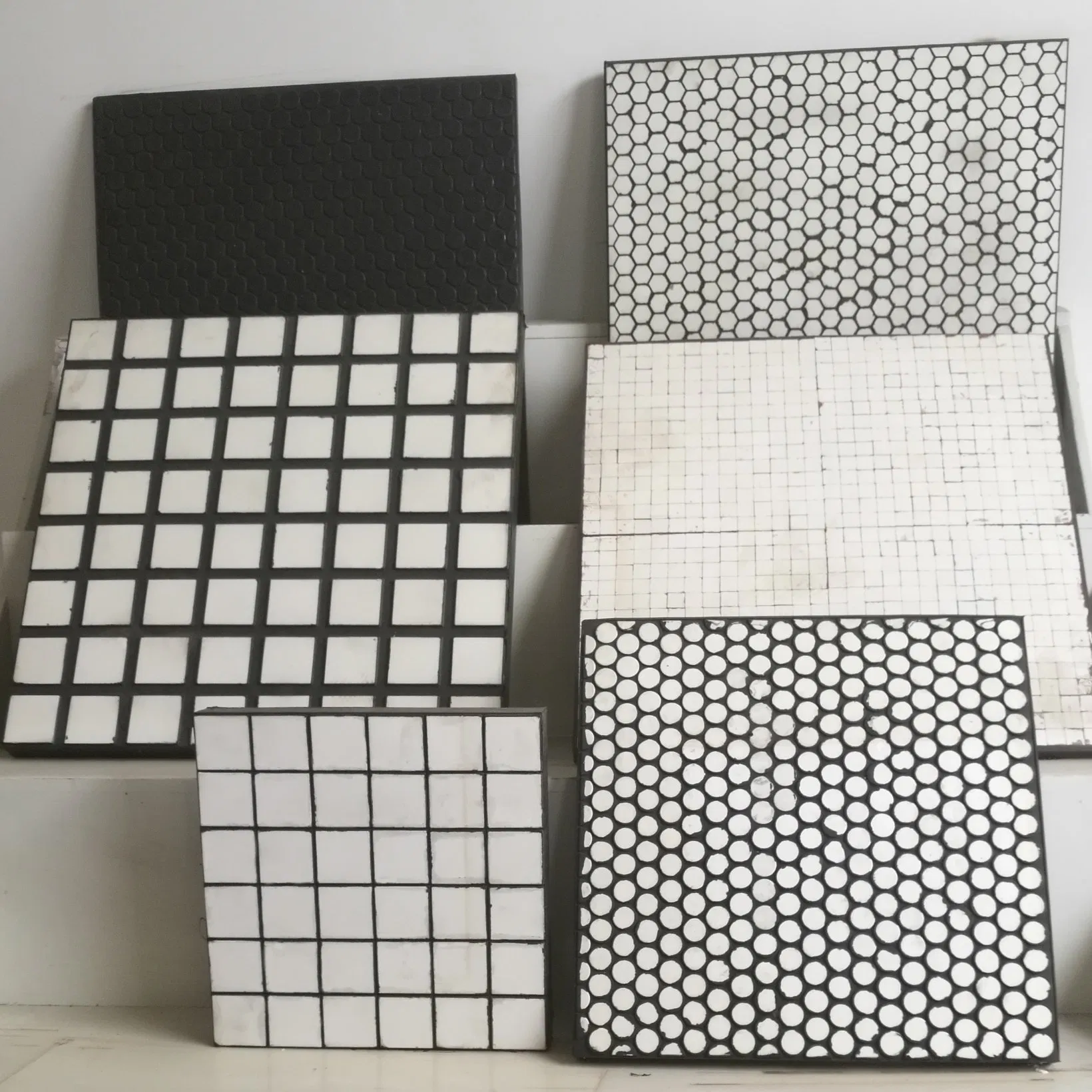
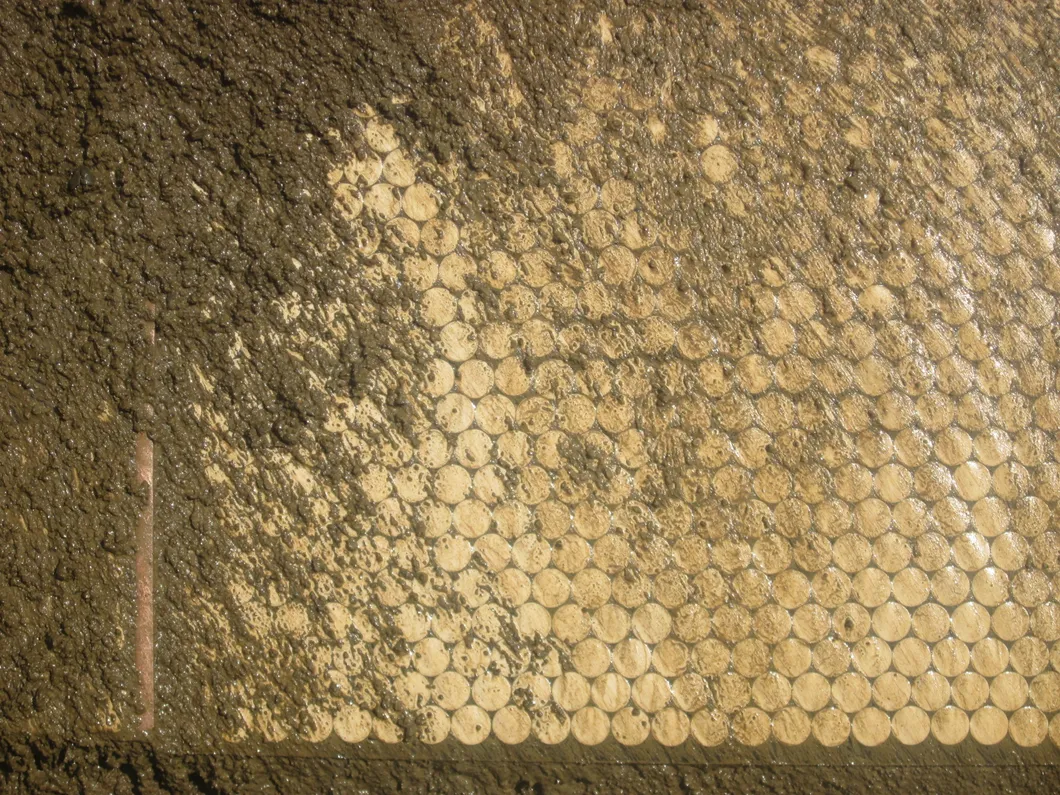
Rubber ceramic lining offers superior wear resistance compared to steel plates. The high alumina tiles provide extreme hardness, while the elastic rubber matrix absorbs impact energy, preventing ceramic breakage.
Fastening Methods:
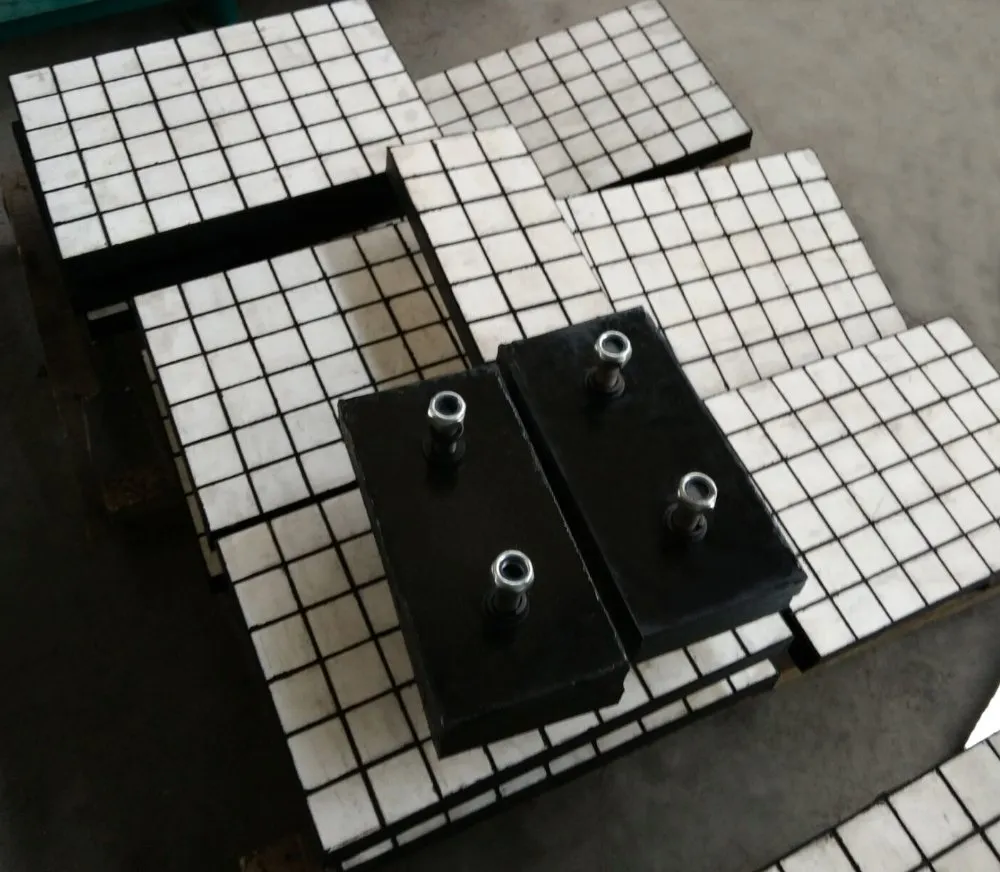
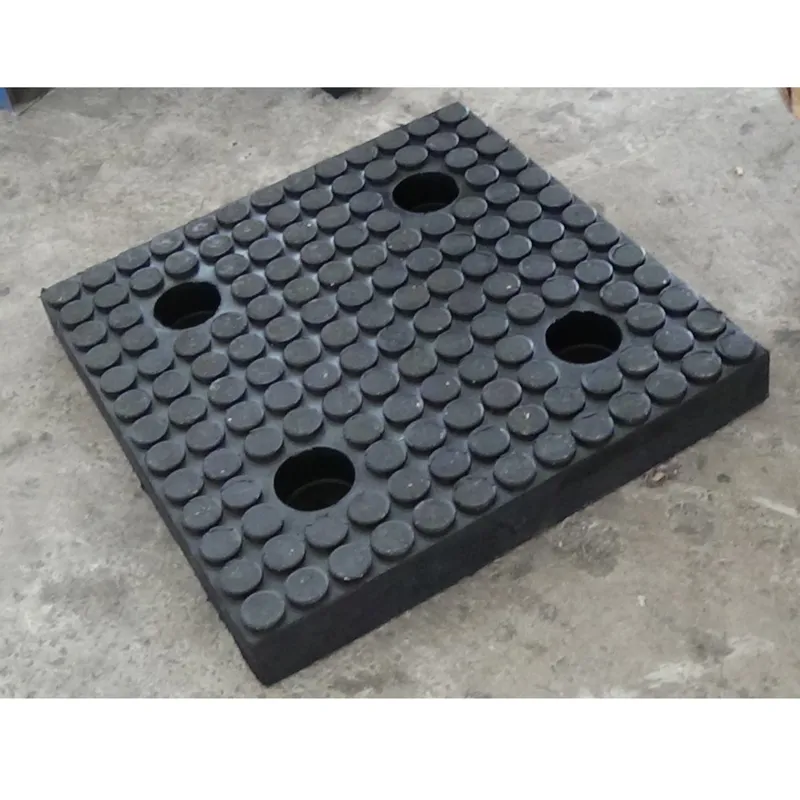
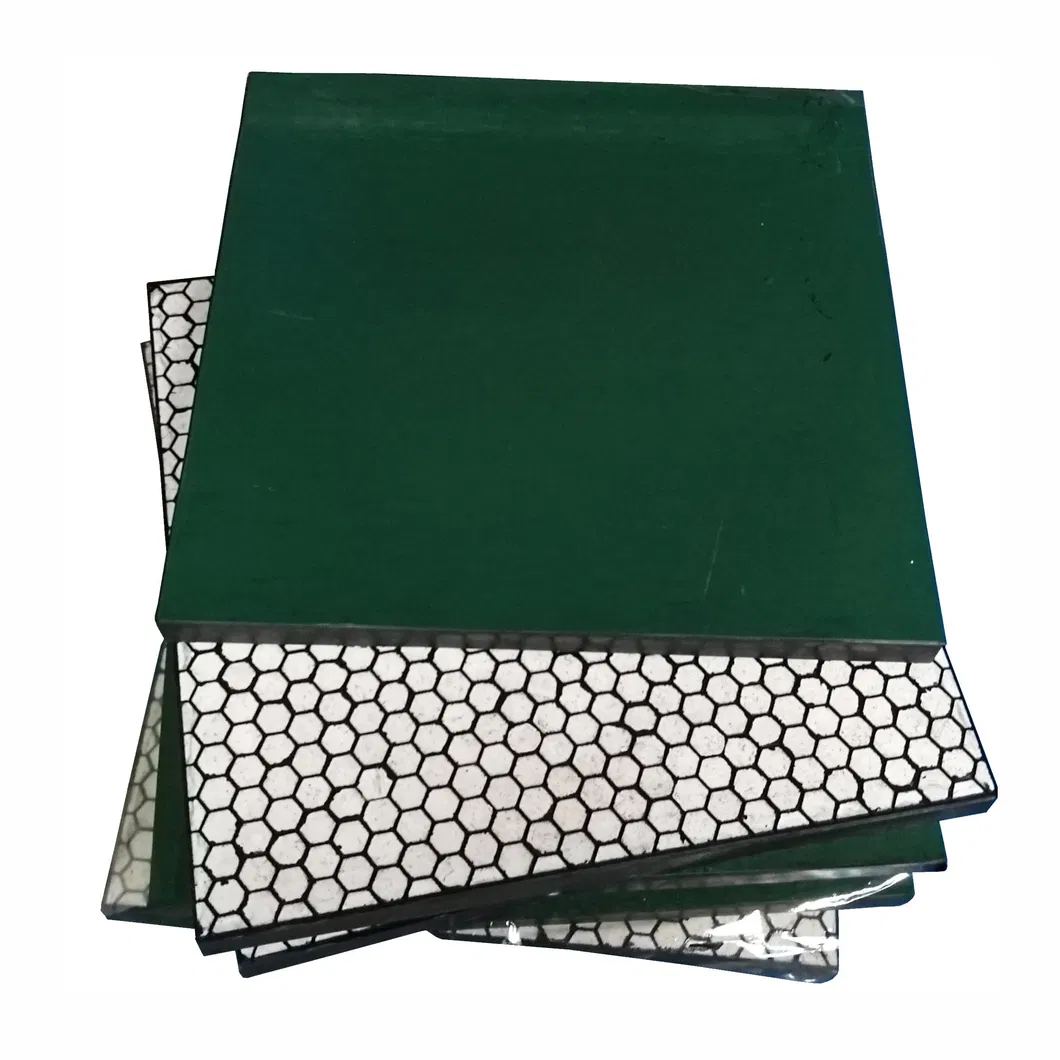
| Dimensions (mm) | Ceramic (mm) | Rubber Thickness | Steel Plate | Total Thickness |
| 300x300x36 | Φ21x21 Cylindrical | 9mm | 6mm | 36mm |
| 300x300x50 | Φ31x31 Cylindrical | 13mm | 6mm | 50mm |
| 500x500x30 | 48x48x20 | 5mm | 5mm | 30mm |
| 500x500x50 | 48x48x38 | 6mm | 6mm | 50mm |
A: They combine the extreme hardness of alumina ceramic (Mohs 9) with the impact absorption of rubber, making them last significantly longer than traditional steel liners in high-wear environments.
A: Yes, we provide custom-made ceramic lining plates according to your specific drawings, dimensions, and shape requirements (hexagonal, cylinder, square, etc.).
A: Multiple fastening options are available: steel backing plates with welded studs, countersunk holes for bolting, or a CN bonding layer for cold adhesive application.
A: No. We use high-quality NR/SBR rubber and advanced vulcanization processes to ensure an unbreakable bond between the ceramic and rubber components.
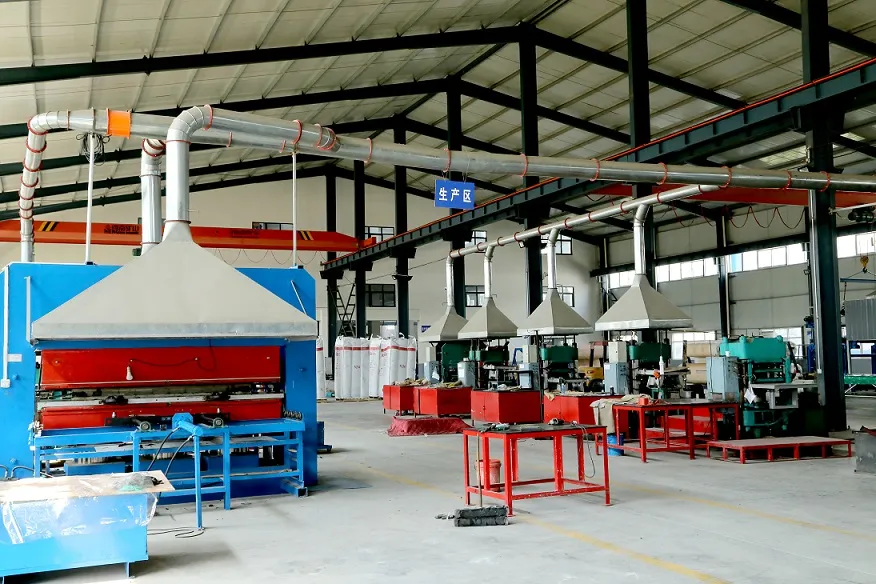
A: Our factory is ISO9001:2005 certified, SGS audited, and holds the Safety Certificate of Approval for Mining Products (MA).
A: We have a monthly production capacity of 12,000 pieces, ensuring consistent supply for large-scale mining projects.