Mining Ceramics Wear Resistant Rubber Backed Ceramic Lining /Anti Wear Ceramic Liner

Still deciding? Get samples of $ !
Request Sample

Product Description

Basic Specifications

Type:Wear Resistant Ceramic
Alumina Content:92%, 95%, Zta
Thickness:5-112mm
Use:Anti Impact and Abrasion
Transport Package:Pallet
Specification:Customized
Origin:China
HS Code:6909120000

Product Description

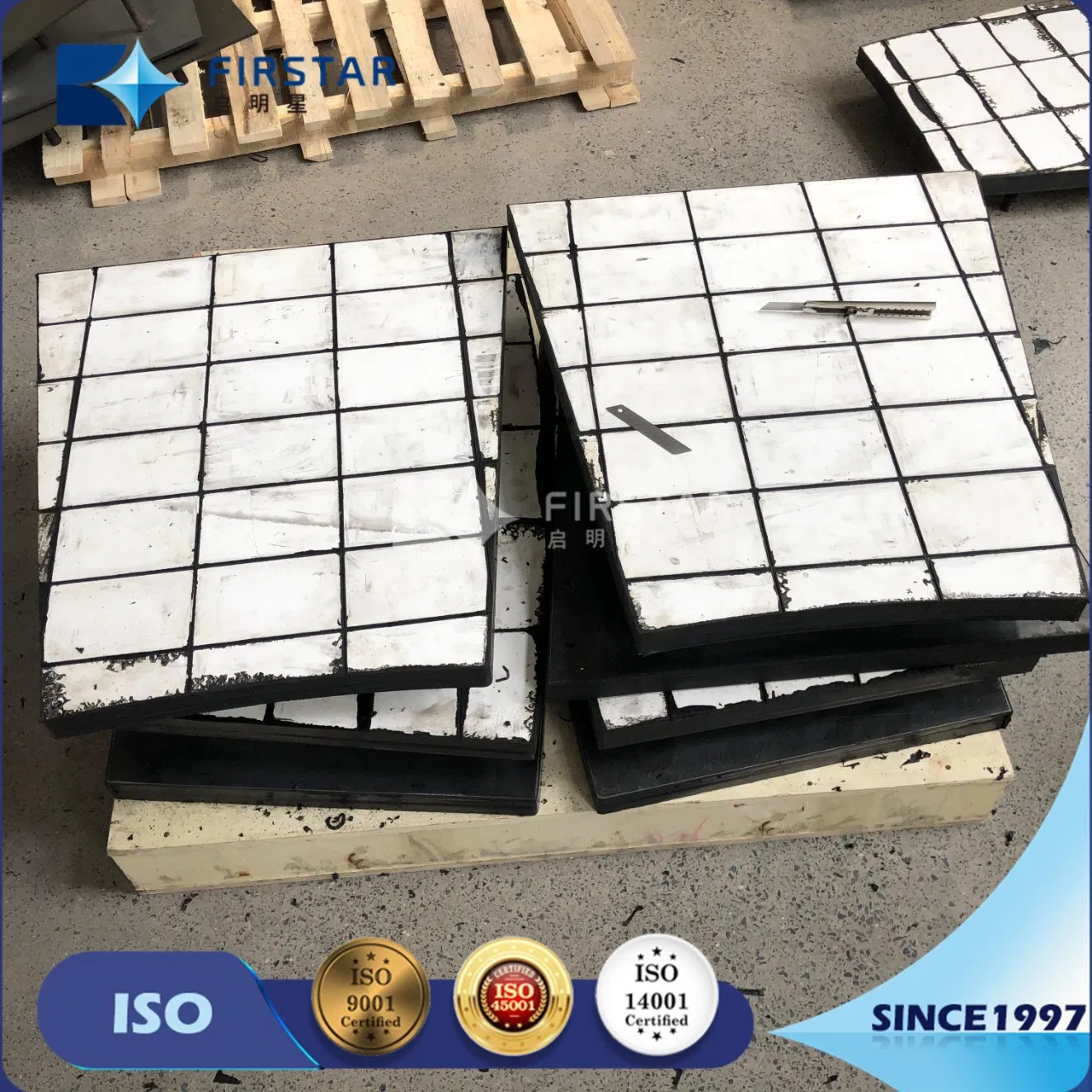
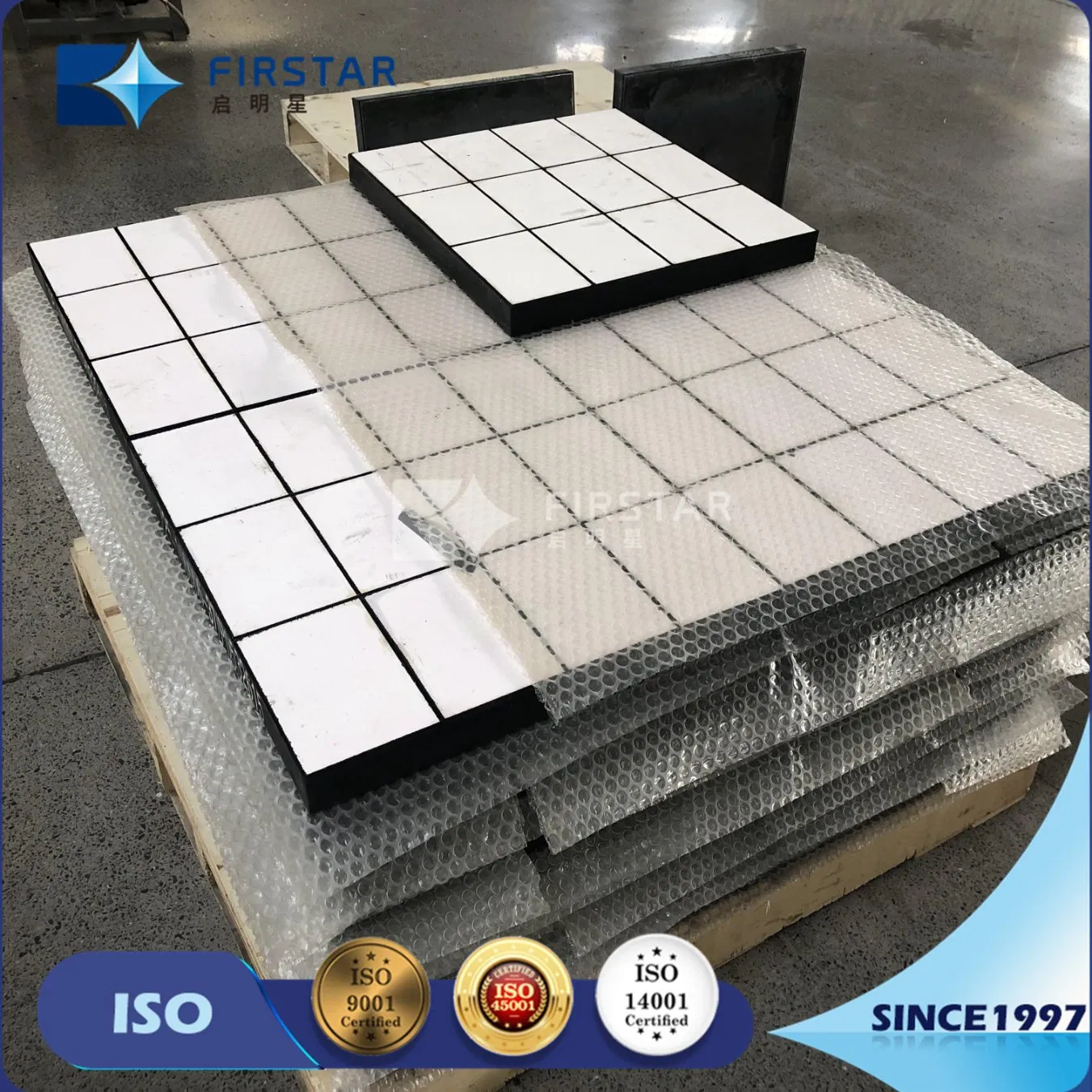
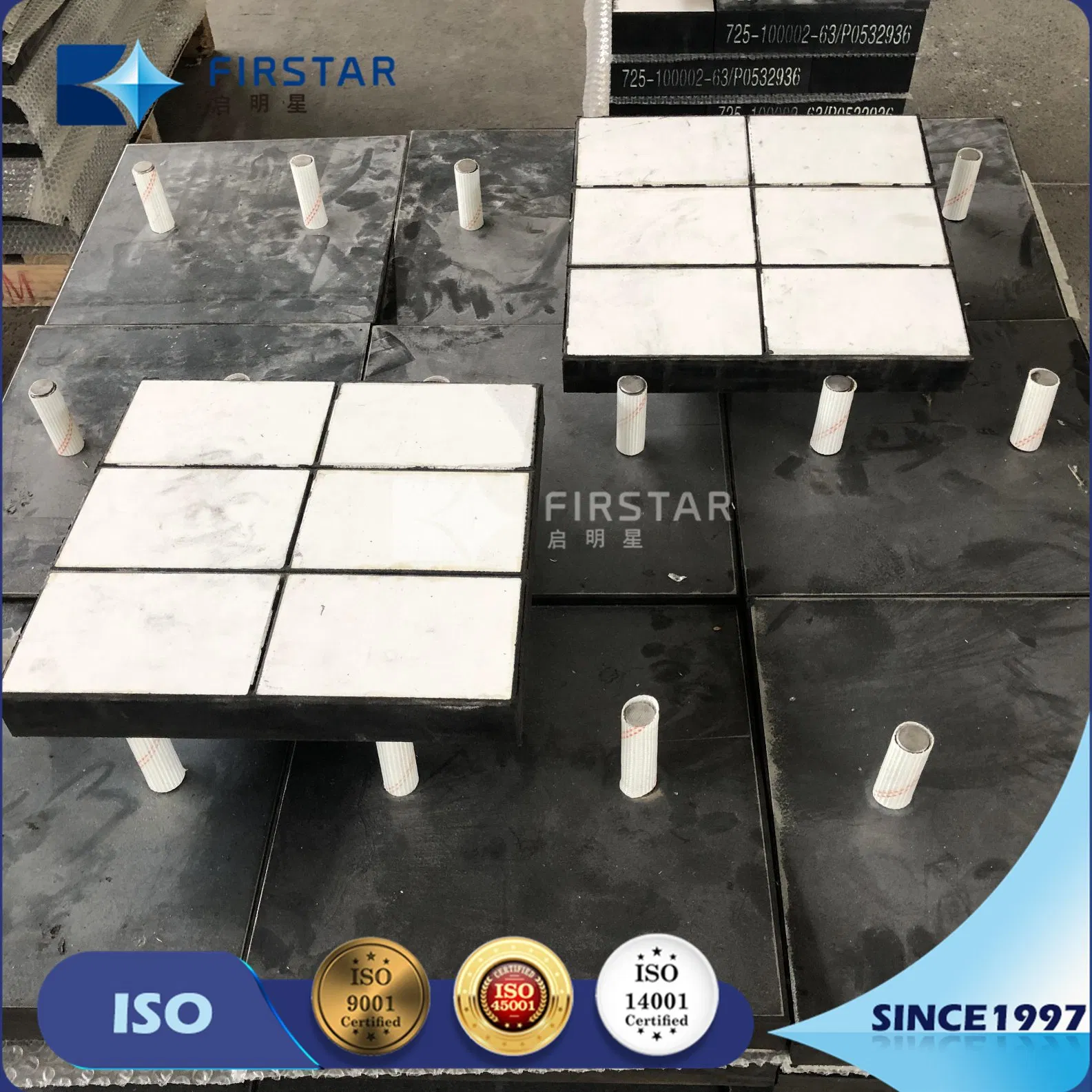
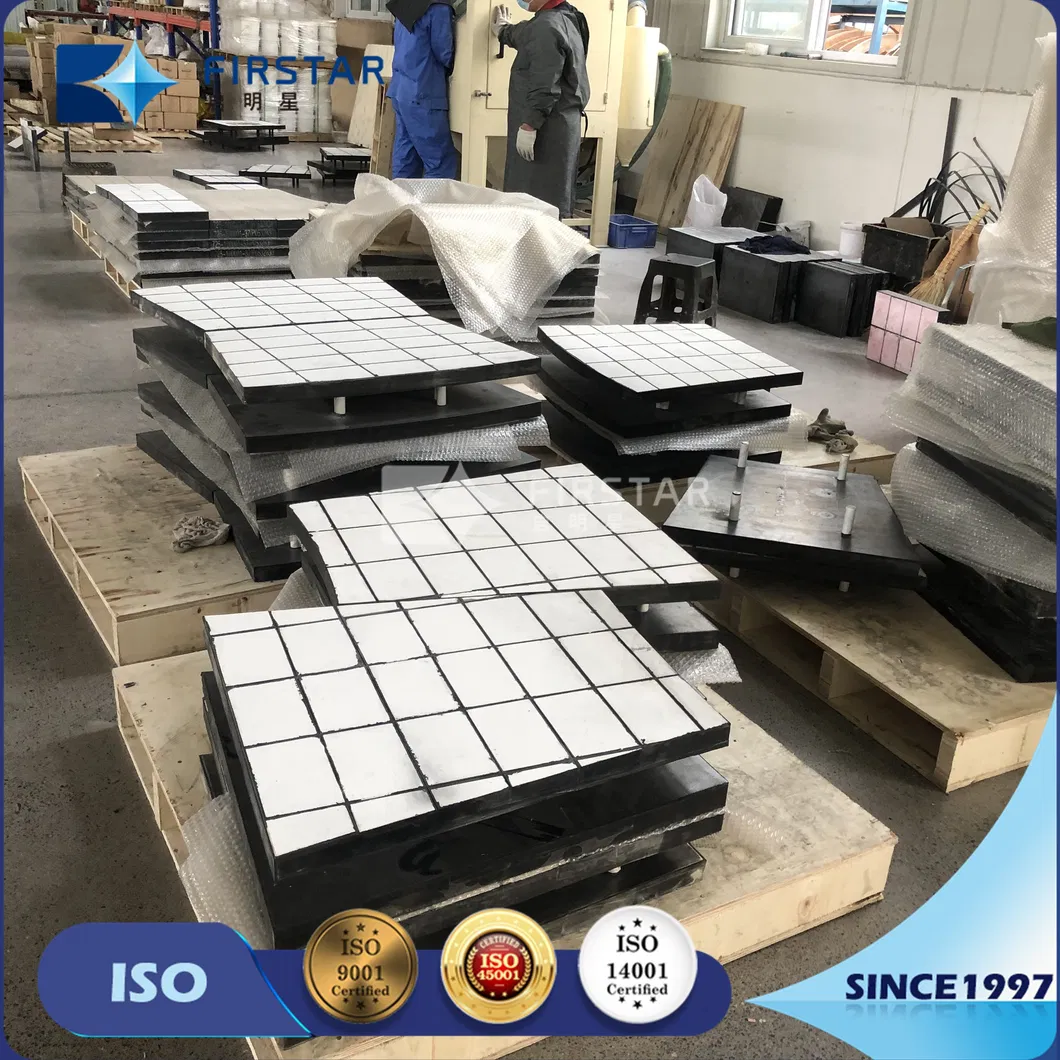
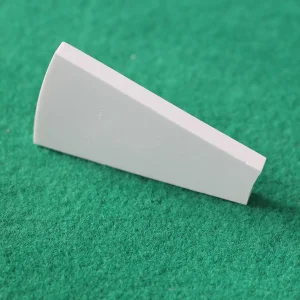
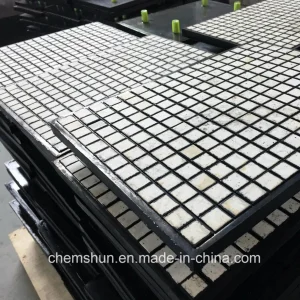
Mining Ceramics Wear Resistant Rubber Backed Ceramic Lining / Anti Wear Ceramic Liner
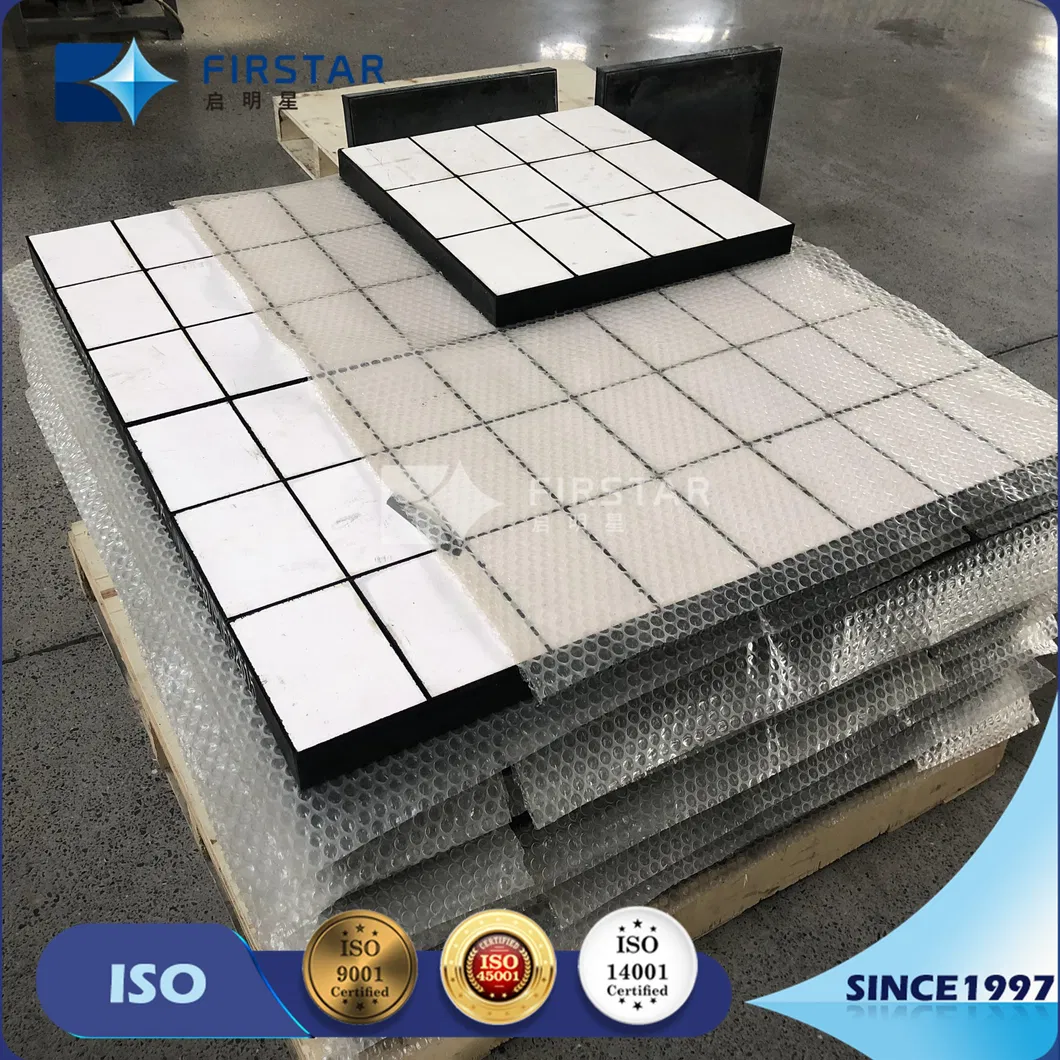
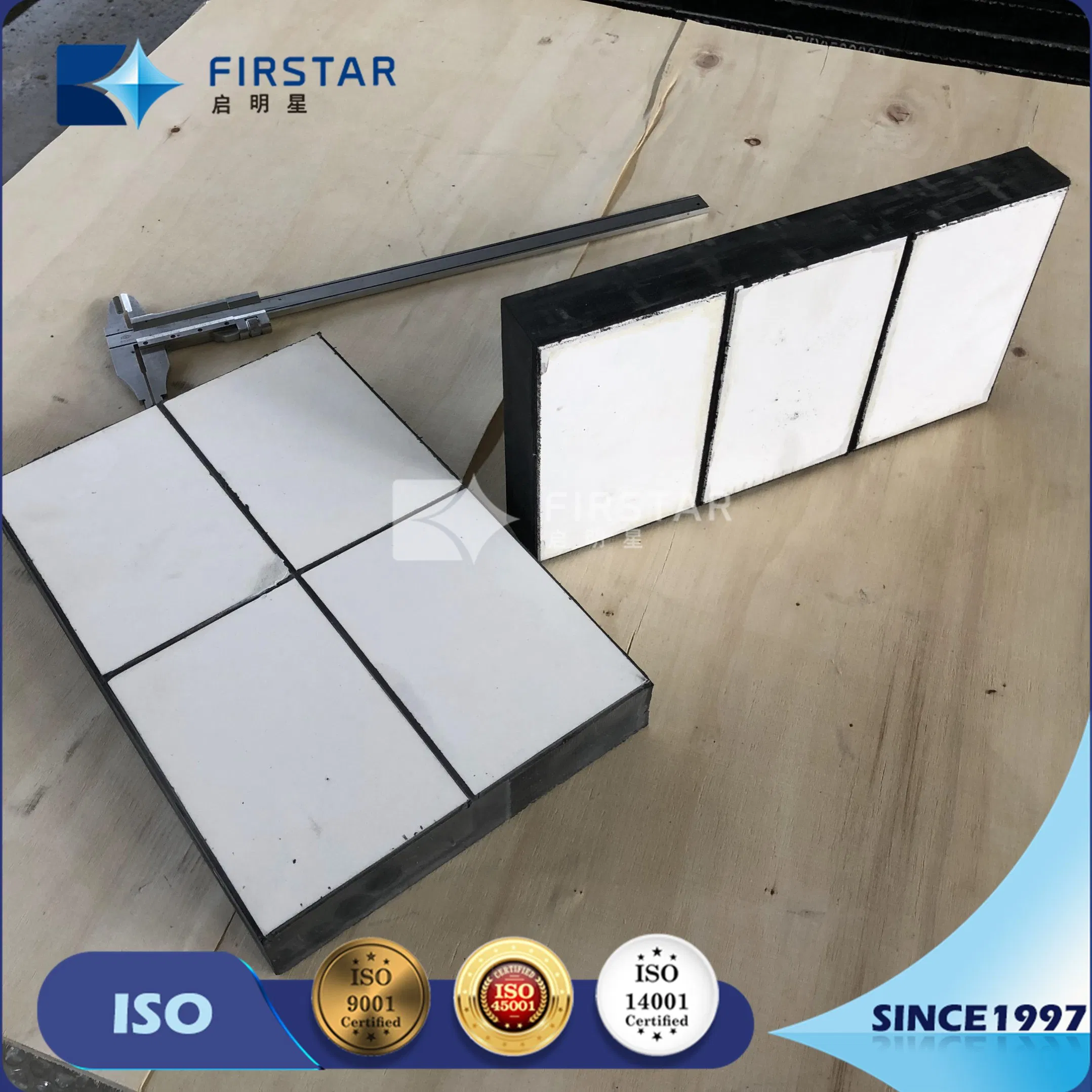
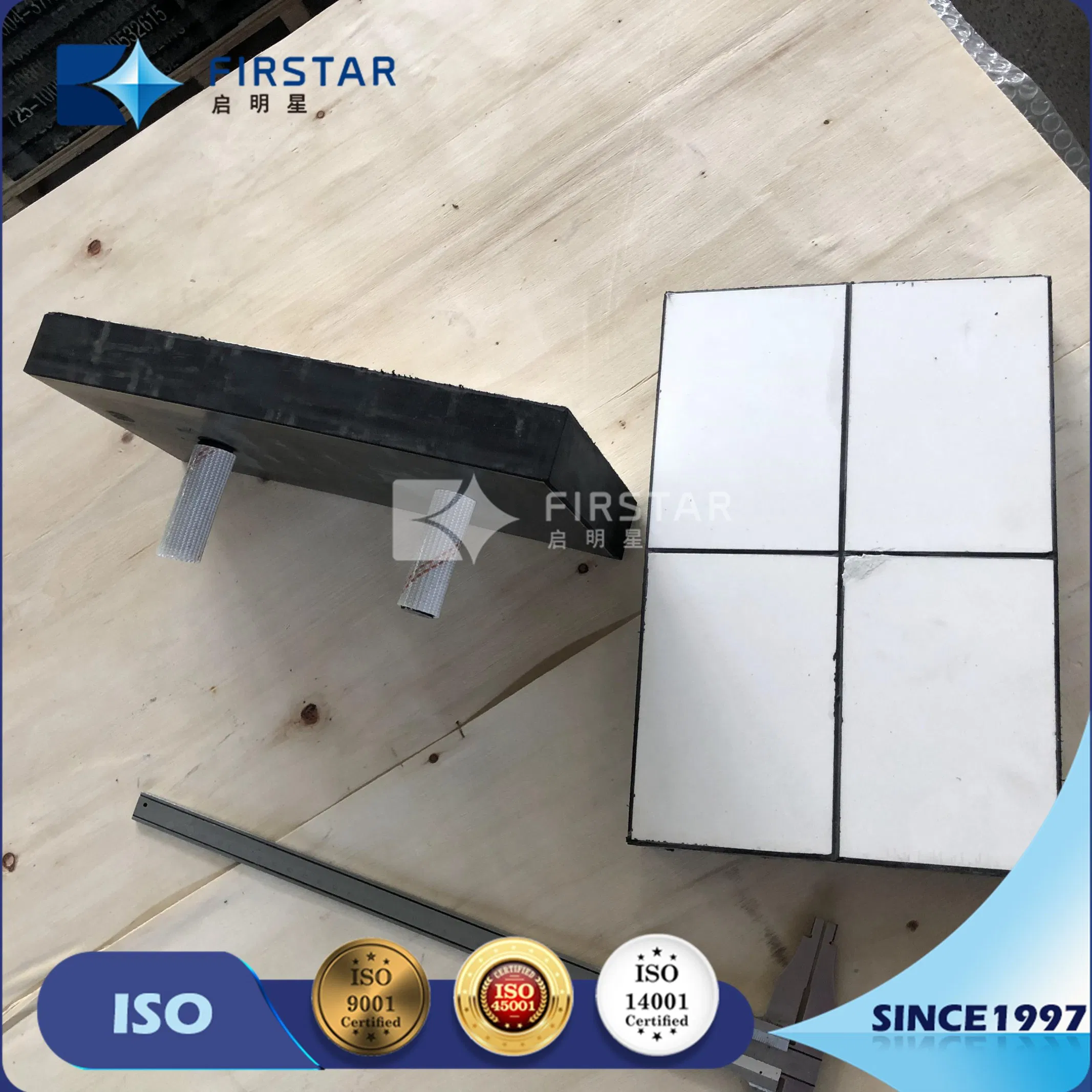
In aggressive industrial applications, equipment where high impact and high abrasion occur inevitably suffer mechanical attack, chemical attack, or corrosion. Composite ceramic wear liner is intended for the toughest applications. It combines large, hard ceramic bricks vulcanized into a matrix of wear-resistant rubber. The rubber acts as a dampener, allowing the product to handle significant impact without crushing the ceramic bricks.

🚀 Key Product Features

  • High hardness and superior abrasion resistance
  • Excellent impact and chemical resistance
  • Light weight for easy handling
  • Simple installation via epoxy resin or bolts
  • Improved working environment (reduced noise and vibration)

Technical Specifications

Component Attributes Properties
Ceramic Tiles Material 92%, 95%, T95%, 96%, ZTA
Rubber Density ~1.4g/cm3
Tensile Strength ≥15Mpa
Shore Hardness 45-65
Working Temp -50ºC - 200ºC
Steel Plate Material Q235A (5-6mm thickness)

Available Sizes & Dimensions

Equipment Applications

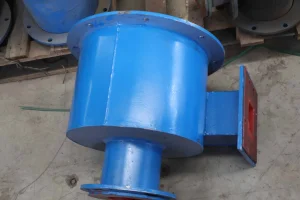
Commonly used in heavy-duty equipment including: Bins, Feeders, Chutes, Bunkers, and Storages.
Frequently Asked Questions

Q1: What materials are used in the composite ceramic wear liner? The liner consists of high-alumina ceramic tiles (92%, 95%, or ZTA) vulcanized into a natural rubber matrix, often backed by a Q235 steel plate.
Q2: How does the rubber backing improve performance? The elastic property of the rubber acts as a dampener, absorbing impact energy and preventing the ceramic tiles from cracking under heavy loads.
Q3: What are the installation methods for these liners? They can be easily installed using epoxy resin bonding or via a bolt-fastening system for secure attachment to equipment.
Q4: Can the size of the ceramic plates be customized? Yes, we offer various shapes including square, hexagonal, and cylindrical tiles in various thicknesses to meet specific application needs.
Q5: What is the typical working temperature range? The rubber component typically supports a working temperature range from -50ºC up to 200ºC depending on the specific rubber grade used.
Q6: How does this product help the working environment? By absorbing impact, the rubber-ceramic composite significantly reduces noise levels and vibrations compared to traditional steel liners.

Related Products