Pioneering composite technologies optimized for Rwanda's high-wear processing zones and mineral extraction pipelines.
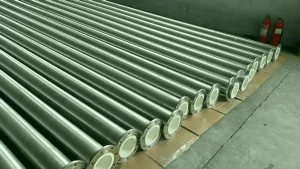
As Rwanda undergoes massive industrialization under the Vision 2050 framework, the demand for highly durable minerals processing, excavation infrastructure, and cement manufacturing equipment has reached unprecedented heights. Key mining sites in the Northern and Western Provinces, focusing heavily on Cassiterite (tin ore), Coltan (niobium and tantalum), and Wolframite (tungsten), require structural components capable of handling highly abrasive ores.
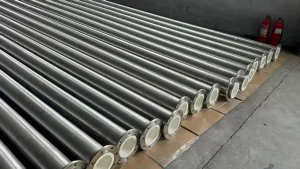
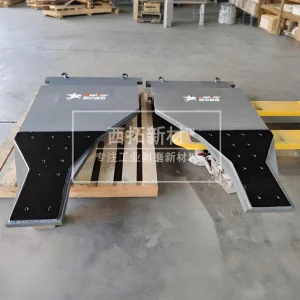
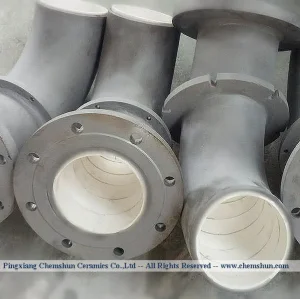
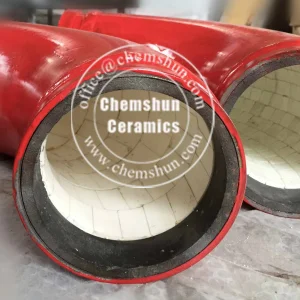
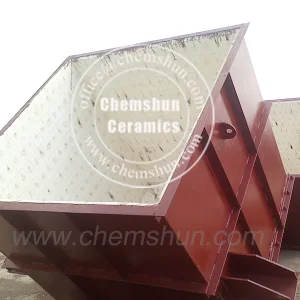
Traditional structural steel, carbon steel, and alloy castings undergo rapid material degradation due to severe friction and impact wear. Steel-ceramic composite parts, particularly alumina-lined steel chutes, hoppers, and pump pipelines, provide the ultimate answer. Integrating high-purity α-alumina ceramics within structured steel casings combines the ductility of metal with the exceptional hardness of industrial ceramics, effectively neutralizing shear stresses and high-velocity slurry impacts.
How our material composition resists catastrophic mechanical failures under continuous high-velocity slurry transport.
The global mining and bulk handling industries have shifted from traditional hard-facing steel plates to advanced ceramic-lined composites. In pump casings, impellers, slurry piping, and drop-chutes, the contact medium is subjected to three primary wear modes: sliding abrasion, high-angle impact erosion, and chemical corrosion.
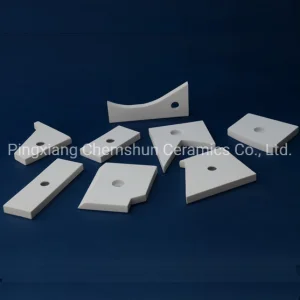
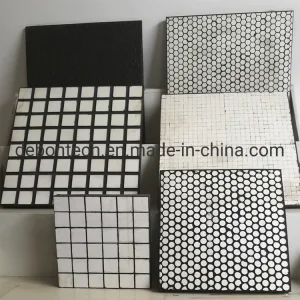
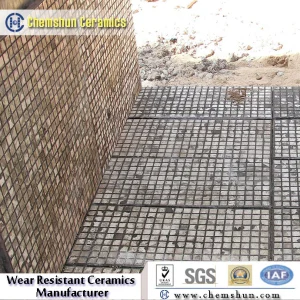
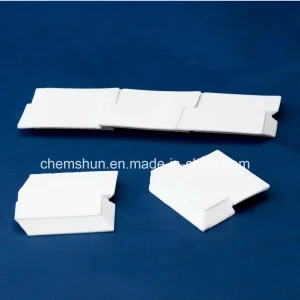
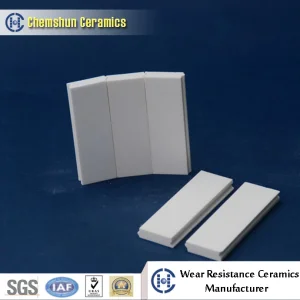
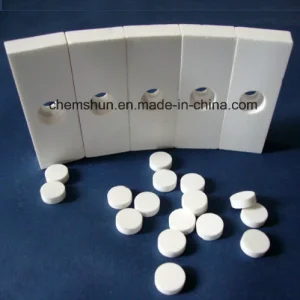
By utilizing a specialized manufacturing process, we bond engineered ceramic tiles (Al₂O₃, ZrO₂, or SiC) directly inside carbon steel backings using high-strength epoxy adhesives or mechanical stud-welding systems. The result is a dual-barrier component:
Combining supply chain integration, raw material scaling, and rapid international logistics capabilities.
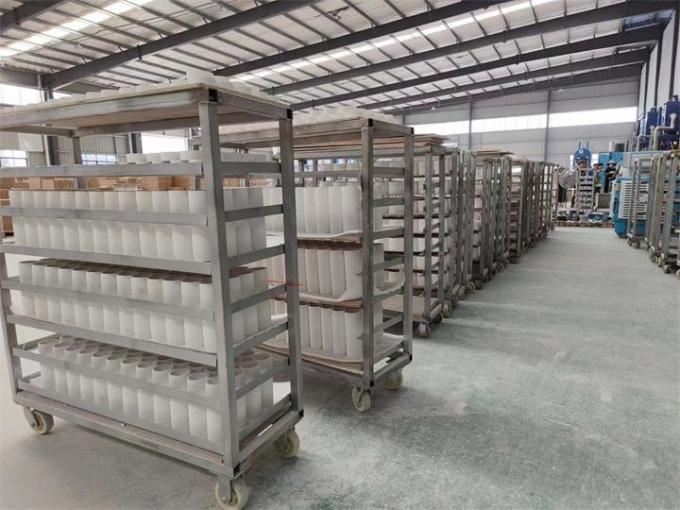
Operating near primary alumina processing hubs in Hunan and Zibo, we procure high-purity calcined alumina powder directly, avoiding supply volatility and securing consistent crystal structures.
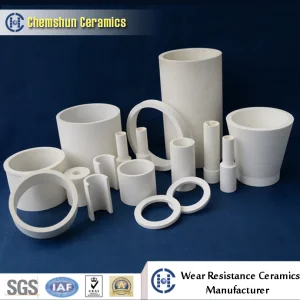
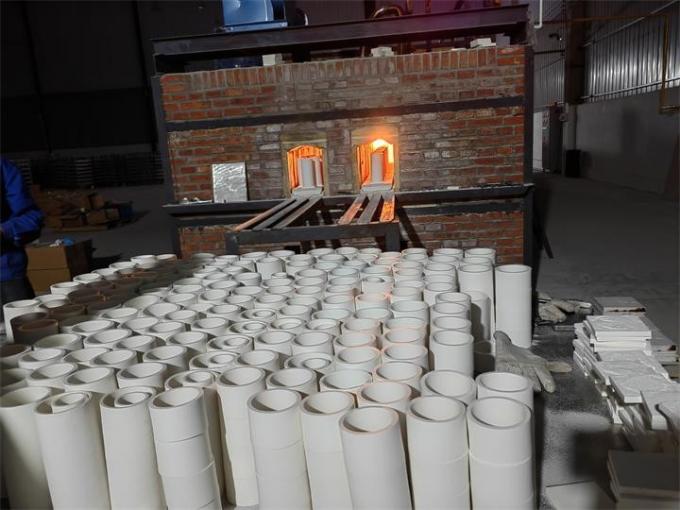
Our state-of-the-art tunnel kilns fire custom shapes at up to 1700°C. Pre-engineered tile arrangements minimize lining gaps down to less than 1.5mm, drastically improving flow rates.
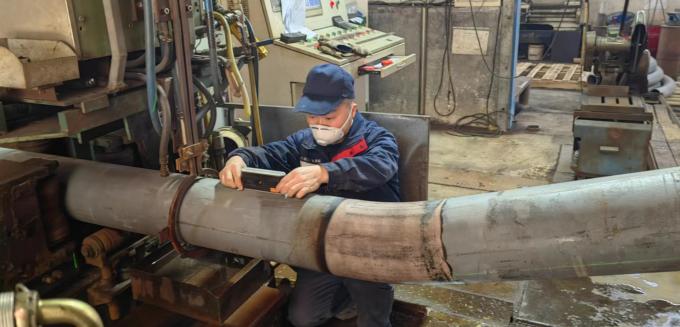
From initial CAD drawings to final non-destructive testing (NDT) of welds, all steps occur under ISO 9001:2015 management to ensure zero-defect exports to East Africa.
Targeted solutions designed for the environmental conditions and mechanical parameters of East African processing operations.
Merging advanced R&D capabilities with heavy-duty metal-ceramic manufacturing prowess.
Our consortium represents a powerhouse in modern tribological engineering. With certifications across ISO 9001:2015 quality management systems and ISO 14001 environmental frameworks, we deliver seamless composite systems to the international industrial sector.
Our joint capabilities encompass the entire manufacturing vertical: raw chemical processing, high-pressure powder molding, precision sintering of alumina and zirconia matrix materials, and structural fabrication of heavy carbon steel pipelines.
We serve industrial markets across the United States, Germany, Sweden, India, Turkey, the Netherlands, Italy, Spain, Japan, South Korea, Russia, Vietnam, and increasingly across crucial developing regions in East Africa, focusing heavily on Rwanda.
Patented intellectual properties include "Elbow of pump pipe discharge anti-clogging pipe", "Advanced lining board installation structures", and "Dynamic conveying devices for ceramic-lined pipes."
Our engineering team assesses custom working conditions directly via CAD modeling and material characterization analysis to build exact budgets and wear forecasts.
Every single export batch undergoes rigorous quality auditing, including ultrasonic testing, dimensional verification, and wear index testing before shipping.
The modernization of mineral processing facilities demands longer running times between scheduled shutdowns. Industry 4.0 trends indicate that the deployment of ceramic-elastomer-metal hybrid matrices is key to accommodating impact loads while reducing structural weight.
By integrating vulcanized rubber layers between alumina tiles and steel backplates, modern operations achieve dual benefits: impact energy absorption from large-size mineral feedstocks combined with the sliding abrasion resistance of ceramics.
Moreover, reduction of energy consumption via lower flow resistance is a critical sustainability metric. The ultra-smooth inner surface of ceramic composite pipes reduces friction losses, thereby optimizing pumping power requirements by up to 15%.
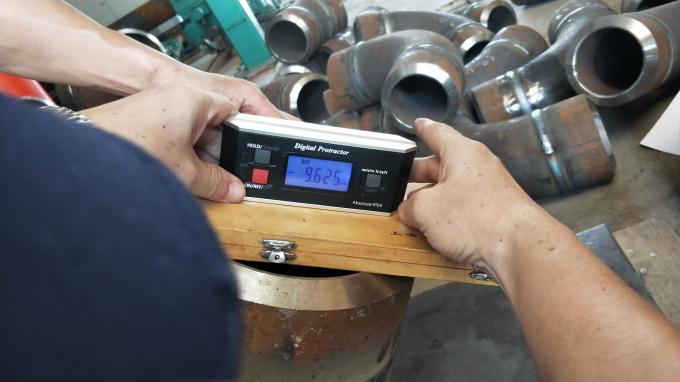
A complete selection of high-performance wear-prevention liners and slurry pipe assemblies.
Every single industrial composite pipeline, chute lining, and curved fitting we export is produced in compliance with global mechanical and thermal standards. Our facility has passed ISO 9001:2015 Quality Management audits and ISO 14001 Environmental standards.
Achieving density >3.62g/cm³ for alumina liners to resist abrasive shearing forces.
Adhesive bonding systems are verified under extreme temperature cycle parameters.
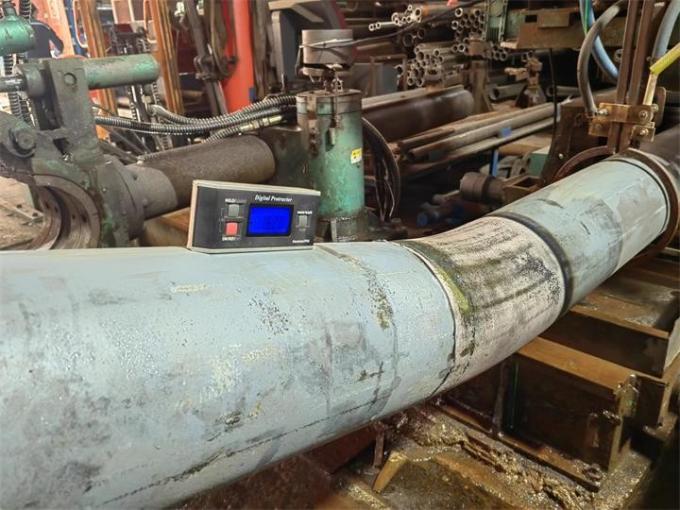
Technical clarifications concerning the application, design, and deployment of steel-ceramic composites.
 Xingli Industrial Ceramics