Explore our foundational range of abrasive protection and structural ceramic composite components designed for heavy industrial processing environments.
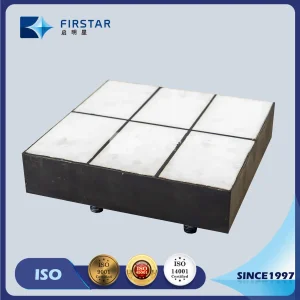
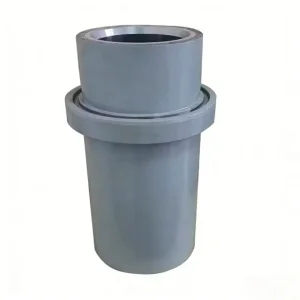
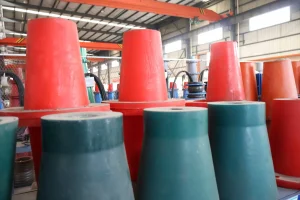
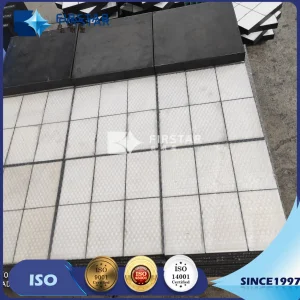
Modern bulk material handling, mineral processing, and mining industries operate under punishing conditions. Traditional metallic linings, even those constructed of high-grade alloyed steels, routinely fail due to the combination of continuous high-impact and severe abrasive shear stress. This limitation led to the birth of steel-ceramic composite fabrics and wear liners.
These engineered structures represent a paradigm shift in material science, marrying the ductile toughness of steel backings with the extreme hardness of ceramic composites (such as high-purity Alumina and Zirconia). Operating globally from the lithium mines of Western Australia to the coal processing facilities in Germany, steel-ceramic wear solutions are now recognized as essential components for reducing plant downtime and lowering the Total Cost of Ownership (TCO).
The global demand for high-grade ceramic-steel composites continues to surge, driven by the need for higher production throughputs and stricter environmental regulations targeting dust emissions and material spillages.
By vulcanizing or mechanically locking ultra-hard ceramic elements onto a steel backing plate, engineering designers leverage the best traits of both materials:
Combining structural raw materials expertise with state-of-the-art sintering and system integration capabilities.
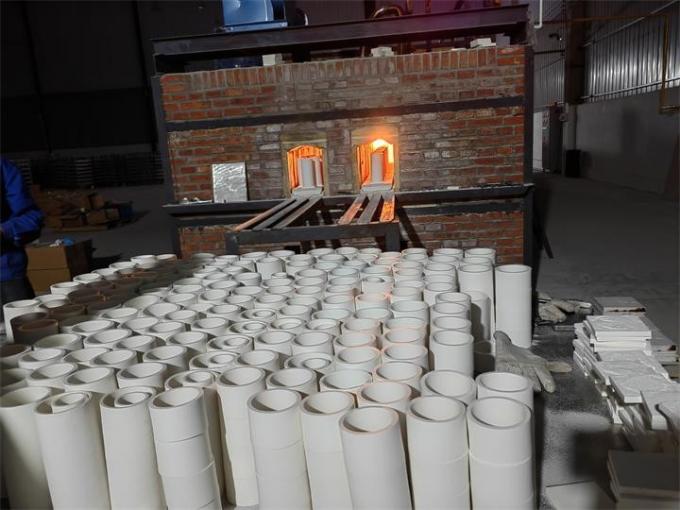
As a leading supplier of advanced industrial materials, Zibo Xingli Industrial Ceramics Co., Ltd specializes in the synthesis and fabrication of high-purity industrial alumina, zirconia, and carbon-silicon products. Their production focus includes:
Their deep research in zirconia-toughened alumina (ZTA) ensures that the ceramics integrated into steel-backed composites offer optimized fracture toughness alongside high hardness.
Providing the physical structural integration, custom engineering, and application design, Hunan Yibeino New Materials Co., Ltd operates a fully certified ISO 9001:2015 facility. From compound raw material validation through to complex installation design, Hunan Yibeino covers:
The synergy between Zibo Xingli's material synthesis and Hunan Yibeino's system-level design delivers highly dependable composite wear components ready for global applications.
Why procurement teams worldwide rely on China's integrated supply chain and engineering capability.
Zibo and Hunan provinces hold rich mineral resources for high-grade bauxite and zirconia raw powders. By situating factories at the source of these raw minerals, production costs are significantly lowered, allowing competitive pricing without compromising material purity.
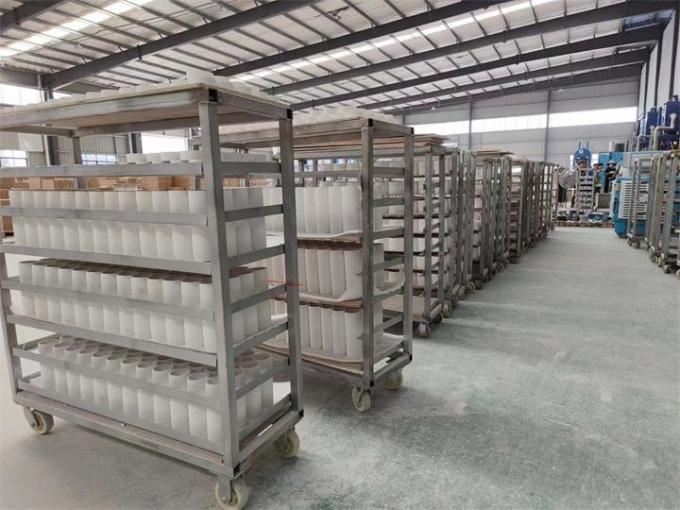
Operating high-capacity, computerized tunnel kilns permits precise control over the sintering profile of alumina and zirconia ceramics. This degree of automation eliminates variations in density and microcrystalline structures, ensuring stable batch-to-batch performance.
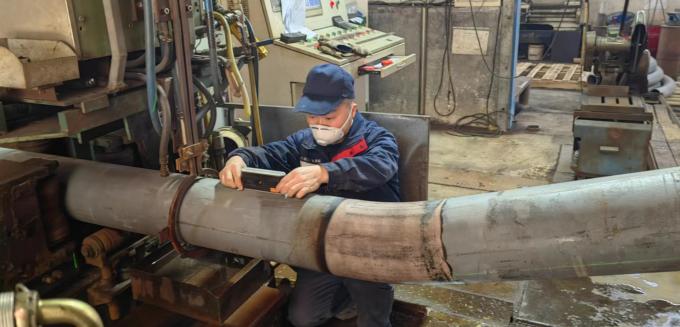
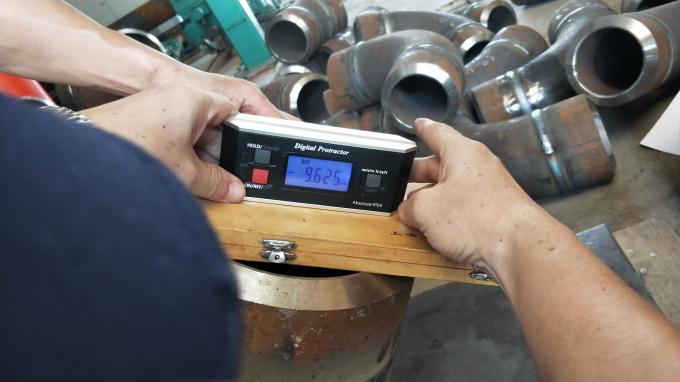
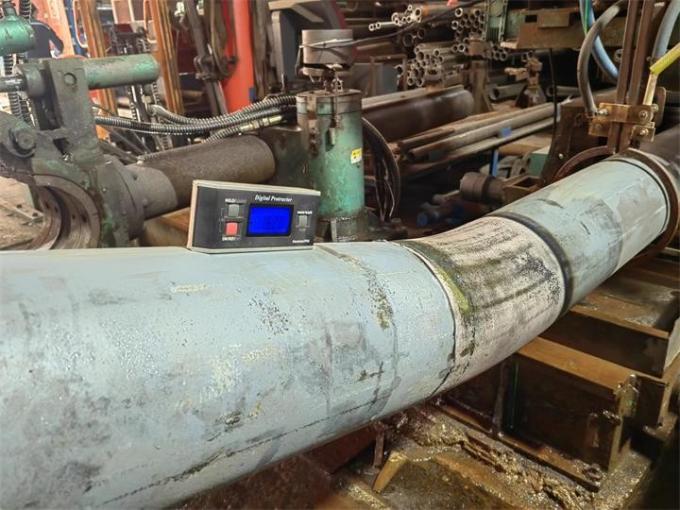
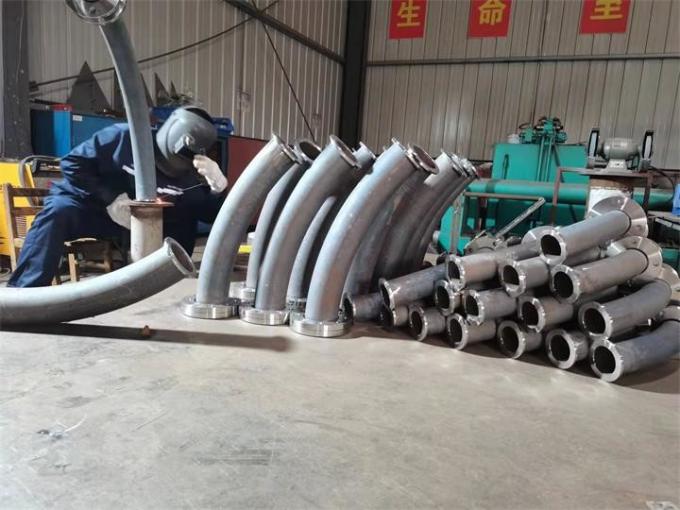
Equipped with high-precision CNC machining centers, raw ceramic and steel parts can be customized to complex dimensions. We supply custom CAD drawings and execute specialized geometries for chute designs, pipes, cyclones, and valves.
From heavy mineral extraction to corrosive dry powder conveying, steel-ceramic composite fabrics are critical for asset protection.
In mineral processing and coal dewatering plants, slurry separators, hydrocyclones, and chute systems encounter millions of tons of high-velocity abrasive particles daily. Standard carbon steel pipes or high-chromium cast irons wear thin in months, leading to catastrophic blowouts and downtime.
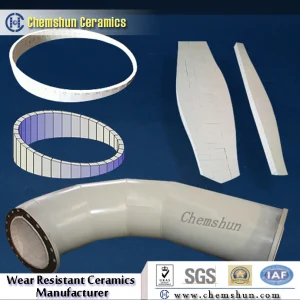
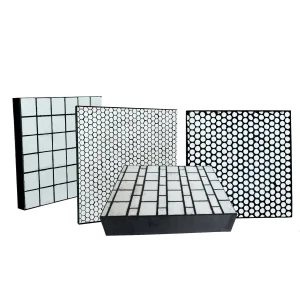
Our bimetallic and steel-backed rubber-ceramic liners are engineered to solve this vulnerability. The rubber backing layer acts as a physical spring, absorbing impact kinetic energy from larger rock aggregates, while the alumina/zirconia ceramic tiles face the brunt of sliding abrasion.
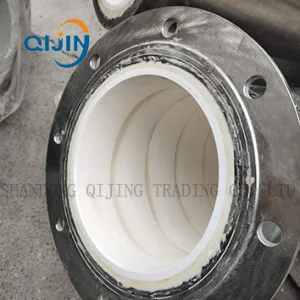
In cement and power stations, limestone conveying systems and pulverized coal pipes operate at high temperatures. Under these thermal loads, our ceramic-lined bending pipes maintain dimensional stability and mechanical integrity without scaling or clogging.
Our research and engineering solutions are backed by registered industrial patents. These innovations address key mechanical vulnerabilities in wear systems:
A technical guide for project managers and procurement officers assessing industrial ceramic-steel components.
For abrasive applications, verify the Al2O3 (Alumina) percentage. High-wear zones require ≥92% or ≥95% alumina purity. In high-impact applications, look for Zirconia-Toughened Alumina (ZTA) to prevent brittle fractures under shock loads.
The interface between rubber and ceramic, and rubber and steel, is the most common point of failure. Require certified peel strength tests (ASTM D429 or equivalent) to confirm vulcanization integrity before high-impact deployment.
Confirm the structural mounting configuration: weld-in studs, counter-sunk bolt holes, or structural adhesives. Working directly with engineers during the design phase ensures that components fit on-site without field adjustments.
Our customer engagement model is structured to ensure operational reliability and optimal component lifespan:
Technical answers to common engineering questions regarding steel-ceramic composite fabrics and wear liners.
Under abrasive conditions (such as dry sand or coal conveying), high-purity alumina ceramic composites routinely outlast AR400 or AR500 steel plates by 10 to 15 times. In high-impact scenarios with rubber cushions, they typically yield a 5x to 8x lifespan improvement, reducing maintenance downtime significantly.
The primary bonding method is high-temperature, high-pressure vulcanization. During this process, raw rubber is cured between the pre-treated ceramic blocks and the steel plate, creating a high-strength chemical and mechanical bond. For high-temperature applications (exceeding 120°C/248°F) where rubber degrades, epoxy bonding or mechanical anchoring systems are used.
Due to the extreme hardness of alumina ceramics (Mohs 9), they cannot be cut with standard field tools. Any modifications require diamond cutting saws or custom pre-fabrication. The steel backing, however, can be welded or drilled at specified locations. We recommend providing detailed drawings so that all fastening points, stud positions, and cuts are completed in our CNC machine shop prior to delivery.
Alumina is highly cost-effective and provides exceptional resistance against sliding abrasion. Zirconia offers higher fracture toughness, preventing cracking under heavy impact. Zirconia-Toughened Alumina (ZTA) blends these properties to survive combined high-impact and abrasive sliding wear.
Yes. Industrial ceramics are inert and show high resistance to most acids, alkalis, and solvents. For applications involving chemical washdowns or acid slurries, we use specialized chemical-resistant rubber formulations or vinyl ester backings to prevent corrosion underneath the tiles.
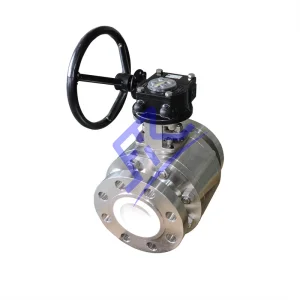
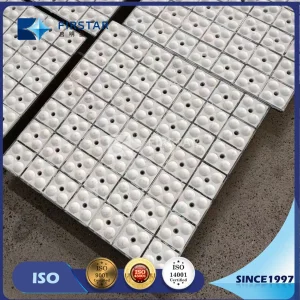
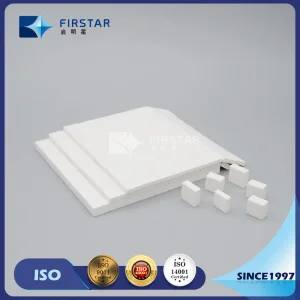
Review our specialized high-performance valves, lined bending pipes, and structural wear tiles engineered for critical plant operations.
 Xingli Industrial Ceramics