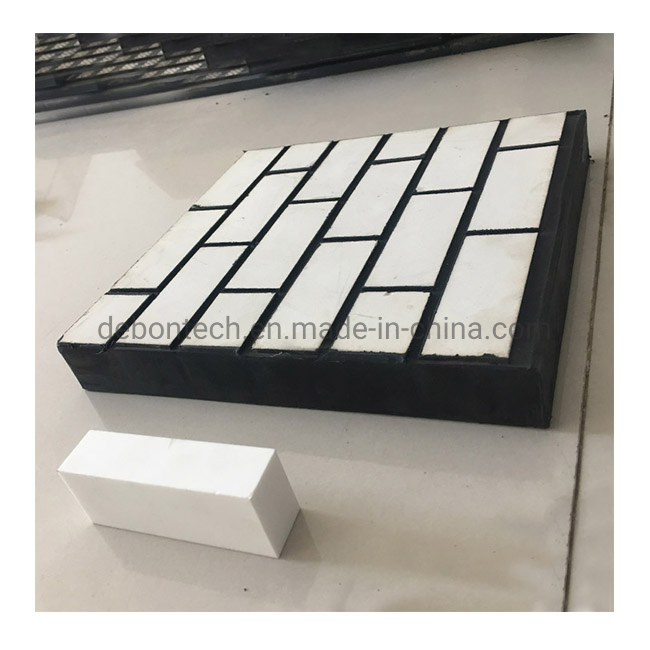
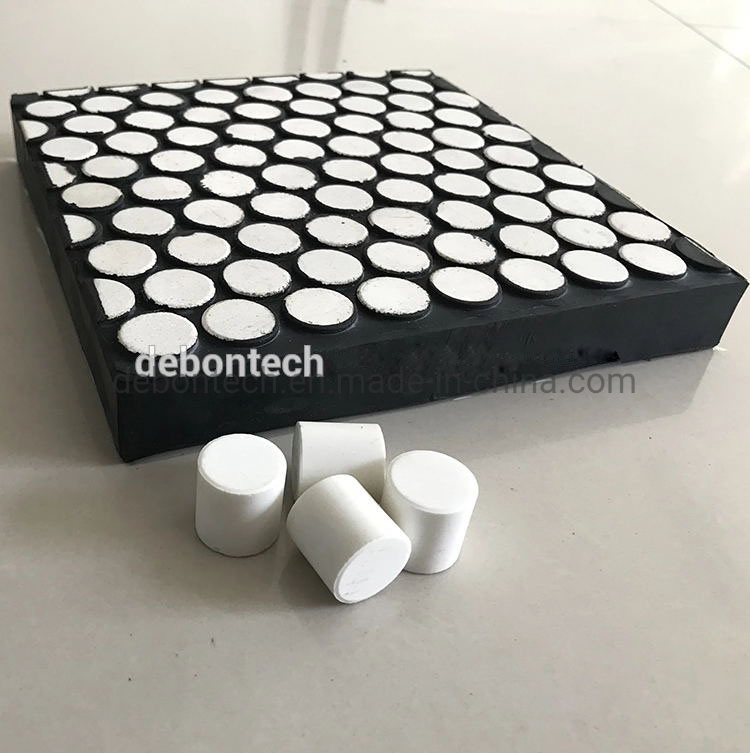
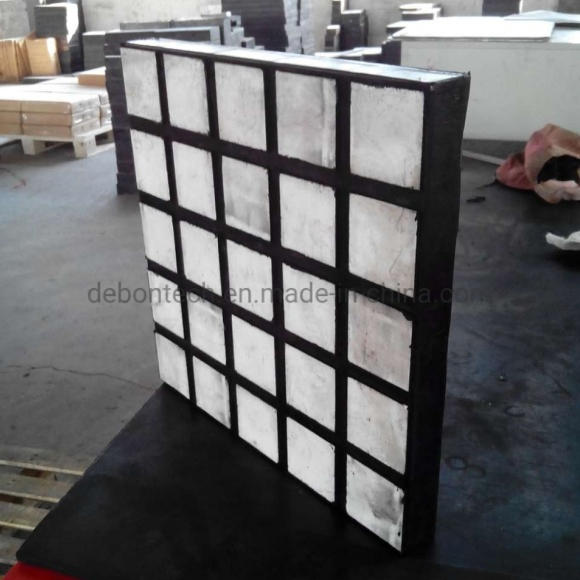
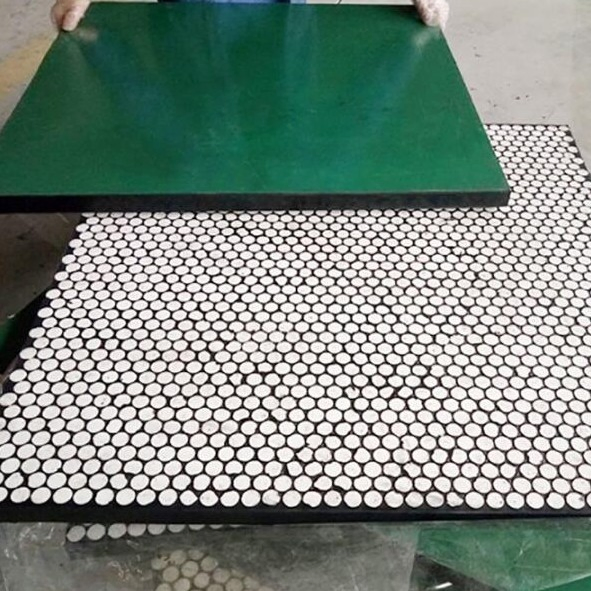
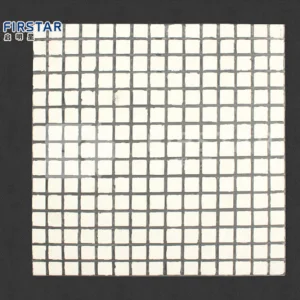
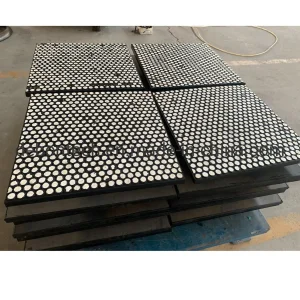
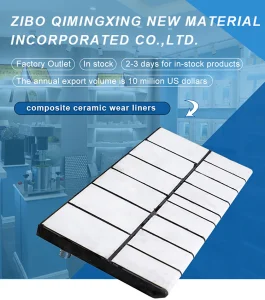
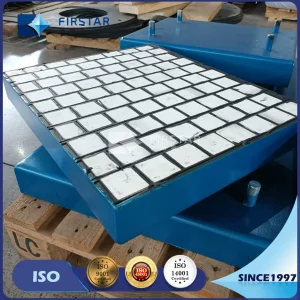
Steel Backing Plate Composite Rubber Ceramic Wear Resistant Liner

Customization: Available
Standard: GB
Application: Loader, Construction Machinery, Metallurgical Machinery, Cement Plant, Mining Machine, Thermal Power Plant, Coal Yard, Chemical Plant, Steel and Iron Plant, Coal Fired

Product Description

Basic Specifications
Model NO.
DB-TCM
Material
Alumina Ceramic + Rubber + Cn Layer / Steel Plate
Type
Ceramic Wear Liner
Suitable
Conveyor, Chute, Hopper, Bin, Pipe, Mine, Quarry
Function
Wear, Abrasion and Impact Protection
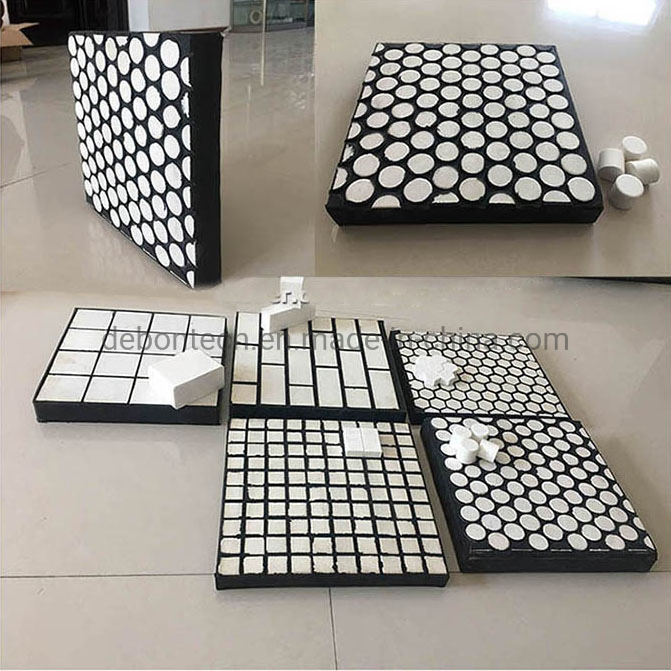
Ceramic Shape
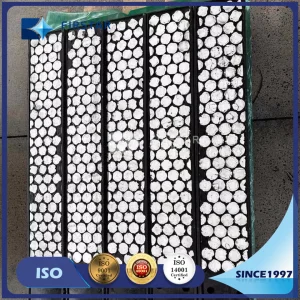
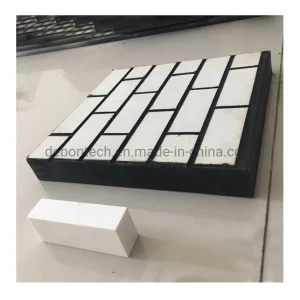
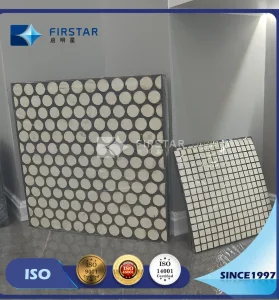
Cylindrical, Hexagonal, Square, Spherical
Install Method
Steel Plate and Studs, or Bonding Layer
Certificate
ISO9001: 2015, SGS, CE
Process
Hot Vulcanizing
Alumina Content
92% / 95%
HS Code
6909120000
Capacity
5000 pieces Per Month
Why Choose Our Solutions
1
Over 20 years of expertise in wear products and conveyor accessories.
2
Global export experience to UK, France, Chile, USA, Australia, and Russia.
3
SGS audited supplier and ISO9001:2015 certified production facility.
4
Strict QC/QA protocols ensuring high quality and product consistency.
Product Overview

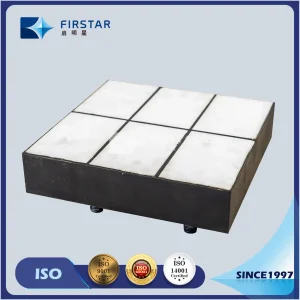
The Steel Backing Plate Composite Rubber Ceramic Wear Resistant Liner integrates high alumina tiles into a rubber matrix through vulcanization. The rubber cushion effectively prevents ceramic tiles from breaking under high impact, while the ceramics provide world-class abrasion resistance.
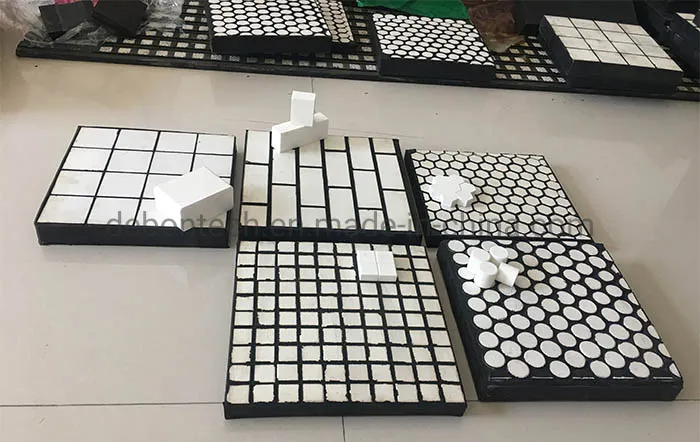
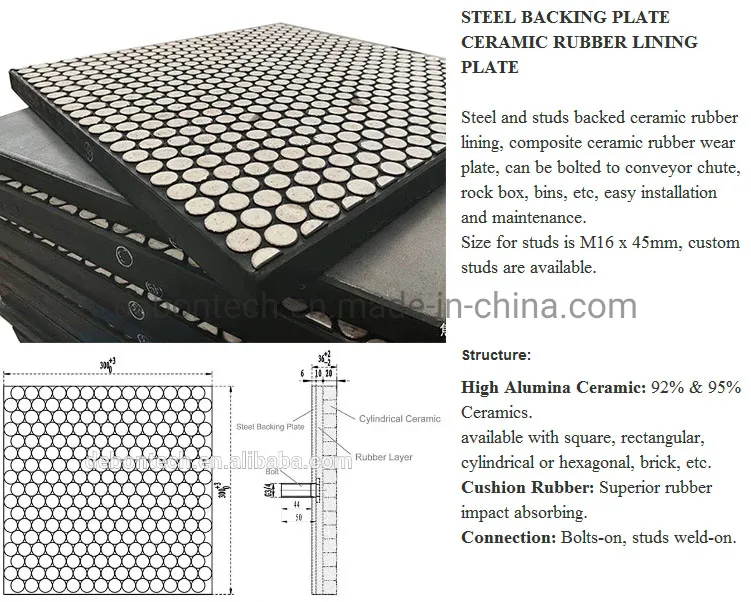
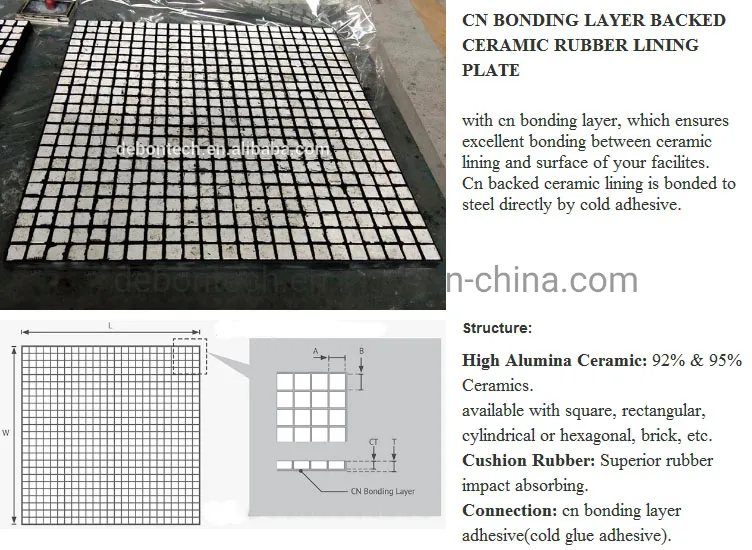
Composite Rubber Ceramic Wear Resistant Liner Structure

Key Features & Benefits

  • Extreme Impact Resistance: Rubber backing absorbs kinetic energy.
  • Superior Wear Protection: Alumina ceramic tiles handle high-velocity friction.
  • Noise Reduction: Elastic rubber layer significantly dampens operational noise.
  • Cost Effective: Extends equipment service life and reduces maintenance downtime.
  • Easy Installation: Can be mounted via epoxy resin, cold vulcanization, or studs.
Mounting Configurations
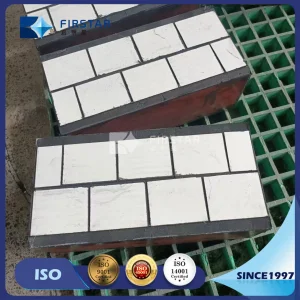
Type 1: Steel Back Plate + Studs
Ceramic Rubber Liner with Steel Plate
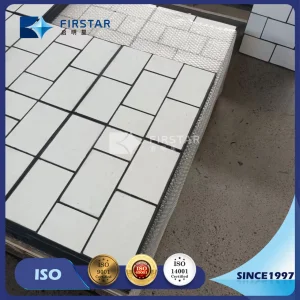
Type 2: CN Bonding Layer
Ceramic Rubber Liner with CN Layer
Technical Parameters
Material Attributes Properties
Ceramic Tiles Material Content 92%, 95%, T95%, ZTA
Rubber Density ~1.4g/cm³
Tensile Strength ≥15 Mpa
Shore Hardness 45-65 Shore A
Working Temp -50ºC to 200ºC
Steel Plate Material / Thickness Q235A / 5mm-6mm
Industrial Applications

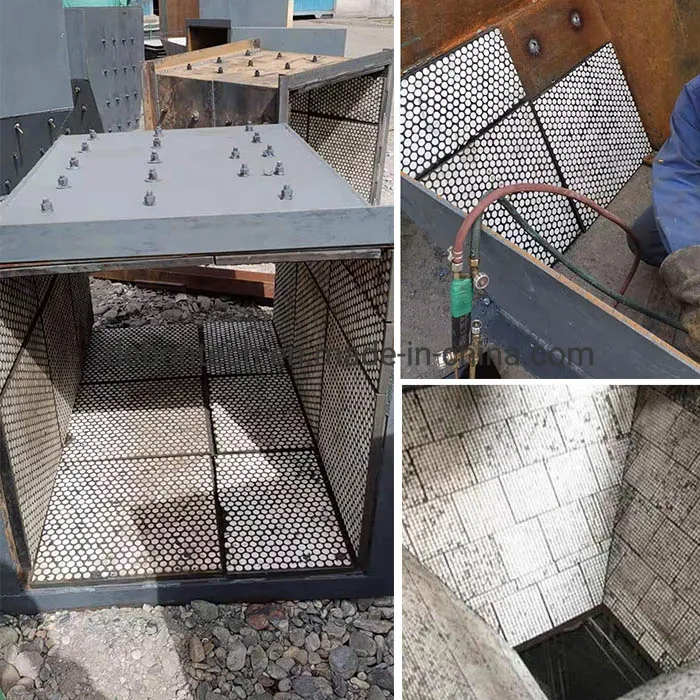
Commonly applied in discharge chutes, transfer chutes, hoppers, bins, silos, and conveyor skirt liners across multiple heavy industries.

Industry Applied Equipment
Mining & Steel Chutes, Reflectors, Impact Plates, Bunkers
Power Plants Coal Feeders, Coal Hoppers, Bins
Port & Cement Stacker & Reclaimers, Belt Stock House
On-site Ceramic Wear Liner Application
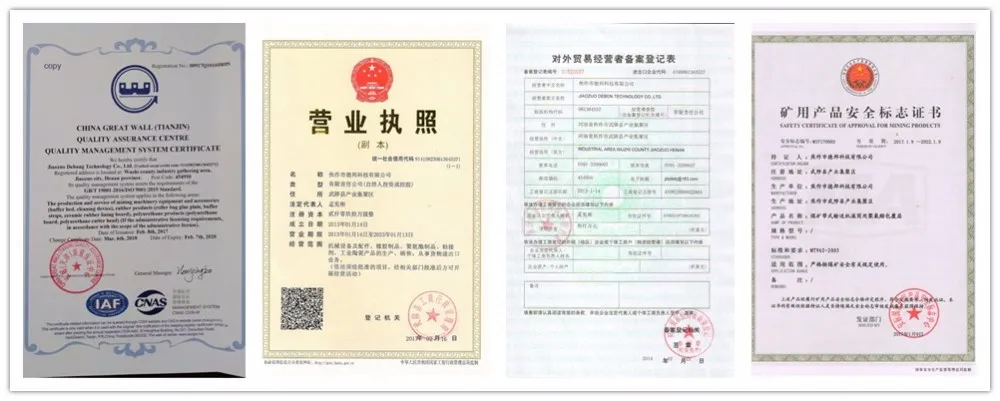
Quality Certifications
ISO SGS Certifications
Frequently Asked Questions
What materials are used in the composite wear liners?
The liners consist of high alumina ceramic tiles (92% or 95%), a natural rubber cushion, and either a steel backing plate with studs or a CN bonding layer.
How do I choose between Type 1 and Type 2 installation?
Type 1 (Steel Plate + Studs) is ideal for mechanical fastening where welding or bolting is preferred. Type 2 (CN Layer) is designed for cold vulcanization bonding directly to equipment surfaces.
What is the temperature range for these liners?
The rubber components are designed to operate efficiently in temperatures ranging from -50ºC up to 200ºC.
Can the size and shape of the tiles be customized?
Yes, we offer customized sizes and various ceramic shapes including cylindrical, hexagonal, square, and spherical to fit your specific equipment geometry.
Why is rubber used with ceramic?
Rubber acts as a shock absorber. While ceramic is extremely hard and wear-resistant, it can be brittle. The rubber layer prevents the tiles from cracking under heavy material impact.
What are the main industries that use these liners?
These are widely used in hard rock mining, coal-fired power plants, steel mills, cement plants, and port bulk material handling.

Related Products