Basic Information
Nominal Pressure
Pn10 Pn16 Class150
Channel
Straight Through Type
Structure
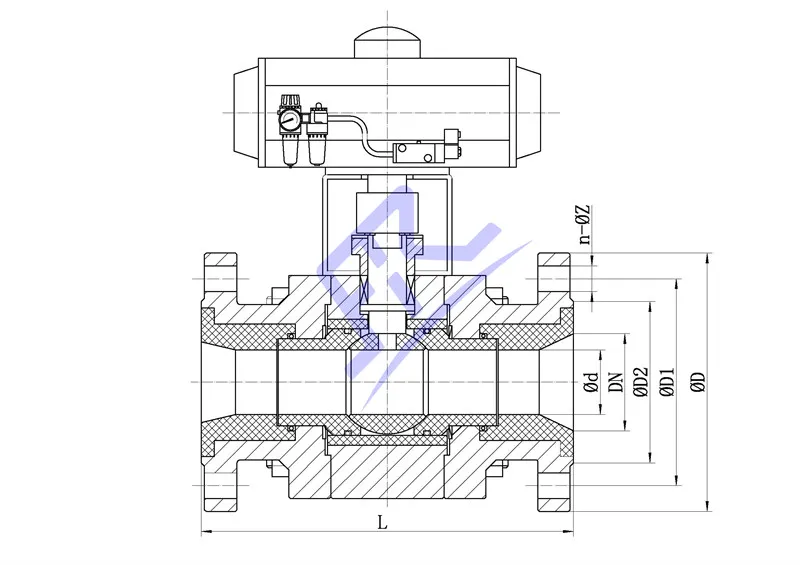
Floating Ball Valve
Temperature
High Temperature
General Overview
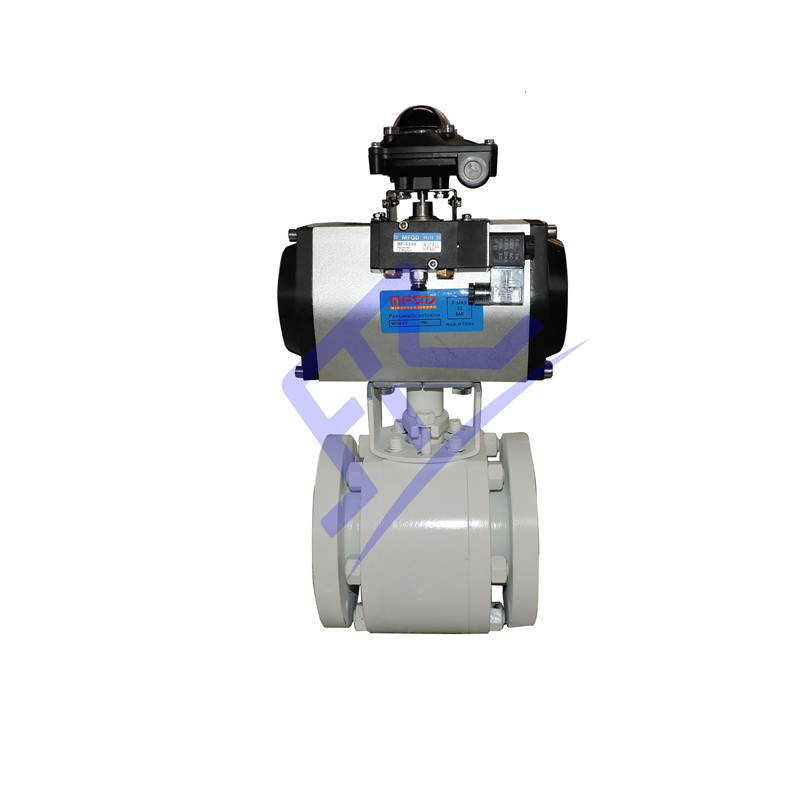
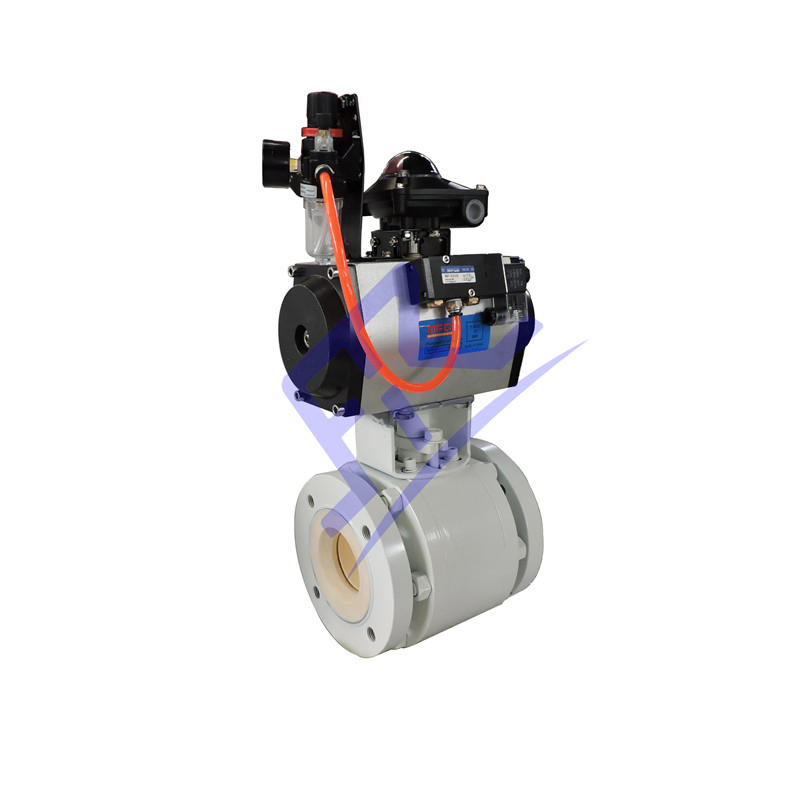
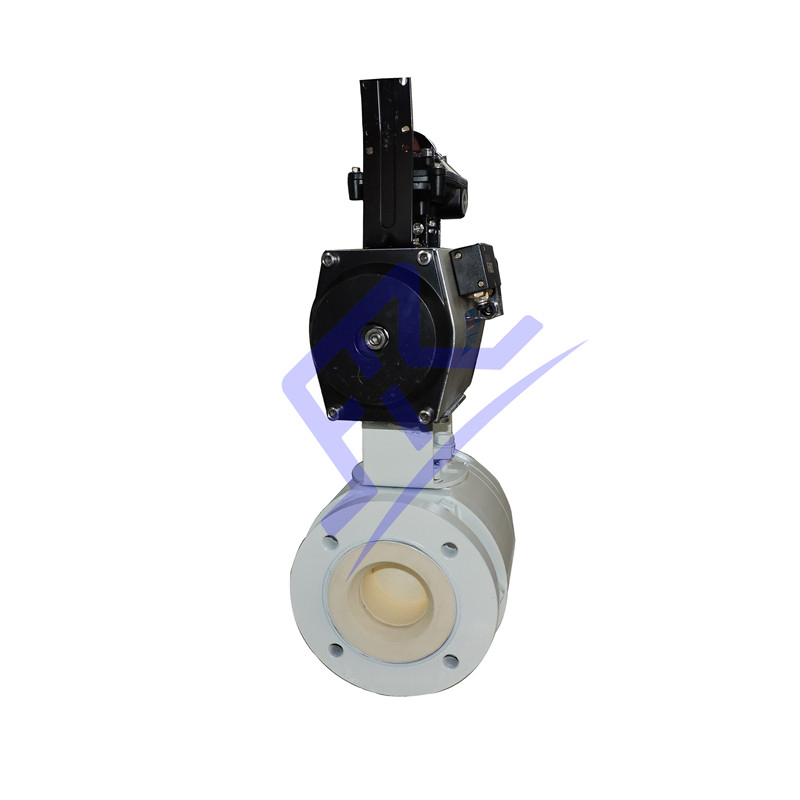
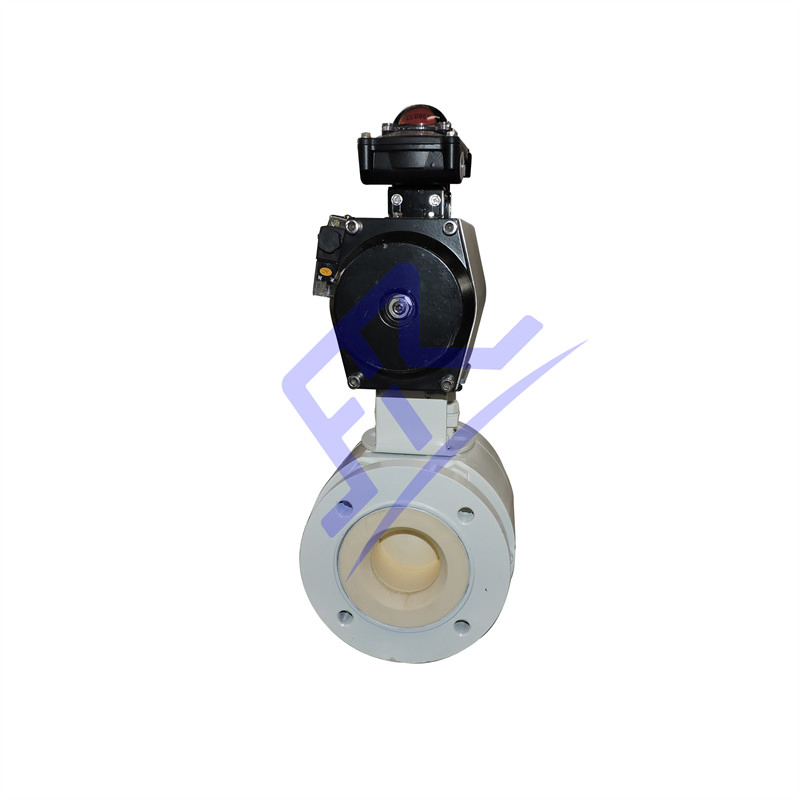
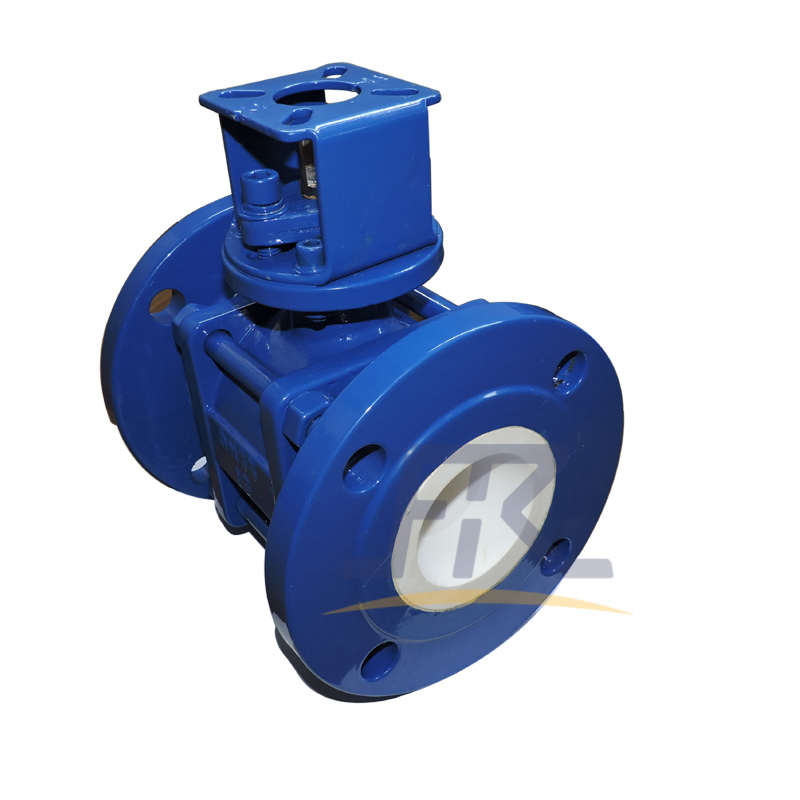
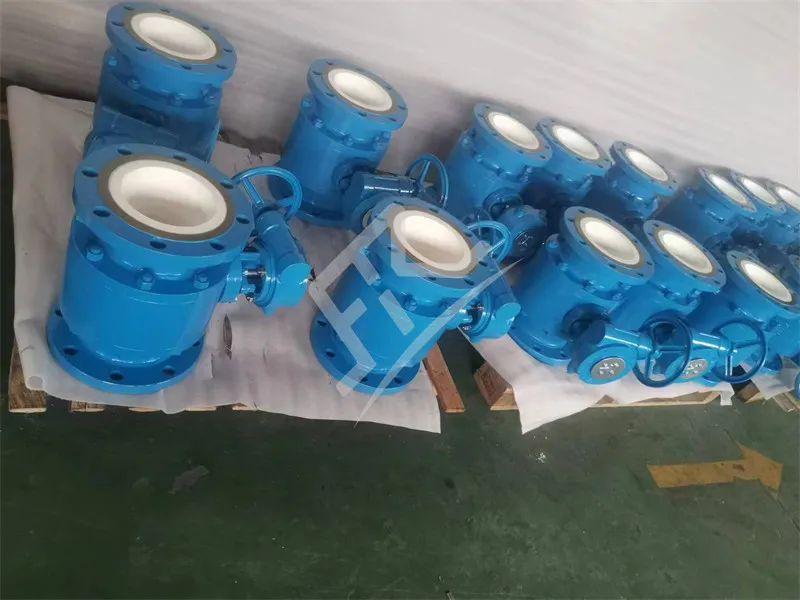
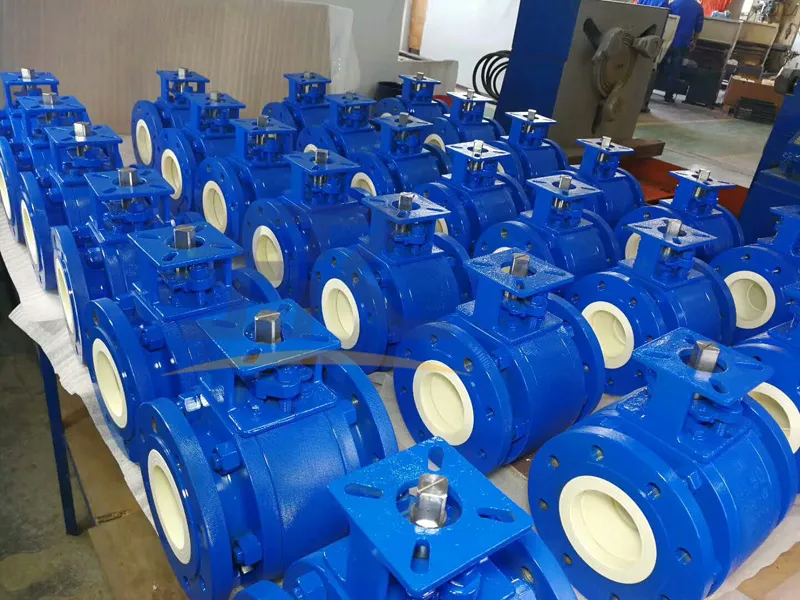
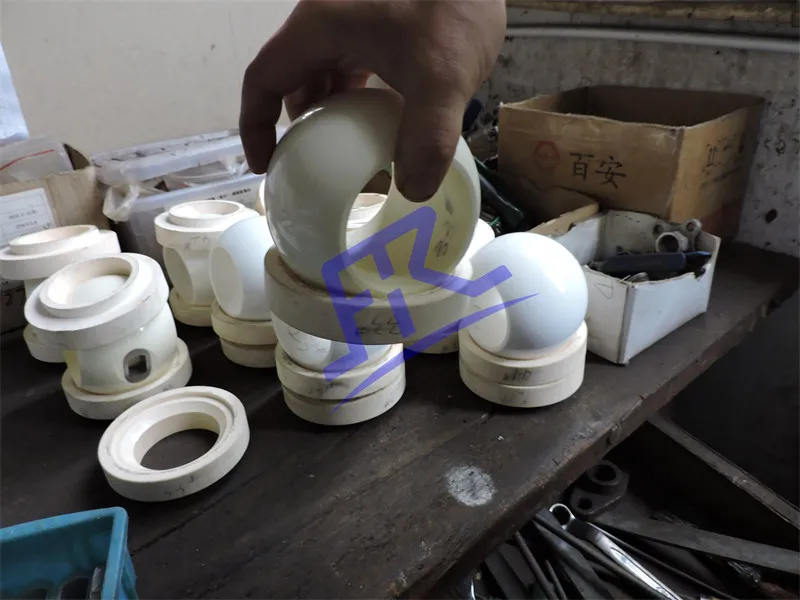
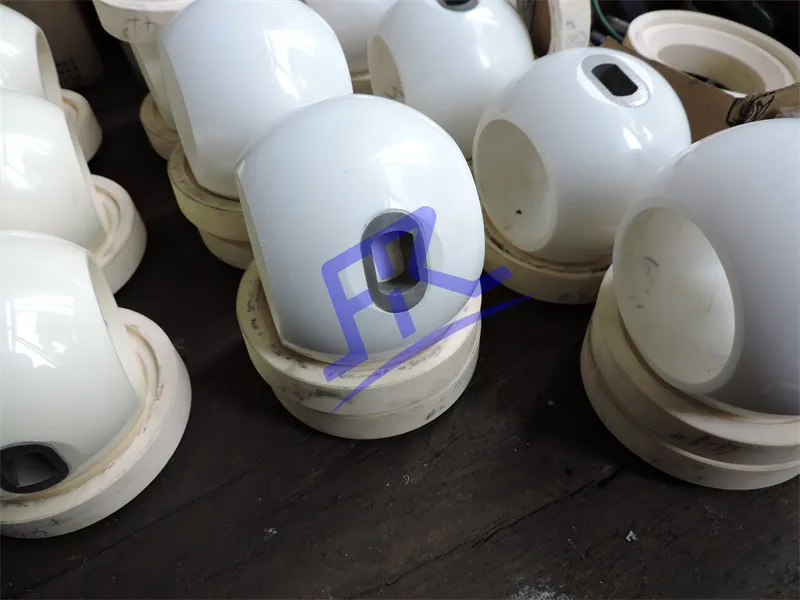
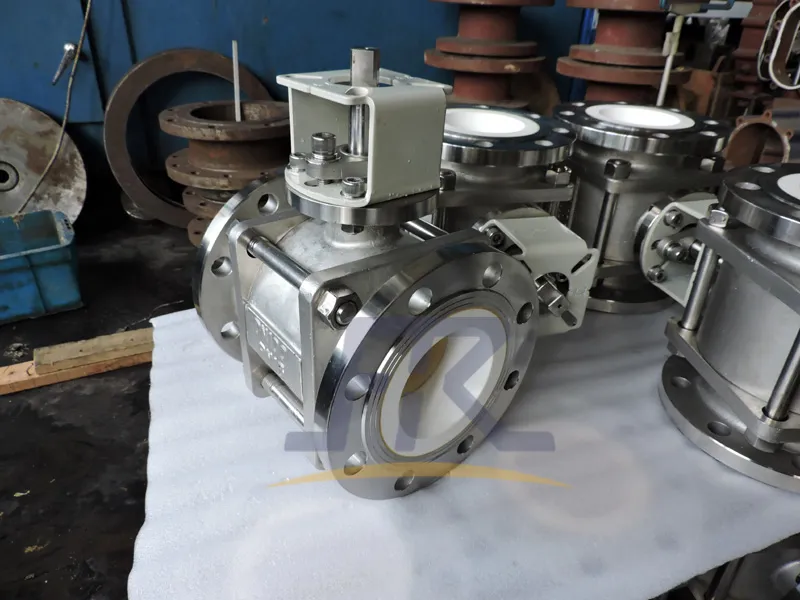
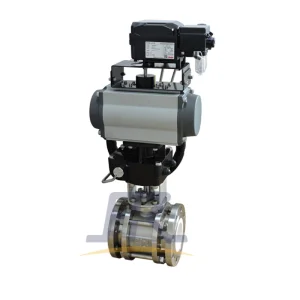
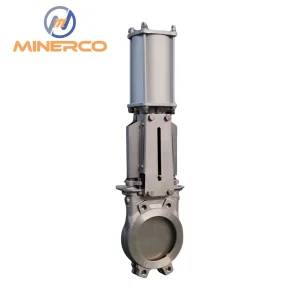
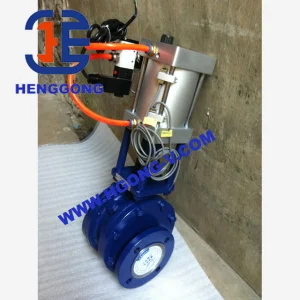
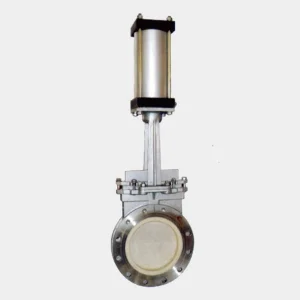
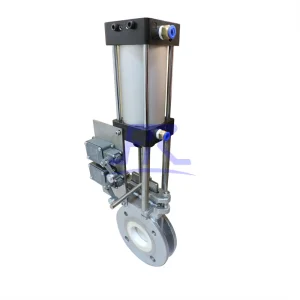
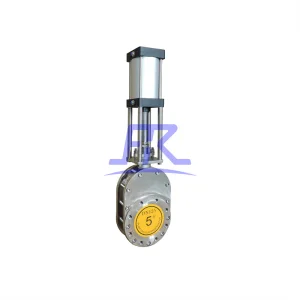
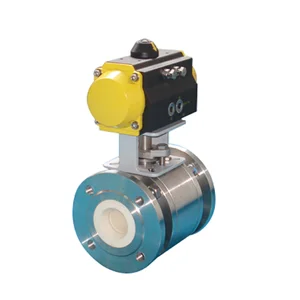
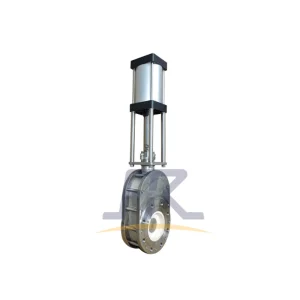
Pneumatic Flanged Ceramic Lined Floating Ball Valves are designed with engineering ceramics. The internal parts provide excellent wear resistance. These valves are widely used for open/close functions and throttling control in corrosive media with abrasive solids content.
Key Features
- The hardness of the ceramic material can be higher than HRC80.
- Engineering internal parts provide superior protection from corrosive and abrasive medium.
- Compatible with manual lever, gear box, pneumatic, electric, and hydraulic actuators.
- Customized V type ceramic control valve is also available.
- Floating ball design ensures tight sealing under differential pressure against the downstream seat.
Technical Specifications
| Size Range | NPS 2 ~ NPS 8 / DN50 ~ DN200 |
| Nominal Pressure | Class 150 / PN6 / PN10 |
| Temperature | 0~200ºC |
| Ball Material | ZrO2 Ceramic |
| Lining/Seat | Ceramic |
| Pressure Test | GB/T13927, API598 |
| Face to Face | GB/T12221, ASME B16.10 |
| Flange Standards | ASME B16.5, GB/T9113 |
Industrial Application
These valves are suitable for handling: Silicon Powder, Alumina Powder, Dry Coal Powder, Limestone Slurry, Gypsum Slurry, Fly Ash, Mining Ore, Coal Powder Injection, Metallurgical dust, and Thermal Power plant FGD systems.
Frequently Asked Questions
Q1: What materials are used for the valve internals?
A1: The valve utilizes high-grade engineering ceramics, specifically ZrO2 (Zirconia) for the ball and seat lining to ensure maximum wear resistance.
Q2: Can these valves handle high-temperature media?
A2: Yes, these ceramic lined valves are designed for high-temperature applications, typically ranging from 0 to 200ºC.
Q3: What actuation modes are supported?
A3: The standard model is pneumatic, but we also support manual lever, gear box, electric, and hydraulic actuators based on site requirements.
Q4: Are the flange dimensions customizable?
A4: Yes, we can manufacture flanges according to various standards including GB/T9113, ASME B16.5, or JIS B2220 as per customer needs.
Q5: In which industries are ceramic ball valves most effective?
A5: They are highly effective in power plants, mining, metallurgy, and chemical industries where abrasive slurries or powders are transported.
Q6: What is the benefit of the floating ball design?
A6: The floating ball design allows the ball to be pressed against the downstream seat by the media pressure, ensuring a tight, leak-proof seal.
 Xingli Industrial Ceramics