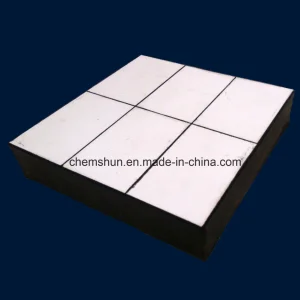
Chemshun Abrasive Resistant Ceramic Lagging Supplier

Still deciding? Get samples of $ !
Request Sample

Product Description

📊 Basic Information
Model NO.
Ceramic tiles
Installation
Adhesive Bonding
Material
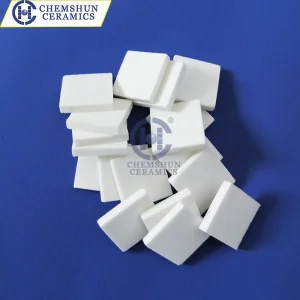
Alumina Ceramics (92%/95% Al2O3)
Shape
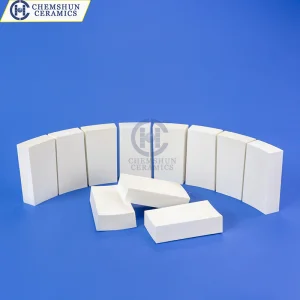
Cylinder, Plate
Surface Finish
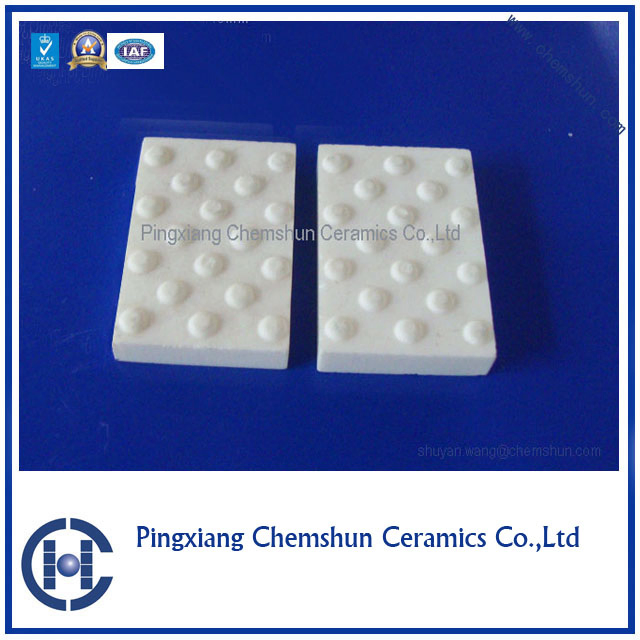
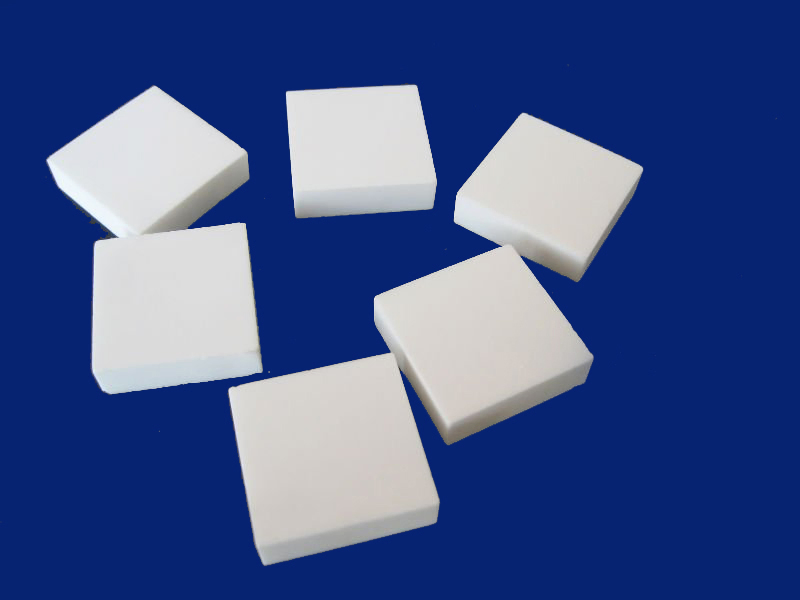
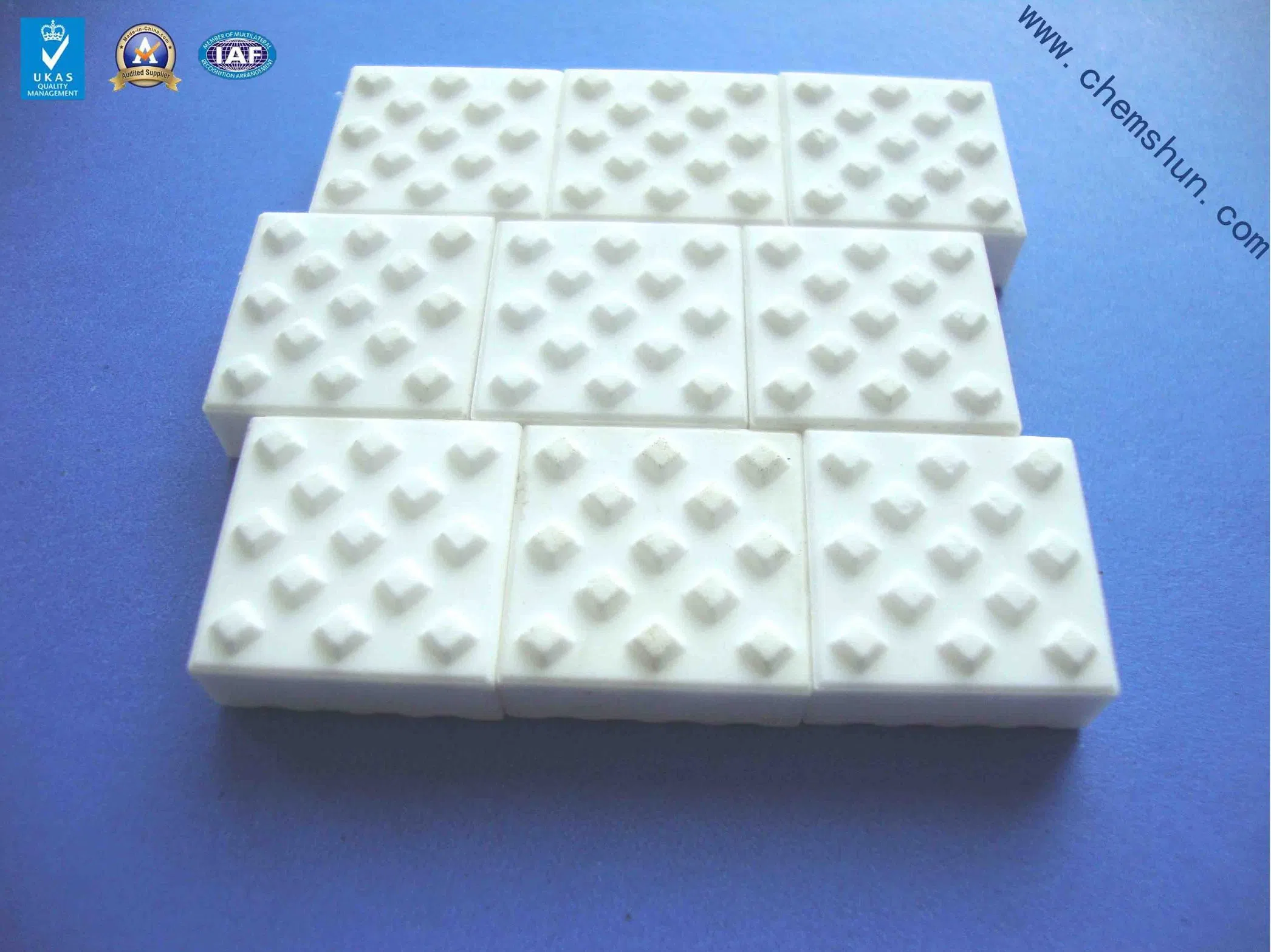
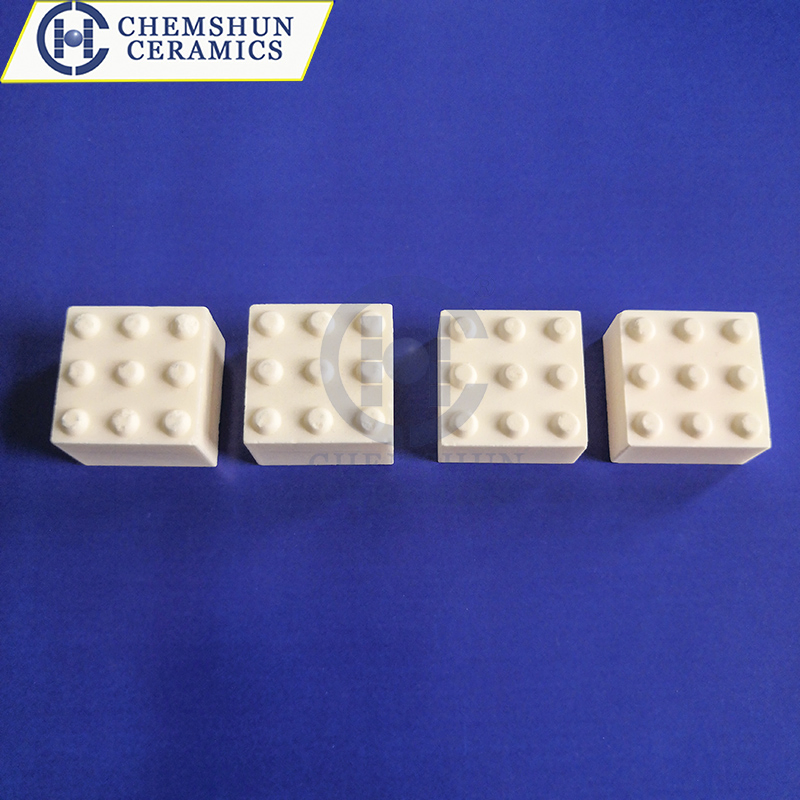
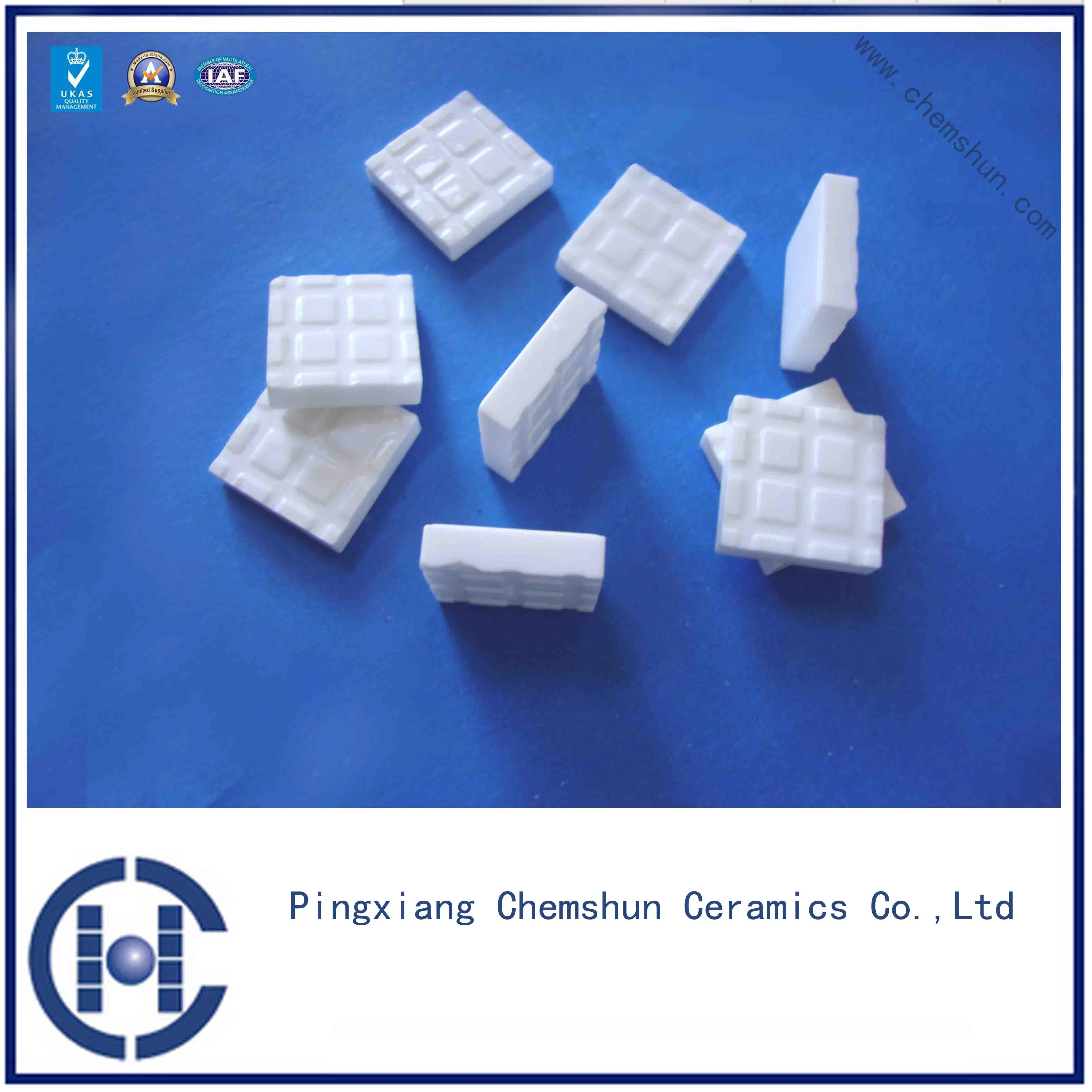
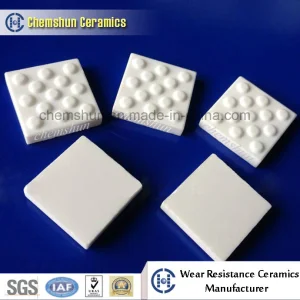
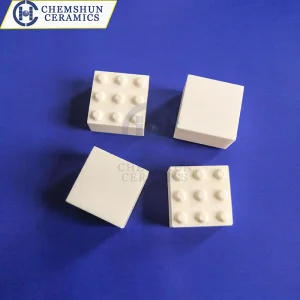
Smooth / Bumps / Dimples
Density
>=3.60g/cm3
Moh's Hardness
9
HS Code
690220
Refractoriness
1580 < ℃ < 1770
Capacity
5000 Ton/Year
🛠️ Product Description

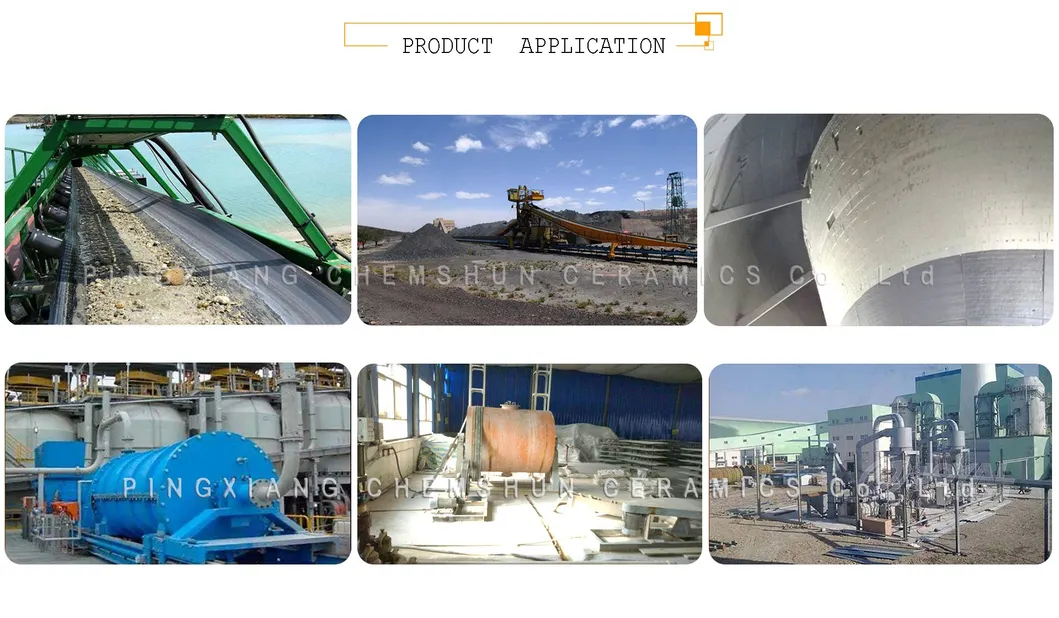
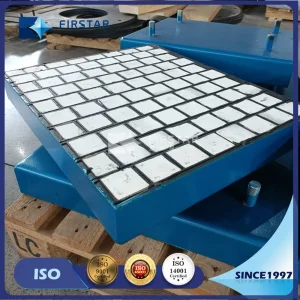
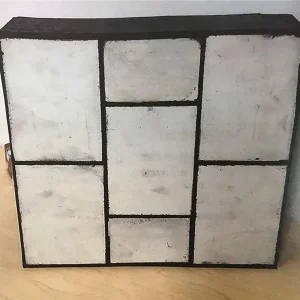
Abrasive Resistant Ceramic Alumina tiles are premium surface wear-resisting materials designed for equipment handling material transfer. These tiles are ideal for iron & steel works, thermal power plants, mines, and conveying engineering. They significantly extend the operating life of equipment like chutes, hoppers, and belt conveyors.

💎 Key Features

High hardness (Moh's 9), high purity, and simple shapes for easy installation.

🚀 Major Benefits

Excellent anti-resistant and corrosion resistance. Abrasion resistance is 266 times that of manganese steel.

⚙️ Applications

Used in ceramic rubber plates, pulley lagging, and lining for chutes, bunkers, and pipes.

📋 Technical Specifications
Technical Properties Unit 92AL 95AL
Alumina Content%9295
Densityg/cc3.603.68
Flexural StrengthMpa275300
Rockwell HardnessR45N7578
Vickers Hardness (HV10)Kg/mm210501120
Fracture ToughnessMpa.m1/23-44-5
Max. Use Temp.ºC12501250
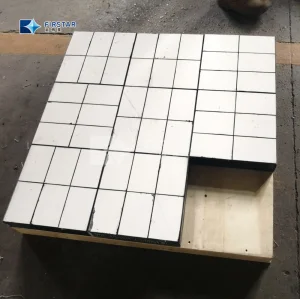
🖼️ Product Display
Frequently Asked Questions
What is the primary material used in these ceramic tiles?
The tiles are manufactured from high-purity Alumina (92% or 95% Al2O3), providing exceptional hardness and wear resistance.
In which industries are these tiles most commonly used?
They are widely utilized in mining, steel plants, thermal power plants, cement production, and port handling industries for material conveying protection.
How do dimpled tiles benefit pulley lagging?
The dimpled surface (e.g., 18 dimples per tile) increases friction between the pulley and the belt, preventing slippage and improving conveying efficiency.
What is the hardness level compared to steel?
With a Moh's hardness of 9, these ceramics are significantly harder than traditional steel, offering a lifespan up to 266 times longer than manganese steel.
Can these ceramics withstand high-temperature environments?
Yes, the tiles have a maximum use temperature of up to 1250ºC, making them suitable for thermal and high-heat industrial applications.
What are the standard sizes available for lagging tiles?
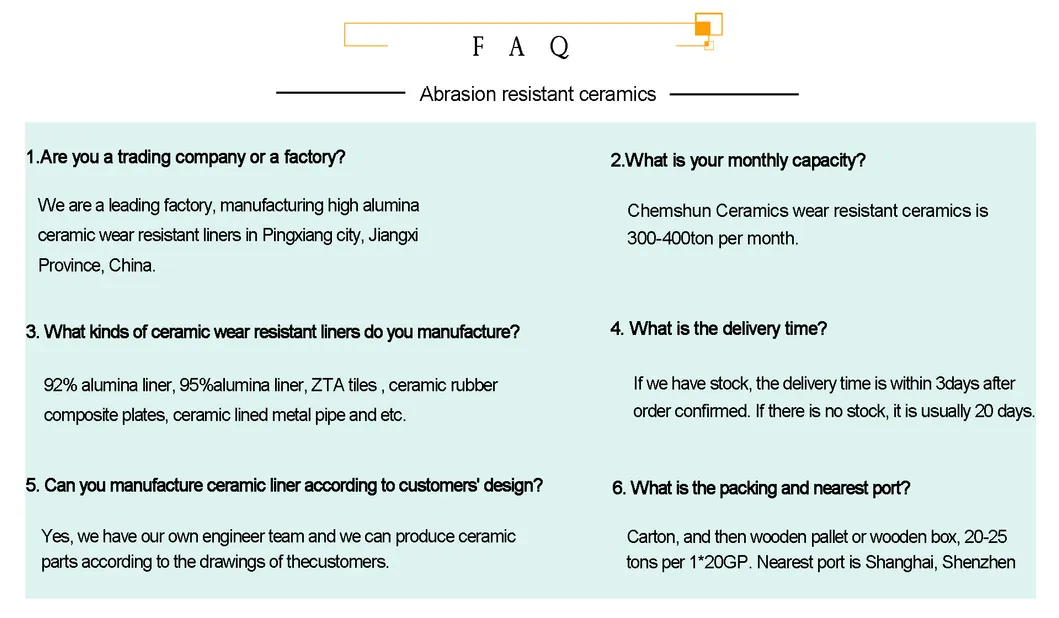
Common specifications include 20x30mm with thicknesses ranging from 5mm to 15mm, plus additional height for dimples.

Related Products