High-performance custom composites engineered to withstand extreme friction, slurry flow, and direct raw mineral impact.
Developing durable infrastructure to sustain high-yield production in sub-Saharan extreme conditions.
Equatorial Guinea is strategically transforming its industrial framework. Richly endowed with offshore oil fields such as the Zafiro, Aseng, and Alen fields, the nation is expanding its LNG output at Punta Europa, Malabo, and pursuing extensive mining explorations in the Rio Muni mainland region. The transport and processing of unrefined resources pose high-friction and highly abrasive challenges. In coastal environments, maritime salt-spray combines with high humidity to accelerate mechanical corrosion. Traditional steel sleeves and pipes wear down within months under these conditions, demanding immediate and costly interventions that disrupt productivity.
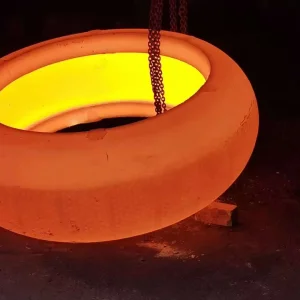
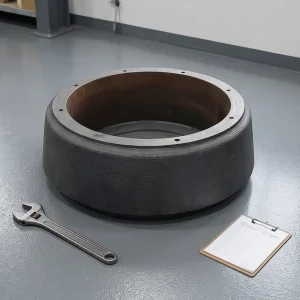
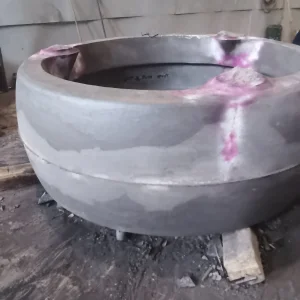
The solution lies in the deployment of Steel-Ceramic Composite Wear Sleeves. By fusing the extreme hardness of alumina/zirconia industrial ceramics with the structural flexibility of heavy-duty steel, industrial entities operating in Malabo, Bata, and Luba can extend their hardware lifecycles significantly. This composite material shields internal pathways of slurry pumps, drill strings, cyclones, and pneumatic transport lines from the destructive forces of abrasive particles and corrosive sea-water.
In Equatorial Guinea, port loading and ship-to-shore transfer installations handle bulk materials such as iron ore, timber products, and heavy minerals. The continuous impact at transit chute elbows causes rapid material thinning. Deploying specialized wear-resistant sleeves and rubber-ceramic matrices reduces system wear, ensuring seamless supply chains.
Leveraging state-of-the-art materials engineering and structured cost-efficiencies to optimize regional maintenance strategies.
Industrial sectors worldwide are transitioning from monometallic components toward composite hybrids. High-chrome cast iron and manganese steels are limited by their hardness thresholds. When handling sand, slurry, coal, or mineral dust, metallic linings suffer micro-ploughing and erosion. Advanced ceramics, including Alumina ($Al_2O_3$) and Zirconia ($ZrO_2$), register between 9 and 9.5 on the Mohs hardness scale. By lining structural steel tubes with these ceramic compositions, operators access the high structural strength of steel combined with the wear resistance of ceramics.
China's industrial ceramic manufacturing sector, centered around Zibo (Shandong) and Hunan, offers technological innovation combined with production efficiency. Utilizing automated cold isostatic pressing (CIP) systems, advanced tunnel kilns, and state-of-the-art vulcanization setups, Chinese factories produce precise tolerances, uniform densities, and reliable ceramic-to-metal bonding. This high-efficiency manufacturing translates to reduced delivery cycles, custom CAD geometries, and optimized unit economics for import-dependent markets like Equatorial Guinea.
| Material Metric | Alumina Ceramic Lined Composite | Standard High-Chrome Alloy | Manganese Steel (Mn13) |
|---|---|---|---|
| Hardness (HV) | 1100 - 1600 | 600 - 750 | 400 - 500 |
| Mohs Hardness | 9.0 | 6.5 - 7.0 | 5.5 - 6.0 |
| Corrosion Resistance | Excellent (Acids, Alkalis, Salts) | Moderate (Pitting in Saltwater) | Poor (Rapid Oxidation) |
| Impact Resistance | High (When buffered by rubber) | High (Brittle under extreme force) | Very High |
| Lifespan Multiplier (Slurry) | 8x to 12x | 2x to 3x | Baseline (1x) |
Where engineering protection delivers the highest ROI and minimizes unplanned operational downtime.
Marine drilling rigs utilize slurry pipelines to transport drilling fluids containing sand, mud, and drilling debris. Steel-ceramic composite sleeves protect the pumps, fluid joints, and disposal lines from abrasive wear and salt-spray corrosion.
In the Rio Muni continental region, mining projects process highly abrasive gold ore and bauxite deposits. Chutes, cyclones, and conveyor transfer points require composite ceramic linings to reduce localized wear from raw material flow.
Bata and Malabo port terminals transfer abrasive grains, cement clinker, and mineral products daily. Installing composite rubber-ceramic wear plates at structural impact zones cushions fall velocity and prevents metal fatigue.
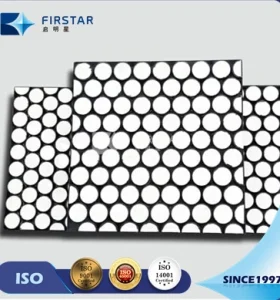
Our complete line of wear-resistant solutions engineered with premium alumina and vulcanized rubber substrates.
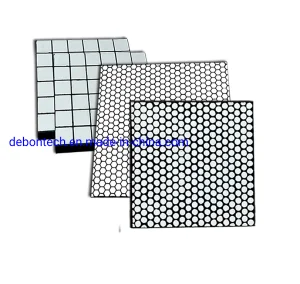
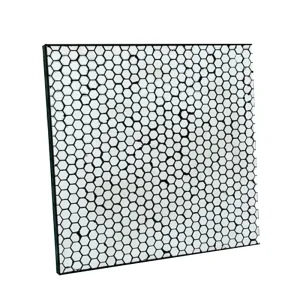
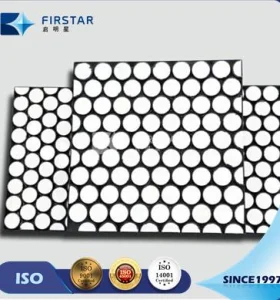
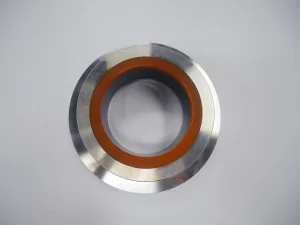
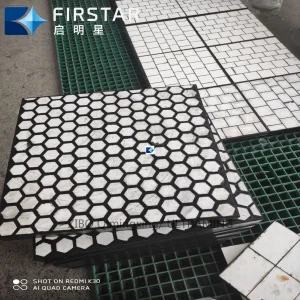
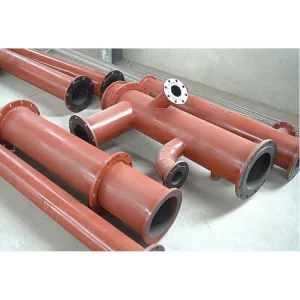
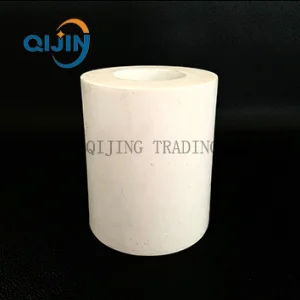
Refining critical wear interfaces to extend the maintenance cycles of high-intensity machinery.
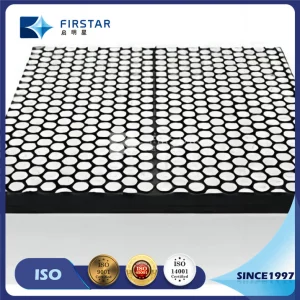
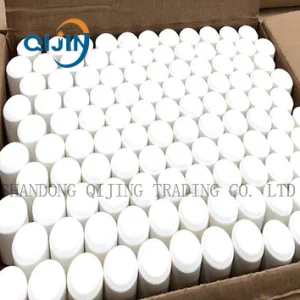
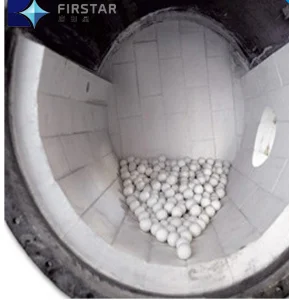
Synergized expertise in material science, advanced sintering processes, and global application engineering.
Zibo Xingli Industrial Ceramics Co., Ltd. is a high-tech manufacturing enterprise specializing in the production of industrial alumina ceramics, zirconia ceramics, and carbon-silicon composite wear products. Our core manufacturing portfolio focuses on providing industrial wear-resistant ceramic ball grinding media, alumina lining blocks, structural ceramic liners, ceramic composite pipes, and inert alumina catalyst support balls. Backed by specialized materials engineering labs, our components deliver mechanical resilience across chemical, metallurgical, and structural processing platforms.
Working in close technical alliance, Hunan Yibeino New Materials Co., Ltd. has passed the ISO9001:2015 quality system certification. By maintaining a strict quality control network, we fully integrate our design, production, and installation operations within standardized frameworks. From raw material inspection to batch mixing, precision pressing, and high-temperature kiln firing, every operational phase is monitored to ensure stable performance and consistent physical properties.
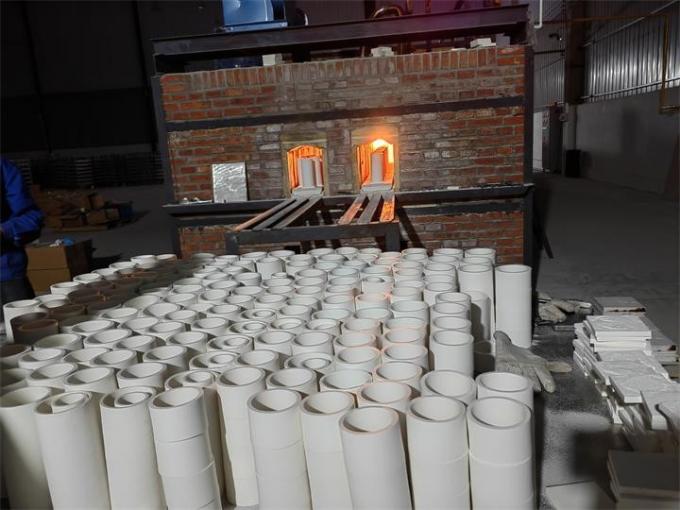
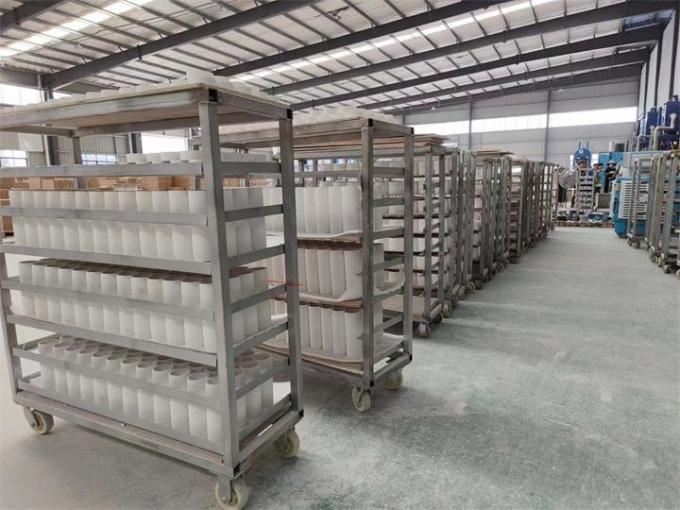
Our ongoing investment in R&D has secured several industrial patents, including: "A kind of elbow of pump pipe discharge anti-clogging pipe", "A lining board installation structure", "A lining board processing console", and "A conveying device for ceramic-lined pipes". These innovations solve localized structural challenges, ensuring that fluid pathways avoid turbulent blockages and lining boards do not separate under thermal expansion stress.
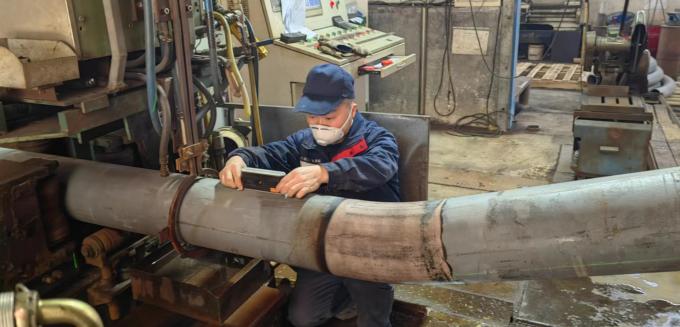
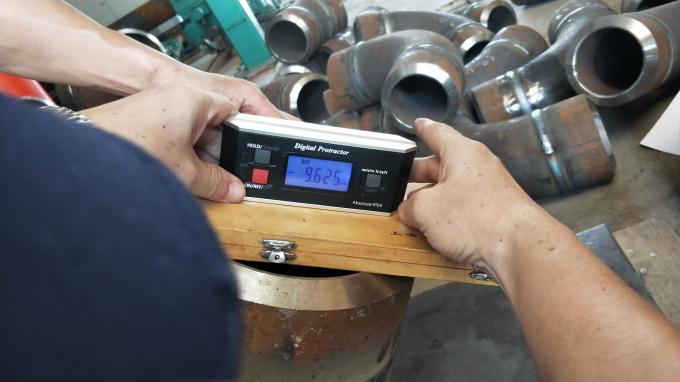
Seamless procurement, customization, and deployment support for our partners in Equatorial Guinea.
Our sales and logistics network spans key international industrial regions, serving clients in the United States, Germany, Sweden, India, Turkey, the Netherlands, Italy, Spain, Japan, South Korea, Russia, Vietnam, and African resource zones. Guided by the core operating principles of "Integrity, Hard Work, and Technical Innovation," we provide wear mitigation solutions to minimize operational overhead and extend machine life.
Technical representatives analyze site operating criteria, fluid velocity profiles, temperature parameters, and chemical compositions to formulate an optimized wear-reduction strategy and project cost projection.
Once equipment metrics are verified, we generate precision CAD models for custom sleeves and pipes, ensuring structural alignment and proper fluid clearance before beginning production.
For domestic sites within China, our technicians arrive within 48 hours. For partners in Equatorial Guinea, we provide digital configuration support, detailed installation guides, and express customs clearance documentation.
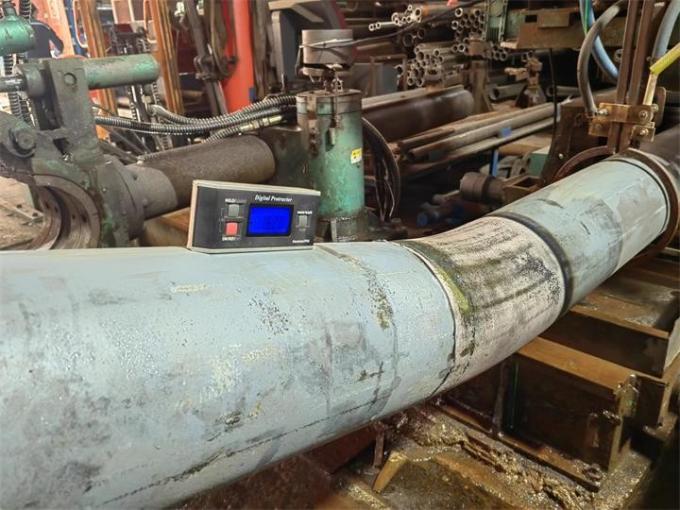
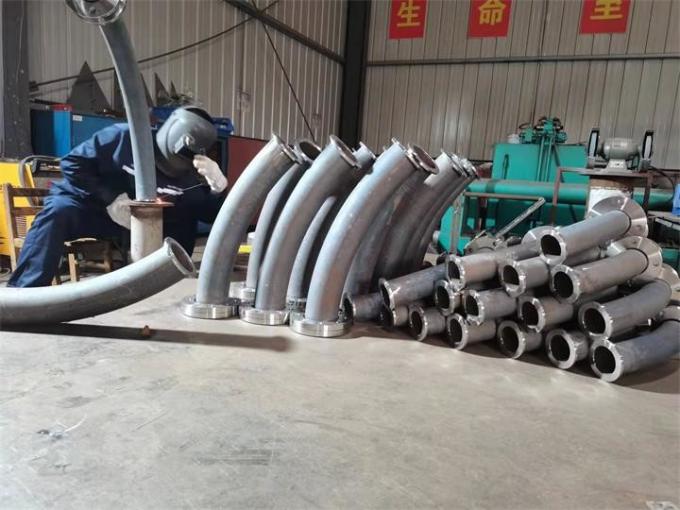
Technical insights on material compatibility, installation methods, and shipping to the Central African market.
 Xingli Industrial Ceramics