Engineered specifically to survive saline atmospheric corrosion, intense mechanical abrasive wear, and high impact operations in coastal West Africa.
As a key maritime hub in the Gulf of Guinea, the Democratic Republic of São Tomé and Príncipe is undergoing a critical transition. With expanding offshore oil and gas prospecting, port modernization (notably the deep-water port initiatives at Neves), and agricultural processing optimization, the demand for highly reliable mechanical infrastructure is surging.
Equipped with a tropical humid climate and high salinity sea spray, local operations face the compound threat of severe mechanical friction and galvanic corrosion. Standard carbon steel pipes and wear sleeves disintegrate prematurely, causing expensive downtime, operational bottlenecks, and soaring maintenance costs.
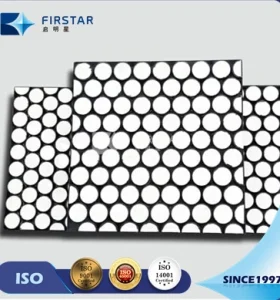
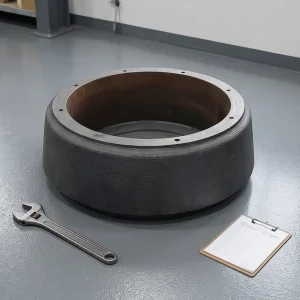
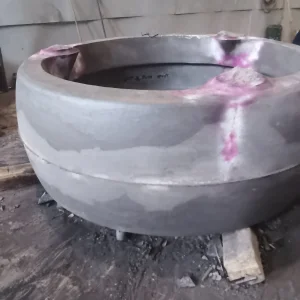
Our Steel-Ceramic Composite Wear Sleeves offer the ideal technical response, merging the supreme structural integrity of alloy steel with the near-diamond hardness of Alumina ($\text{Al}_2\text{O}_3$) and Zirconia ($\text{ZrO}_2$) ceramics. This composite barrier isolates the steel substrate from corrosive media while providing unparalleled resistance to high-velocity slurry flows, dry abrasive aggregates, and impact forces.
Why Composite Steel-Ceramics Outperform Traditional Alloys in Demanding Industrial Environments
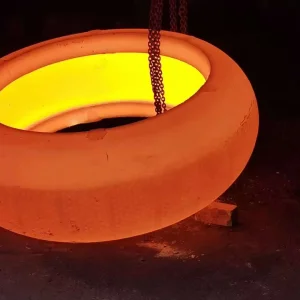
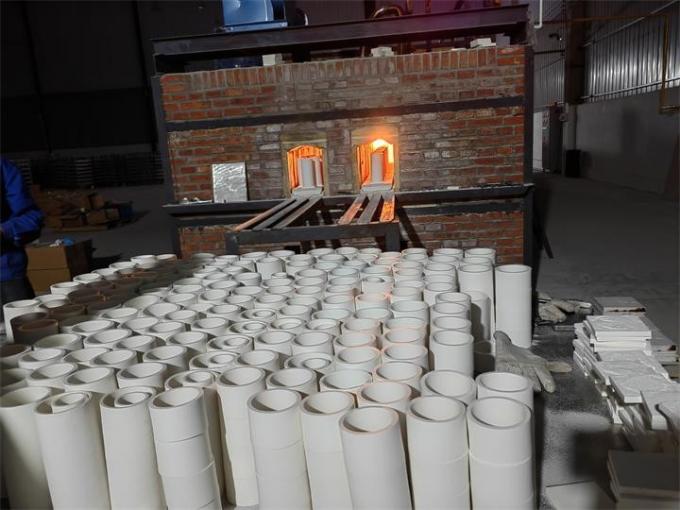
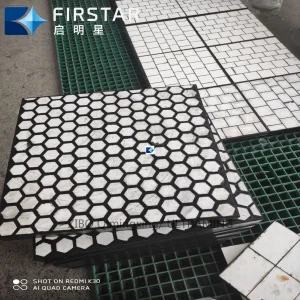
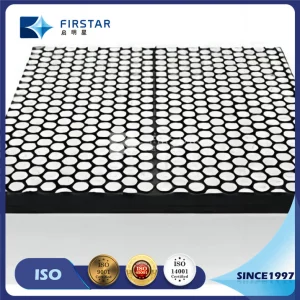
Our composite sleeves utilize high-purity alumina (92% - 95% $\text{Al}_2\text{O}_3$) or Zirconia-Toughened Alumina (ZTA), pre-engineered as tiles, cylinders, or monolithic sleeves. These are chemically and mechanically bonded to internal steel surfaces using state-of-the-art high-temperature inorganic polymers or structural thermal vulcanization processes. The result is a seamless, impact-absorbing wear lining that remains stable at extreme temperatures and aggressive pH ranges.
For operations in São Tomé and Príncipe, where components must be imported and logistics costs are high, choosing a durable material with prolonged wear cycles is paramount. Standard alloy sleeves are prone to localized pitting and stress-corrosion cracking (SCC) when exposed to ocean air. In contrast, the crystalline structure of our ceramics exhibits zero chemical reaction to marine salts and acids, ensuring structural stability throughout the component's lifetime.
Combining the Strengths of Leading Industrial Ceramics Manufacturers
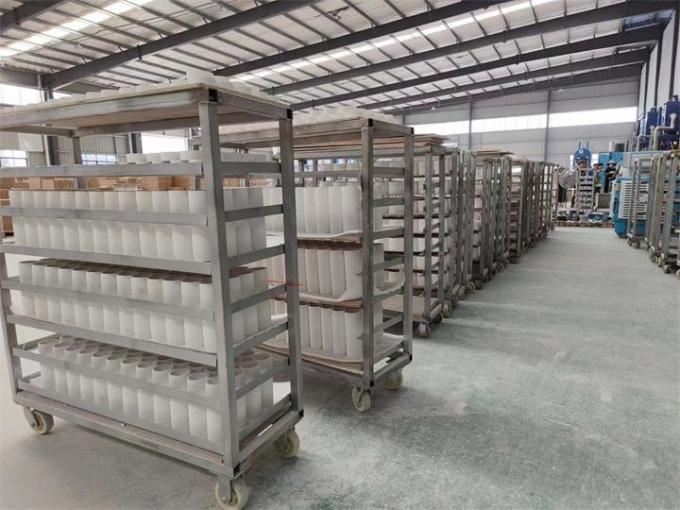
Hunan Yibeino New Materials Co., Ltd. has passed the ISO9001:2015 quality system certification. The company operates under a rigorous quality control system, fully integrating product design, manufacturing, and installation services into its ISO quality management procedures. From raw material purchase and compounding to production process supervision and final inspection, every phase is engineered to guarantee stable product performance and outstanding structural durability.
Our sales footprint spans across the globe, with products exported to the United States, Germany, Sweden, India, Turkey, the Netherlands, Italy, Spain, Japan, South Korea, Russia, Vietnam, and now expanding extensively into developing West African hubs like São Tomé and Príncipe.
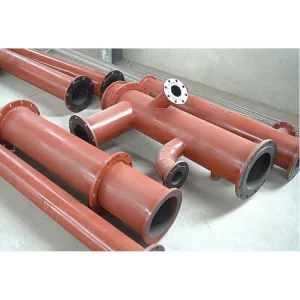
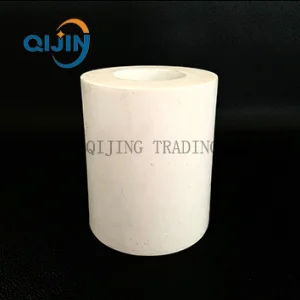
Partnering with Zibo Xingli Industrial Ceramics Co., Ltd., we bolster our raw material and core component manufacturing. Zibo Xingli is an enterprise specializing in the production of industrial alumina ceramics, zirconia ceramics, and carbon-silicon products, focusing on providing wear-resistant ceramic ball grinding media, alumina lining, ceramic liner, ceramic pipes, and inert alumina balls for catalyst support.
Our collaborative innovation has generated multiple product patents, ensuring unique mechanical advantages. Our key patents include: "A kind of elbow of pump pipe discharge anti-clogging pipe", "A lining board installation structure", "A lining board processing console", and "A conveying device for ceramic-lined pipes". These patents represent our ability to engineer custom geometry, prevent pipe blockage, and simplify on-site installation processes.
A Complete Service Lifecycle from Drawing Board to Gulf of Guinea Ports
We believe that high-quality materials represent only half of a successful wear solution. Precision design and application matching are equally critical. Our professional service model supports customers in São Tomé and Príncipe across all phases:
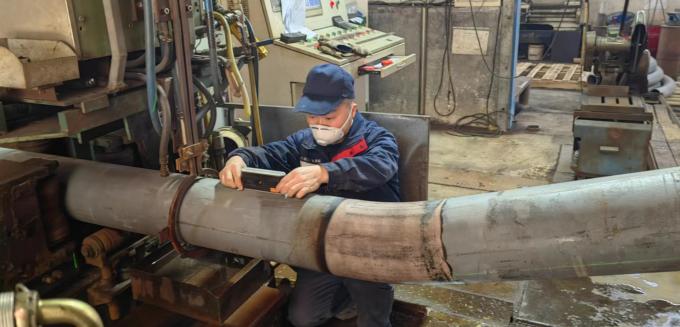
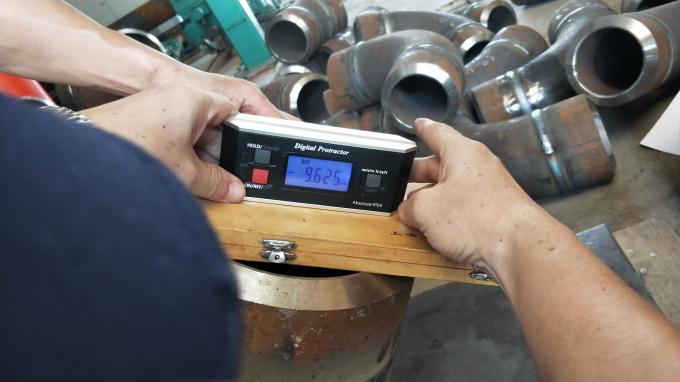
Our commitment to excellence is reflected in our certifications. Our products have passed the ISO9001 quality system certification and ISO14001 environmental management system certification. From design and chemical formulation to kiln firing and final steel shell welding, every processing step is tracked to secure 100% factory pass rates before sea transit to the Port of São Tomé.
Select from our diverse catalog of wear-resistant ceramic components, lining plates, and composite pipe fittings.
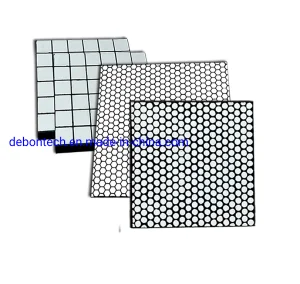
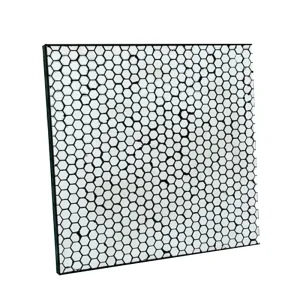
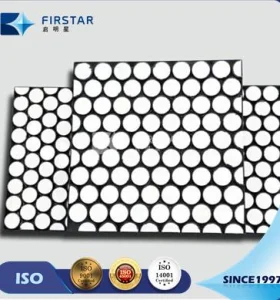
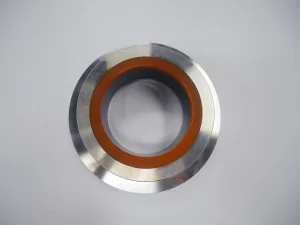
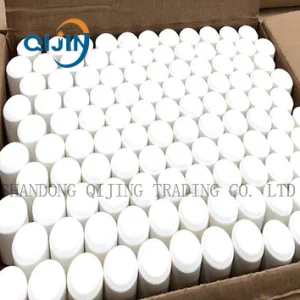
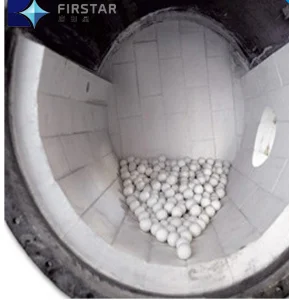
Transparent insight into our manufacturing processes, testing facilities, and packing operations.
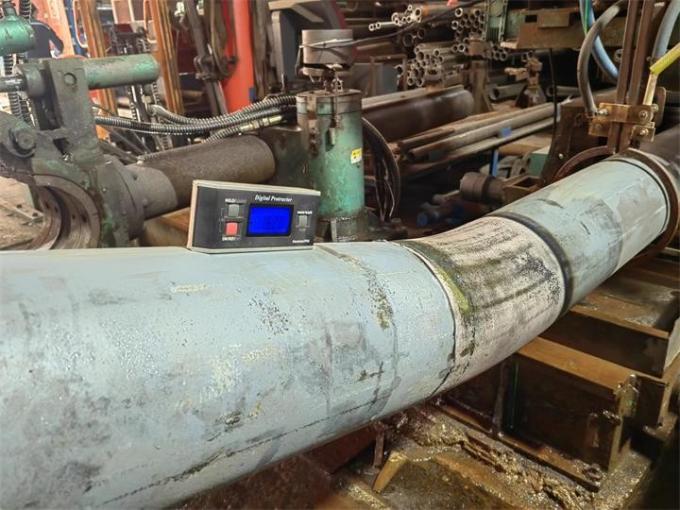
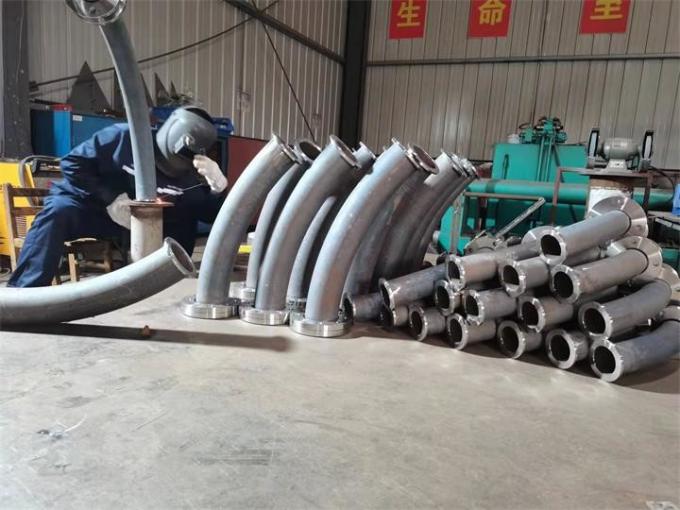
Expert technical insights regarding Steel-Ceramic Composite Wear Sleeves in industrial operations.
Hardfacing alloys rely on carbon-chrome structures that degrade in high-salinity air. The ceramic liner in our composite sleeves is chemically inert. This prevents galvanic corrosion and ensures the wear surface remains smooth, reducing pipeline friction and energy costs.
Depending on the bonding agent (organic epoxy, silicone, or inorganic cement), our ceramic-lined pipes and sleeves can operate continuously at temperatures up to 250°C for rubber-ceramic systems, and over 800°C for direct mechanical or metallurgically-bonded ceramic composites.
Our engineers use 3D CAD modeling to design liners based on your equipment dimensions. Once the drawings are verified, we manufacture the steel sleeve and line it with matching custom-shaped ceramic tiles. This ensures a drop-in replacement fit for your machinery.
We offer durable, seaworthy packaging in wooden crates or steel frames to prevent shock damage. We ship through major maritime cargo routes, coordinating directly with local custom agents and freight forwarders to ensure safe port delivery.
We recommend checking for sudden changes in flow pressure, localized outer shell temperature changes, or external paint peeling on the steel shell, which can indicate internal lining wear. We also offer liners with integrated wear indicators for automated wear monitoring.
 Xingli Industrial Ceramics