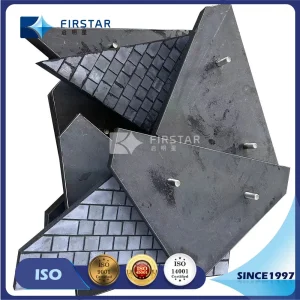
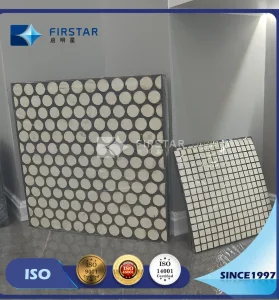
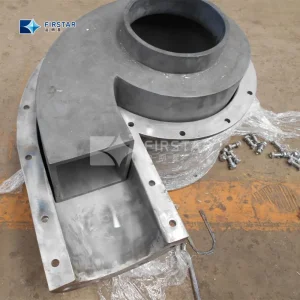
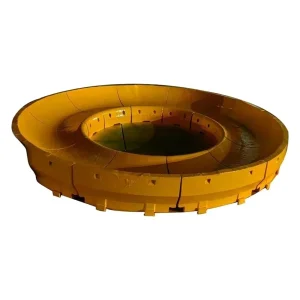
Direct factory supply featuring elite structural ceramic configurations, customized liners, and composite structures.
Overcoming physical wear limits through state-of-the-art Steel-Ceramic metallurgical and chemical bonding technologies.
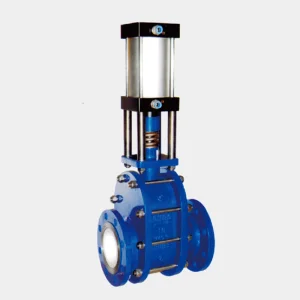
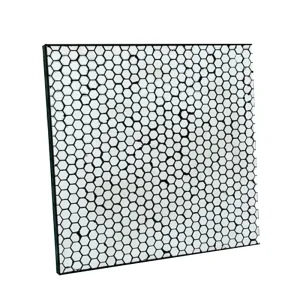
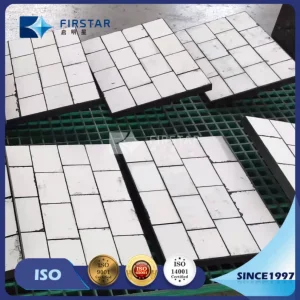
In global extraction processes, heavy slurries, abrasive sands, and mechanical impacts easily degrade conventional metal pipeworks. By implementing reaction-bonded silicon carbide (RBSiC) and high-density alumina liners backed by high-tensile steel castings, systems achieve up to 10x lifecycle extensions compared to standard manganese steel.
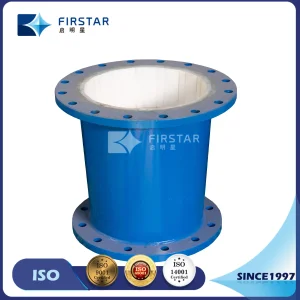
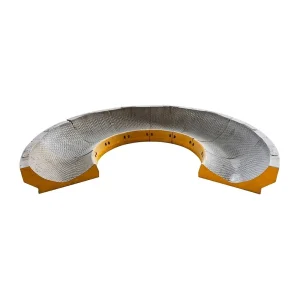
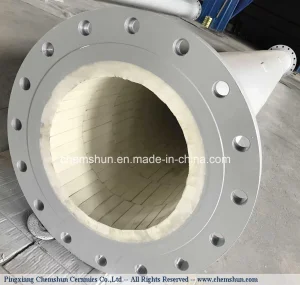
Pulverized coal injection and high-velocity ash pneumatic conveying systems demand absolute erosion protection. Our customized ceramic-lined elbows and multi-segment pipe structures dissipate localized kinetic energy, maintaining flow efficiency while preventing catastrophic blowouts.
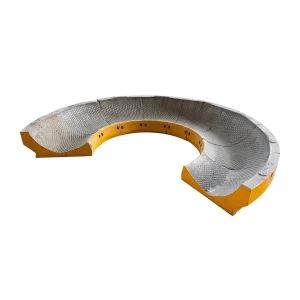
Vertical roller mills and grinding tables operate under tremendous compressive stress and abrasive powder dynamics. Combining Zirconia-toughened materials with structural steel backings provides a tough damping matrix that halts crack propagation under high impact velocities.
How Chinese raw material abundance and technical expertise combine to lead international wear-protection demands.
The global wear protection market is rapidly transitioning from standard alloy welding to advanced ceramics and metallurgical composites. The reliance on purely metallic structural fasteners has hit a physical limit in highly acidic, thermal, and abrasive situations. To meet this paradigm shift, China’s industrial ceramic sector has invested heavily in pressureless sintering and hot isostatic pressing (HIP) technologies, positioning Chinese exporters at the forefront of this industrial upgrade.
Representing this manufacturing excellence are two industry leaders: Zibo Xingli Industrial Ceramics Co., Ltd and Hunan Yibeino New Materials Co., Ltd. These companies have established globally integrated pipelines that cover every vertical phase of wear technology—from direct raw chemical synthesis of alpha-alumina and reaction-sintered silicon carbide, to CNC finish-grinding and structural steel vulcanization.
It is an enterprise specializing in the production of industrial alumina ceramic, zirconia ceramic, and carbon-silicon products, focusing on providing wear-resistant ceramic ball grinding media, alumina lining, ceramic liner, ceramic pipe, inert alumina ball for catalyst support.
Based in the major chemical and ceramic hub of Zibo, Shandong province, Zibo Xingli leverages specialized micro-crystalline structural formulas to engineer high-grade wear-resistant ball grinding media and pipeline linings that withstand high load friction without cracking.
Hunan Yibeino New Materials Co., Ltd. has passed the ISO9001:2015 quality system certification. The company has a strict quality control system. Product design, manufacturing, and installation services are fully integrated into the ISO quality management system. From raw material purchase and ingredients, All aspects from production process management to factory inspection and control ensure stable product performance and excellent quality.
Exporting to major global heavy markets like the United States, Germany, Sweden, India, Turkey, the Netherlands, Italy, Spain, Japan, South Korea, Russia, and Vietnam, Yibeino serves as a trusted global engineering vendor.
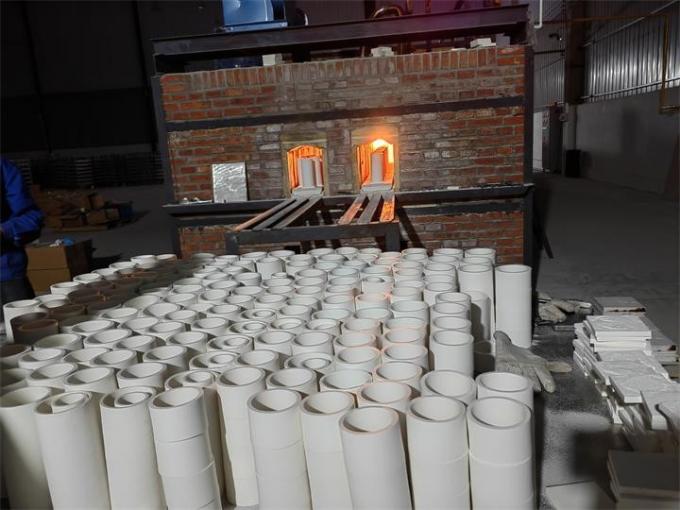
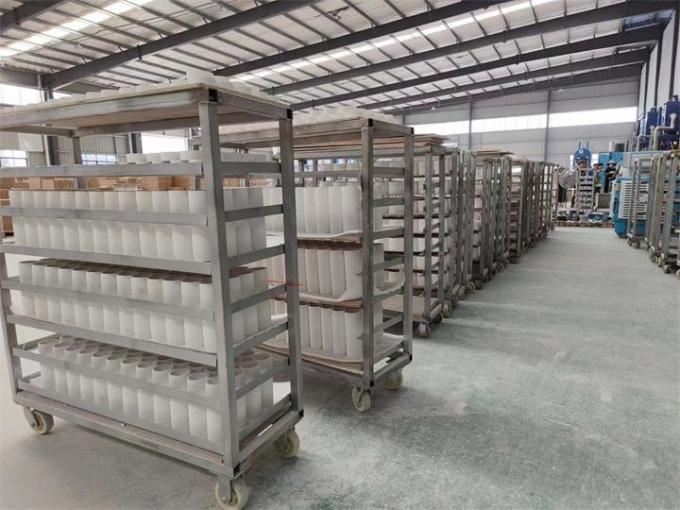
Unlocking optimized wear strategies, proprietary engineering patents, and professional multi-phase support structures.
The company is a manufacturing enterprise, we have many years of on-site industry experience and can provide customers with the best equipment anti-wear design, product samples, quality service, and competitive prices.
Our commitment to continuous innovation is shown by our expanding list of proprietary utility and design patents:
Our products are exported all over the world. Our company has always insisted on the business principle of "quality, innovation, and customers first". We maintain active partnerships with EPC integrators in North America, Western Europe, and Southeast Asia.
The business manager goes to the customer site or communicates by phone in the early stage, provides a reasonable anti-wear solution according to the operating conditions of the equipment, and then makes a project budget quotation.
After fully understanding the operating status of the customer's equipment, design drawings for customized products for the customer, and submit them to the customer for confirmation.
Arrive at the customer site (China) within 48 hours to solve the problem. For international buyers, we provide remote design troubleshooting and regional engineering partner dispatch.
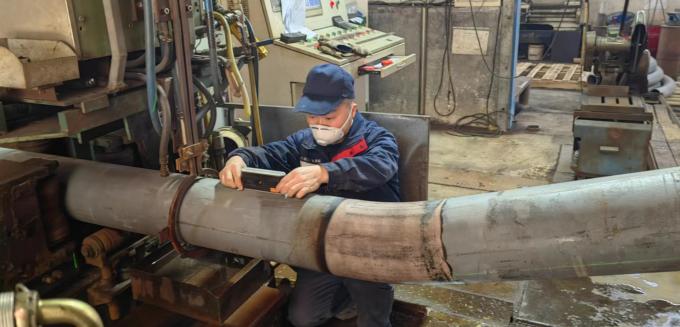
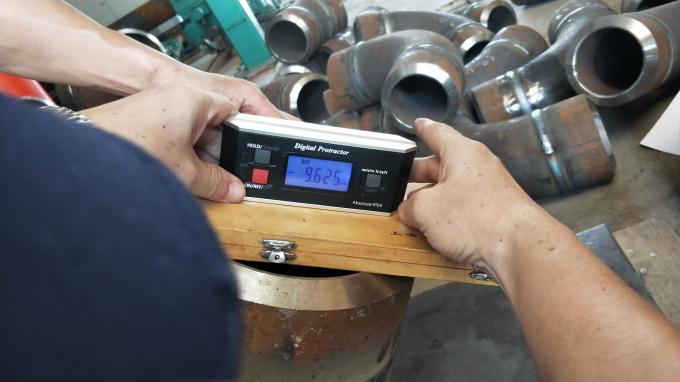
The products have passed the ISO90001 quality system certification and ISO14000 environmental management system certification, and the products are included in the ISO quality management system from research and development, design, production, and installation. Strict quality inspection is carried out before the product leaves the factory to ensure that the quality of the product is 100%.
Discover how we are pushing boundaries to meet the challenges of 2025 and beyond.
By integrating carbon nanotubes and yttria-stabilized tetragonal zirconia particles (Y-TZP) into the alumina matrix, we are manufacturing a composite fastener system capable of halting micro-cracking at its early stage, preventing stress failures under deep-sea or high-vibration conditions.
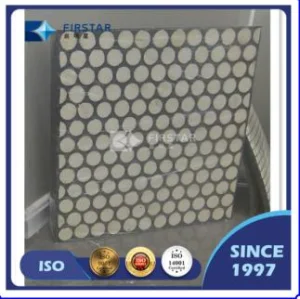
Embedded electronic sensors inside the base steel structure can monitor live wear thickness in ceramic lining plates. These sensor arrays alert maintenance teams when the ceramic layers approach critical wear depth, preventing casing damage and reducing downtime.
By applying laser cladding technology directly to custom steel fasteners, we bond specialized ceramic matrices to metal surfaces. This creates custom structural items that possess both the ductility of steel and the wear resistance of ceramics.
Get answers to the most common engineering and procurement questions regarding steel-ceramic composites.
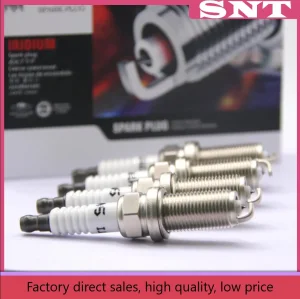
Explore our custom castings, engine components, and heavy-duty steel-ceramic composite lines.
 Xingli Industrial Ceramics