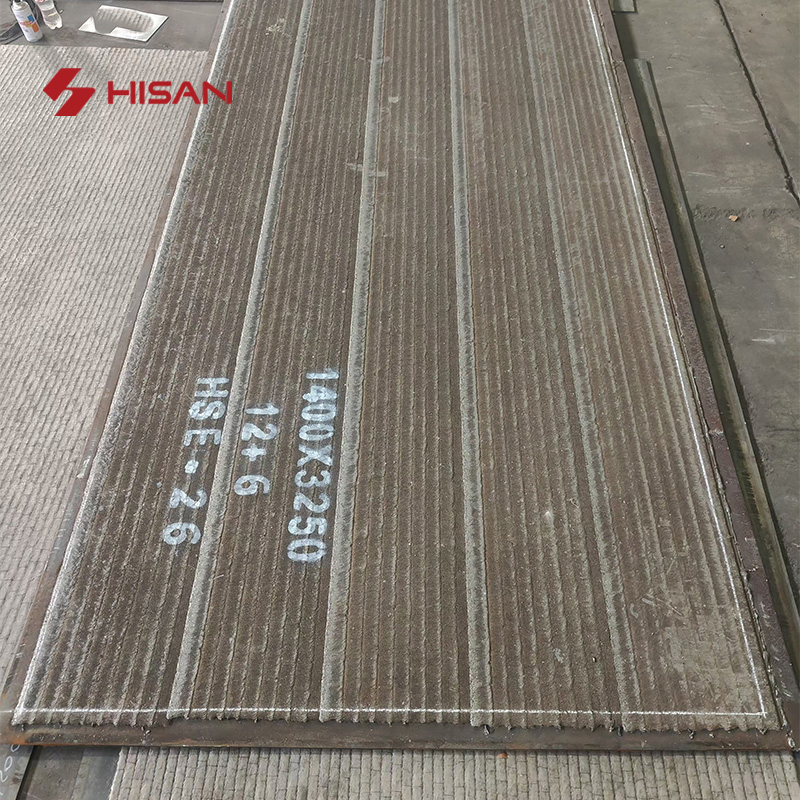
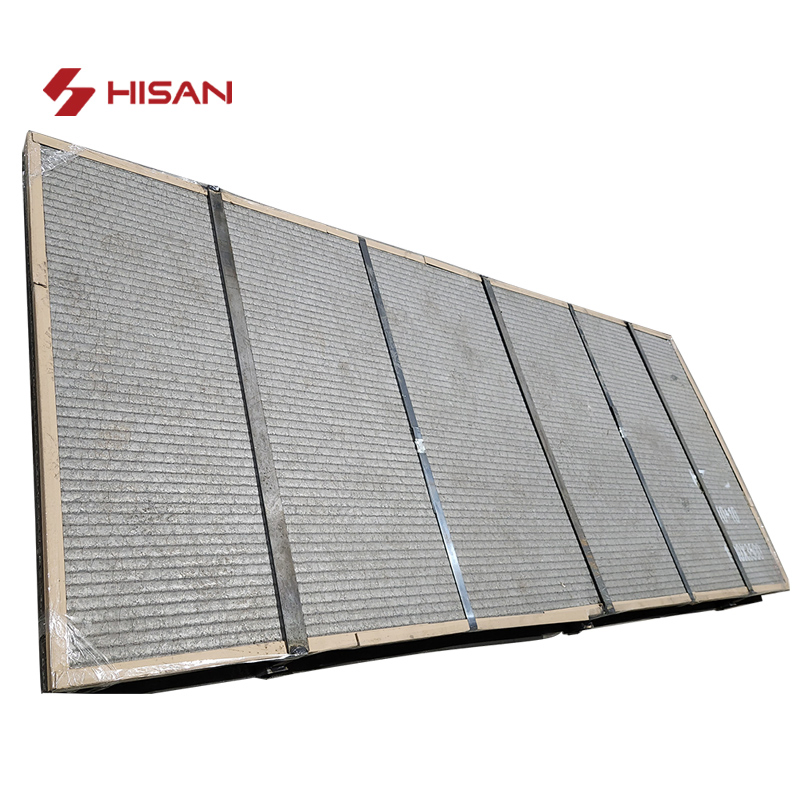
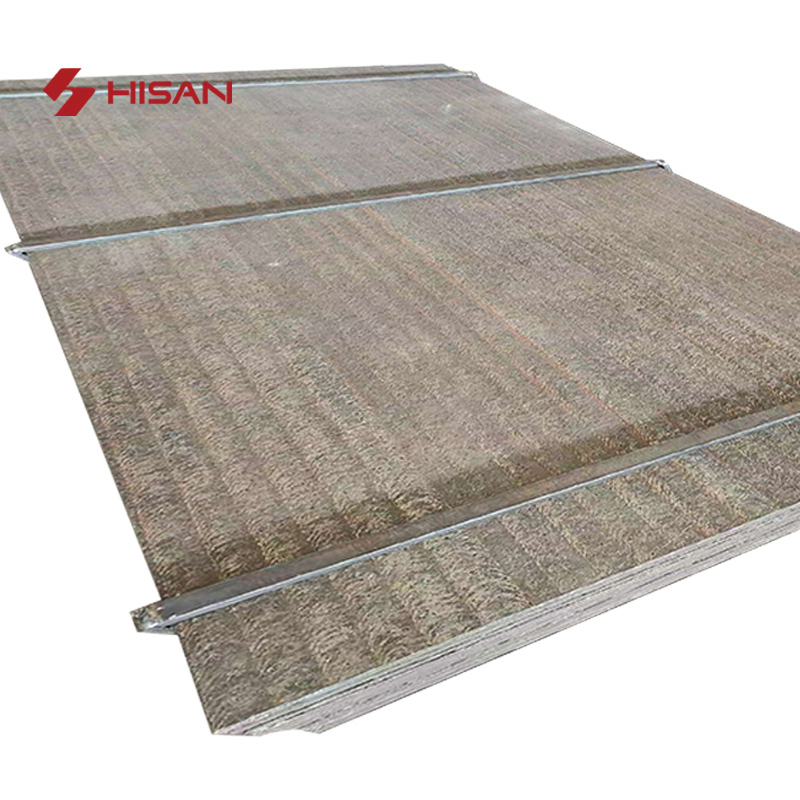
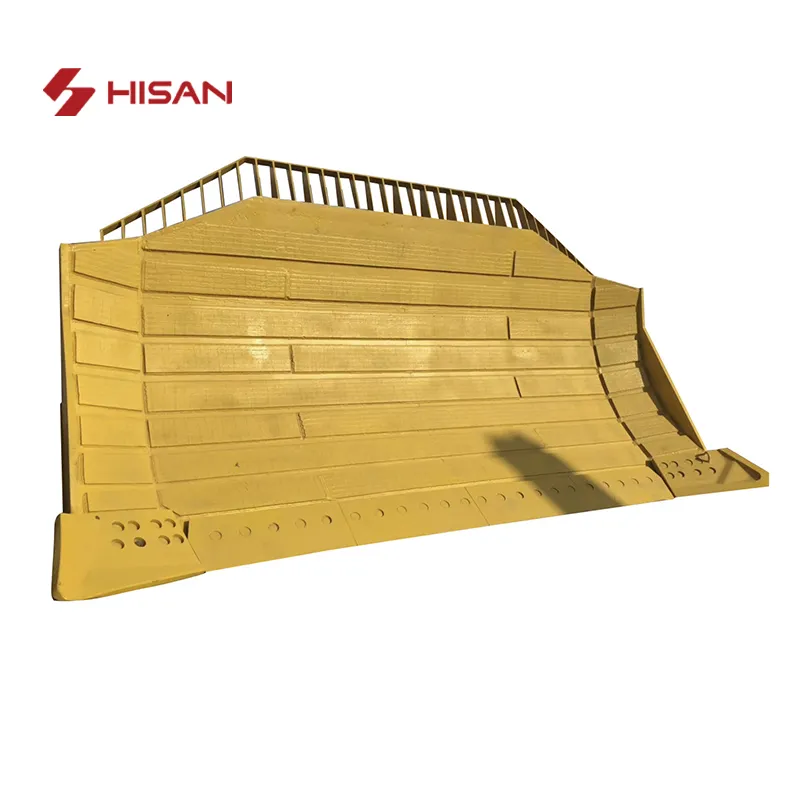
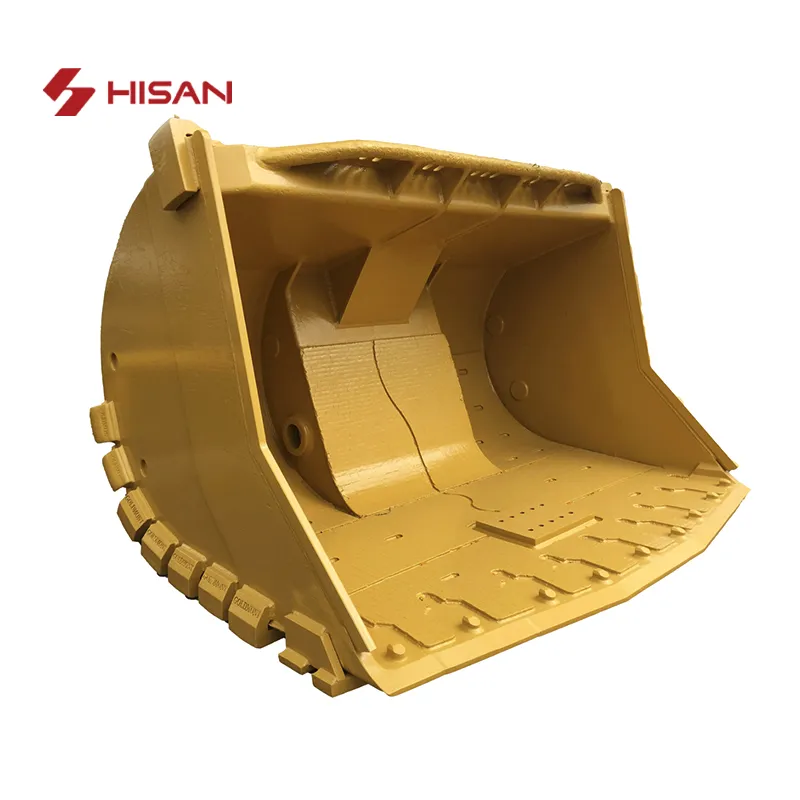
Wave 4624 Cco Clad Hardfacing Wear Resistant Steel Plate with High Hardness

Customization: Available
Standard: JIS, GB, DIN, BS, ASTM, AISI
Application: Loader, Construction Machinery, Metallurgical Machinery, Cement Plant, Mining Machine, Thermal Power Plant, Coal Yard, Steel Plant

Product Description

📊 Basic Information
Model NO.:HS-X
Material:Chromium Carbide Alloy
Hardness:58-63HRC
Thickness:3+3 to 12+12 range
Technique:Fcw, Saw
Fusion Line:Metallurgical Bonding
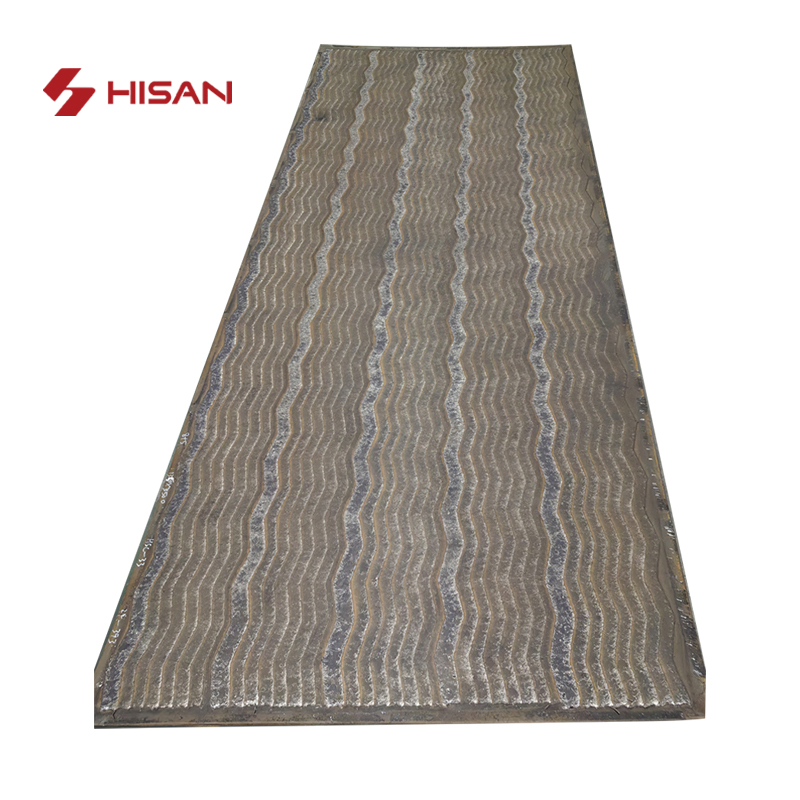
Weld Bead:Wave Bead / Oscillated
Capacity:100,000 Sqm
🏢 Company Profile

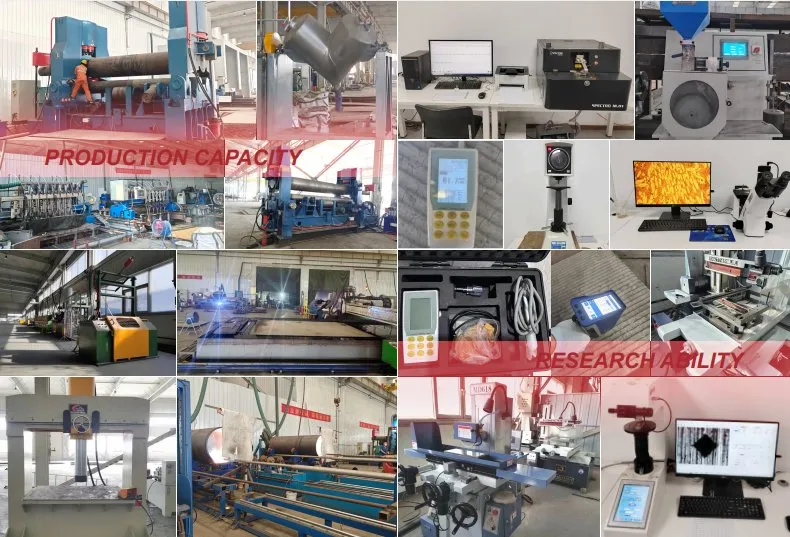
Specializing in the production of chromium carbide overlay (CCO) wear resistant plates, ceramics, castings, and pipes. Our solutions are engineered for environments facing extreme wear, erosion, and high temperatures. With a dedicated R&D team, we continuously improve wear-resistant technology to serve mining, cement, and power industries worldwide.
Production View 1 Production View 2 Production View 3
🛠️ Product Description
💡
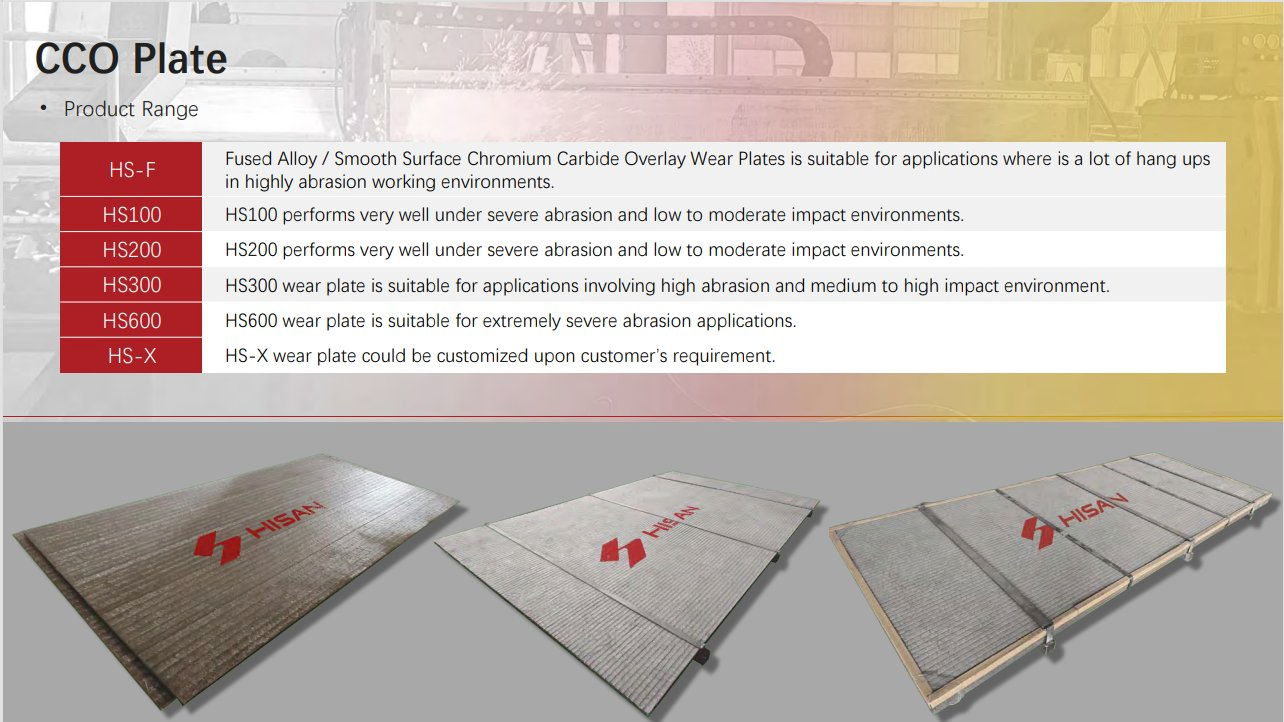
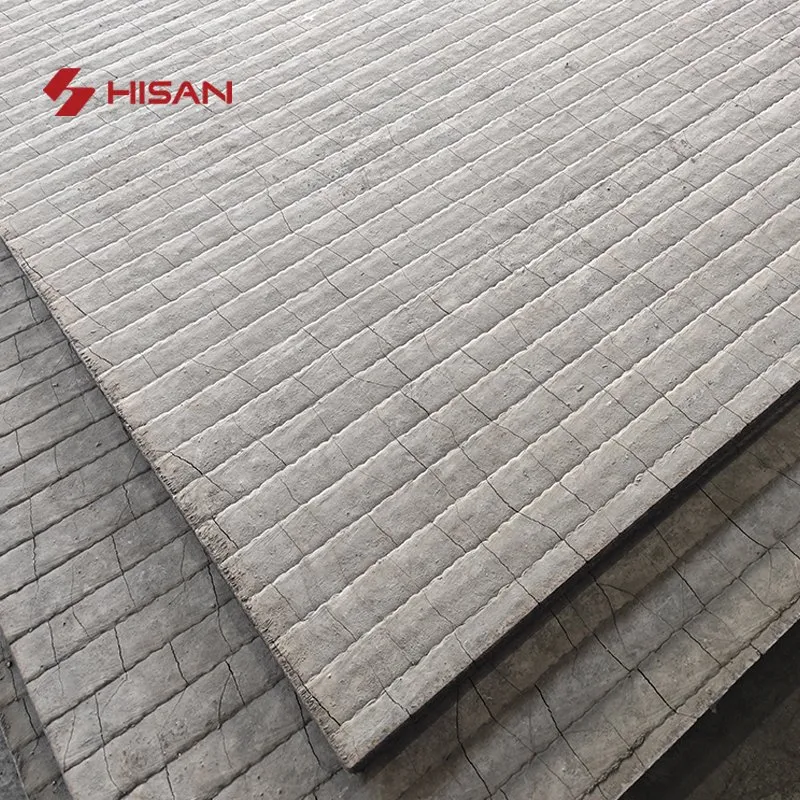
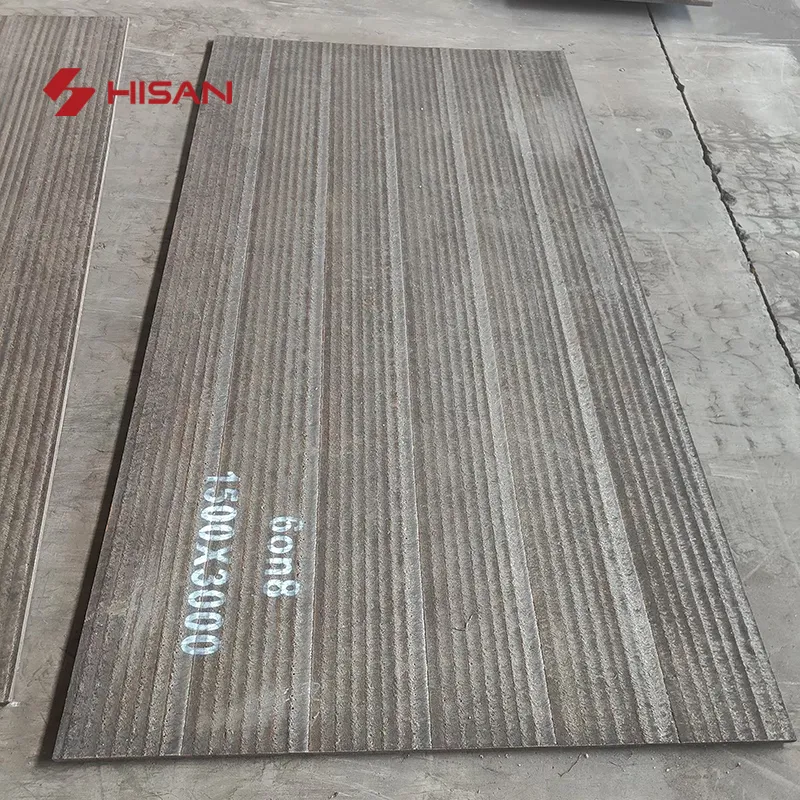
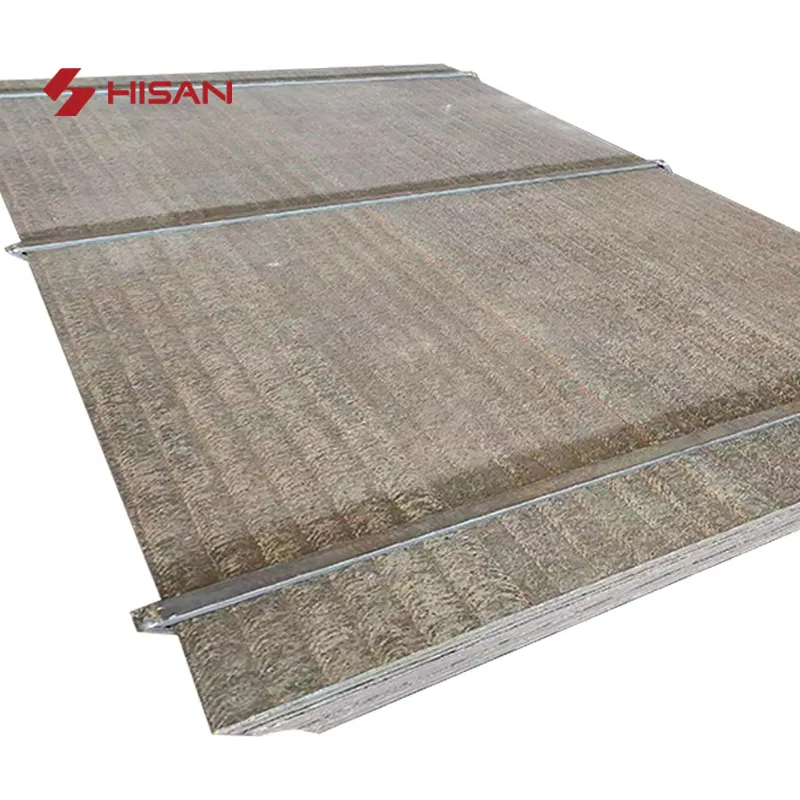
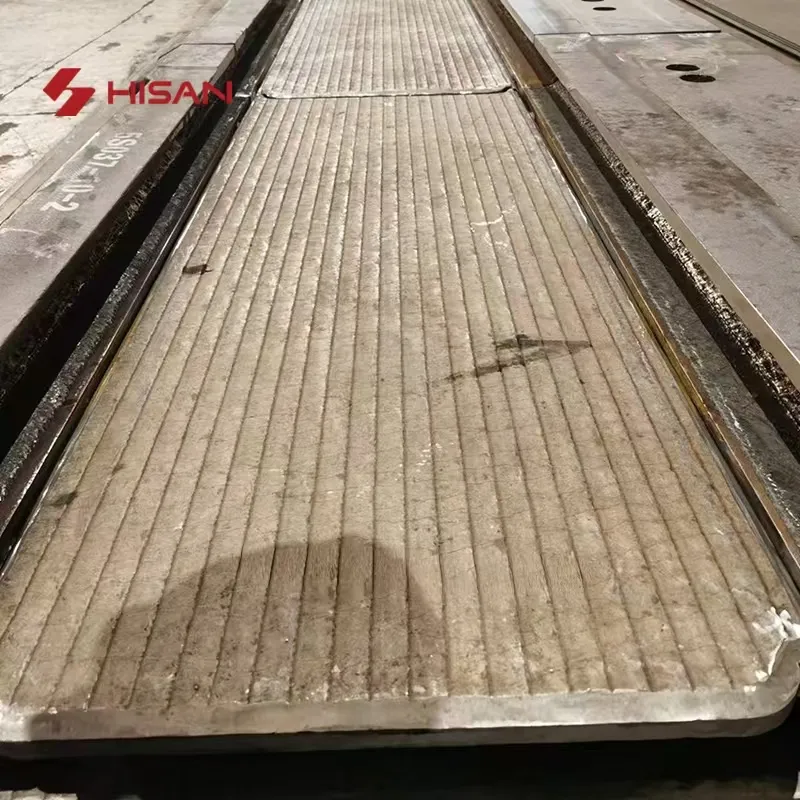
Wave Bead Wear Resistant Chrome Carbide Overlay Plate: The exclusive wave bead pattern drastically reduces wear rates in high-velocity erodent fluxes. It offers a perfect balance between cost and service life.
  • Chromium carbide composite cladding fusion bonded to mild steel.
  • Hardness ranges from HRC 58-65.
  • Maintains resistance in temperatures up to 600°C (1100°F).
  • Base materials: Q235, A36, NM400, Hardox450, etc.
  • Fine stress-relieving cracks are normal and indicate a high-quality hard matrix.
Thickness (Backing + Overlay) Standard Size (mm)
4+4, 5+51,400 x 3,000
6+6, 8+5, 8+81,400 x 3,500
10+10, 12+12, 20+301,400 x 3,500 / 2,100 x 3,500
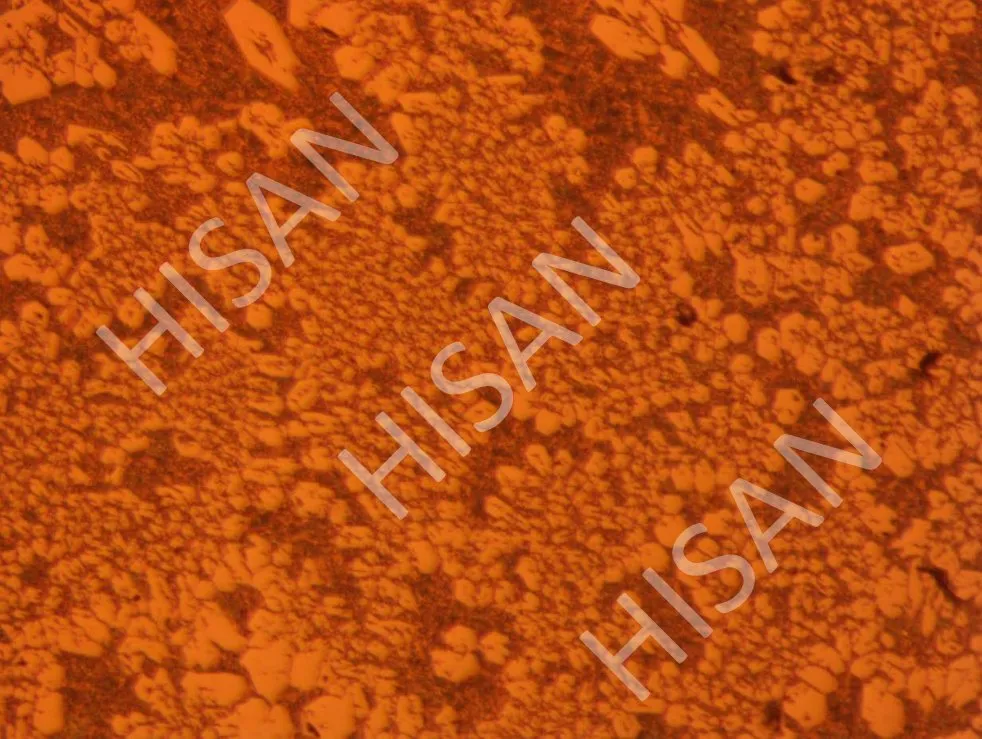
Microstructure Analysis
🚀 Applications
  • Bin and hopper liners
  • Slurry pipes and bends
  • Chute and feeder liners
  • Belt conveyors
  • Mining & Earth moving equipment
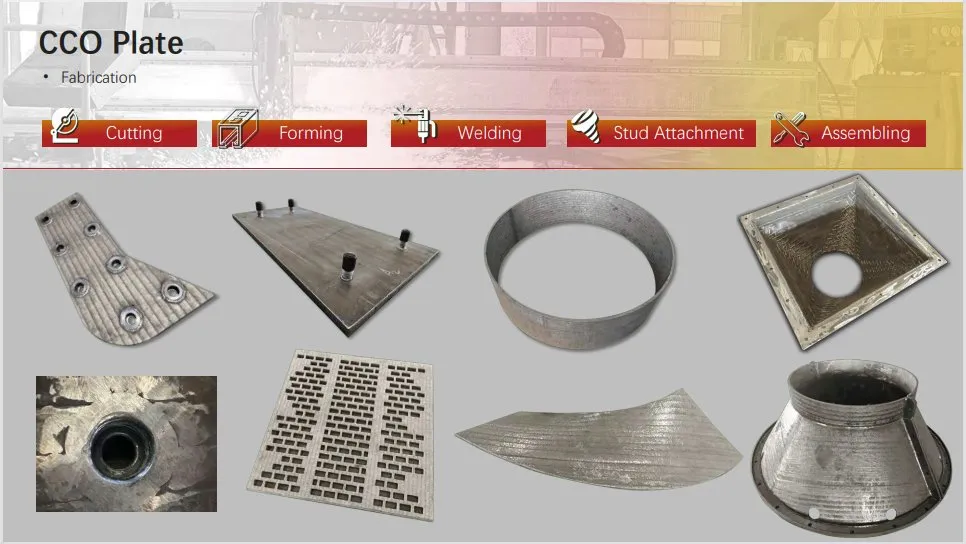
Joint Welding Application
📸 Detailed Photos
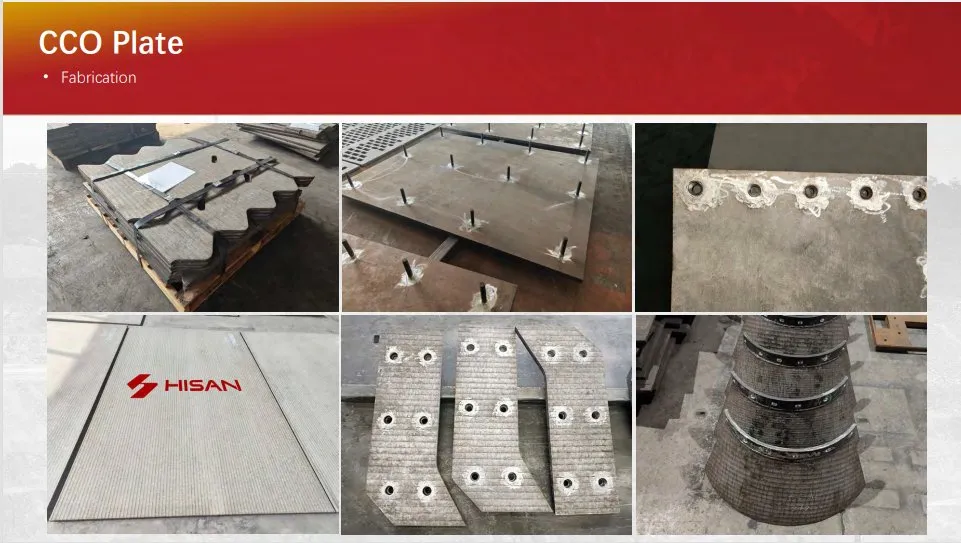
Detail 1 Detail 2 Detail 3 Detail 4 Detail 5 Detail 6
❓ Frequently Asked Questions
Q1: What is the typical hardness of the wear plate?
The plate hardness typically ranges from HRC 58 to 65, providing five times the hardness of standard mild steel.
Q2: Can these plates be formed or rolled?
Yes, they can be cold formed or rolled. The recommended radius should be greater than 20 times the total plate thickness.
Q3: Are the surface cracks a defect?
No, fine cracks perpendicular to the welding bead are normal results of natural stress relief in the hard carbide matrix.
Q4: How can the plates be cut?
Plasma cutting is the recommended method, though waterjet and laser cutting are also possible.
Q5: What is the maximum working temperature?
Complex carbide types can maintain full wear resistance in temperatures up to 600°C (1100°F).
Q6: Can I weld studs to the plates?
Yes, studs (M12 to M24) can be welded to the mild steel backing for easy installation.

Related Products