High-performance ceramic liners, custom composites, and sterile industrial fluid processing assemblies.
In heavy industrial environments, structural steel components suffer relentless deterioration due to impact, abrasion, thermal degradation, and corrosive attack. According to tribological research, material wear represents over 4% of global GDP in maintenance expenses and lost operational efficiency. Conventional steel alloys—even when hardened to high Rockwell parameters—fail rapidly under severe slurry flow, high-velocity pneumatic conveying, and extreme mechanical stress.
The introduction of custom steel-ceramic solutions has revolutionized material handling, mineral processing, cement manufacturing, and coal-fired generation. By combining the exceptional tensile strength and structural integrity of steel with the extreme hardness, chemical inertness, and wear resistance of engineered technical ceramics (Alumina, Zirconia, Silicon Carbide), operators can achieve up to a 10-to-30-fold increase in equipment service life. This synergetic alliance allows industrial plants to eliminate unscheduled outages, optimize flow rates, and guarantee consistent operational throughput.
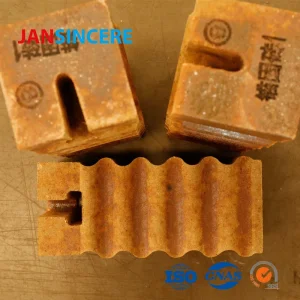
Modern process metallurgy relies on structural composites to withstand harsh micro-environments. A critical market driver is the transition towards lower-grade raw materials, which inherently contain higher quantities of abrasive silica and hard gangue. This shifts the focus from simple replacement maintenance to strategic wear-mitigation engineering. Furthermore, the global push for carbon reduction is driving plants to optimize thermodynamics. In blast furnaces and coal pulverizers, refractory materials like Jansincere Sillimanite Circle Bricks and composite silicon mullite bricks enable higher operating temperatures, directly leading to superior thermodynamic efficiency and reduced carbon emissions.
Chutes, cyclones, and pipelines processing high-solids mining slurries encounter severe abrasive friction. Vulcanized ceramic elastomer-backed steel plates offer targeted dampening and extreme friction resistance.
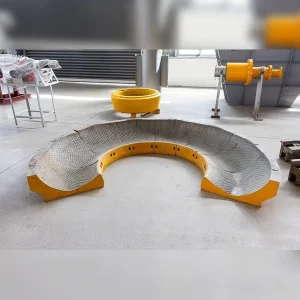
Pulverized fuel pipelines and mill grinding tables run under combined high thermal load and dry particle erosion, necessitating composite alumina lining systems and high-density grinding table liners.
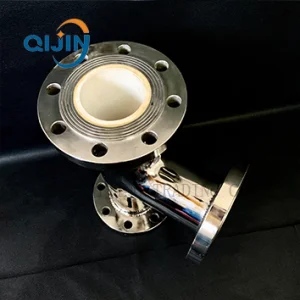
Corrosive chemical slurries require valves and pipelines lined with reaction-bonded silicon carbide (SiSiC) or sintered alumina to isolate the structural steel from direct chemical deterioration.
Combining the precision design of Zibo Xingli Industrial Ceramics with the ISO-certified excellence of Hunan Yibeino New Materials.
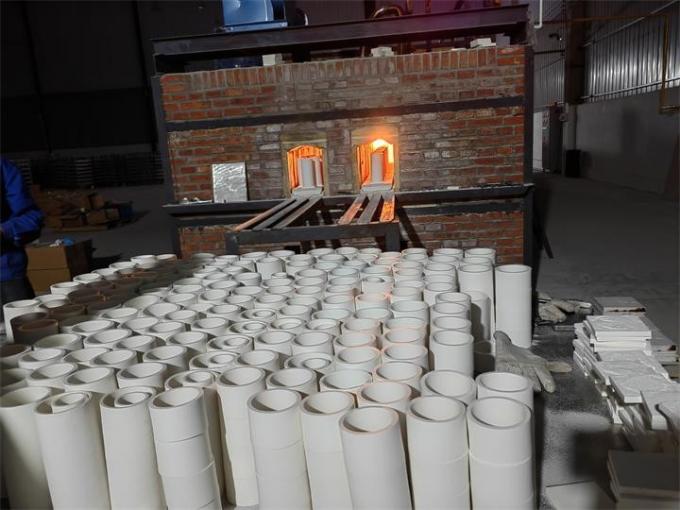
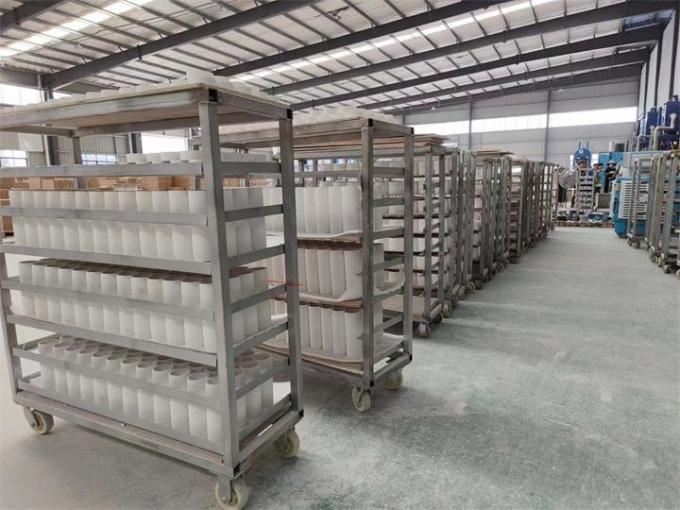
Zibo Xingli Industrial Ceramics Co., Ltd is a premier manufacturer specializing in the advanced formulation and production of industrial alumina ceramics, zirconia-toughened ceramics, and high-performance carbon-silicon composite materials. The enterprise focuses on delivering wear-resistant ceramic ball grinding media, premium alumina linings, segmented ceramic liner plates, wear-proof ceramic pipes, and inert alumina catalyst support balls. These precision components are engineered to protect crucial plant assets under volatile, high-friction configurations.
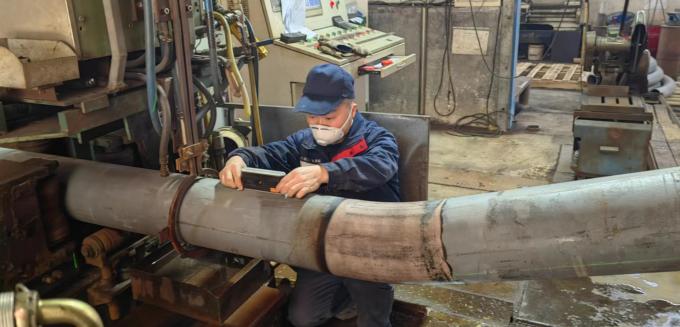
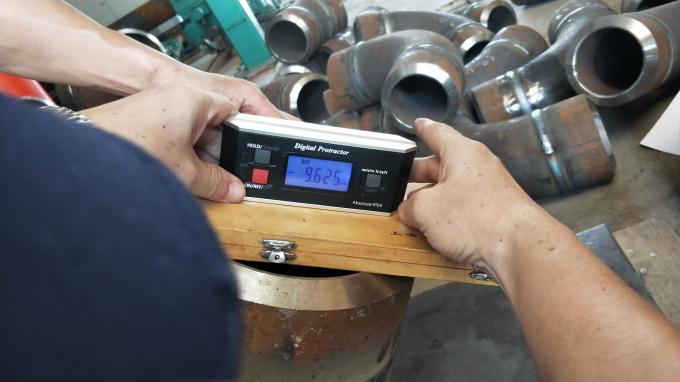
Operating in parallel, Hunan Yibeino New Materials Co., Ltd. is certified under the strict ISO9001:2015 quality management framework. Hunan Yibeino offers complete engineering integration, executing the design, manufacturing, and technical field installation of complex metal-ceramic components. From raw material extraction and control of granular distributions to computerized sintering curves and final ultrasonic quality inspections, the company ensures that every wear panel, bend, and valve satisfies the industry's highest parameters.
The group boasts a robust global distribution network, exporting to heavy industrial clusters in the United States, Germany, Sweden, India, Turkey, the Netherlands, Italy, Spain, Japan, South Korea, Russia, Vietnam, and beyond. Driven by a core philosophy of "integrity, hard work, innovation, and customer-first quality", the enterprise acts as an indispensable reliability partner to fortune-500 industrial entities.
To engineer an effective custom steel-ceramic solution, designers must evaluate the dominant wear mechanisms (abrasion, erosion, or impact) and the structural parameters. Selection of the optimum ceramic formula is critical:
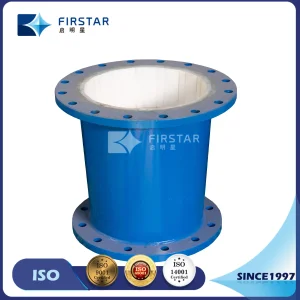
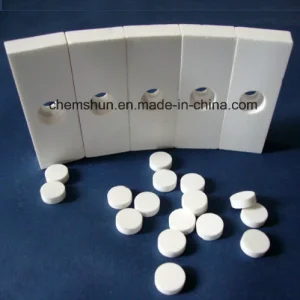
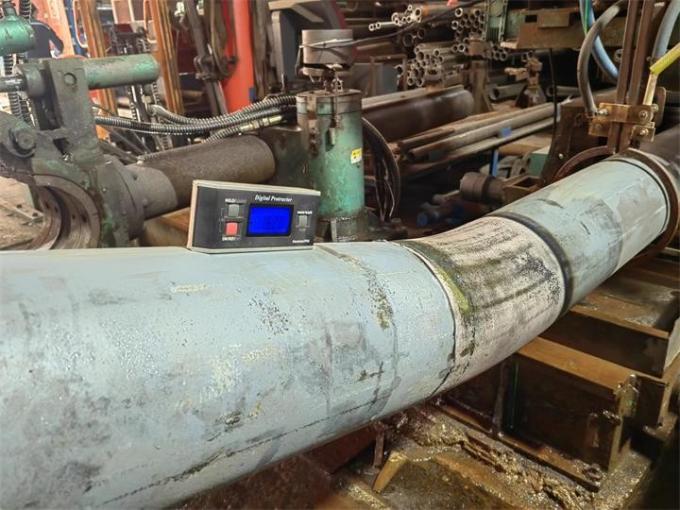
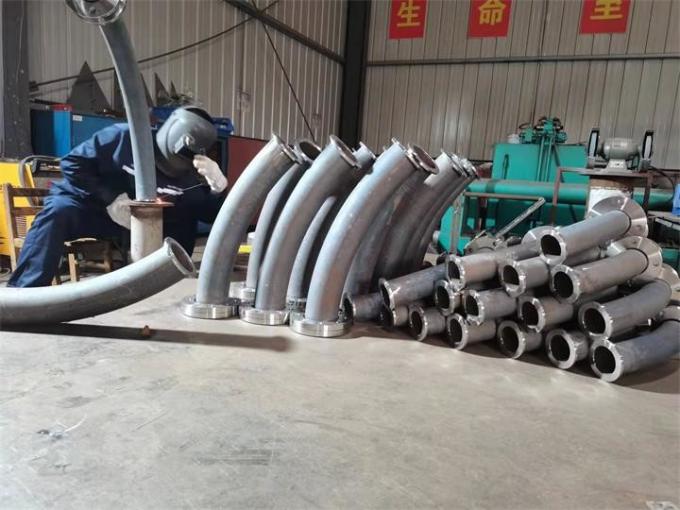
Sintered alpha-alumina is the workhorse of industrial wear protection. With a Mohs hardness of 9 (just below diamond), alumina offers exceptional resistance to sliding abrasion. It is highly cost-effective and chemically inert. In slurry pipelines, such as the Premium Abrasion Resistant 95% Alumina Ceramic Lined Pipe and Fittings, cylindrical or trapezoidal ceramic tiles are bonded inside the steel shell using epoxy resin or mechanical locking grooves, providing a seamless protective layer.
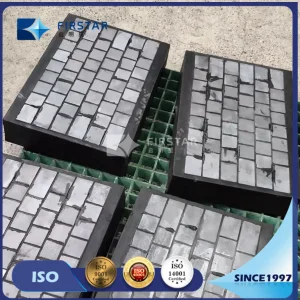
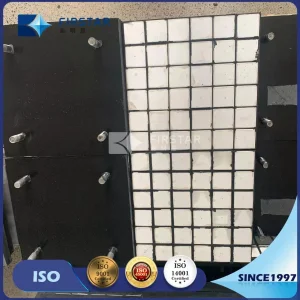
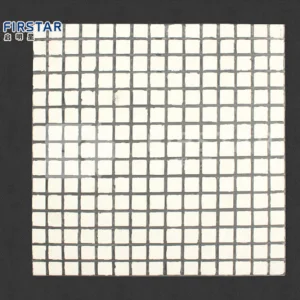
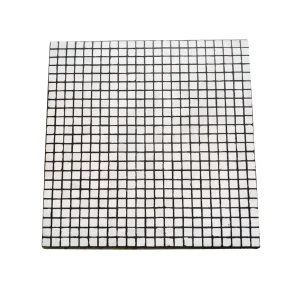
Silicon carbide excels in severe erosion environments and high-temperature conditions. It is characterized by outstanding thermal conductivity, low thermal expansion coefficient, and superior shock resistance. Products like the Silicon Carbide Liner Vulcanized in Rubber Backed with Steel Plate demonstrate the ideal structural design: SiC tiles provide extreme wear resistance, while a vulcanized rubber matrix absorbs the impact of large particles, and the steel plate backplate allows for easy mechanical bolting.
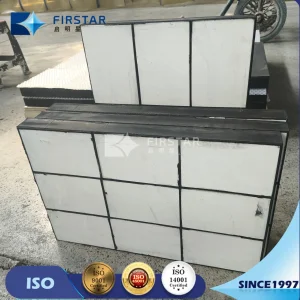
Pure alumina is brittle. By introducing zirconia particles into the alumina matrix, a microscopic toughening effect occurs. When a crack starts, the phase transformation of zirconia creates compressive stresses that stop the crack from spreading. This makes ZTA the first choice for high-impact applications, such as the High-Quality Ceramic Composite Impact Blocks.
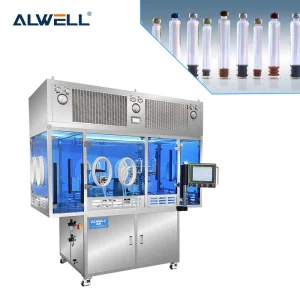
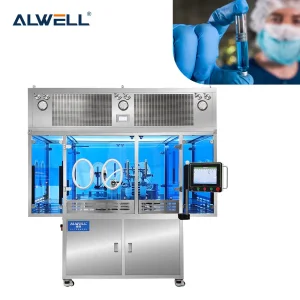
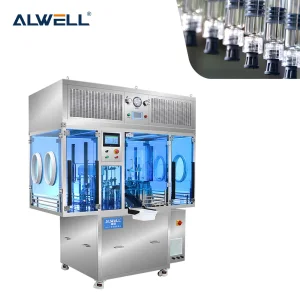
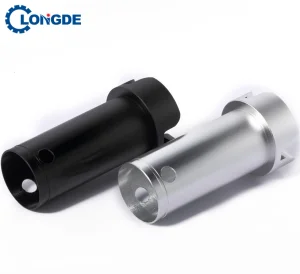
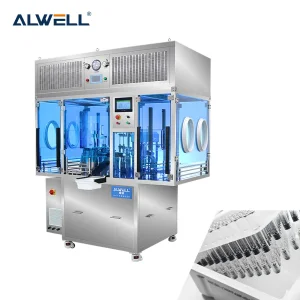
The application of advanced ceramics extends beyond mineral conveying into pharmaceutical and cosmetic dosing systems. Highly specialized sterile setups, such as the Alwell Injection Cartridge Filling Sealing Stoppering Machine, require dosing pumps made with extremely tight tolerances. This is achieved by matching ceramic pistons with ceramic cylinders. The extreme hardness and polish of zirconia and alumina prevent mechanical wear, eliminate product contamination, and withstand aggressive CIP (Clean-in-Place) chemical sterilization cycles. The integration of structural steel casing with precision ceramic internals is a classic example of our high-precision custom steel-ceramic expertise.
Our R&D achievements are backed by key patents: "A kind of elbow of pump pipe discharge anti-clogging pipe", "A lining board installation structure", "A lining board processing console", and "A conveying device for ceramic-lined pipes".
Our vulcanized composite panels utilize a proprietary CN bonding layer, achieving a chemical bond between the rubber substrate, ceramic tiles, and the steel backing plate that resists shear forces.
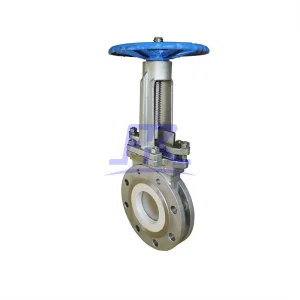
We manufacture custom ceramic valves, such as the Ceramic Lined Knife Gate Valve, holding tolerances down to ±0.01mm to ensure tight seals and bubble-tight shutoff in aggressive slurry systems.
From structural assessment to high-precision installation, we ensure your components meet exact specifications.
Our technical engineers conduct detailed phone consultations or on-site inspections. We analyze your operating parameters (impingement angles, pressure, particle sizes, temperature, chemical context) and propose custom, wear-resistant designs along with a detailed budget.
Upon analyzing the operating conditions, our design office generates technical drawings for the customized composite wear parts. These CAD designs are shared with your team to verify clearance dimensions, bolt patterns, and weld bevels prior to production.
Each batch undergoes quality verification before shipment. We provide installation guidance and support. If any operational issues arise, our service team arrives at the client's site (within China) within 48 hours to troubleshoot and resolve the issue.
Detailed technical answers to the most common questions regarding custom steel-ceramic material solutions.
Depending on operational temperatures, dynamic loads, and chemical exposure, we utilize three main bonding techniques: high-shear structural epoxy bonding (up to 150°C), inorganic chemical bonding (up to 350°C), and mechanical stud welding or interlocking keyways. For high-impact setups, we use a vulcanization process that fuses the ceramic tiles and steel plate within a rubber matrix.
The ceramic components themselves (such as Alumina, Silicon Carbide, and Sillimanite Refractories) can withstand temperatures well above 1000°C. The temperature limit of the composite is determined by the bonding media: standard epoxy resins are limited to 150°C, while silicon-based structural resins can reach up to 250°C. For temperatures exceeding 350°C, we design mechanical weld-on attachment systems or use high-temperature refractories, like Jansincere Sillimanite Circle Bricks, which operate reliably at temperatures up to 1450°C.
Yes. Silicon Carbide (SiC) and Zirconia Toughened Alumina (ZTA) ceramics have low thermal expansion coefficients and excellent thermal shock resistance. For operations with rapid temperature shifts, we design segmented liners with micro-expansion joints to prevent structural cracking.
Under severe sliding abrasion, 95% Alumina outlasts chromium carbide overlay plates by 3 to 5 times, and outlasts standard AR400/500 hardened steel plates by up to 10 times. The ceramic's high hardness (9 Mohs) prevents micro-cutting, while chromium carbide plates wear down relatively quickly under continuous abrasive flow.
While they serve different markets, both product lines are built on the same core engineering principles: high-precision metal-to-ceramic interfaces and extreme materials technology. In heavy industry, ceramics protect structural steel from severe abrasion. In cosmetic and medical filling systems (like our syringe filling systems), precision-ground ceramic pistons and valves operate inside stainless steel housings to prevent wear and ensure clean, high-accuracy dosing.
Premium wear plates, vulcanized panels, slurry control valves, and high-precision pharmaceutical filling systems.
 Xingli Industrial Ceramics