China Best Ceramic-Reinforced Steel Plates Factories & Supplier

High-Performance Wear Solutions Engineered with Advanced Alumina, Zirconia, and SiC Composite Structures

The Evolution of Ceramic-Reinforced Steel Plates in Modern Heavy Industries

Modern mineral processing, bulk material handling, steel smelting, and heavy manufacturing operate under aggressive environments. Traditional metallic alloy structures—even hardened carbon steels like Q345 or quench-and-tempered chromium wear plates—frequently suffer from rapid degradation. Wear mechanisms including high-stress abrasion, sliding erosion, and dynamic material impact drastically reduce component lifespan. To mitigate catastrophic process failure and minimize unscheduled downtime, material science has transitioned towards Ceramic-Reinforced Steel Plates.

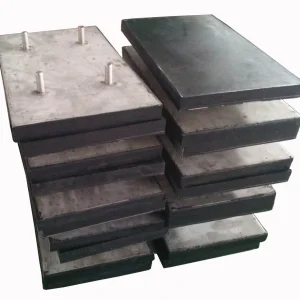
These engineered composite plates fuse the structural elasticity, high tensile strength, and impact resistance of steel with the extreme hardness, chemical inertness, and wear resistance of sintered technical ceramics (such as alpha-alumina, zirconia, or reaction-bonded silicon carbide). The resulting synergistic component yields a wear lifetime up to 10 to 15 times longer than typical manganese steels, dramatically transforming the operational efficiency of global heavy industries.

Information Gain Concept: Hardness vs. Fracture Toughness. While pure steel plates deform under wear stress, and pure ceramic tiles break under severe tensile shock, the hybrid integration of vulcanized rubber or high-tensile polyurethane acting as an energy-damping matrix between the ceramic components and the structural steel backing guarantees sustained performance in high-impact operations.

Key Materials Science and Bonding Methods

The manufacturing process of Ceramic-Reinforced Steel Plates requires precise control of metallurgical and chemical bonding parameters. Generally, three construction methodologies are utilized:

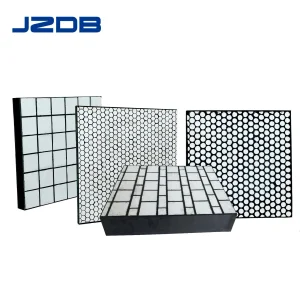
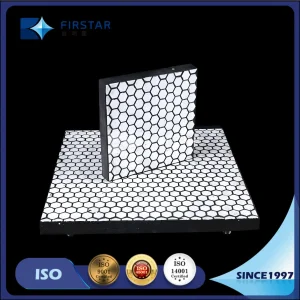
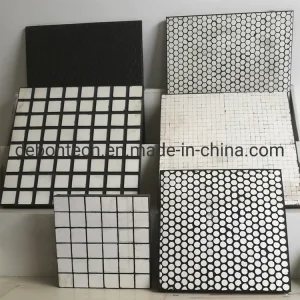
  • Ceramic-Rubber-Steel Three-in-One Liners: Sintered alumina ceramic blocks or cylinders are embedded within a shock-absorbing vulcanized rubber compound, which is subsequently bonded onto a steel backing plate. This design utilizes rubber's elasticity to absorb heavy shocks and cushion the ceramic under intense stone/ore impact.
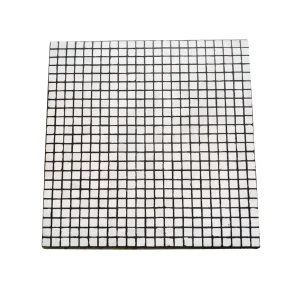
  • Direct Stud-Welded or Bolted Ceramic Panels: Ceramic tiles containing pre-molded counterbore holes are placed directly over steel frameworks, secured with threaded studs, and capped with matching ceramic caps to ensure no metal surface is exposed to aggressive fluid or particle streams.
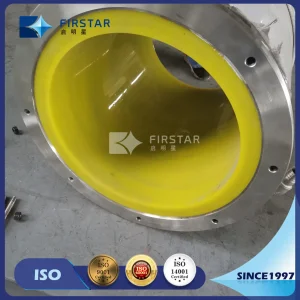
  • Polyurethane-Ceramic Matrices: High-molecular-weight polyurethane replaces vulcanized rubber, offering superior chemical stability in wet environments, grease resistance, and excellent adhesion to steel and alumina, preventing delamination.

Global Procurement Demands and Quality Standards

Industrial procurement departments globally require traceable performance criteria to select ceramic-reinforced steel panels. Below is the technical performance baseline of premium industrial-grade ceramics manufactured in China:

Performance Indicator 92% Alumina (Al₂O₃) 95% Alumina (Al₂O₃) Zirconia Toughened Alumina (ZTA) Reaction-Bonded SiC (SiSiC)
Bulk Density (g/cm³) ≥ 3.60 ≥ 3.65 ≥ 4.10 ≥ 3.02
Vickers Hardness (HV) ≥ 1,000 ≥ 1,150 ≥ 1,400 ≥ 2,200
Fracture Toughness (Mpa·m1/2) 3.8 4.2 5.5 - 7.0 4.5
Max Operating Temp (°C) ≤ 350 (with rubber) ≤ 350 (with rubber) ≤ 400 (with rubber) ≤ 1,350 (direct metal-bond)
Primary Application Chutes, Conveyor Hoppers High-velocity Slurry Pipes Heavy-impact Quarry Liners Cyclone Classifiers & Burners

Leading Manufacturing Capabilities & Expertise

A synergy of structural engineering and advanced chemical engineering from China's premier industrial ceramic production clusters.

Zibo Xingli Industrial Ceramics Co., Ltd

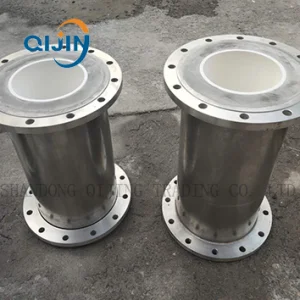
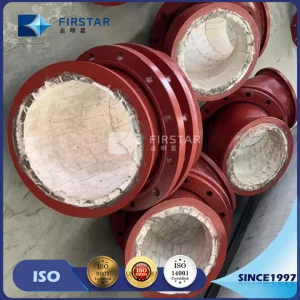
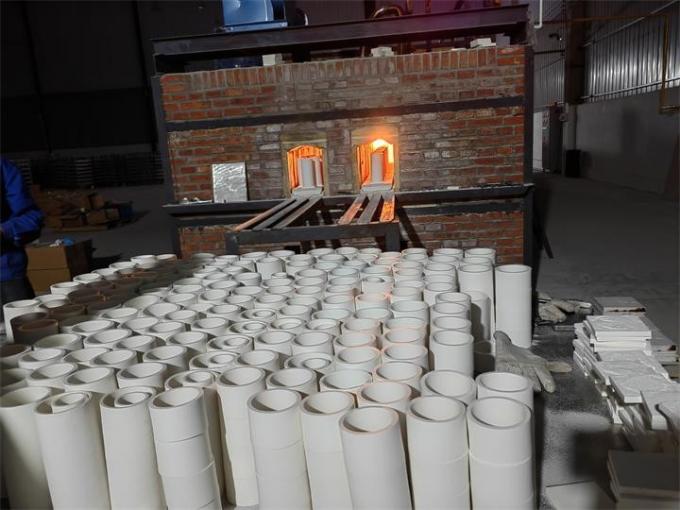
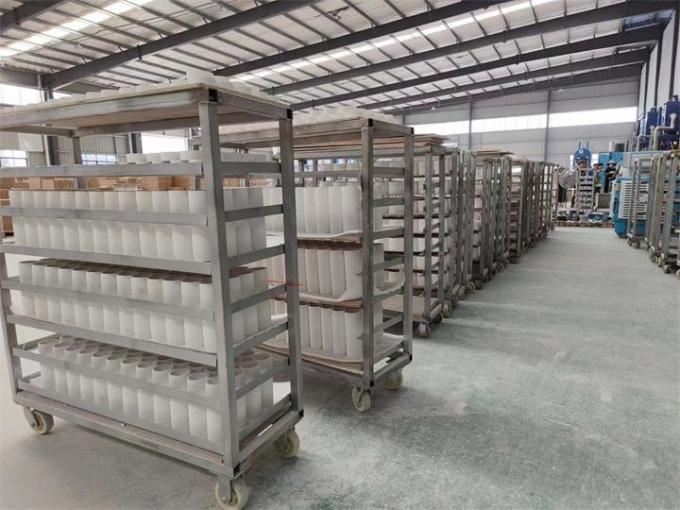
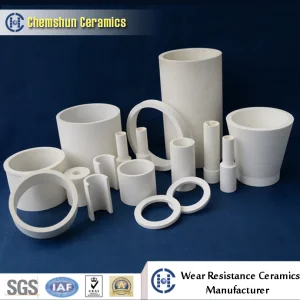
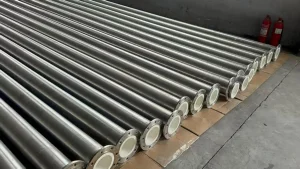
It is an enterprise specializing in the production of industrial alumina ceramic, zirconia ceramic, and carbon-silicon products, focusing on providing wear-resistant ceramic ball grinding media, alumina lining, ceramic liner, ceramic pipe, inert alumina ball for catalyst support.

By focusing on custom microcrystalline wear solutions, the company ensures that key grinding and transport equipment remains protected against severe abrasion. Their specialized carbon-silicon composite materials serve ultra-high-temperature environments, catering directly to cement processing and raw material preparation lines.

Hunan Yibeino New Materials Co., Ltd.

Hunan Yibeino New Materials Co., Ltd. has passed the ISO9001:2015 quality system certification. The company has a strict quality control system. Product design, manufacturing, and installation services are fully integrated into the ISO quality management system. From raw material purchase and ingredients, All aspects from production process management to factory inspection and control ensure stable product performance and excellent quality.

The company has users all over the world, mainly exporting to the United States, Germany, Sweden, India, Turkey, the Netherlands, Italy, Spain, Japan, South Korea, Russia, Vietnam and other countries. The company adheres to the business philosophy of "integrity, hard work, innovation" and adheres to the "customer first, quality first" principle to provide high-quality services to our global clients.

ISO 9001
Certified Quality System
25+
Global Export Countries
10x+
Wear Lifetime vs Carbon Steel
48 Hr
On-site Support Response

Engineered Services & Customized Solutions

We manage your project lifecycle from on-site technical inspection to customized engineering drawings and comprehensive quality assurance.

Pre-sales Consulting

The business manager goes to the customer site or communicates by phone in the early stage, provides a reasonable anti-wear solution according to the operating conditions of the equipment, and then makes a project budget quotation.

On-sale Engineering

After fully understanding the operating status of the customer's equipment, design drawings for customized products for the customer, and submit them to the customer for confirmation.

After-sales Integration

Arrive at the customer site (China) within 48 hours to solve the problem. Product design, manufacturing, and installation services are fully integrated into the ISO quality management system.

R&D Patents & Proven Equipment Longevity

Our commitment to continuous innovation is backed by active research and multiple patents. Our patented technical portfolio includes:

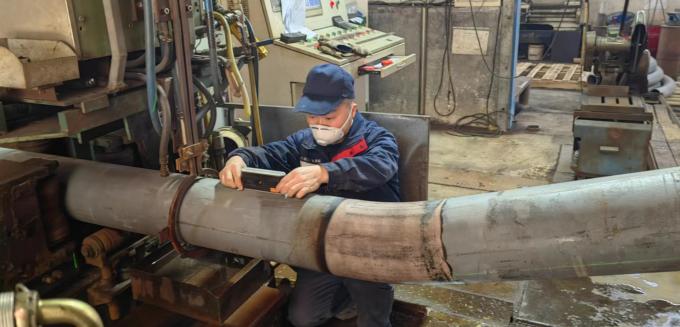
  • "A kind of elbow of pump pipe discharge anti-clogging pipe" - Optimized fluid dynamics that prevent material build-up in high-velocity bends.
  • "A lining board installation structure" - Quick-fit, high-security interlocking ceramic structure that reduces maintenance downtime.
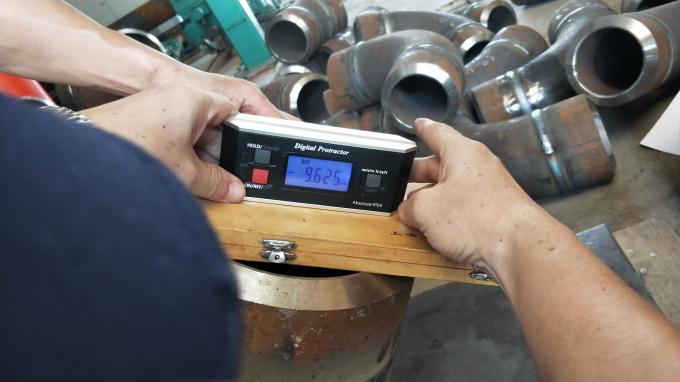
  • "A lining board processing console" - High-accuracy engineering table to calibrate tile clearance levels down to 0.5mm.
  • "A conveying device for ceramic-lined pipes" - Handling systems to install heavy pre-lined steel assemblies without risk of ceramic micro-cracking.

The products have passed the ISO90001 quality system certification and ISO14000 environmental management system certification, and the products are included in the ISO quality management system from research and development, design, production, and installation. Strict quality inspection is carried out before the product leaves the factory to ensure that the quality of the product is 100%.

Technical Roadmap & Future Outlook (2025-2030)

As industrial processing lines move toward automated operations and larger bulk scales, the requirements for wear linings are shifting. The next generation of Ceramic-Reinforced Steel Plates is evolving across three primary domains:

1. Advanced Zirconia-Toughened Alumina (ZTA) & Silicon Carbide Matrix

Traditional 92% Alumina tiles are being replaced by ZTA (Zirconia Toughened Alumina) in zones subjected to severe shock. Zirconia particles undergo stress-induced phase transformation, absorbing crack energy and stopping micro-fissure propagation. In areas with corrosive sliding friction at high temperatures, reaction-bonded or sintered silicon carbide (SiSiC/SSiC) composites are establishing new benchmarks for conveyor systems handling corrosive ores.

2. Smart Liners with Real-time Thickness Telemetry

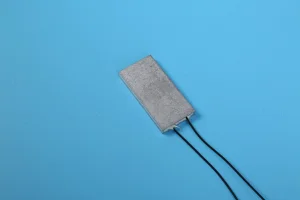
Preventative maintenance schedules are migrating to IoT-enabled infrastructure. The incorporation of conductive wire grids or embedded sensor chips within the ceramic matrix allows operators to monitor wear thickness digitally. When the ceramic lining wears past a predefined safety threshold, an alert is transmitted to the control room, allowing scheduled replacement before the steel backing plate is damaged.

3. Eco-Friendly Elastomers for Global Environmental Compliance

Stricter global environmental mandates require low-emission, non-toxic manufacturing processes. We are developing solvent-free vulcanization methodologies and biodegradable polyurethane matrix binders that eliminate volatile organic compounds (VOCs) during fabrication. These composites conform directly to REACH and RoHS regulations for mineral, chemical, and feed industries in North America and Western Europe.

Technical FAQ - Ceramic-Reinforced Steel Plates

Expert answers to critical engineering and procurement questions regarding application, installation, and materials specification.

How do you choose between 2-in-1 and 3-in-1 composite ceramic liners?
The decision is based on impact energy. A 2-in-1 liner consists of ceramic tiles vulcanized directly to steel, ideal for high-sliding abrasion with minimal impact. A 3-in-1 liner incorporates a thick rubber backing layer sandwiched between the ceramic and the steel plate. This rubber layer absorbs dynamic kinetic impact from heavy materials (like raw ore chunks above 100mm), preventing the ceramic tiles from fracturing.
What is the standard installation process for ceramic-reinforced steel plates on site?
The plates are installed using stud welding or structural bolts. The steel backing is pre-drilled or fitted with threaded studs. On site, the plate is bolted directly onto the hopper or chute substrate. Weld-on systems involve welding the steel backing to the structure, then covering the weld locations with matching ceramic inserts glued with epoxy resin to maintain a seamless, wear-resistant surface.
Why is alumina ceramic preferred over hardfaced steel plates for conveying abrasive slurries?
Hardfaced overlays (such as chromium carbide) have a high coefficient of friction, and their metallic microstructure contains micro-gaps between chromium crystals where fine particles can cause micro-ploughing. Sintered microcrystalline alumina ceramics feature a smooth surface, chemical resistance to acids/alkalis, and a Mohs hardness of 9, ensuring the plate resists wear from high-velocity particles and chemical erosion.
How does temperature affect the structural integrity of rubber-backed ceramic plates?
Standard rubber-vulcanized ceramic-steel liners perform reliably up to 100°C. For operations running between 100°C and 250°C, custom high-temperature rubber formulations are required. If temperatures exceed 250°C, rubber begins to depolymerize. In these cases, we advise direct inorganic bonding or mechanical fastening of the ceramics directly to the steel plates, without an elastomer interlayer.