🏭
The Global Landscape: Ceramic-Bonded Steel Cladding
In the contemporary industrial ecosystem, the shift from traditional manganese steel to ceramic-bonded steel cladding represents a paradigm shift in maintenance economics. As industries like thermal power, mining, and cement processing face rising downtime costs, the demand for high-performance wear-resistant materials has skyrocketed.
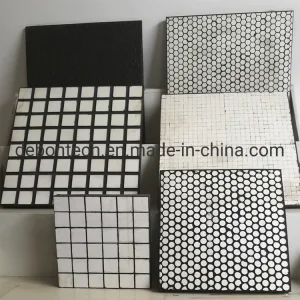
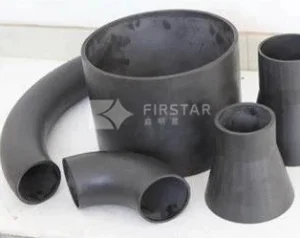
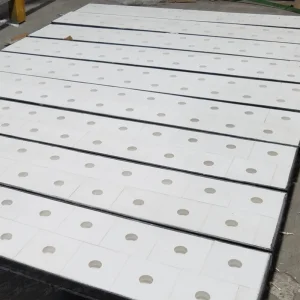
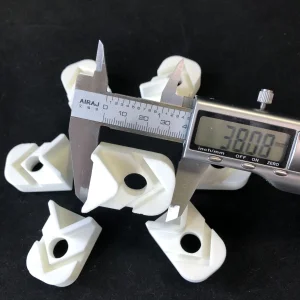
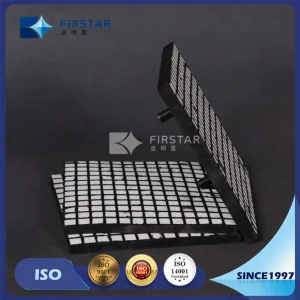
Ceramic-bonded steel acts as the primary barrier against abrasive forces. By fusing alumina (Al₂O₃) or silicon carbide ceramics to steel substrates, manufacturers deliver a composite material that offers the structural integrity of steel with the surface hardness of diamond-like ceramics. This synergy extends equipment service life by 5x to 10x compared to conventional liners.
🎯
Why China Leads in Manufacturing Efficiency
China has emerged as the global hub for industrial ceramics due to its highly integrated supply chain. Leading factories, such as Zibo Xingli Industrial Ceramics Co., Ltd and Hunan YIbeino New Materials Co., Ltd, leverage specific competitive advantages:
- Material Synergy: Proximity to raw bauxite and high-purity alumina processing plants reduces cost and quality variability.
- Process Engineering: Advanced firing kilns and automated ceramic molding ensure consistent microstructure, vital for withstanding high impact.
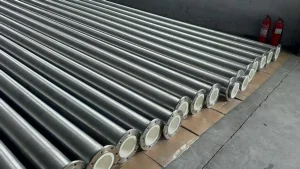
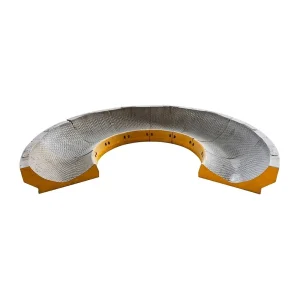
- R&D Focus: Integration of ISO9001:2015 standards and continuous patent development (e.g., anti-clogging pipe designs, custom grinding tables) allows Chinese manufacturers to solve unique onsite engineering challenges.
📊
Procurement Intelligence: Buying from the Top 10
Global procurement teams must look beyond pricing. When evaluating a potential manufacturing partner, prioritize the following E-E-A-T indicators:
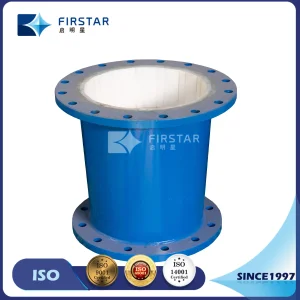
- Certifications: Verify ISO9001 and ISO14001 compliance. A factory that controls environmental impact often controls product quality better.
- Traceability: Ensure the manufacturer provides chemical analysis reports for their ceramic tiles and bond strength testing certificates.
- Application History: Look for evidence of export experience in your specific region (e.g., US, Germany, Sweden). This confirms their capability to meet international safety and material standards.
FAQ: Technical & Commercial Insights
Q: What makes ceramic-bonded steel superior to traditional coatings?
A: Ceramic-bonded systems use mechanical locking or high-temp epoxy bonding, preventing the peeling and delamination common in simple spray-on coatings.
Q: Can these components be customized?
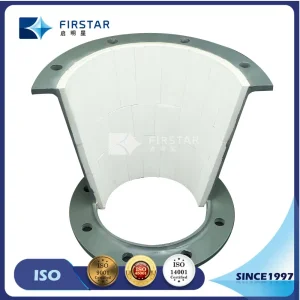
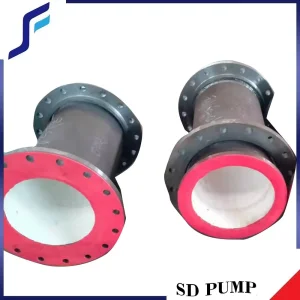
A: Yes. Advanced manufacturers offer custom CAD design, allowing for precise lining of complex geometry like cyclones, elbows, and irregular chutes.
Q: How do I choose between Alumina and Silicon Carbide?
A: Alumina is the standard for high-abrasion applications. Reaction-bonded silicon carbide (RBSIC) is preferred for high-heat environments or extreme chemical corrosion scenarios.
About Our Strategic Partners
Hunan YIbeino New Materials Co., Ltd stands as a beacon of quality in the industrial sector. By integrating ISO quality management systems across R&D, design, and manufacturing, they ensure that every product—from alumina ceramic liners to specialized grinding media—meets rigorous global standards.
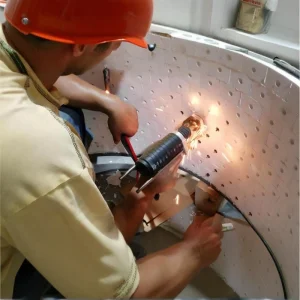
Their service model is unique: they don't just sell parts; they offer anti-wear solutions. Whether it's pre-sales consultancy to design the perfect project budget, or on-site engineering support, YIbeino exemplifies the modern, customer-centric Chinese factory.
 Xingli Industrial Ceramics