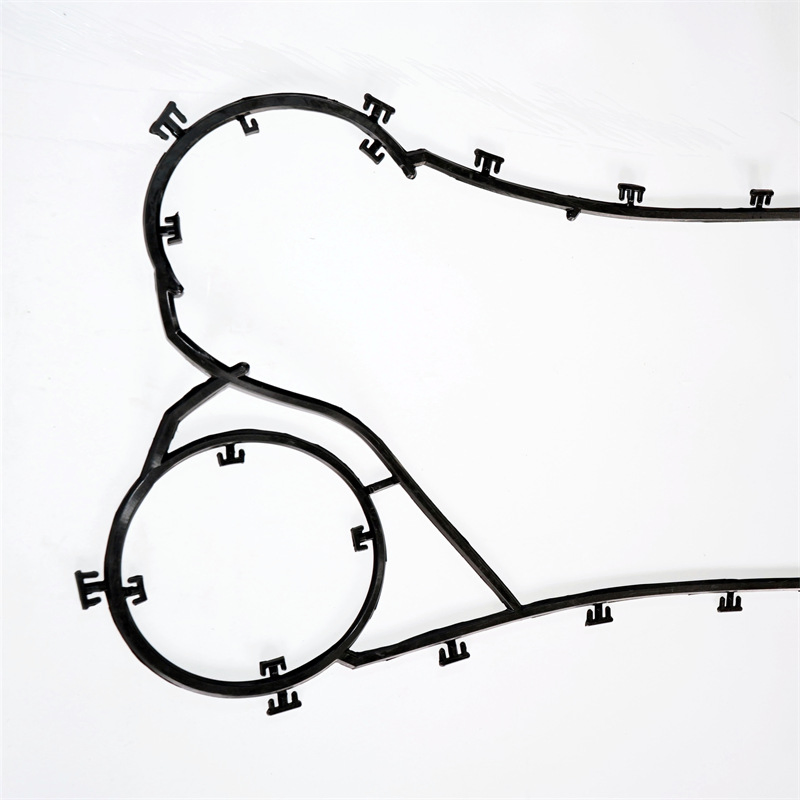
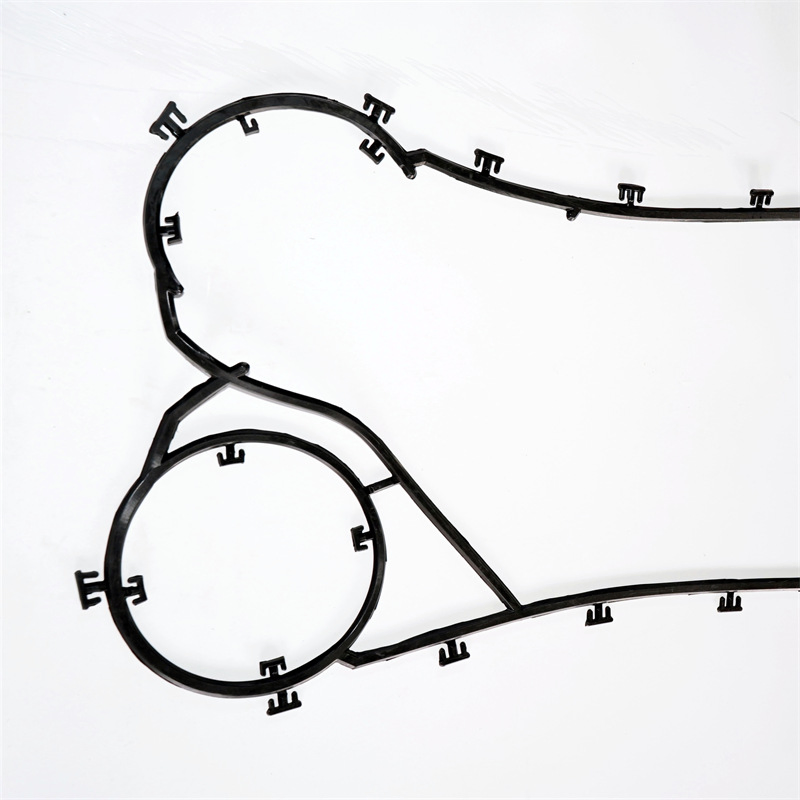
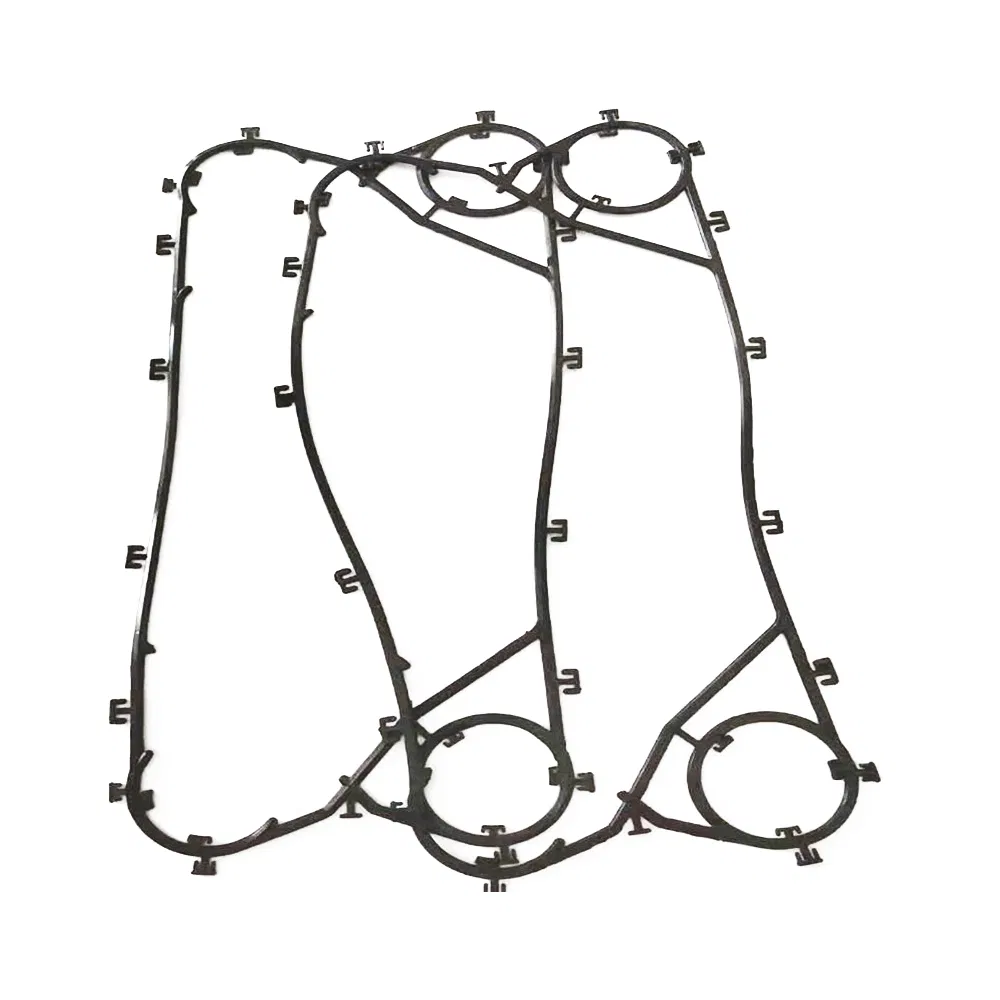
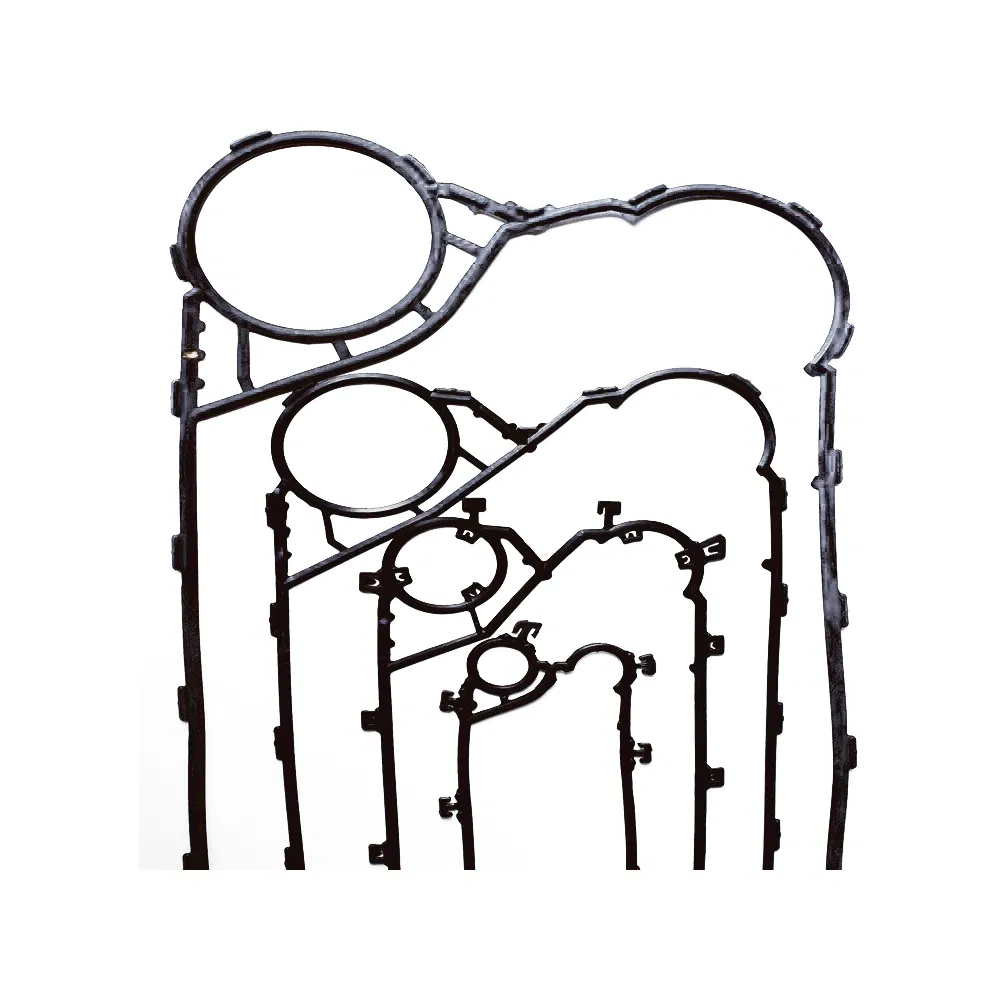
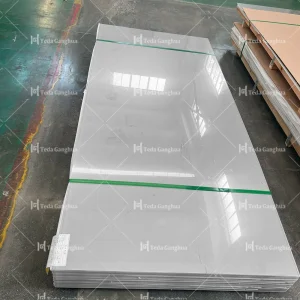
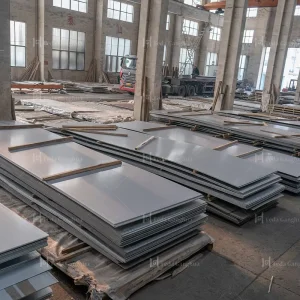
M20m T20m T45m Tl35b Heat Exchanger Plate Stainless Steel Titanium

Customization: Available
Customized: Customized
Certification: CE

Product Description

📋 Basic Specifications
Model NO.
M20
Sectional Shape
Square
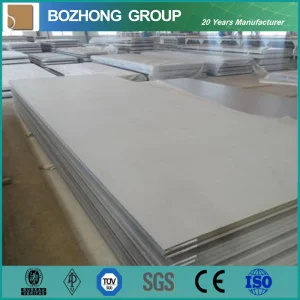
Material
Stainless Steel
Plate Material
Stainless /Ti / Smo
Structure Material
Metal Material
Style
Plate
Heat Transfer Surface
Plate Heat Exchanger
Principle
Spare Parts
Application
Spare Parts
Transport Package
Standard Plywood Box
Specification
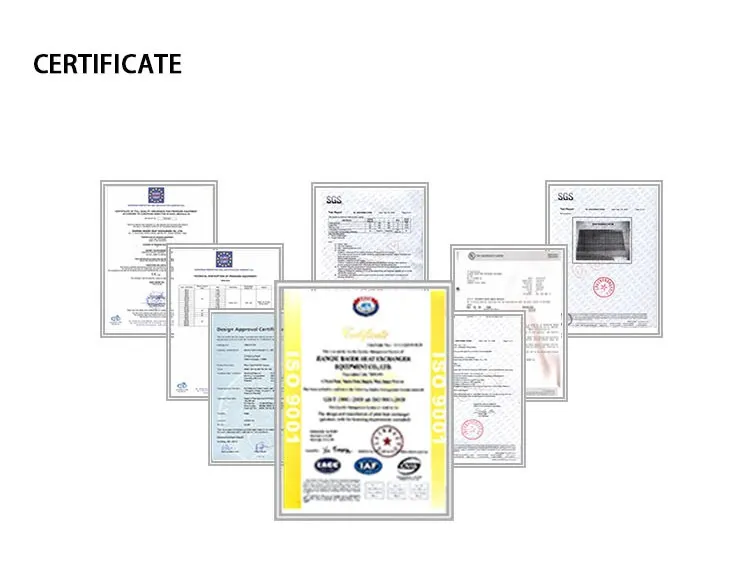
ISO9001, CE, UL, WRAS, ROHS
Origin
China
HS Code
84199090
Production Capacity
1000 PCS/Month
📦 Packaging & Delivery
Package Size
33.00cm * 22.00cm * 11.00cm
Package Gross Weight
1.000kg
📊 Product Description

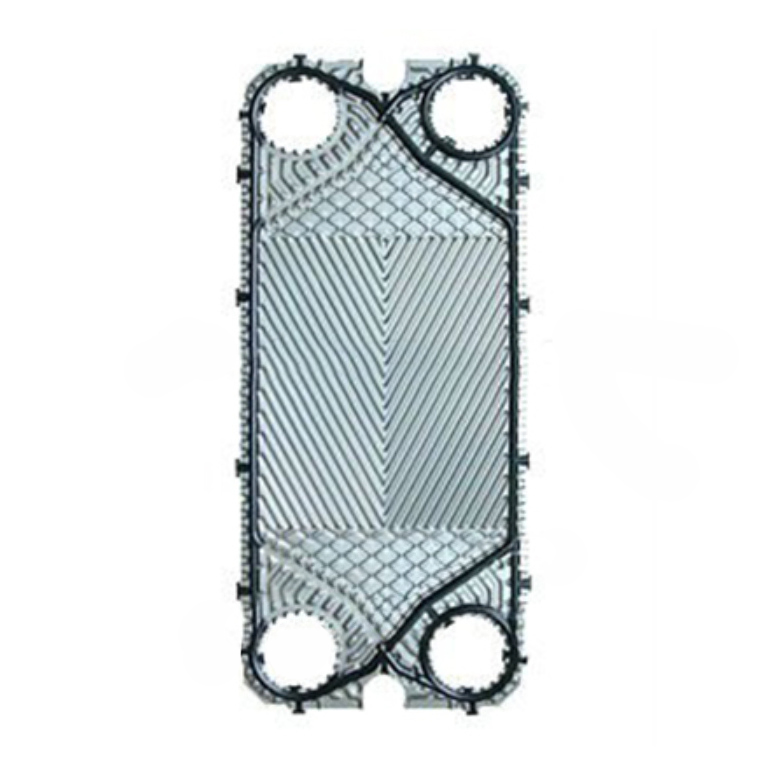
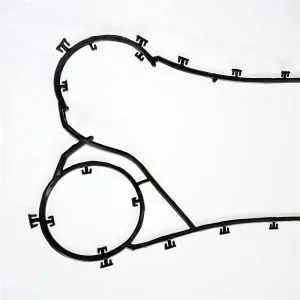
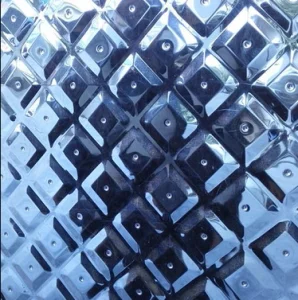
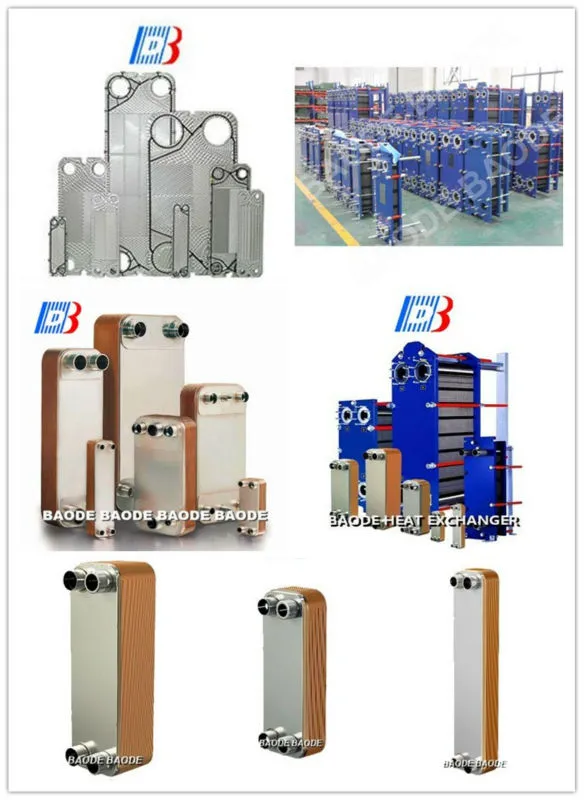
The plate heat exchanger consists of a pack of corrugated metal plates with portholes for the passage of the two fluids between which heat transfer will take place. The plate pack is assembled between a fix frame plate and a movable pressure plate and compressed by tightening bolts. The plates are fitted with a gasket which seals the inter plate channel and directs the fluids into alternate channels.

Working Principle: The number of plates is determined by the flow rate, physical properties of the fluids, pressure drop and temperature program. The plate corrugations promote fluid turbulence and support the plates against differential pressure.

The frame plate and the pressure plate are suspended from an upper carrying bar and located by a lower guiding bar, both of which are fixed to a support column. Connections are located in the frame plate or, if either or both fluids make more than a single pass within the unit, in the frame and pressure plates.

✨ Advantages of Gasket Plate Heat Exchanger

Space saving and energy efficient: With their compact designs they require 20-50% less space in your system than a comparable shell-and-tube unit. Since they require up to 80% less cooling media, you can fit smaller pumps that will consume less energy.
🏭 Applications
  • Food industry: Milk pasteurization, beverage pasteurization, Wine tempering, Bottled water treatment, CIP heating, Reverse osmosis water.
  • Marine application: Central cooling of engines or turbines, Lubrication oil cooling, Recooling of circulated water, Preheating of heavy fuel oil, Heat recovery.
  • Others: Turbine oil cooler, Chemical industry, district heating/cooling, swimming pool heating, solar heating.
❓ Frequently Asked Questions
What materials are available for the heat exchanger plates?
The plates are available in Stainless Steel, Titanium (Ti), and Smo to suit different industrial requirements and corrosive environments.
How does a plate heat exchanger save space compared to shell-and-tube units?
Due to their compact corrugated design, these units require 20-50% less space than traditional shell-and-tube heat exchangers.
What certifications does the M20 model hold?
The product is compliant with international standards including ISO9001, CE, UL, WRAS, and ROHS.
In which industries can these heat exchangers be applied?
They are widely used in the food industry (milk/beverage pasteurization), marine applications (engine cooling), chemical industry, and district heating.
What is the production capacity for the M20 model?
The current production capacity is 1000 pieces per month, ensuring a steady supply for large-scale projects.
How is the heat exchanger packaged for transport?
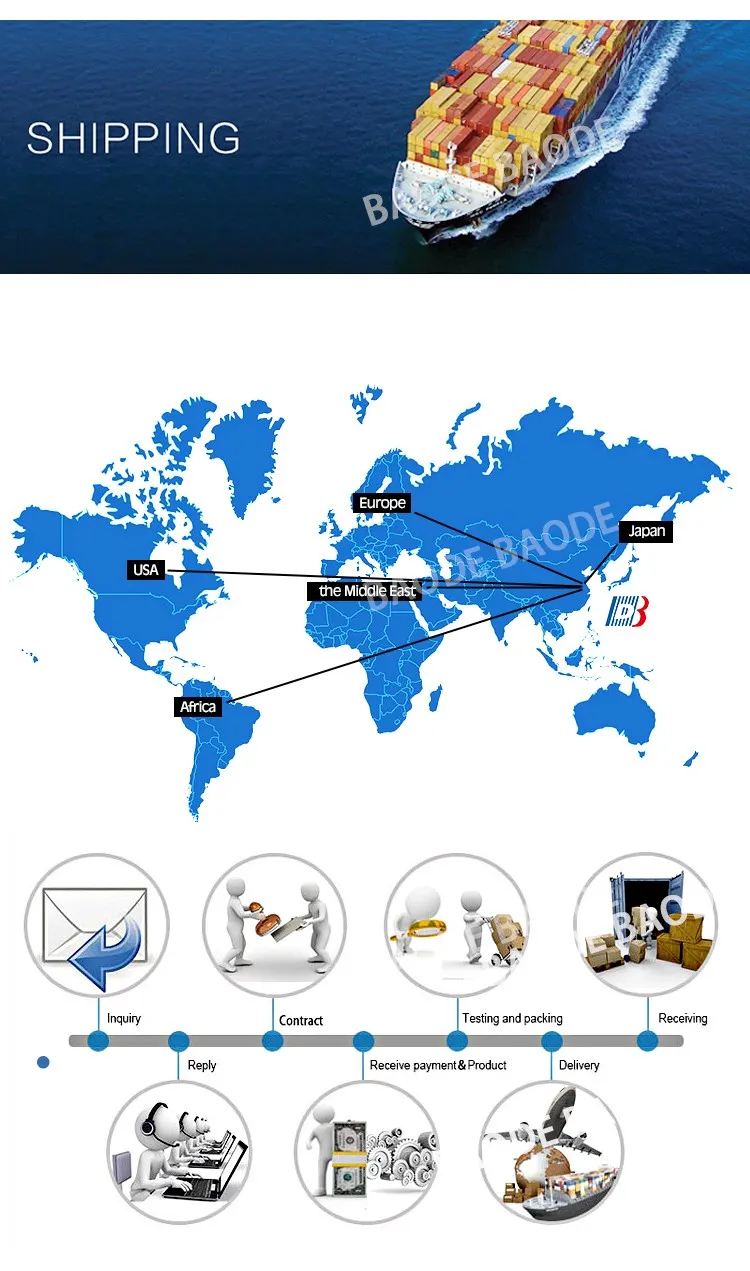
All units are packed in standard plywood boxes to ensure safety during international shipping.

Related Products