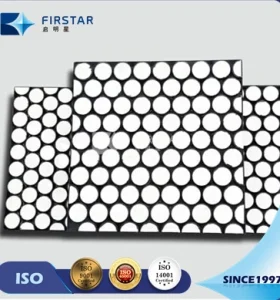
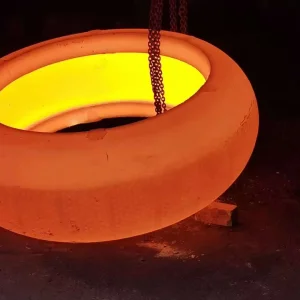
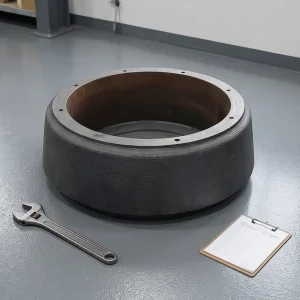
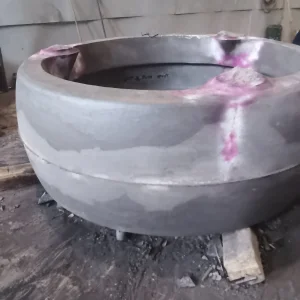
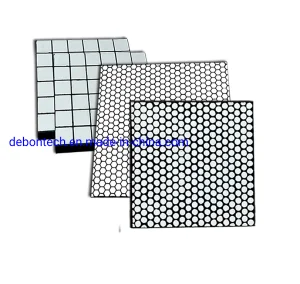
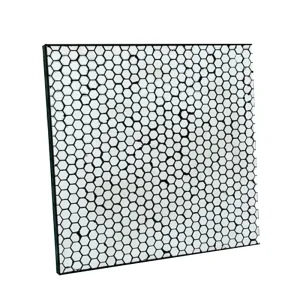
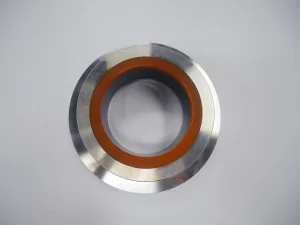
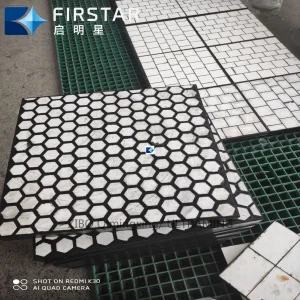
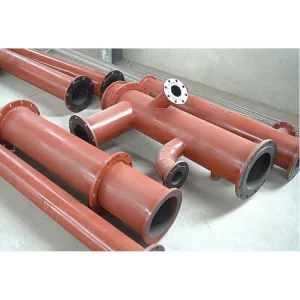
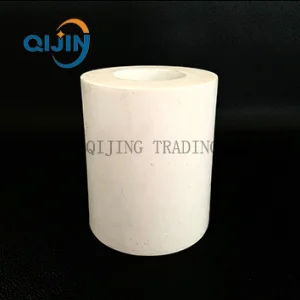
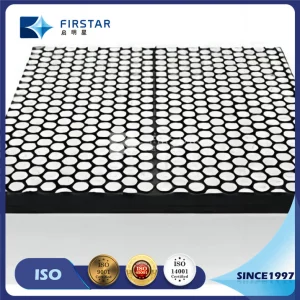
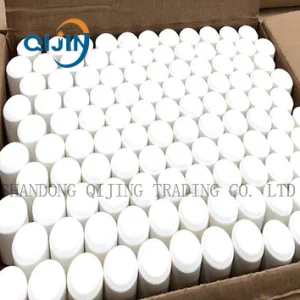
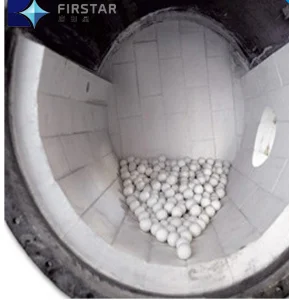
Eswatini (formerly Swaziland), despite its compact geography, possesses a robust industrial backbone centered on mining, sugar processing, and forestry. The industrial landscape in hubs like Matsapha, Mbabane, and Manzini is increasingly demanding high-performance materials to combat mechanical wear. Steel-Ceramic Composite Wear Sleeves have emerged as the gold standard for protecting critical rotating equipment and pipeline systems from the abrasive nature of local ores and industrial slurries.
Global procurement trends indicate a significant shift from traditional hardened steel components to advanced composite solutions. Why? Because the synergy between the structural toughness of steel and the extreme hardness of alumina ceramics provides a service life 5 to 10 times longer than steel alone. For Eswatini's mining operators at sites like the Ngwenya Mine or coal operations in the Lowveld, this translates to reduced downtime and a substantial decrease in Total Cost of Ownership (TCO).
Our technical roadmap for the Eswatini market focuses on solving three primary industrial challenges: Abrasive Wear, Impact Force, and Chemical Corrosion. By utilizing advanced vulcanization and proprietary bonding agents, we ensure that the ceramic lining remains intact even under extreme thermal expansion cycles typical of the region's climate.
Each sleeve is engineered with tight tolerances to ensure perfect fitment on pumps, shafts, and rollers, minimizing vibration-induced wear.
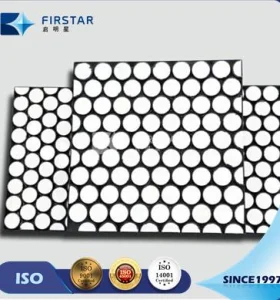
We use Zirconia-toughened alumina (ZTA) and high-density 95% Alumina tiles that outperform standard industrial ceramics in toughness.
Solutions designed for Eswatini's Royal Sugar Corporation mills, specifically handling high-velocity fibrous bagasse and abrasive cane juice slurries.
As Eswatini aligns with regional trade agreements like SACU and COMESA, industrial compliance and operational efficiency become paramount. Our "Steel-Ceramic" strategy for the local market includes:
By providing localized technical support and a deep understanding of Eswatini's regulatory framework, we serve not just as a supplier, but as a strategic growth partner for the Kingdom's industrial progress.
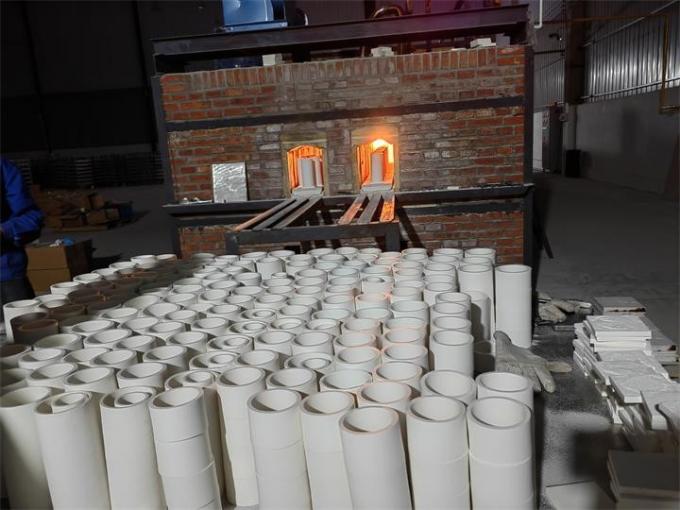
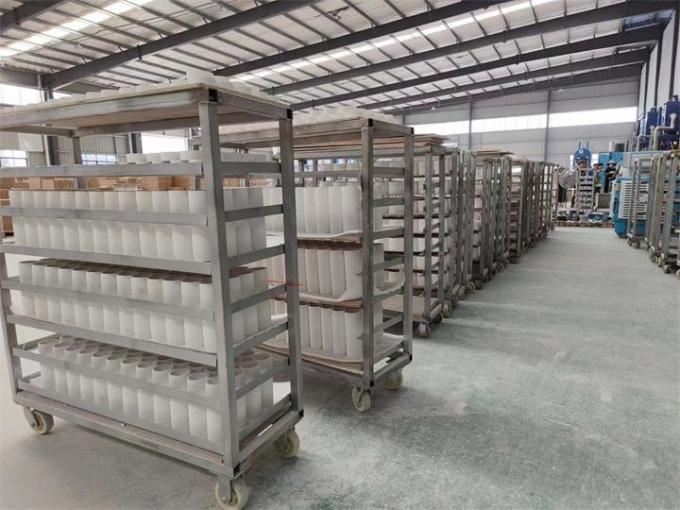
Zibo Xingli Industrial Ceramics Co., Ltd and Hunan Yibeino New Materials Co., Ltd. are industry titans specializing in high-performance industrial ceramics. Our manufacturing prowess includes industrial alumina, zirconia, and carbon-silicon products. With ISO9001:2015 certification, our quality control system is world-class.
We are more than just a manufacturer; we are a solution provider. Our pre-sales managers conduct on-site audits to provide bespoke anti-wear designs, while our after-sales team ensures that every installation meets the highest performance benchmarks. With a sales network spanning the USA, Germany, Sweden, and now expanding deeply into the Eswatini market, we bring global expertise to local challenges.
The next decade of industrial growth in Eswatini will be defined by "Smart Wear Management." Our R&D team is currently integrating sensor technologies into our steel-ceramic sleeves to allow for real-time wear monitoring. This Industry 4.0 approach will enable Eswatini's plant managers to predict maintenance cycles with 99% accuracy, virtually eliminating unplanned shutdowns.
Furthermore, sustainability is at our core. By extending the life of industrial components, we significantly reduce the carbon footprint associated with steel production and scrap waste. We are committed to supporting Eswatini's National Development Plan by providing eco-efficient industrial solutions.
Hard-facing can peel or crack under thermal stress. Our ceramic-steel composites use advanced bonding that absorbs vibration and handles much higher hardness (Mohs 9) than any steel alloy can reach.
Standard components are shipped within 15-20 days. For custom-designed solutions, including site audit and drawing confirmation, lead times range from 30 to 45 days delivered to Manzini or Mbabane.
Yes, we provide detailed installation manuals and video guidance. For major projects, our technical engineers can be deployed to Eswatini to supervise the installation and commissioning process.
Absolutely. Our materials are food-grade compliant (where necessary) and designed to withstand the acidic nature of cane processing slurries common in the Mhlume and Simunye mills.
 Xingli Industrial Ceramics