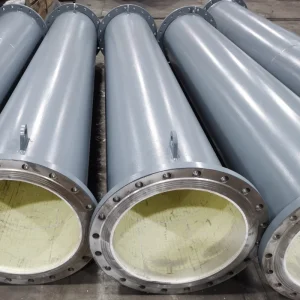
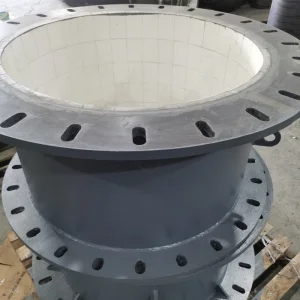
Engineered for extreme material handling, pneumatic conveying, and abrasive slurry pipelines across North America and Georgia industrial centers.
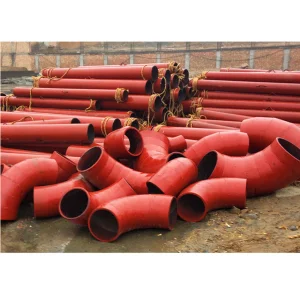
The State of Georgia (USA) and the surrounding southeastern industrial corridor represent one of North America's most dynamic centers for kaolin clay extraction, pulp and paper manufacturing, aggregate quarrying, coal-fired and biomass energy production, and heavy logistics handling. Processing plants operating throughout regions such as Macon, Sandersville, Augusta, and Savannah face intense mechanical challenges driven by continuous abrasive slurry flow and high-velocity pneumatic solids transport.
Standard mild carbon steel pipes and conventional alloy conduits installed in these heavy-duty environments frequently suffer catastrophic failure within months. The abrasive nature of Georgia kaolin slurry, pulverized coal fly ash, and crushed granite aggregates creates extreme sliding friction and particle impact wear. Traditional maintenance strategies relying on frequent segment replacements lead to unacceptable process downtime, elevated safety risks under OSHA standards, and millions of dollars in cumulative operational expenditures (OPEX).
Information Gain Insight: Advanced ceramic-lined composite steel piping engineered with high-purity Alpha-Alumina ($\text{Al}_2\text{O}_3$) inserts increases field service lifespans by 800% to 1200% compared to Schedule 80 hardened steel, while maintaining structural ductility under high hydrostatic pressures.
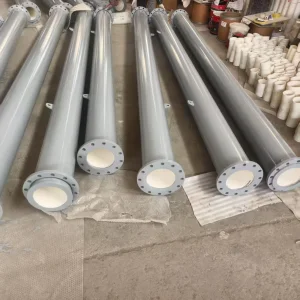
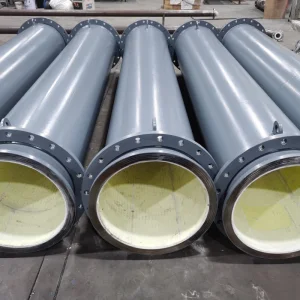
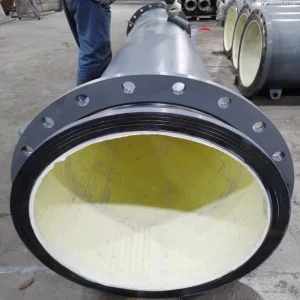
To resolve these chronic operational bottlenecks, plant engineers and EPC procurement executives in Georgia are pivoting toward advanced ceramic-lined steel pipe architecture. By metallurgically combining the tensile strength, flexural rigidity, and weldability of structural carbon steel shells with the extreme Vickers hardness (HV1500+) and chemical inertness of sintered alumina ceramics, modern factories receive a total solution designed for 20+ years of uninterrupted maintenance-free operation.
Quantitative comparative performance of 95% Alumina Ceramic Lined Steel Pipes versus traditional metallurgy under severe wear testing.
Understanding the wear mechanisms encountered in Georgia’s primary industries requires a microscopic look at solid-particle erosion and slurry abrasion. Industrial wear occurs through two main mechanisms: sliding abrasion (common in slurry pumps and gravity chutes) and impact erosion (dominant in pneumatic elbow bends).
Metallic alloys—such as Ni-Hard iron, Chromium Carbide overlay plates (CCO), and hardened tool steels—depend on crystalline metallic bonding. Under continuous bombardment by silica sand, kaolin particles, or coal ash, micro-plowing and surface fatigue cause metallic bonds to shear rapidly. In contrast, 92% and 95% Sintered Alumina Ceramics ($\text{Al}_2\text{O}_3$) feature ionic-covalent atomic bonds, resulting in extreme resistance to mechanical dislodgement.
| Material Specification Parameter | 95% $\text{Al}_2\text{O}_3$ Ceramic Line | Chromium Carbide Overlay (CCO) | Hardened Carbon Steel (A36/Q235) |
|---|---|---|---|
| Vickers Hardness (HV) | 1,500 - 1,700 HV | 550 - 650 HV | 140 - 180 HV |
| Density ($g/cm^3$) | 3.65 - 3.85 g/cm³ | 7.85 g/cm³ | 7.85 g/cm³ |
| Acid & Alkali Corrosion Resistance | Exceptional (pH 1 - 14) | Moderate / Poor | Poor (Rapid Oxidation) |
| Coefficient of Friction | 0.20 - 0.25 (Smooth Surface) | 0.45 - 0.55 | 0.50 - 0.60 |
| Relative Wear Resistance Ratio | 266x Baseline Steel | 15x Baseline Steel | 1x (Baseline Standard) |
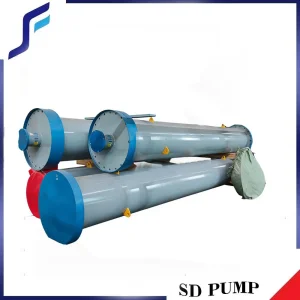
As a leading specialized global manufacturer serving Georgia procurement networks, we deploy two advanced fabrication routes tailored to site-specific application stress profiles:
Custom engineering solutions tailored to the operational conditions of Georgia's core heavy industries.
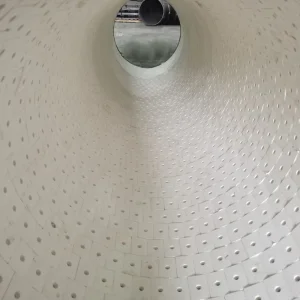
Engineered for Middle Georgia's kaolin belt (Macon, Sandersville). High-pressure slurry lines lined with smooth alumina cylinders prevent boundary layer friction, scale buildup, and high-velocity sand erosion.
Designed for pulverized coal fuel delivery lines, burner elbows, and bottom ash slurry removal systems in power plants across Georgia, dramatically eliminating unexpected boiler tube outages.
Resistant to high chemical corrosion, black liquor lines, and abrasive wood-chip pneumatic conveying systems along Savannah and coastal Georgia manufacturing centers.
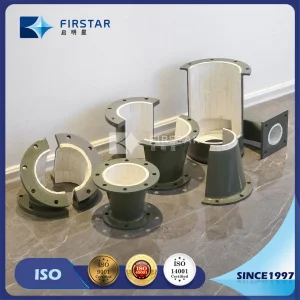
Explore our full line of ceramic-lined steel straight pipes, custom elbows, fittings, and composite structural components.
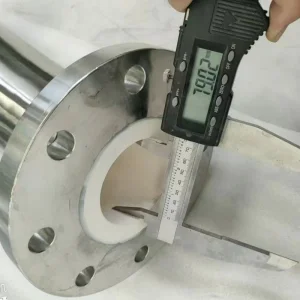
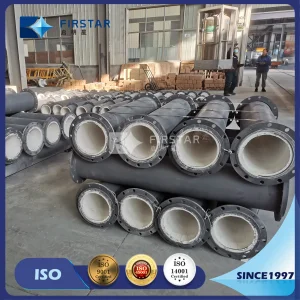
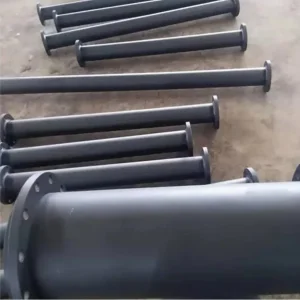
It is an enterprise specializing in the production of industrial alumina ceramic, zirconia ceramic, and carbon-silicon products, focusing on providing wear-resistant ceramic ball grinding media, alumina lining, ceramic liner, ceramic pipe, inert alumina ball for catalyst support.
Hunan Yibeino New Materials Co., Ltd. has passed the ISO9001:2015 quality system certification. The company has a strict quality control system. Product design, manufacturing, and installation services are fully integrated into the ISO quality management system. From raw material purchase and ingredients, all aspects from production process management to factory inspection and control ensure stable product performance and excellent quality.
The company has users all over the world, mainly exporting to the United States, Germany, Sweden, India, Turkey, the Netherlands, Italy, Spain, Japan, South Korea, Russia, Vietnam and other countries. The company adheres to the business philosophy of "integrity, hard work, innovation" and adheres to the "customer, quality first" principle to provide our global clients with unmatched service.
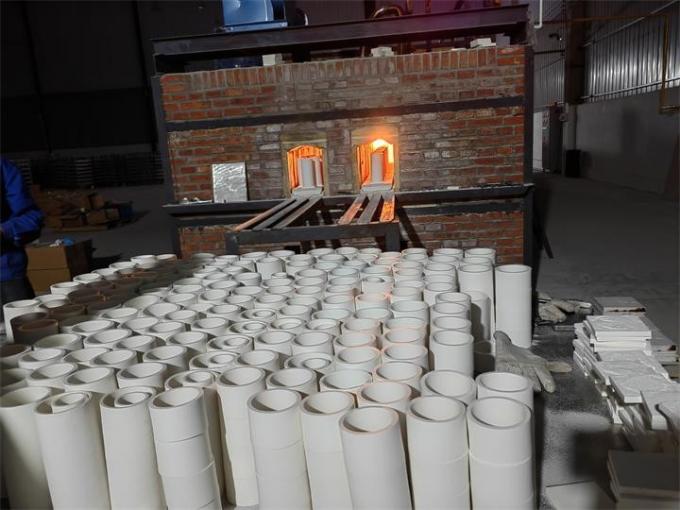
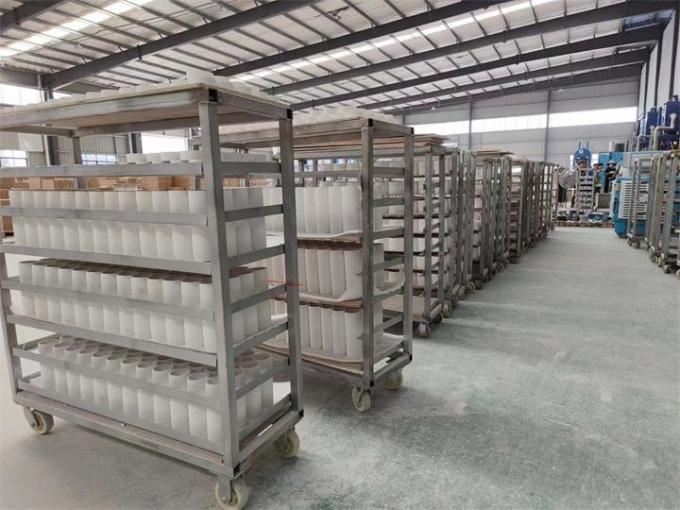
The company is a primary manufacturing enterprise. We have decades of on-site industry experience, offering customers total anti-wear engineering designs, CAD samples, exceptional technical support, and direct factory pricing.
Patented innovations include: "A kind of elbow of pump pipe discharge anti-clogging pipe", "A lining board installation structure", "A lining board processing console", and "A conveying device for ceramic-lined pipes".
Our engineering products ship globally to industrial hubs across North America, Europe, and Asia, maintaining seamless logistics partnerships to service projects in Georgia and across the USA.
Dedicated engineering managers analyze equipment operating parameters onsite or remotely, formulating optimized anti-wear proposals and project budget estimations.
Upon evaluating chemical, thermal, and mechanical stresses, custom CAD fabrication blueprints are produced and submitted for customer engineering review.
Rapid response engineering team provides installation guidance, technical documentation, and rapid resolution guarantees for any field operational queries.
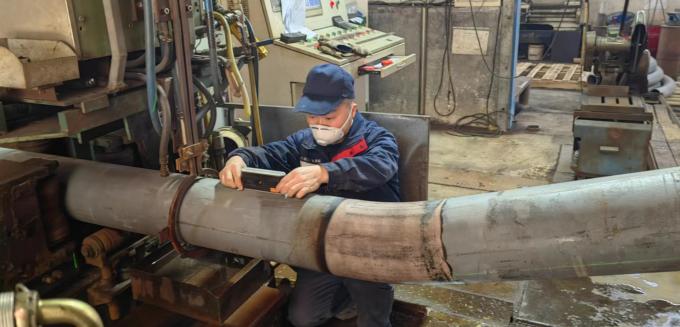
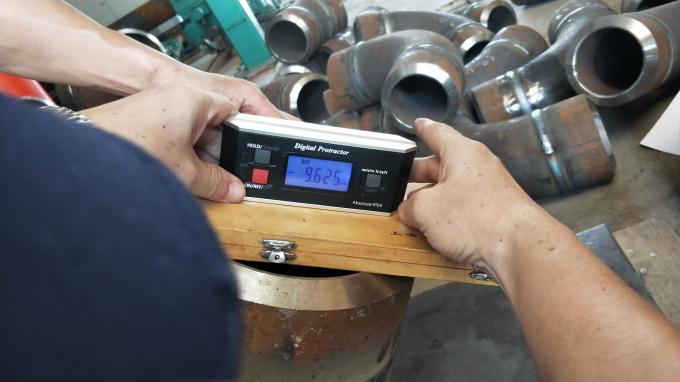
Certified under ISO9001:2015 Quality Management and ISO14001 Environmental Management Systems. Every batch undergoes ultrasonic non-destructive testing (NDT), hydrostatic pressure testing, and ceramic density verification prior to international export dispatch.
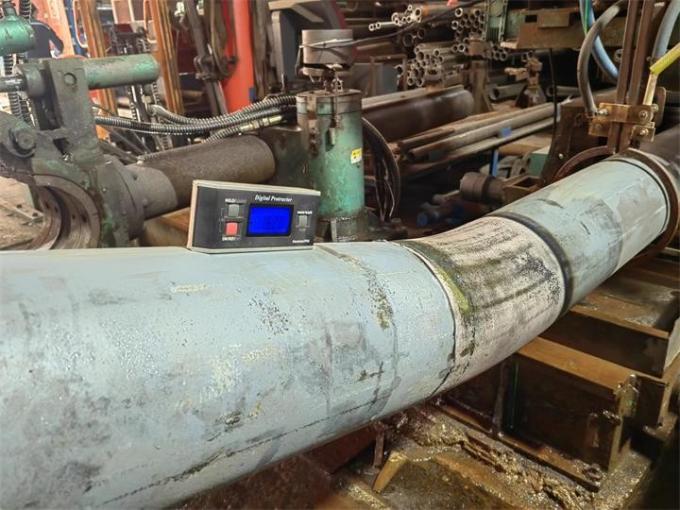
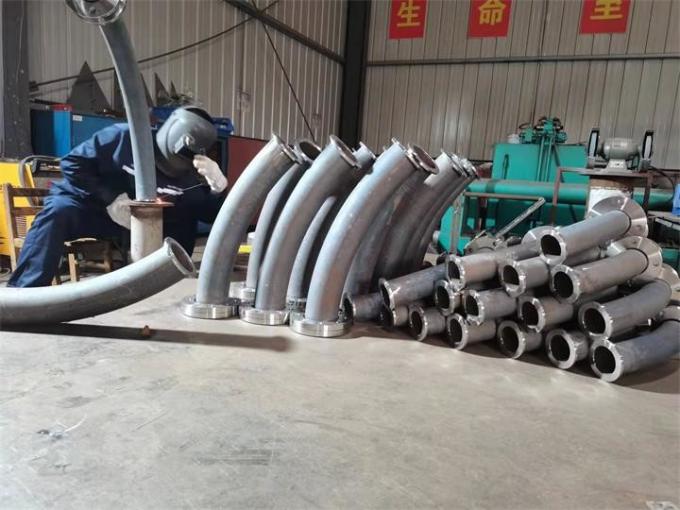
Industrial infrastructure projects throughout Georgia are subject to strict safety and engineering codes. Our ceramic-lined piping products are engineered to conform directly with North American and international pipeline design criteria:
Field Handling & Joint Design Recommendation: Because Alpha-Alumina ceramic exhibits high compressive strength but relatively lower tensile ductility than steel, thermal expansion differential must be accommodated. Our team utilizes resilient inter-layer elastomeric buffers or thermal-expansion gap fillers for operating temperatures exceeding 250°C.
Pioneering the next era of intelligent, hyper-wear-resistant industrial infrastructure.
Embedding smart IoT conductive thickness sensors directly into ceramic matrix layers to provide real-time wear depth telemetry to plant operators.
Advancing Zirconia-Toughened Alumina (ZTA) formulations that combine the ultra-hardness of alumina with the fracture toughness of phase-transformed zirconia.
Transitioning production kilns to 100% green hydrogen and electric induction sintering to assist global enterprise clients in achieving Scope 3 carbon reduction targets.
Technical inquiries answered by our senior tribological engineering team.
Reduce maintenance downtime and eliminate catastrophic pipe bursts. Contact our technical team today for engineering drawings, material samples, and direct factory pricing for your Georgia operations.
Send Inquiry Now Xingli Industrial Ceramics