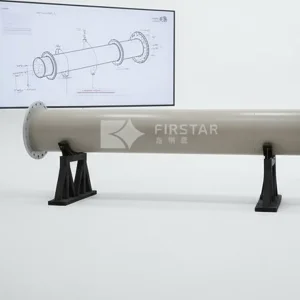
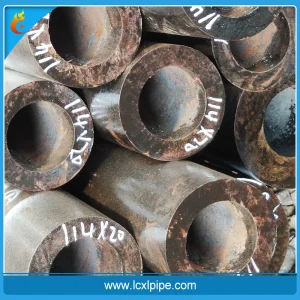
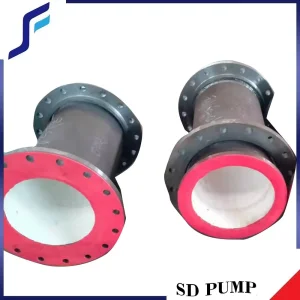
Engineered specifically to counter high-velocity slurry wear and pneumatic impact in Mozambican mining and industrial processing operations.
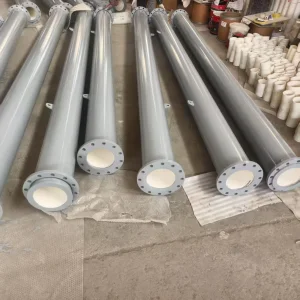
Unlocking sustainable resource processing efficiency with advanced metallurgical and ceramic technologies.
Mozambique stands as one of Africa's most promising mineral resource hubs, with large-scale mining projects driving massive economic acceleration. Key regions such as the Tete Province (famed for its vast metallurgical coal deposits) and coastal areas like Moma (Nampula) and Chibuto (Gaza) (rich in titanium-heavy mineral sands like ilmenite, rutile, and zircon) demand highly specialized equipment to handle aggressive material transport.
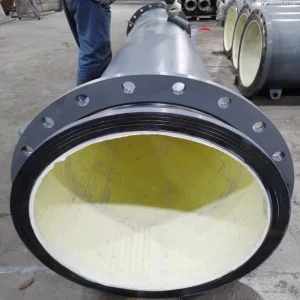
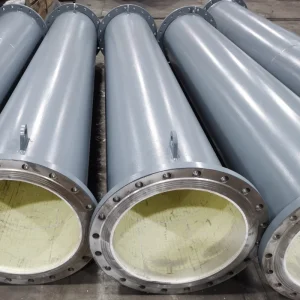
Standard carbon steel piping in these locations degrades at unsustainable rates. The extraction and processing of highly abrasive mineral sands, dense coal slurries, and hard rock minerals introduce extreme abrasive, erosive, and corrosive elements to pipeline systems. By deploying alumina ceramic-lined steel pipes, industrial operators can mitigate premature pipe failures, reduce plant downtime, and dramatically drop operational expenditure (OPEX).
"Without wear-resistant lining, local operations in wet slurry processing and high-velocity pneumatic conveying suffer catastrophic pipe wall thinning within months, causing frequent environmental hazards and costly production stoppages."
Ilmenite and zircon particles represent some of the most abrasive materials globally. High-velocity slurry piping requires alumina ceramic lining to maintain wall thickness against continuous directional changes and friction.
The handling of bottom ash, fly ash, and pulverized coal requires robust pneumatic conveying configurations that resist thermal shock and mechanical friction simultaneously.
Why technical managers across Mozambique are replacing traditional carbon steel and rubber hose with ceramic-lined steel composites.
| Piping Material System | Hardness (Mohs) | Estimated Life Span (Slurry) | Operating Temperature Limit | Corrosion Resistance | Primary Limitation in Mining |
|---|---|---|---|---|---|
| 95% Alumina Ceramic Lined Steel | 9.0 | 10 - 15x Longer than Carbon Steel | Up to 1000°C (depending on bonding agent) | Exceptional (Acid/Alkali resistant) | Moderate weight (requires structural support) |
| Standard Carbon Steel (Q235/Q355) | 5.5 | Baseline (1x) | Up to 400°C | Low (Highly prone to rust/acid pitting) | Extremely rapid wall erosion |
| Cast Basalt Lined Steel | 8.0 | 3 - 4x Longer than Carbon Steel | Up to 350°C | Good | Brittle, heavy wall thicknesses, limited bend geometries |
| PTFE Lined Steel | N/A | Excellent for acids, Poor for slurries | Up to 260°C | Outstanding | Very low mechanical wear resistance (easily torn by coarse minerals) |
In pneumatic conveying systems (such as port loading terminals in Beira and Nacala), solid particles hit the interior of pipe elbows at velocities ranging from 15 to 30 m/s. The kinetic energy transferred at impact causes immediate plastic deformation and micro-cracking in unprotected metal walls. By utilizing a 92% or 95% Al2O3 alumina liner, the hardness of the contacting interface is raised above that of the mineral species themselves, preventing surface indentation and redirecting the shear forces along the wear-resistant profile.
Decarbonization, predictive maintenance, and optimized flow dynamics shape the future of industrial pipe engineering.
Global operators are abandoning cheap initial procurement options in favor of wear-resistant composite piping systems. The investment in ceramic lining pays back within 12-18 months by eliminating recurring pipeline replacement labor costs.
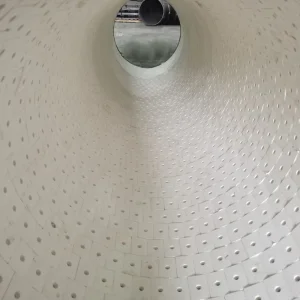
The smooth interior surface of polished alumina ceramic tiles exhibits a very low friction coefficient. This reduces the pressure drop across long-distance pipelines, lowering pump and compressor energy consumption.
Spills from pipe failures in gold tailings or chemical processing are subject to strict environmental regulations in Mozambique. Leak-free ceramic-lined steel pipelines act as a key safeguard against contamination.
Delivering world-class material science expertise and patented lining designs to global and domestic operations.
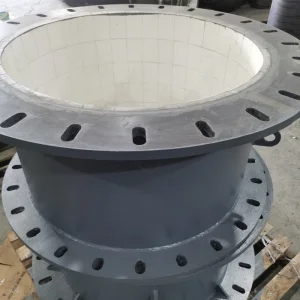
Zibo Xingli Industrial Ceramics Co., Ltd is a premiere manufacturing enterprise specializing in the production of high-grade industrial alumina ceramic, zirconia ceramic, and carbon-silicon products. Our core manufacturing competencies focus on wear-resistant ceramic ball grinding media, alumina lining tiles, custom ceramic liners, composite ceramic pipes, and inert alumina catalyst support media.
Working in close strategic alliance, Hunan Yibeino New Materials Co., Ltd. has passed the comprehensive ISO9001:2015 quality system certification and maintains a strict, end-to-end quality control network. From raw material sourcing, chemical composition control, sintering process control to the final component installation, our products perform consistently in the harshest industrial settings.
Our collaborative client network spans the globe, exporting high-performance ceramic systems to the United States, Germany, Sweden, India, Turkey, the Netherlands, Italy, Spain, Japan, South Korea, Russia, and Vietnam. We stand on the values of "integrity, hard work, innovation", ensuring every Mozambican customer receives durable, engineered wear solutions.
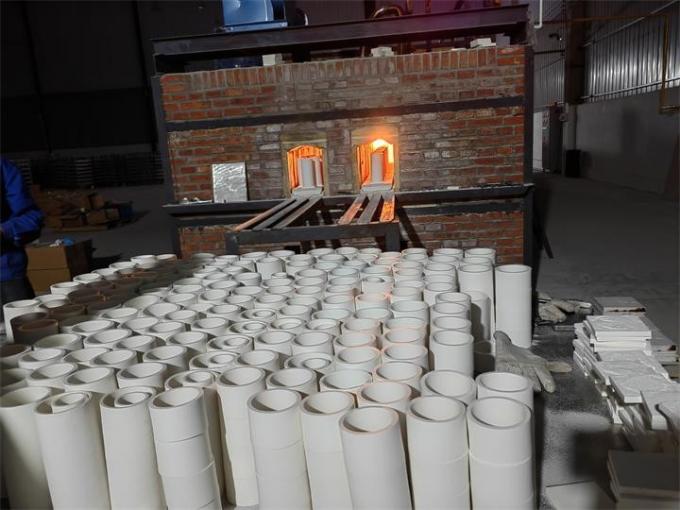
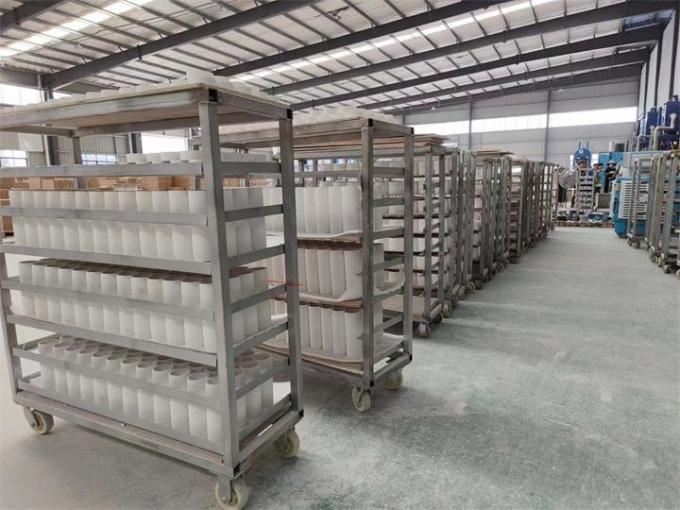
Company Patents: "A kind of elbow of pump pipe discharge anti-clogging pipe", "A lining board installation structure", "A lining board processing console", "A conveying device for ceramic-lined pipes". These proprietary technologies guarantee optimal flow dynamics and mechanical reliability in every unit shipped.
Ensuring seamless custom layout design and end-to-end quality management for Mozambican projects.
Our experienced engineering managers consult directly with site supervisors via phone or field visits. We analyze operational data (flow velocity, grain size distribution, slurry density, operating pressure) to offer a customized wear protection solution and provide clear, itemized project estimates.
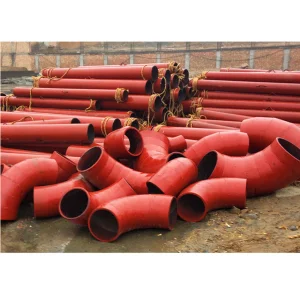
We build detailed CAD and 3D models based on your piping layout. For elbows, bends, reducers, and T-pieces, every ceramic tile is pre-engineered and shaped to avoid gaps. Drawings are submitted to the customer for full technical validation prior to manufacturing.
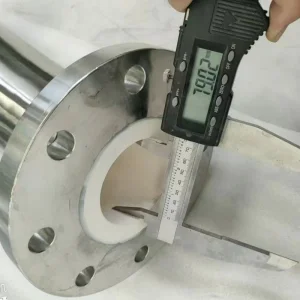
All finished products pass strict ISO 9001 and ISO 14001 compliance standards. Hardness checks, pressure-leak testing, visual tile bonding audits, and geometric dimension checks are completed before components leave our facility. Standard global after-sales support guarantees rapid troubleshooting.
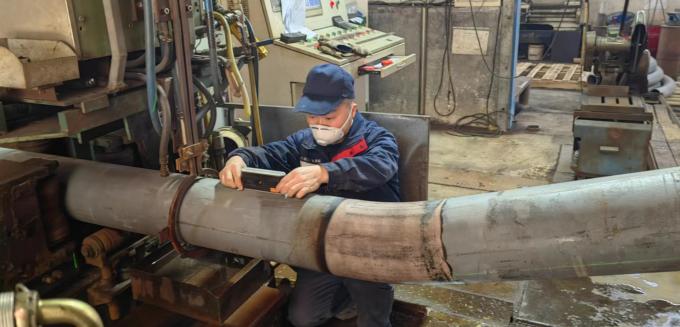
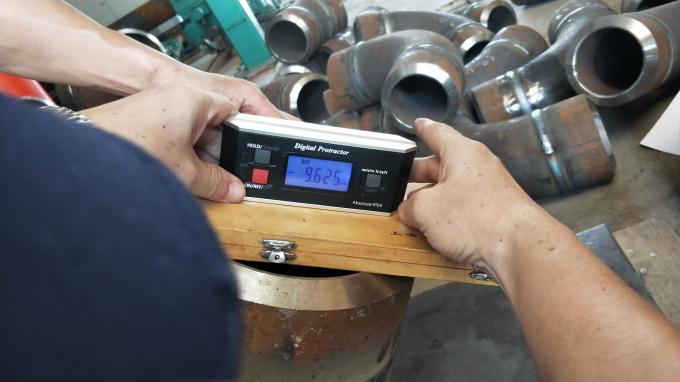
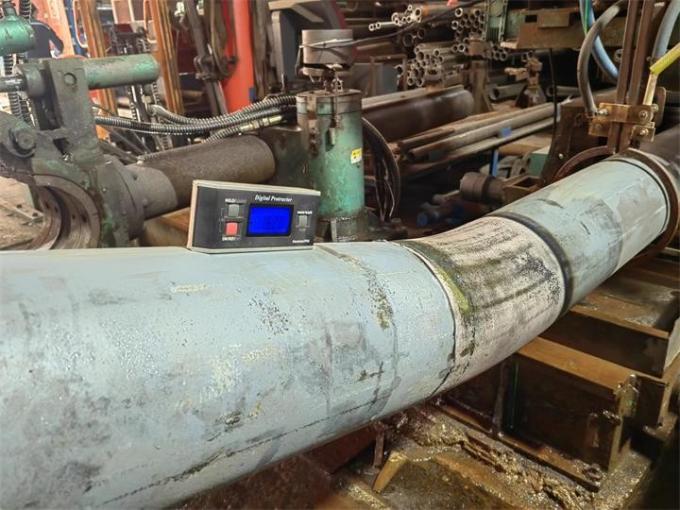
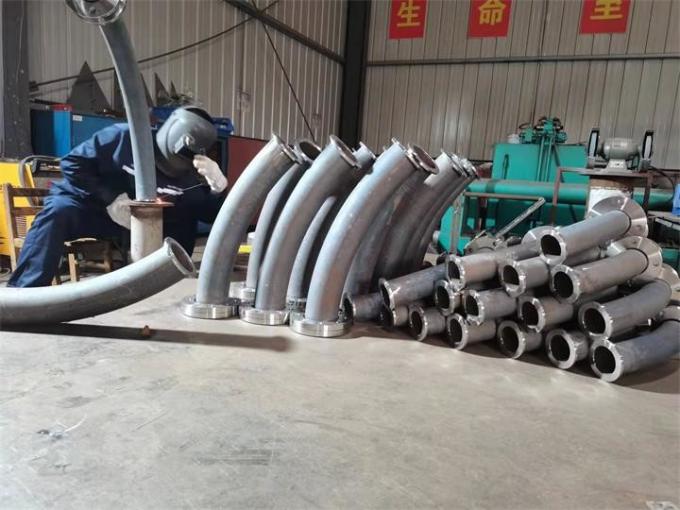
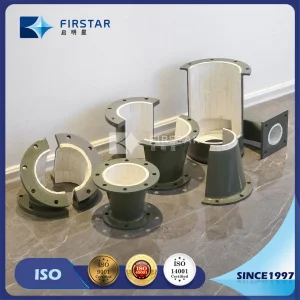
A complete selection of abrasion-resistant pipes, fittings, and customized wear plates suited to various industrial architectures.
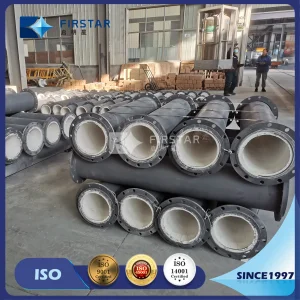
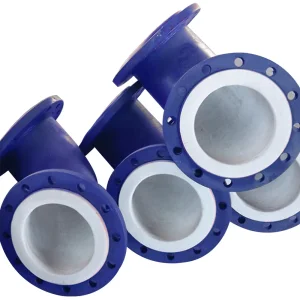
Answering the technical, operational, and commercial queries of procurement managers and wear engineers.
Alumina ceramics are highly effective against sliding abrasion (such as fine slurry flow). Under high-impact angles (e.g., perpendicular impact at 90 degrees), standard ceramics can crack due to brittle characteristics. To solve this, we engineer ZTA (Zirconia Toughened Alumina) tiles or utilize specialized lining layouts that absorb mechanical impact through backing adhesives or specialized tiling patterns.
We use three main techniques depending on the application temperature and operating conditions: 1) High-strength epoxy adhesive bonding (suitable for temperatures below 250°C), 2) Mechanical stud welding combined with adhesive (ideal for high vibrational or high-temp areas up to 750°C), and 3) Self-propagating high-temperature synthesis (SHS) / centrifugal casting for seamless monolithic lining.
Our ceramic-lined pipes feature a dual layer of protection. The outer carbon steel pipe provides the structural containment and is coated with epoxy anti-corrosive marine paint. The interior ceramic lining is completely inert, preventing saltwater from oxidizing the interior steel wall and resisting the abrasive action of wet silica sands.
Due to the extreme hardness of the alumina interior (9 Mohs), these pipes cannot be cut or welded randomly on-site, as this would shatter the ceramic lining. All bends, spool lengths, and connection configurations (such as loose flanges or quick couplings) must be precision fabricated to the exact design specifications prior to shipment.
Reach out to our global technical support desk for localized wear calculations, drawings, and quotation requests suited for the Mozambique industrial market.
Send Inquiry Now Xingli Industrial Ceramics