Engineered for extreme sliding abrasion, impact resistance, and long-term operating life in critical processing systems.
Integrating metallurgical structural science with advanced technical ceramics to redefine durability in industrial wear engineering.
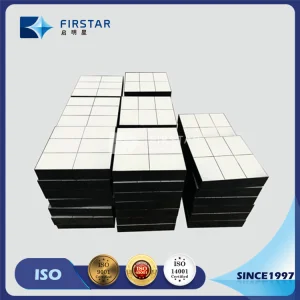
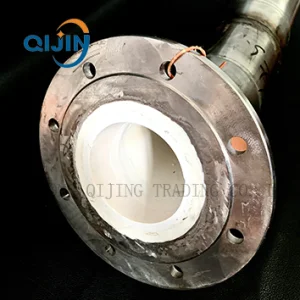
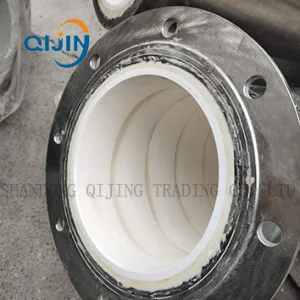
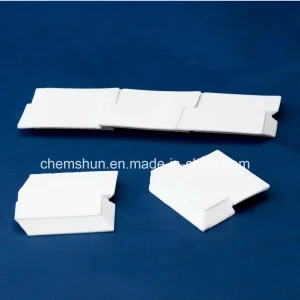
About Us: At the forefront of wear-resistant technology, Zibo Xingli Industrial Ceramics Co., Ltd and Hunan Yibeino New Materials Co., Ltd. represent a powerful alliance in advanced industrial material engineering. Zibo Xingli is an enterprise specializing in the production of industrial alumina ceramic, zirconia ceramic, and carbon-silicon products, focusing on providing wear-resistant ceramic ball grinding media, alumina lining, ceramic liner, ceramic pipe, inert alumina ball for catalyst support.
Complementing this manufacturing prowess, Hunan Yibeino New Materials Co., Ltd. has successfully passed the ISO9001:2015 quality system certification. The company maintains an exceptionally strict quality control system where product design, manufacturing, and installation services are fully integrated into the ISO quality management system. From raw material purchase and ingredients, all aspects from production process management to factory inspection and control ensure stable product performance and excellent quality.
This powerful dual-entity dynamic operates on a global scale. We have active users all over the world, mainly exporting to major industrial markets including the United States, Germany, Sweden, India, Turkey, the Netherlands, Italy, Spain, Japan, South Korea, Russia, Vietnam, and other countries. The enterprise adheres to the business philosophy of "integrity, hard work, innovation" and adheres to the "customer first, quality first" principle, providing our global clientele with high-quality, long-life, and customized anti-wear structural solutions.
As a true manufacturing collective, we bypass intermediary channels. We have many years of on-site industry experience, enabling us to provide customers with the best equipment anti-wear design, rapid product samples, high-grade quality control, and competitive direct-factory pricing.
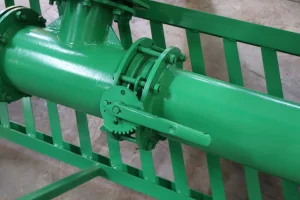
Our engineering innovation is validated by key utility patents, including: "A kind of elbow of pump pipe discharge anti-clogging pipe", "A lining board installation structure", "A lining board processing console", and "A conveying device for ceramic-lined pipes".
Products are certified under ISO9001:2015 (Quality Management) and ISO14001 (Environmental Management). From initial modeling, simulation, precision casting, ceramic sintering, assembly to final pressure testing, everything is audited.
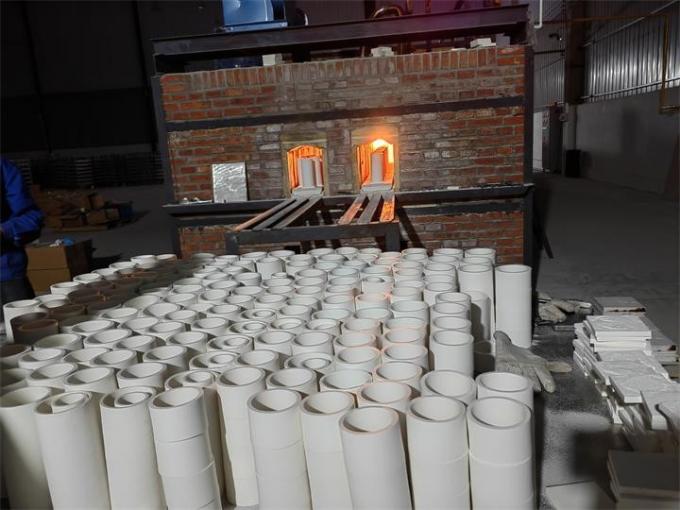
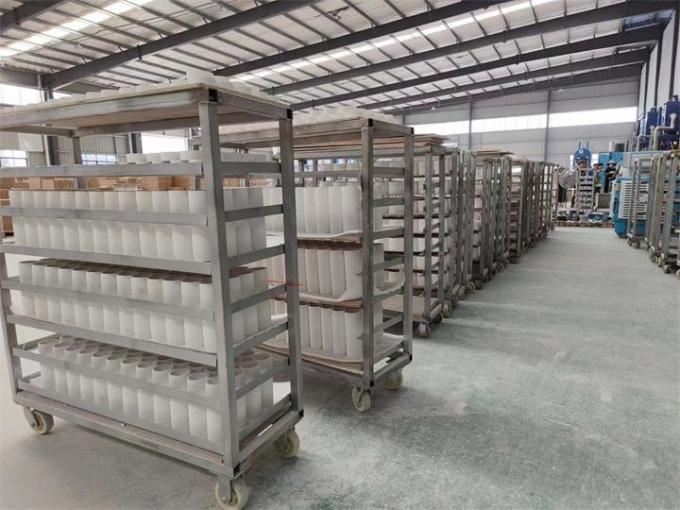
Explaining the mechanics behind combined ceramic wear protection and structural steel chassis.
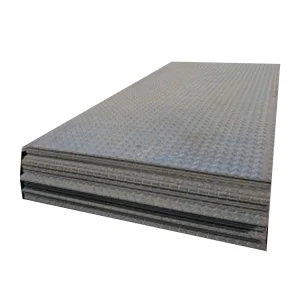
In heavy bulk solids handling, slurry transport, and mineral processing, components undergo severe degradation mechanisms. Standard structural steels (even hardened Q345 or AR500 plates) fail rapidly when exposed to continuous impingement, high shear forces, and chemical corrosives. Standard technical ceramics, while incredibly hard, are brittle and prone to structural failure under shock loading. Steel-ceramic composite assemblies solve this classic trade-off by combining the mechanical ductility and load-bearing properties of steel with the extreme hardness of technical ceramics.
To ensure these hybrid materials perform reliably in harsh environments, three primary bonding and installation techniques are used:
Selecting the correct ceramic matrix is critical for optimizing operating costs and system lifespan. Use this guide to match the right material to your application requirements:
| Ceramic Substrate | Key Characteristics | Primary Wear Mechanisms Checked | Ideal Application Examples |
|---|---|---|---|
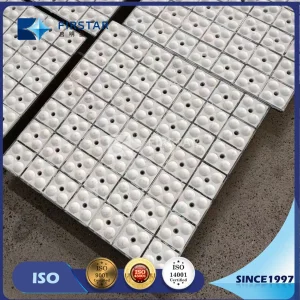
| 92% - 95% Alumina (Al₂O₃) | Cost-effective, highly versatile, excellent hardness. | Sliding abrasion, low-to-medium impact force. | Pneumatic conveying lines, limestone chutes, coal mill feed pipes. |
| Reaction Bonded Silicon Carbide (RBSiC) | Superior thermal shock resistance, extreme hardness, chemical inertness. | High-velocity slurry erosion, acid/alkali corrosion. | Hydrocyclone linings, desulfurization spray nozzles, mineral slurries. |
| Zirconia Toughened Alumina (ZTA) | Significantly improved toughness, micro-crack prevention. | Severe heavy-particle impact, high drop height wear. | Transfer chute landing plates, mining dump hoppers, crushers. |
Our engineering roadmap for developing next-generation composite wear materials.
Focusing on nanostructured grain refinement during sintering to produce high-density alumina tiles with virtually zero apparent porosity. Reducing porosity increases the material's resistance to grain pull-out and cavitation damage in high-speed slurry flows.
Developing high-temperature, modified polymers capable of operating at continuous service temperatures up to 250°C. This allows rubber-ceramic-steel composites to be used in hot flue gas ducts, fly ash hoppers, and cement clinker transport lines.
Integrating wear-detection sensor arrays into the ceramic lining structure. These built-in sensors monitor real-time wall thickness and wear rates, sending predictive alerts to plant control systems before a breakthrough occurs.
Custom-engineered systems designed to maximize operating efficiency and uptime across key sectors.
Iron ore, gold, copper, and coal extraction processes rely on hydrocyclones, chutes, and pipe fittings that can withstand continuous sliding wear. Our Q345 carbon steel hydrocyclones lined with silicon carbide and rubber-ceramic composite plates are engineered to handle aggressive tailings slurries, extending maintenance intervals from weeks to years.
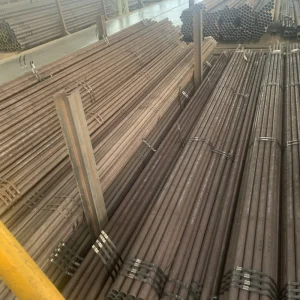
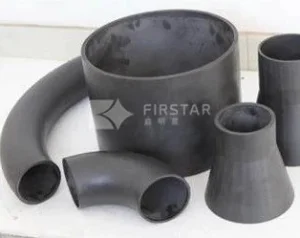
Pneumatic conveying of pulverized coal and abrasive fly ash can quickly erode standard steel elbows. Our pre-engineered, alumina-lined steel seamless pipes and custom bends are designed to resist high-velocity erosive wear, keeping boilers running reliably without unplanned outages.
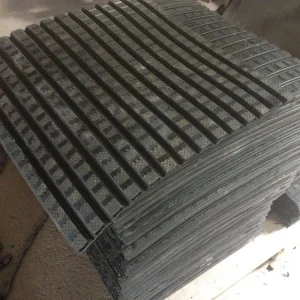
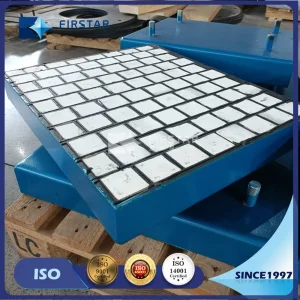
Clinker chutes, hopper bins, and vibrating screens face severe damage from high-velocity rock impact. Our wear-resistant rubber-ceramic-steel composite liners feature an energy-absorbing design that cushions heavy impacts, preventing ceramic fracturing while dampening operating noise.
Combining raw material access, advanced automation, and optimized logistics to deliver high-quality wear solutions worldwide.
Operating out of Zibo, Shandong, and Hunan, our production facilities benefit from direct access to premium-grade raw chemical components. Zibo is globally recognized as an industrial hub for high-purity alumina powders and advanced chemical synthesis. This localized supply chain minimizes transportation costs and ensures raw material consistency from batch to batch.
Our manufacturing facilities incorporate advanced production processes, including:
This localized, vertically integrated supply chain ensures rapid lead times, consistent quality, and competitive pricing for projects of any size.
From initial site assessment and engineering design to global shipping and after-sales support.
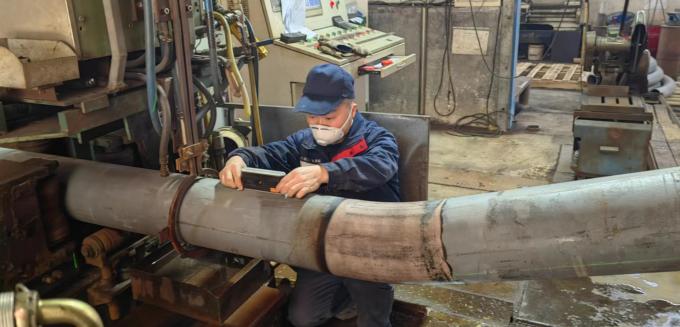
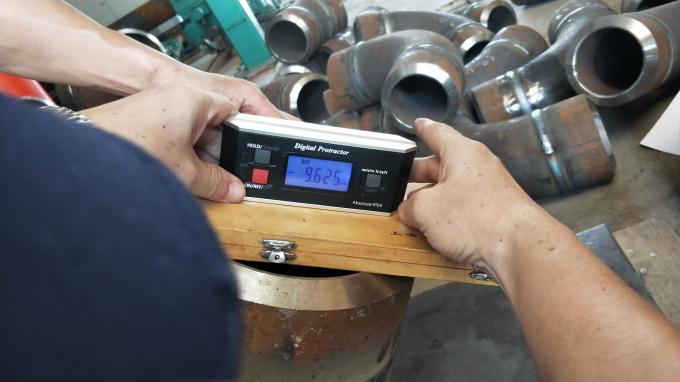
Our engineering team communicates closely with you to analyze your operating conditions—including chemical exposure, temperature, particle size, velocity, and impact angles. We then provide detailed material recommendations and custom project budget quotes.
Once the project scope is set, our CAD engineering team creates detailed drawings for your custom equipment. These drawings are submitted for your approval, ensuring all dimensions and bolt patterns align perfectly with your existing systems.
We provide comprehensive installation guides and digital technical support. For clients located in China, our technicians can be on-site within 48 hours to assist with installation, optimization, or troubleshooting.
Our composite assemblies are manufactured to meet global engineering standards. We verify tolerances, tensile strengths, and hardness ratings to ensure our materials perform reliably under demanding conditions worldwide.
Answers to common engineering and procurement questions regarding our wear-resistant composite products.
Our ISO 9001:2015 and ISO 14001 certified production lines ensure reliable, repeatable performance.
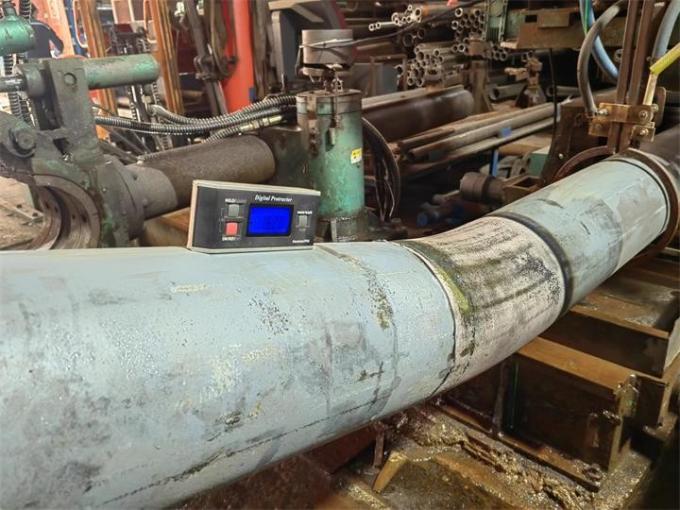
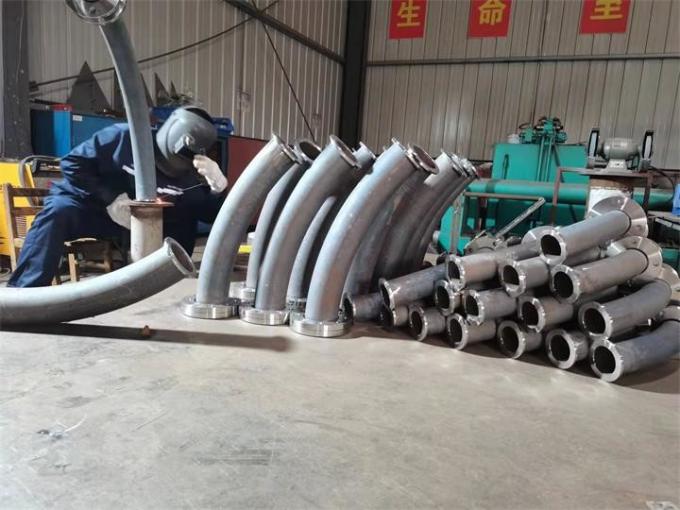
Explore our complete range of ceramic-lined steel bends, anti-wear tiles, and customized structural assemblies.
 Xingli Industrial Ceramics