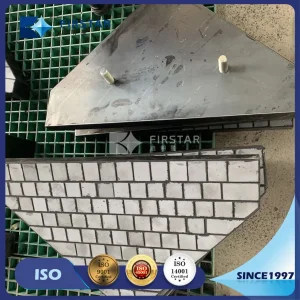
Discover the premier catalog of engineered industrial ceramic components and steel wear plates designed for high-stress applications.
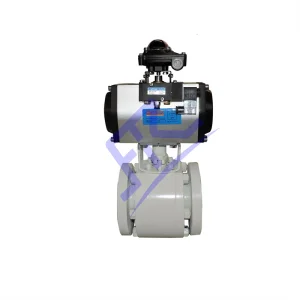
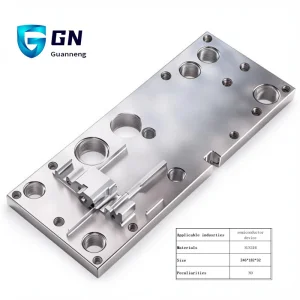
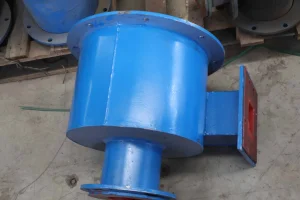
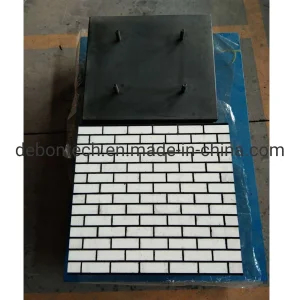
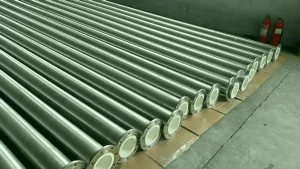
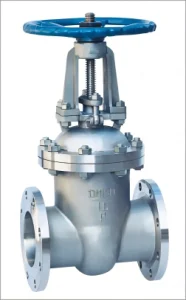
In heavy-duty material handling, transport conduits, chutes, and transferring ramps are constantly subjected to severe sliding abrasion, high-velocity particulate impacts, and corrosive environment degradation. Traditional structural alloys—even high-hardness varieties such as tempered carbon steels or chromium carbide overlays—often fail prematurely under the constant bombardment of minerals, ores, coal, and abrasive grain flows.
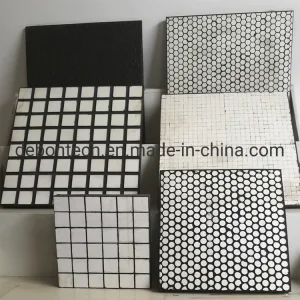
This technical failure led to the development of Ceramic-Lined Steel Ramps. By combining the exceptional tensile strength and structural flexibility of structural steels (like Q235 or Q345 carbon steel) with the hardness, chemical inertness, and wear resistance of sintered alumina, zirconia, or silicon carbide ceramics, engineers have developed a hybrid structure capable of extending operational lifespans by up to 10 to 20 times.
Modern material handling science highlights the importance of the impact angle. While raw steel deforms and undergoes shear degradation under low-angle sliding wear, ceramic composites exhibit near-zero wear rates under similar tribological conditions. The key is in the composite interface: advanced rubber vulcanization or epoxy-bonding compounds secure high-density alumina tiles to the steel backing, creating a system that dampens impact kinetic energy while providing a hard armor surface.
Deploying the appropriate ceramic formulation is critical. Below is the comparative matrix of the engineering ceramics used in industrial steel ramp linings.
| Material Classification | Al2O3 / SiC Content (%) | Bulk Density (g/cm³) | Vickers Hardness (Hv) | Fracture Toughness (Mpa·m1/2) | Max Operational Temp (°C) |
|---|---|---|---|---|---|
| Alumina Ceramic (92% Al2O3) | ≥ 92.0% | ≥ 3.60 | ≥ 1,050 | ≥ 3.7 | ≤ 1,300 |
| Alumina Ceramic (95% Al2O3) | ≥ 95.0% | ≥ 3.65 | ≥ 1,150 | ≥ 4.0 | ≤ 1,400 |
| Zirconia Toughened Alumina (ZTA) | ≥ 74% Al2O3 + 20% ZrO2 | ≥ 4.10 | ≥ 1,300 | ≥ 5.0 | ≤ 1,450 |
| Reaction Bonded Silicon Carbide (SiSiC) | ≥ 85% SiC | ≥ 3.02 | ≥ 1,400 | ≥ 4.5 | ≤ 1,380 |
Engineered for high sliding wear environments. Our 92% and 95% Alumina tiles are widely utilized in chute lining, silo hoppers, and conveyancing ramps where heavy particulate friction is standard.
Known as ZTA, this composite utilizes phase transformation hardening to absorb high kinetic energy impacts without catastrophic fracturing, making it ideal for large-lump drop zones.
Silicon Carbide elements deliver excellent slip characteristics and structural performance in hot pipelines or highly corrosive chemical transport pathways where acid-base mixtures degrade raw steel.
Integrating specialized powder metallurgy and advanced composite lining techniques to support global mining and metallurgical operations.
Established as a key enterprise in Zibo—the ceramic manufacturing hub of China—Zibo Xingli Industrial Ceramics Co., Ltd specializes in the production of industrial alumina ceramics, zirconia ceramics, and carbon-silicon products. Their technological portfolio focuses on:
Their advanced powder processing and high-pressure forming equipment ensure uniform density and zero structural voids in every ceramic tile produced, supplying reliable raw wear liners for integration into complex steel ramp arrays.
Operating under strict global compliance protocols, Hunan Yibeino New Materials Co., Ltd. has achieved the rigorous ISO9001:2015 Quality System Certification. Every phase of product design, manufacturing, and installation service is integrated into their ISO quality management workflow.
From raw chemical procurement to the production process and the final inspection before leaving the factory, Hunan Yibeino guarantees stable product performance. Their global footprint covers the United States, Germany, Sweden, India, Turkey, the Netherlands, Italy, Spain, Japan, South Korea, Russia, and Vietnam. Guided by their core principles of "integrity, hard work, innovation, and quality first," they provide robust wear protection services worldwide.
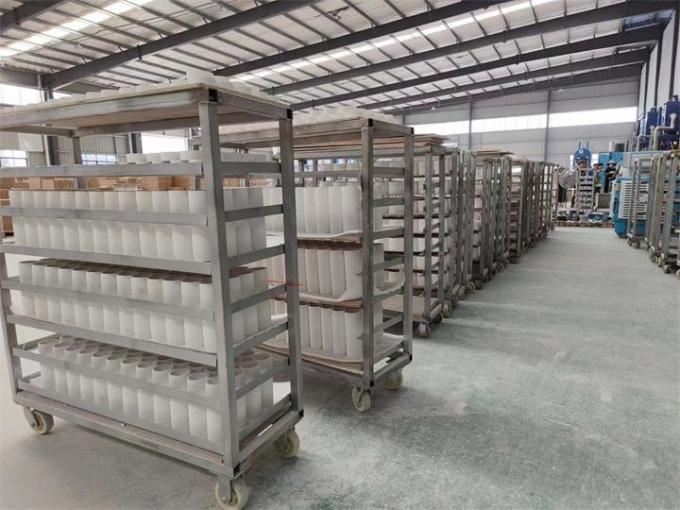
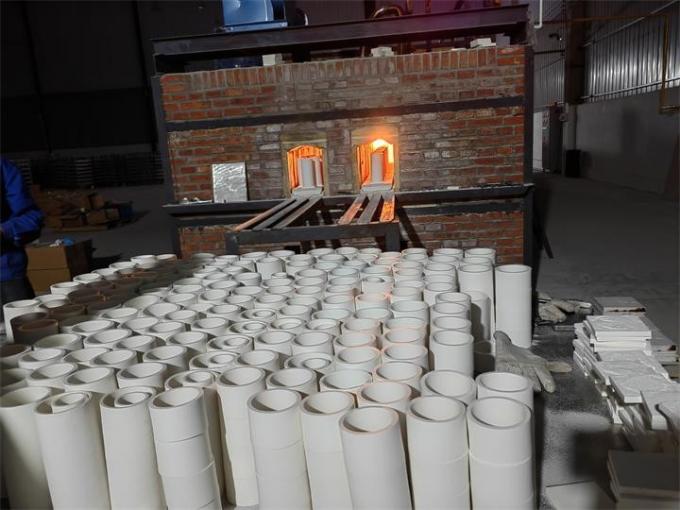
Sintering Furnace for Alumina Ceramics
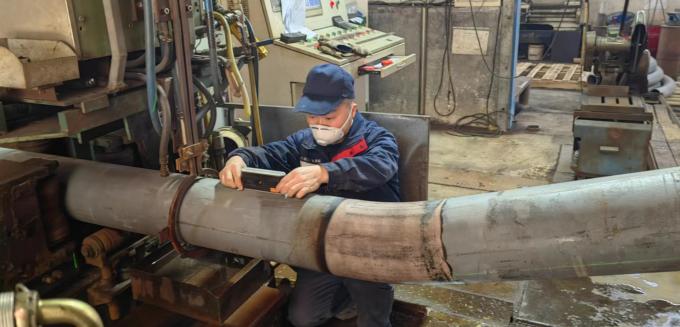
Automated Ceramic Bonding Inspection line
The production of industrial-grade ceramic-lined steel ramps requires high-precision metal fabrication alongside chemical ceramic processing. Chinese manufacturing centers have transitioned to Factory 4.0 systems, integrating computer-controlled sintering kilns, robotic tile placement systems, and advanced metallurgical welding.
By consolidating raw materials sourcing (Zibo's high-purity bauxite deposits) and steel production under unified domestic networks, these facilities offer strong supply chain resilience. This integration minimizes lead times and reduces production costs.
Advanced techniques such as computerized wear pattern analysis allow engineers to design variable-density linings. In high-wear regions of a steel ramp, thick ZTA ceramic blocks are utilized, while standard 92% alumina tiles are deployed in low-wear zones, optimizing cost and overall weight.
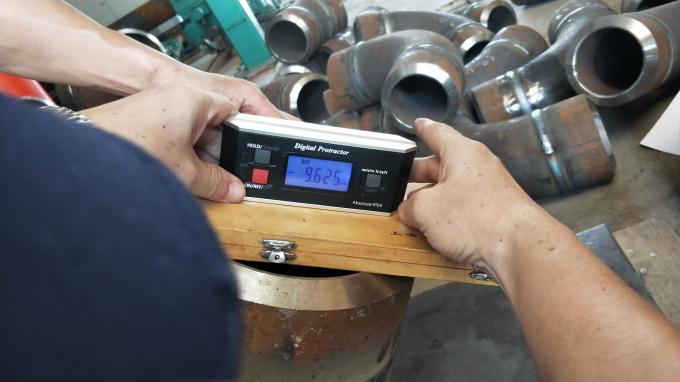
How bulk material processing sectors deploy ceramic-lined steel systems to eliminate unplanned downtime.
In metal mine processing, hydrocyclones, chutes, and classifier ramps handle sharp, high-density ore slurries. Standard steel components wear out rapidly, leading to frequent maintenance shut-downs. Replacing these parts with weldable alumina ceramic tile lined steel chutes ensures continuous plant operation.
Coal-fired power generation plants process thousands of tons of pulverized coal daily. Coal steel chutes and piping systems require smooth flow to prevent blockages. Ceramic-lined components provide a low-friction surface that prevents wet coal buildup and resists erosion from sliding coal particles.
Cement raw meal silos, hoppers, and air duct separators operate at elevated temperatures and experience high-velocity dust erosion. ZTA and Silicon Carbide liners maintain their physical integrity up to 1300°C, outlasting chrome-carbide overlays and structural carbon steel panels.
Innovation in the field of wear protection is demonstrated through patented designs. Our development teams have secured several industrial patents to address long-standing engineering challenges:
These proprietary developments help resolve issues with product clogging and premature structural failures in high-vibration mining applications.
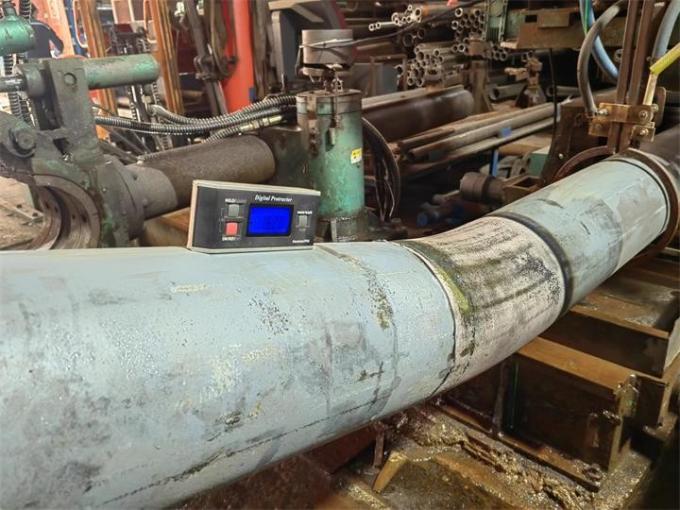
From preliminary system audit through customized CAD design to long-term operational maintenance.
Our application engineers conduct detailed on-site reviews or structural evaluations. We analyze operational wear parameters, velocity profiles, temperature limits, and chemical compositions before formulating a customized lining strategy and cost analysis.
Once equipment coordinates are established, we generate comprehensive 3D CAD/CAE models of the wear liners. Every tile, bolt anchor, and welded attachment point is mapped out, allowing the customer to verify fitment before fabrication begins.
We stand behind our materials. Our engineering representatives are available to travel to customer locations within 48 hours (in domestic regions) to assist with installation, adjustments, and wear evaluations, ensuring maximum equipment availability.
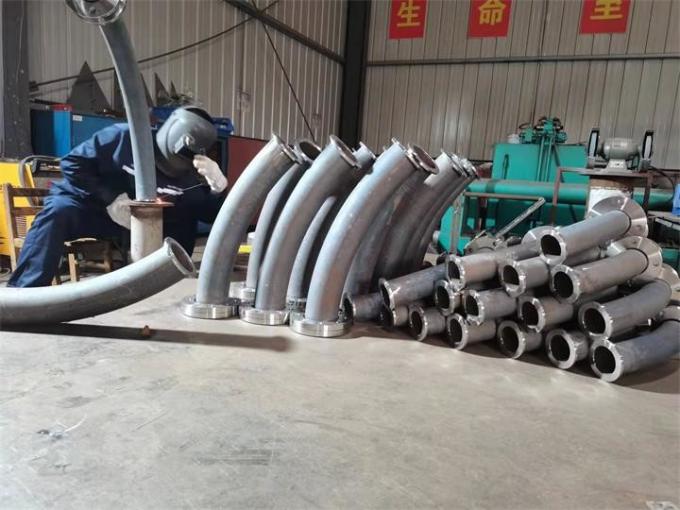
Inspecting Finished Ceramic Lined Pipe Segments
Both production centers are managed under the ISO9001:2015 Quality Management System and ISO14000 Environmental Management System standards. From the inspection of raw powders to structural integrity tests of welded backings, each stage of manufacture is logged to ensure full quality traceability.
Technical answers to help engineers select the correct wear-resistant linings.
Explore our technical assemblies, replacement parts, and wear lining accessories shipped to over 30 countries.
 Xingli Industrial Ceramics