🏢
Company Profile
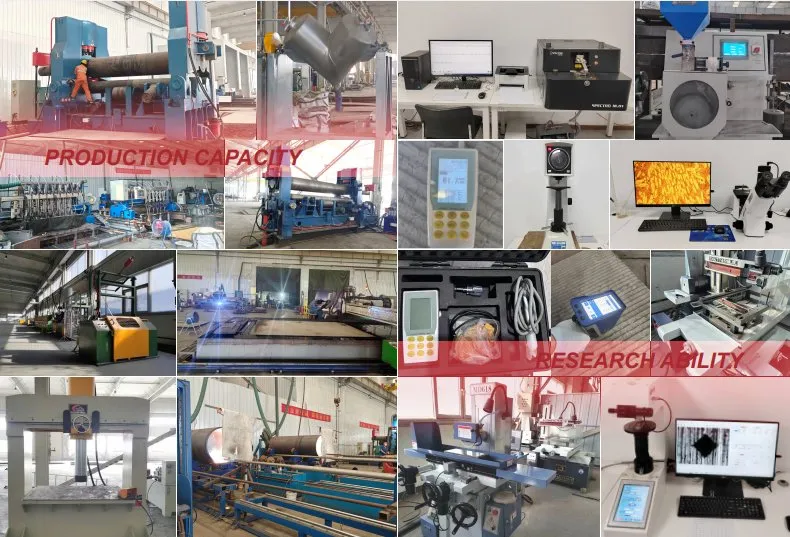
A high-tech company specializing in the production of chromium carbide overlay wear resistant plates, wear resistant ceramics, wear resistant castings, overlay wear pipes, welding wires and abrasion resistant steel plates. Products are resistant to wear, erosion, high temperature, stress, and impact. With a leading R&D team, we continuously develop professional wear resistant solutions to make products much more durable.
🛠️
Product Description
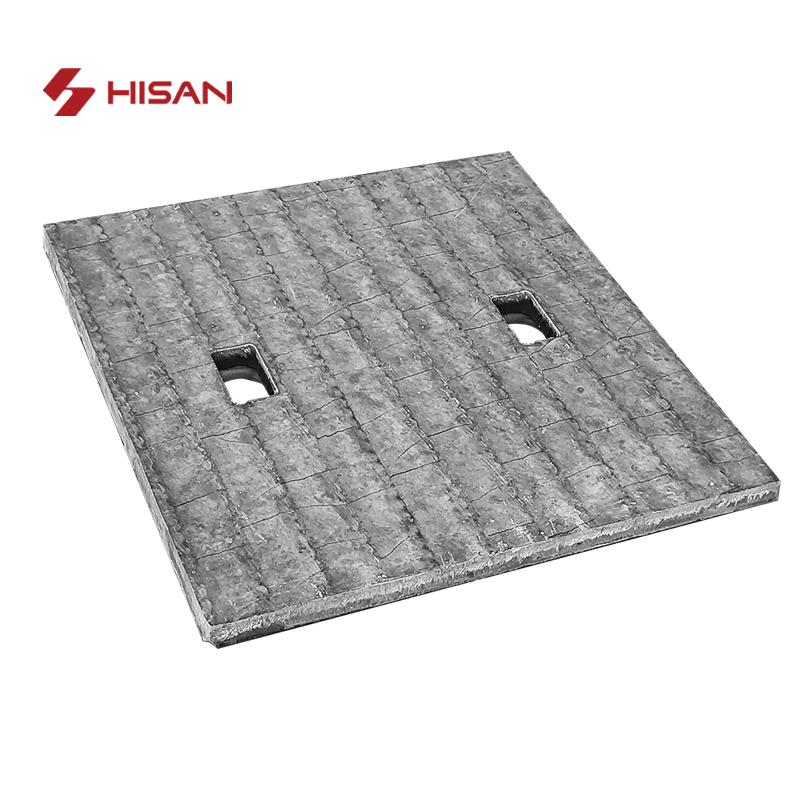
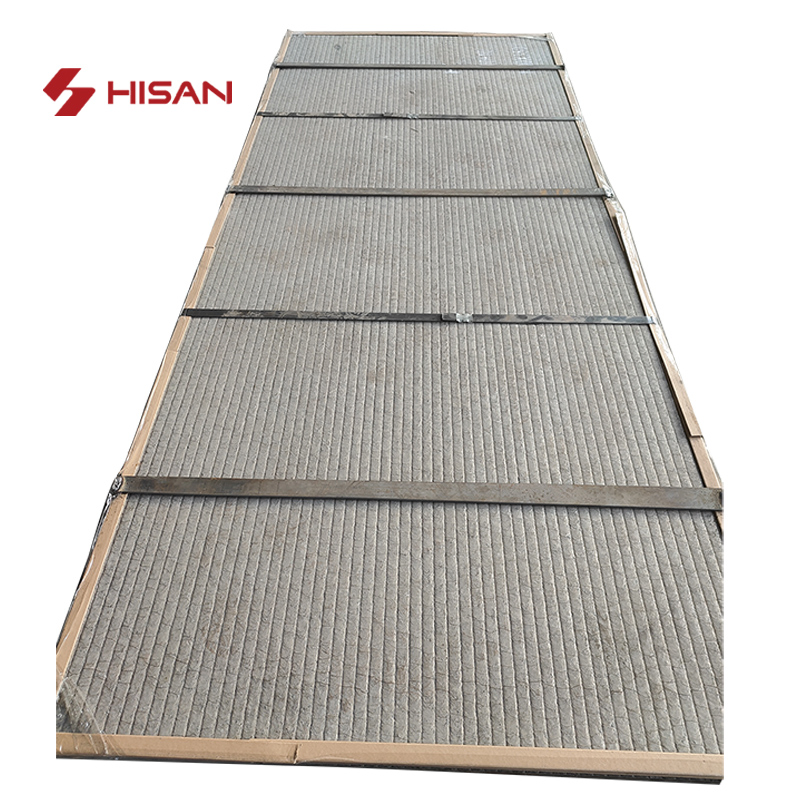
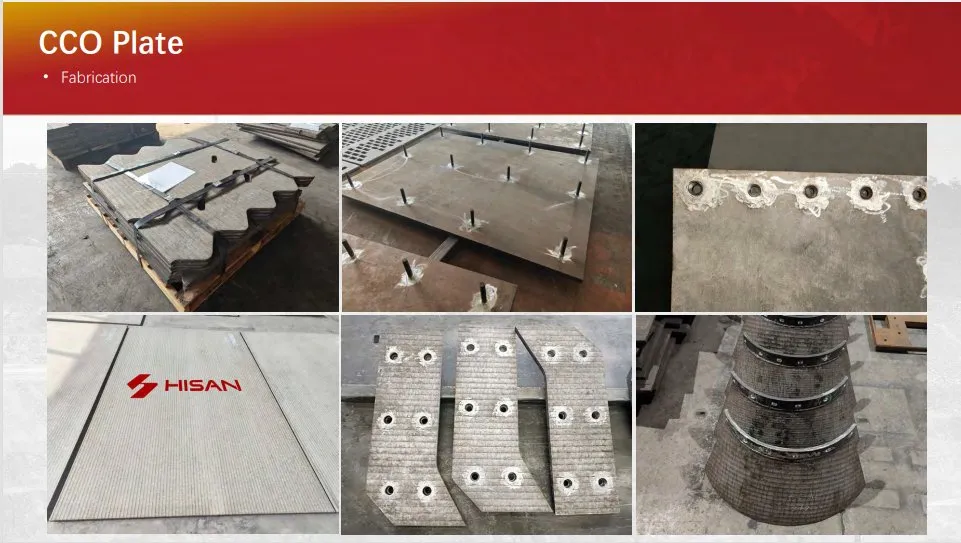
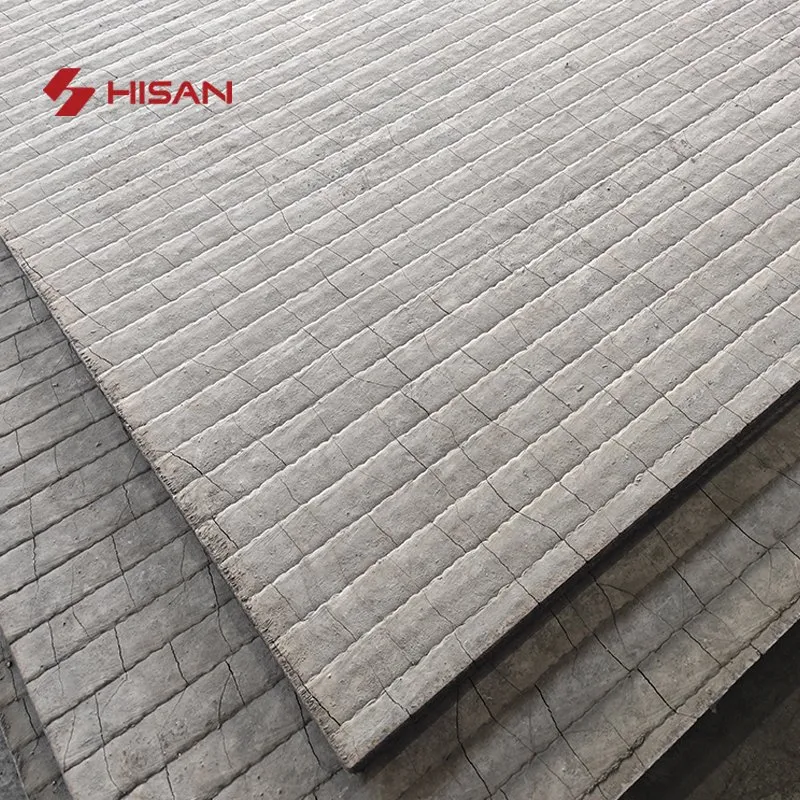
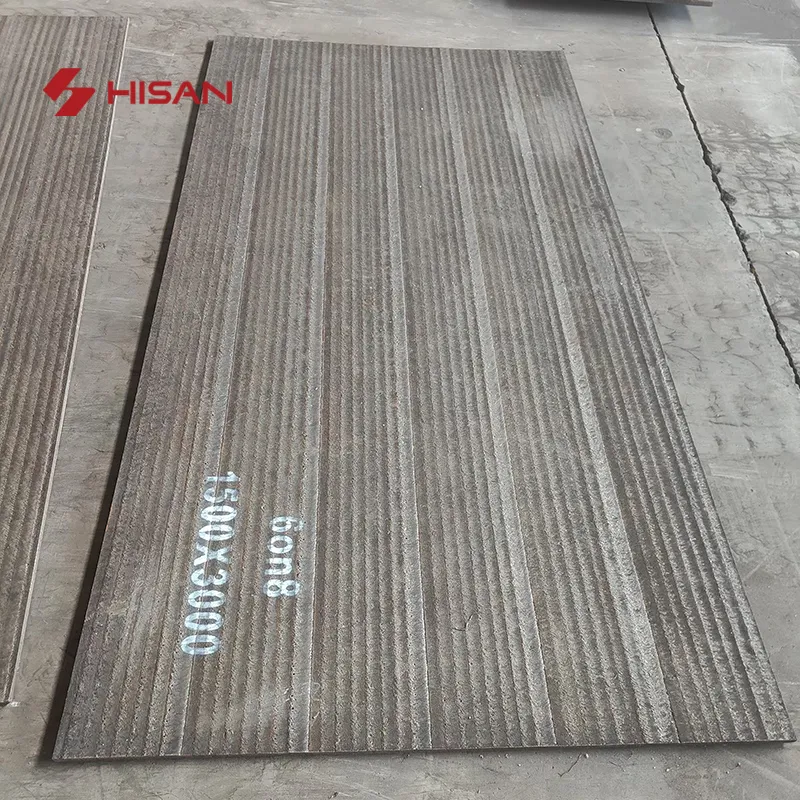
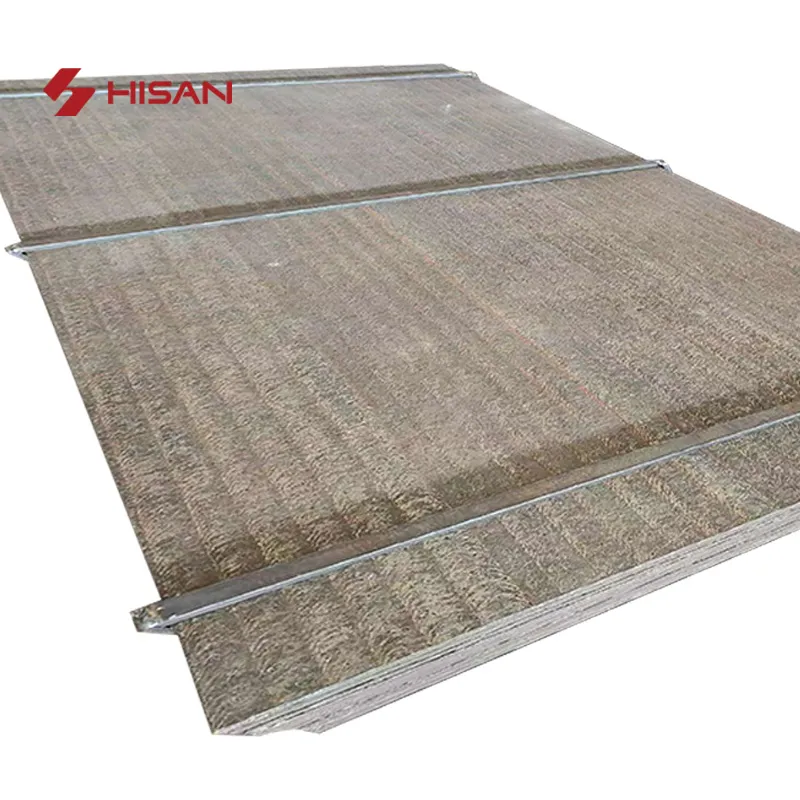
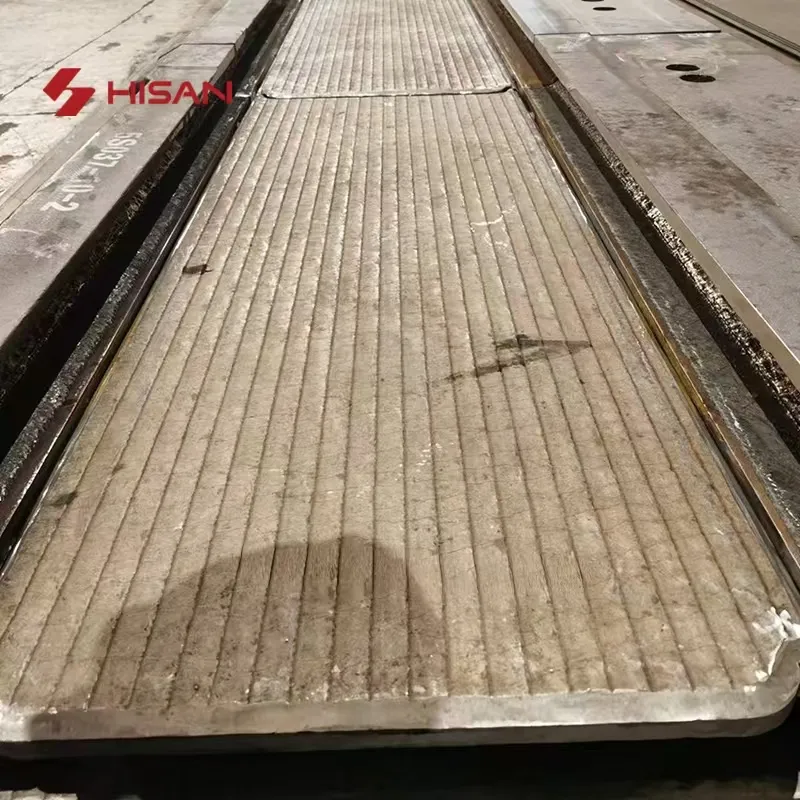
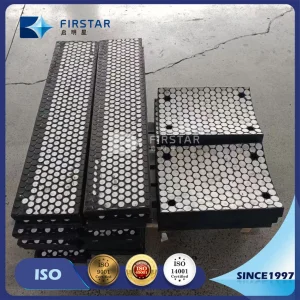
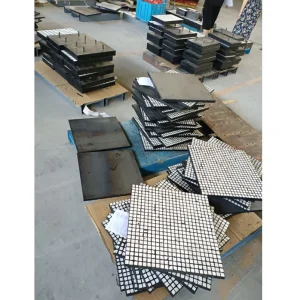
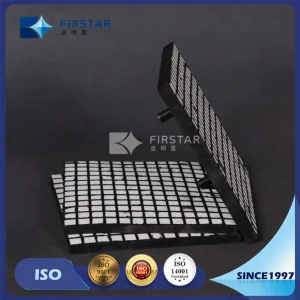
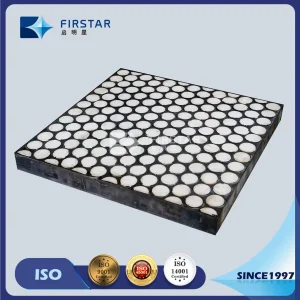
Cement Chute Feeder Cco Hardfacing Clad Wear Resistant Steel Hard Plate
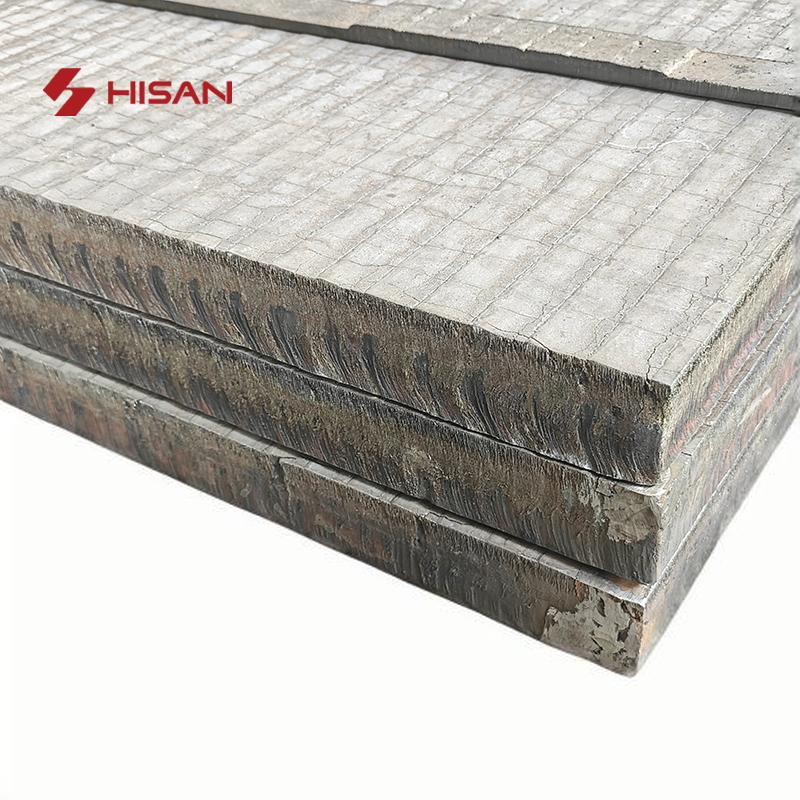
- Chromium carbide composite cladding fusion bonded to a mild steel backing material.
- Applied by submerged arc welding with oscillated welding technique.
- Plate hardness ranges from HRC58-65.
- Complex carbides maintain wear resistance in temperatures up to 600 °C (1100 °F).
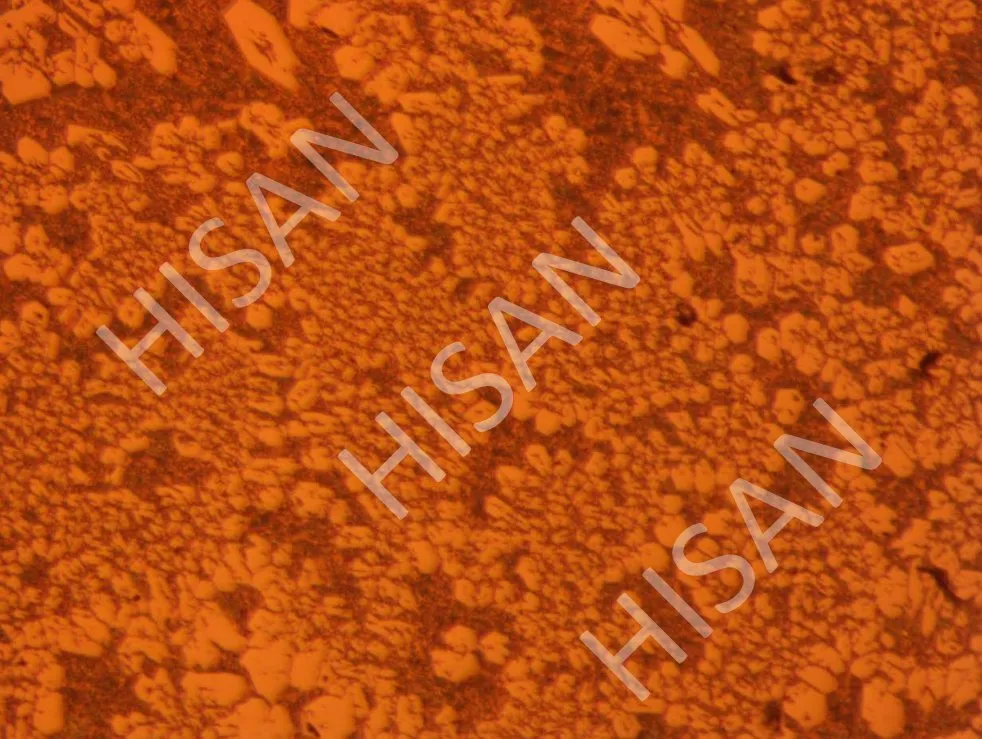
- High concentration of small carbides greatly improves toughness over standard plates.
⚙️
Technical Specification
| Thickness (backing + overlay) |
Standard Dimensions (mm) |
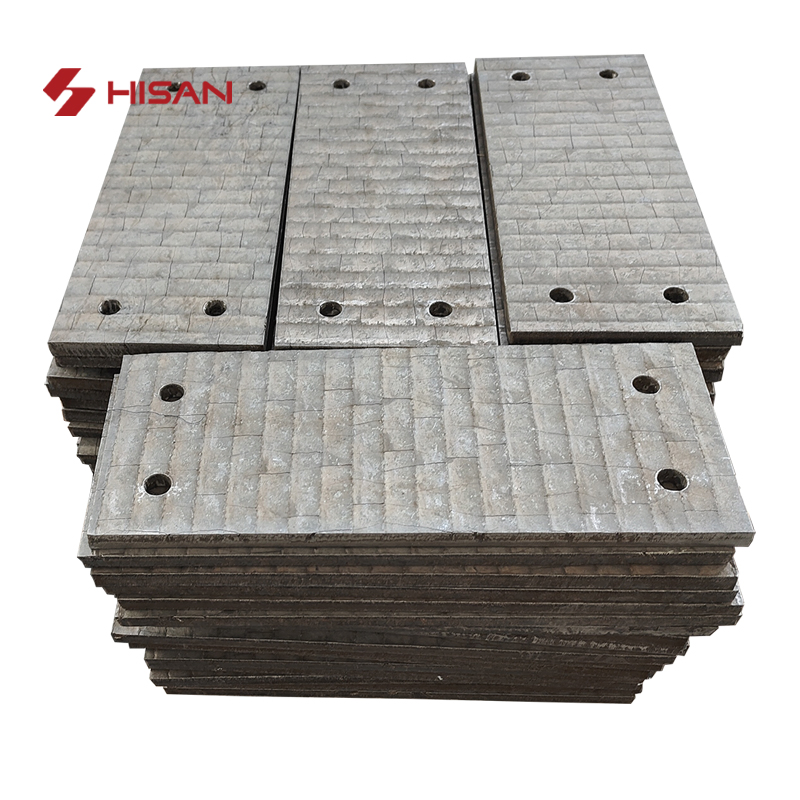
| 4+4, 5+5 | 1,400 x 3,000 |
| 6+6, 8+5, 8+8 | 1,400 x 3,500 |
| 10+10, 12+12, 20+30 | 2,100 x 3,500 |
🔬
Chemical Composition
| Carbon: 3.5-7.5% |
Chromium: 28-45% |
Manganese: 1.0-3.0% |
Silicon: 1.0-3.0% |
Note: Carbon and Chromium content varies based on plate thickness.
❓
Frequently Asked Questions
What is the hardness of the wear resistant plate?
The chromium carbide overlay plate achieves a hardness range of 58-65 HRC (600 BHN), which is approximately five times harder than unplated mild steel.
Can these plates withstand high temperatures?
Yes, complex carbide overlays are designed to maintain full wear resistance in temperatures up to 600 °C (1100 °F).
What base materials can be used?
Standard base material is Q235, but we can also use A36, NM400, SS316, or HARDOX450 depending on application requirements.
Is it normal for the hard surface to have fine cracks?
Yes, fine cracks perpendicular to the welding bead are normal; they result from natural stress relieving in the very hard matrix and do not affect performance.
How can the plates be cut or machined?
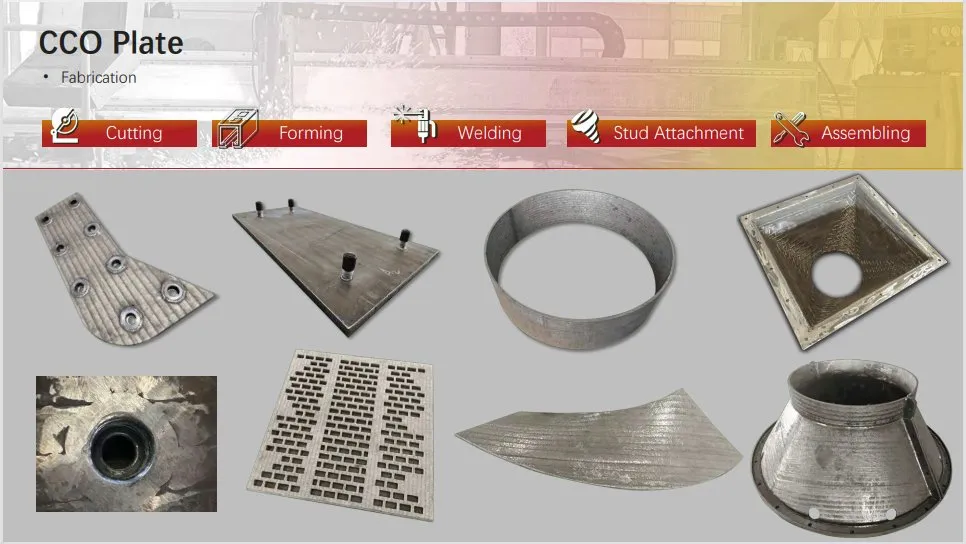
Plasma cutting is the recommended method. Due to extreme hardness, machining is not recommended, though the surface can be ground.
What are the typical applications?
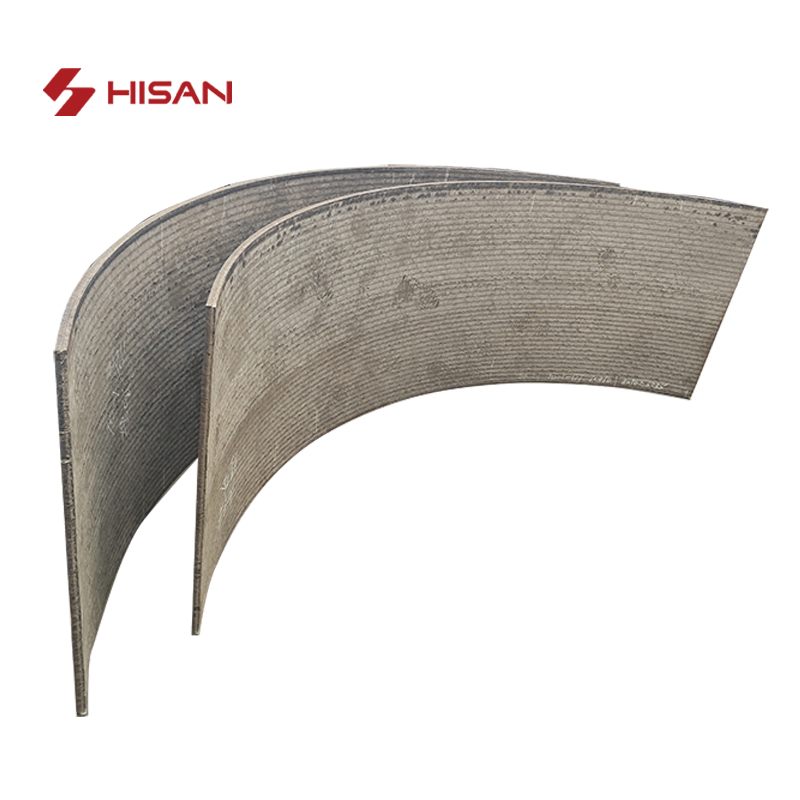
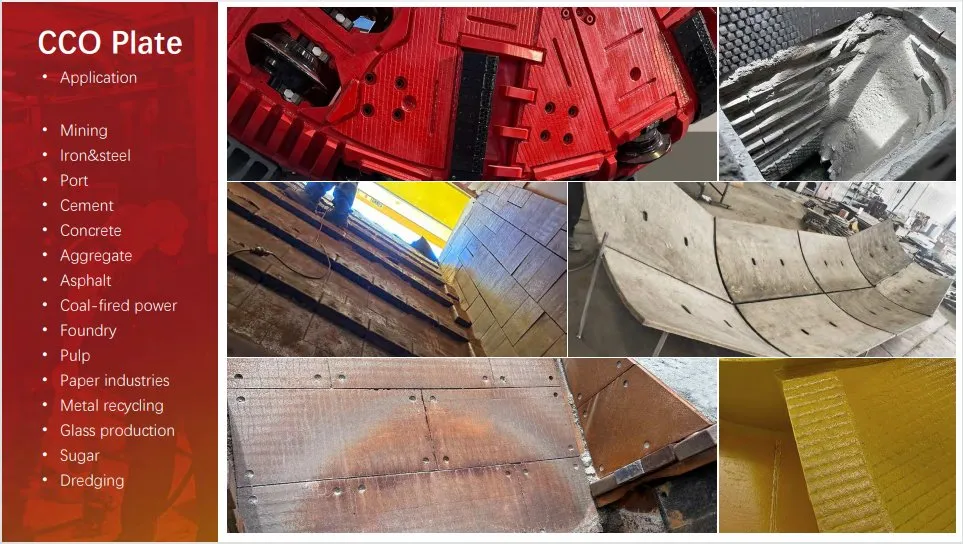
Typical applications include bin and hopper liners, slurry pipes, chute feeders, belt conveyors, and mining equipment.
 Xingli Industrial Ceramics