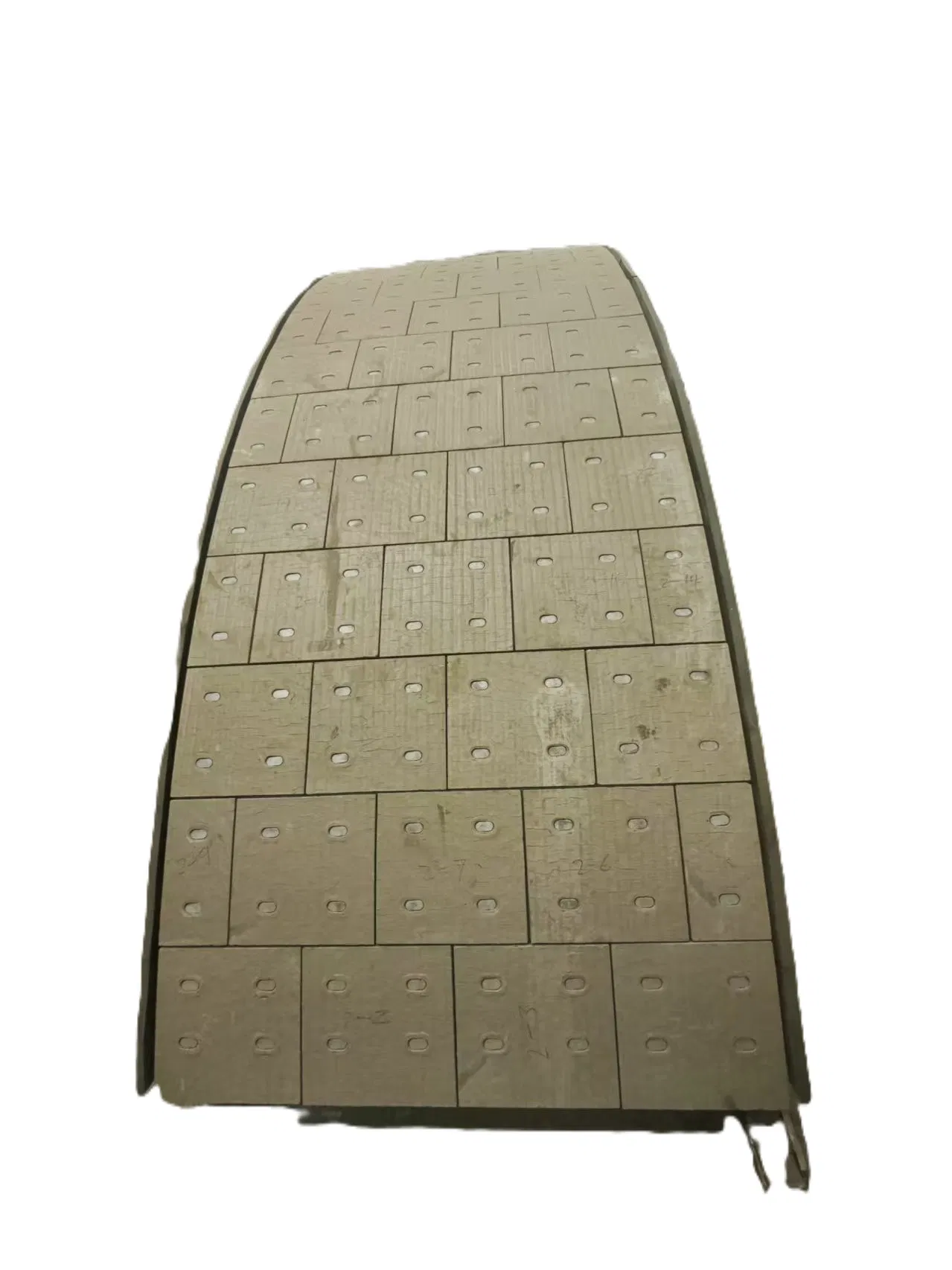
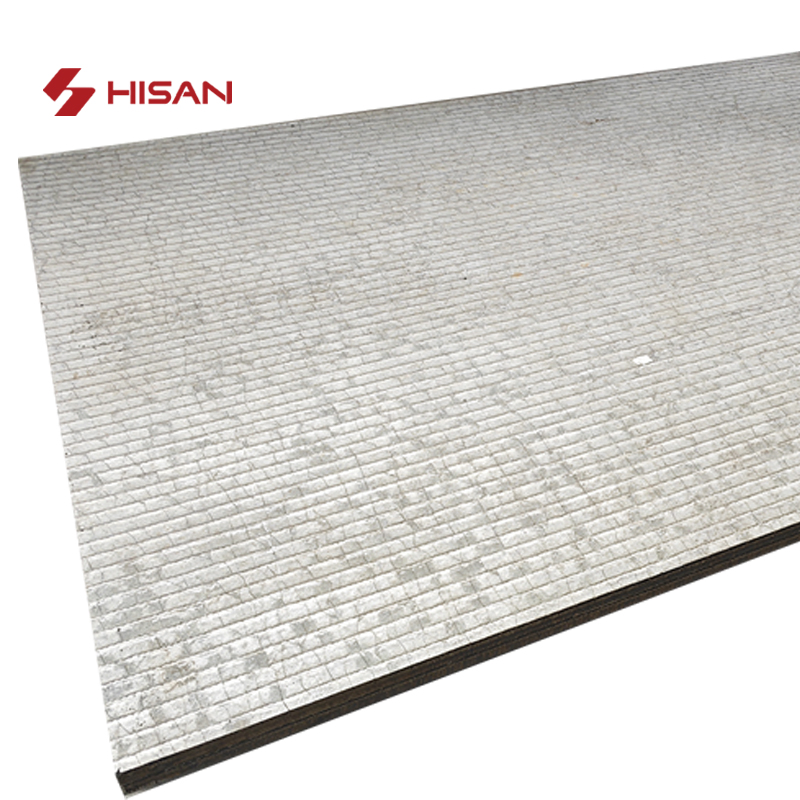
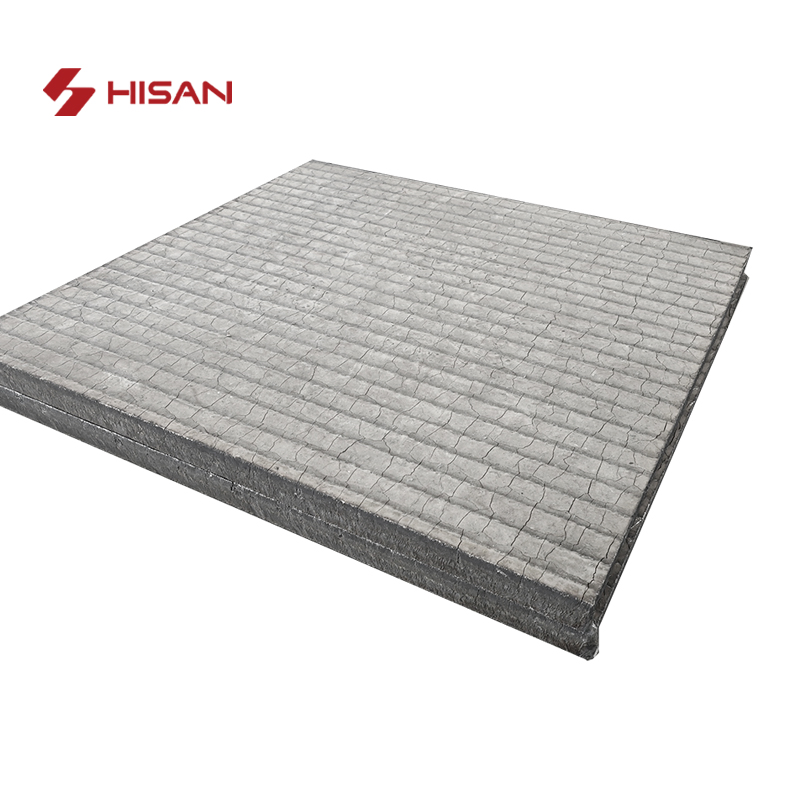
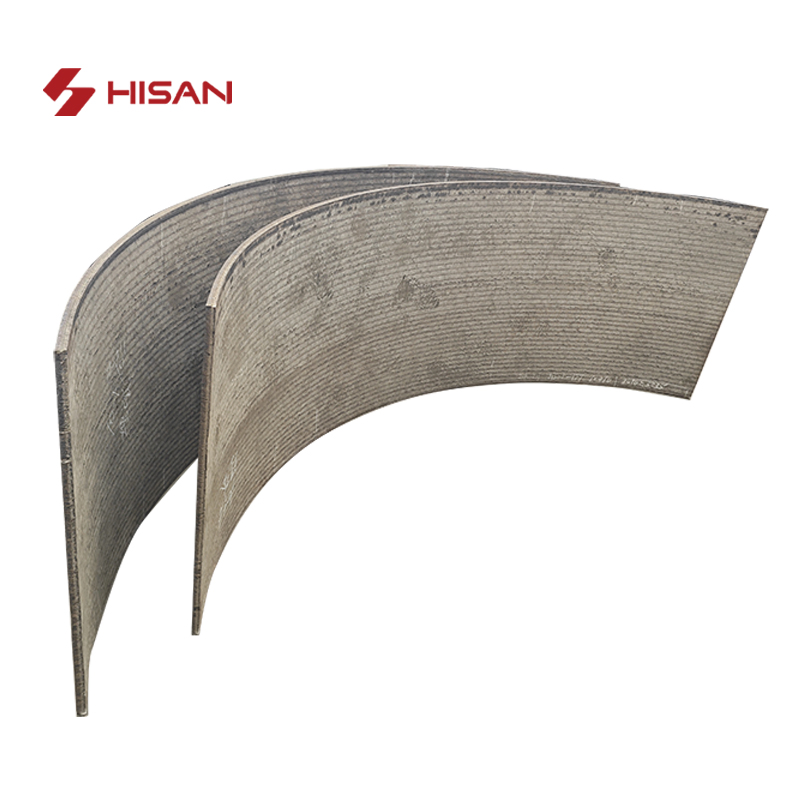
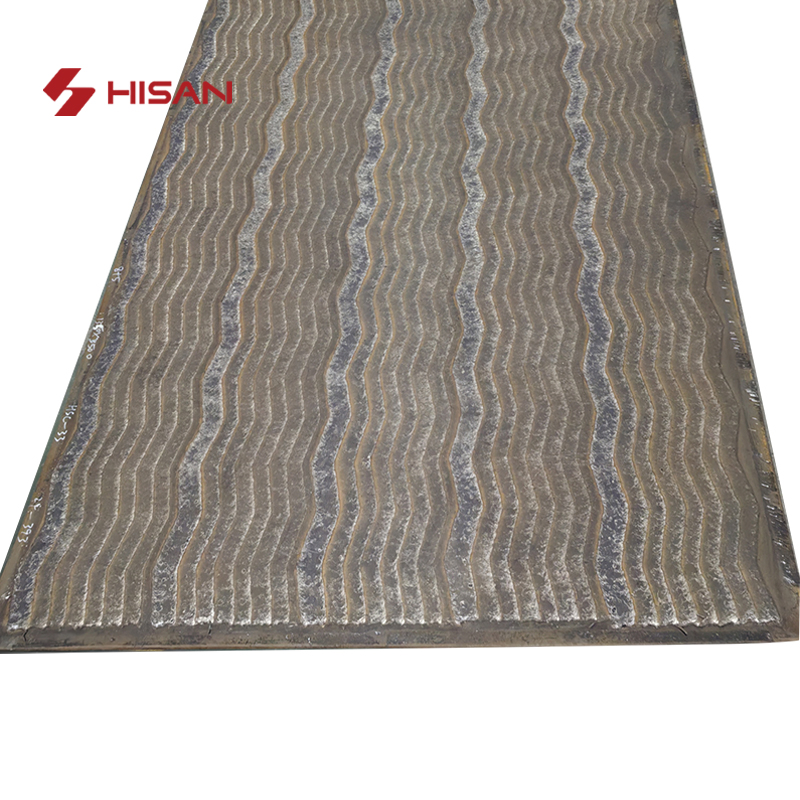
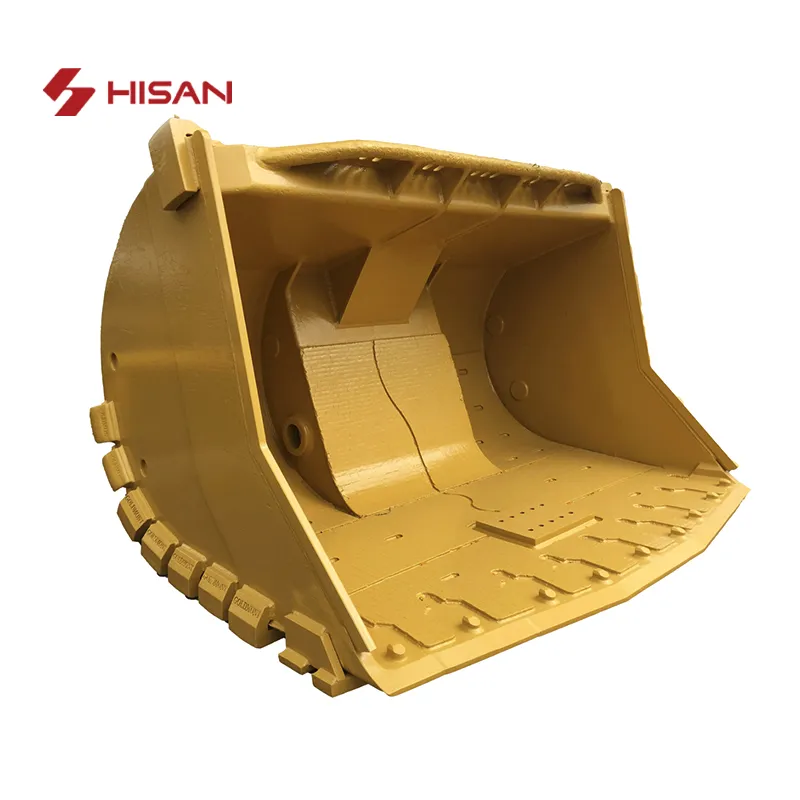
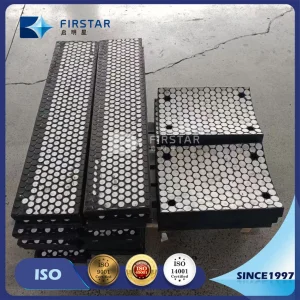
Hisan Bulk Material Handling Reclaimer & Stacker Conveying Chute Feeder Wear Liner Plate

Customization: Available
Standard: JIS, GB, DIN, BS, ASTM, AISI
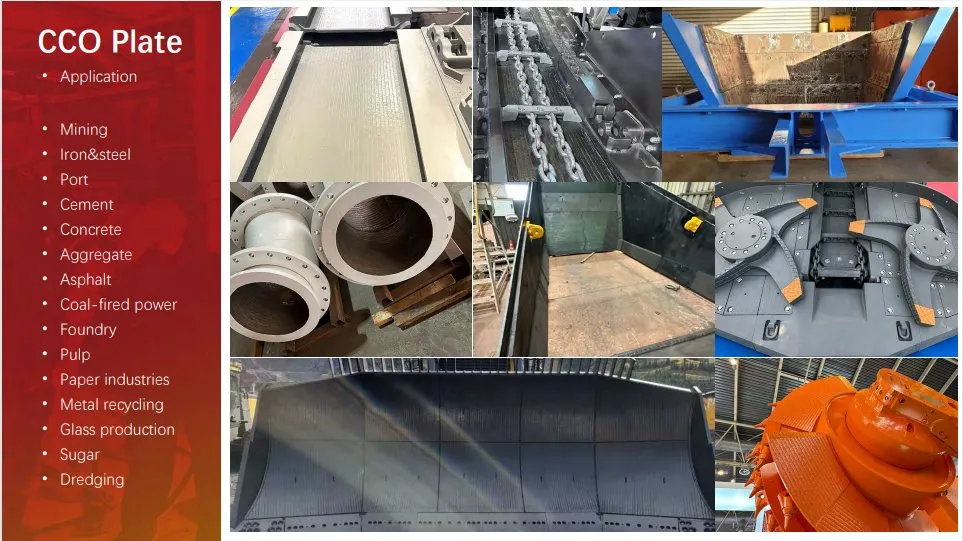
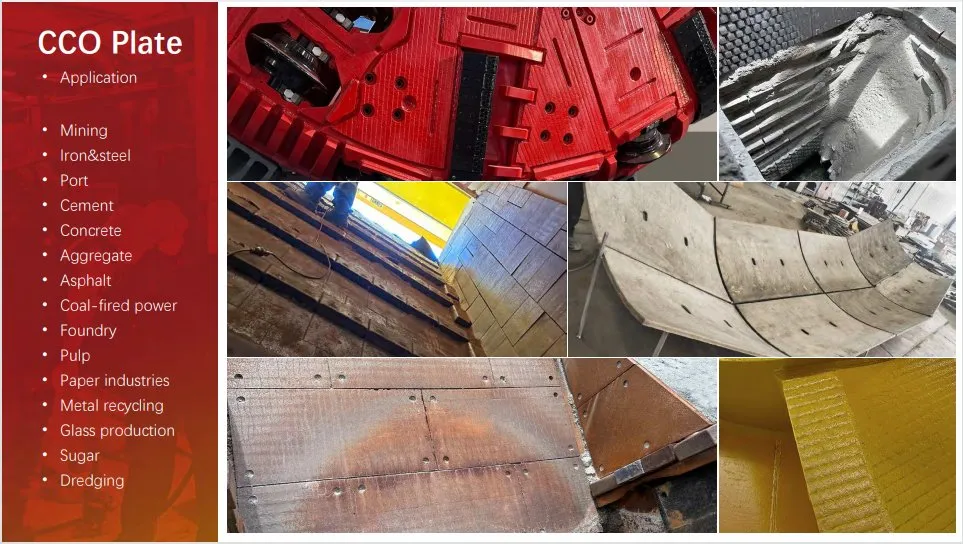
Application: Loader, Construction Machinery, Metallurgical Machinery, Cement Plant, Mining Machine, Thermal Power Plant, Coal Yard, Steel Plant

Product Description

Overview & Basic Info
Model NO.HS300
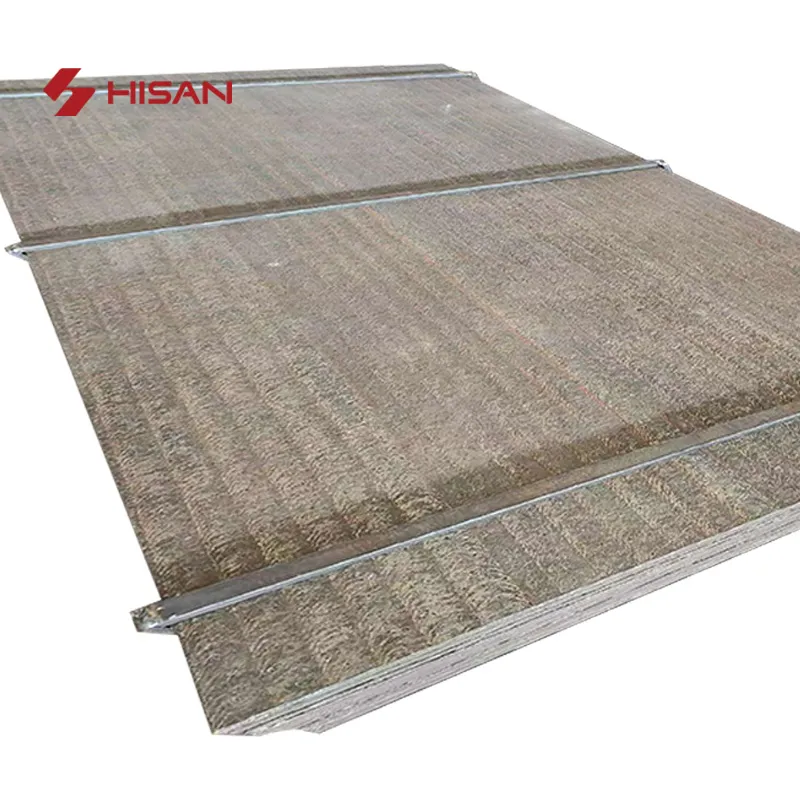
MaterialChromium Carbide Alloy
TypeWear Resistant Plate
Hardness58-63HRC
Thickness3+3, 6+6, 8+5, 8+7, 8+8, 8+9, 10+9, 10+10, 12+12
Base MaterialQ235, A36, Nm400, Hardox450, Weldable Materia
Flatness±3mm/M
TechniqueFcw, Saw
Fusion LineMetallurgical Bonding
Specification1400*3500mm
Company Profile
Wear Liner Plate
Conveying Chute Feeder
Material Handling

A high-tech company specializing in the production of chromium carbide overlay wear resistant plates, wear resistant ceramics, wear resistant castings, overlay wear pipes, welding wires and abrasion resistant steel plates. Products are resistant to wear, erosion, high temperature, stress, impact and other factors that cause wear. With a leading R & D team, technical barriers are continuously broken to improve products and develop more professional wear resistant solutions for durability under various working conditions.
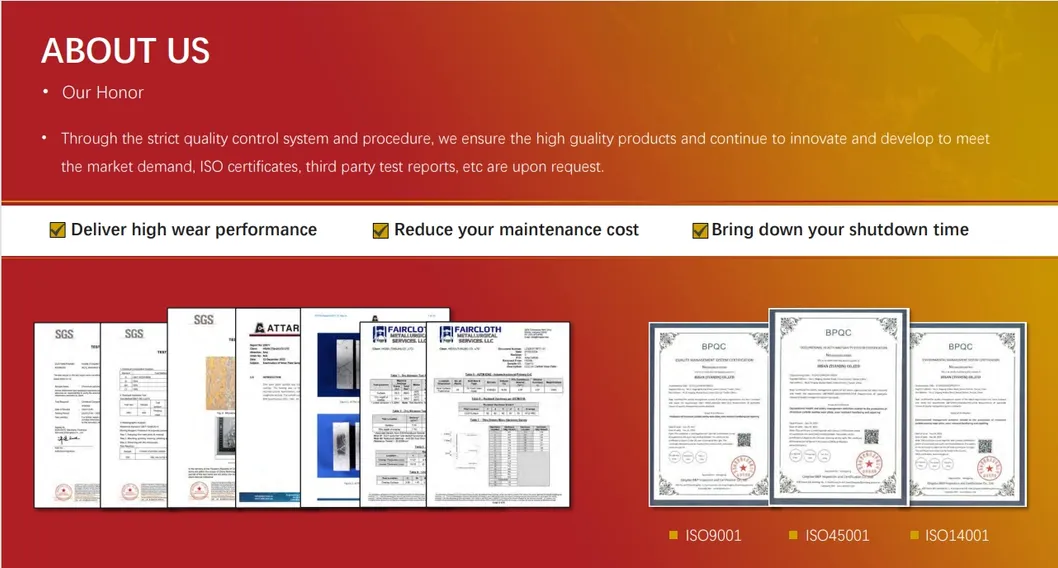
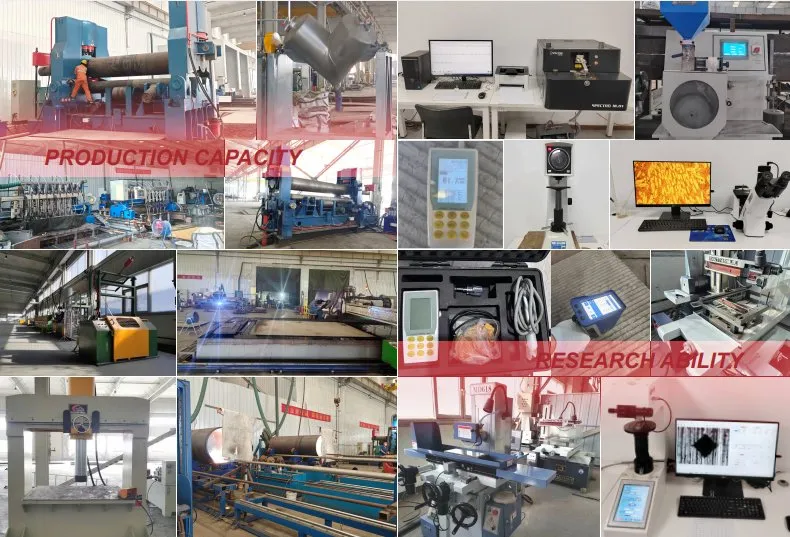
Production Facility
Wear Plate Solution
Professional Testing
Product Description

Bulk Material Handling Reclaimer & Stacker Conveying Chute Feeder Wear Liner Plate

Key Features:
  • Chromium carbide composite cladding fusion bonded to a mild steel backing.
  • Deposited via oscillated welding and submerged arc welding.
  • Hardness ranges from HRC58-65.
  • Maintains resistance in temperatures up to 600 °C (1100 °F).
  • SGS test reports, ASTM G65 Procedure A compliant.
Applications
  • Sliding and moderate impact wear from gravel, slurry, and sand.
  • Bin and hopper liners, slurry pipes and bends.
  • Chute and feeders liners, belt conveyors.
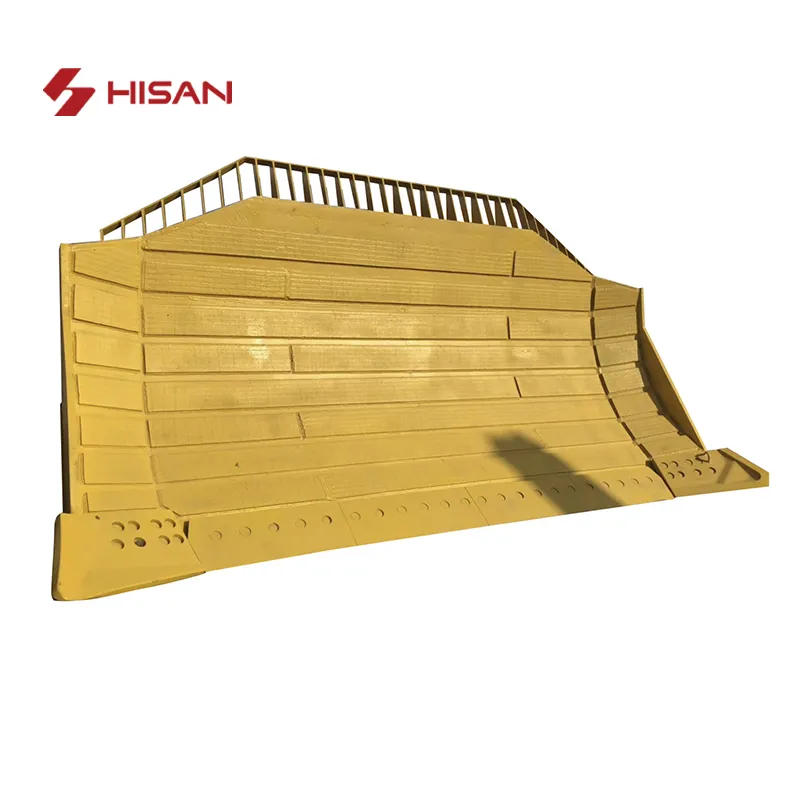
  • Dump truck bodies liner, mining and earth moving equipment.
Technical Specifications
Thickness (Backing + Overlay) Standard Dimensions (mm)
4+4, 5+51,400 x 3,000
6+6, 8+5, 8+6, 8+81,400 x 3,500
10+10, 12+12, 20+301,400 x 3,500 / 2,100 x 3,500
Carbon Silicon Manganese Chromium Iron
3.5-7.5% 1.0-3.0% 1.0-3.0% 28-45% Balance

Note: Carbon and Chromium content varies in different plate thickness.

Fabrication & Microstructure

Hardness: Achieves crystals reaching 600 BHN, five times the hardness of unplated mild steel.

Impact Strength: The cushioning quality of the base metal (A36, NM400, etc.) allows it to absorb severe impact without separating from the overlay.
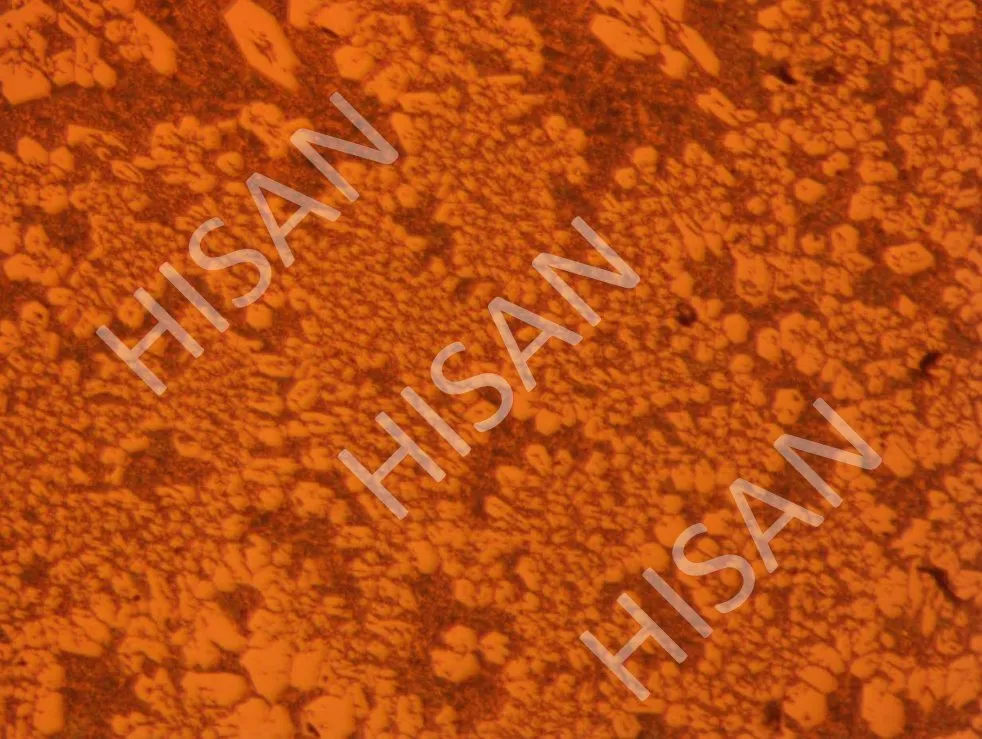
Microstructure Analysis
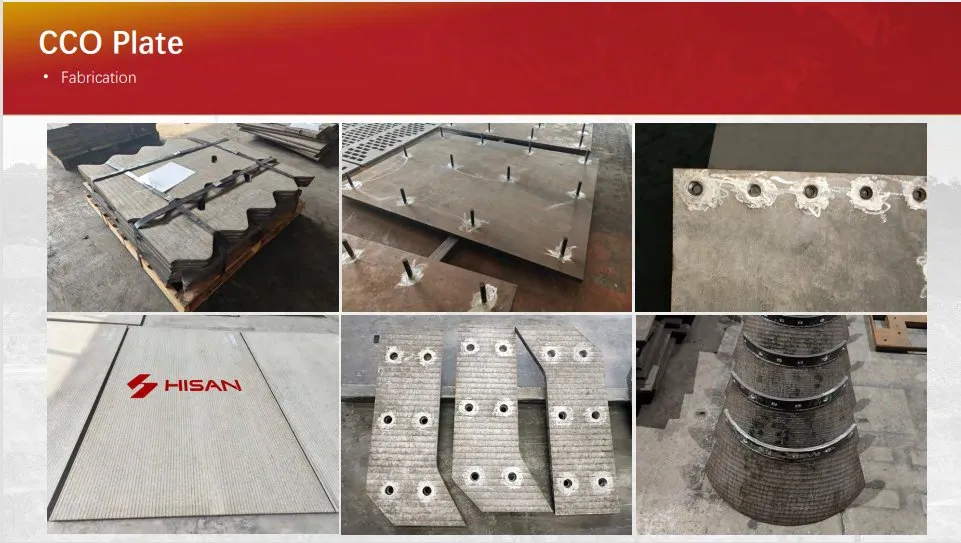
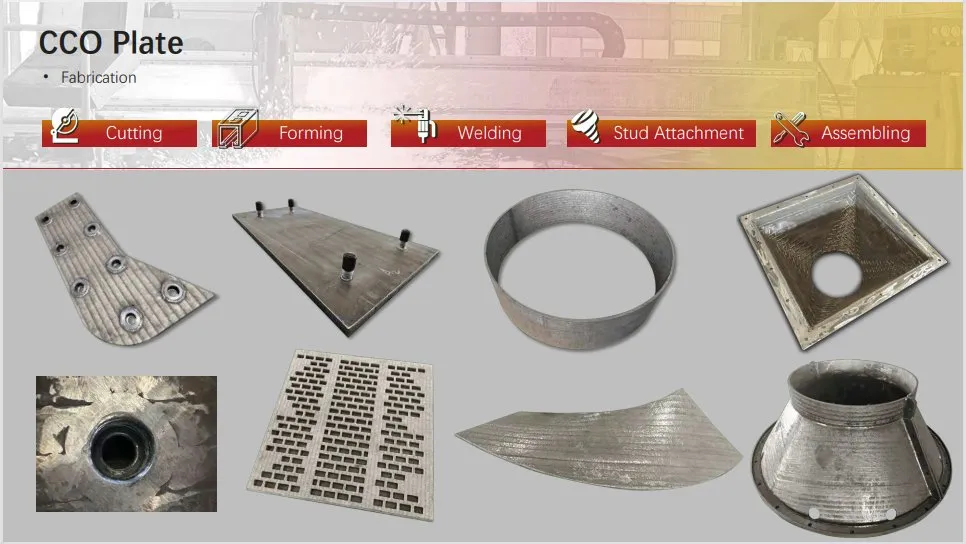
Fabrication Process

Processing capabilities: Can be cold formed or rolled (radius > 20x thickness), cut by plasma/waterjet/laser, and supports stud or joint welding.
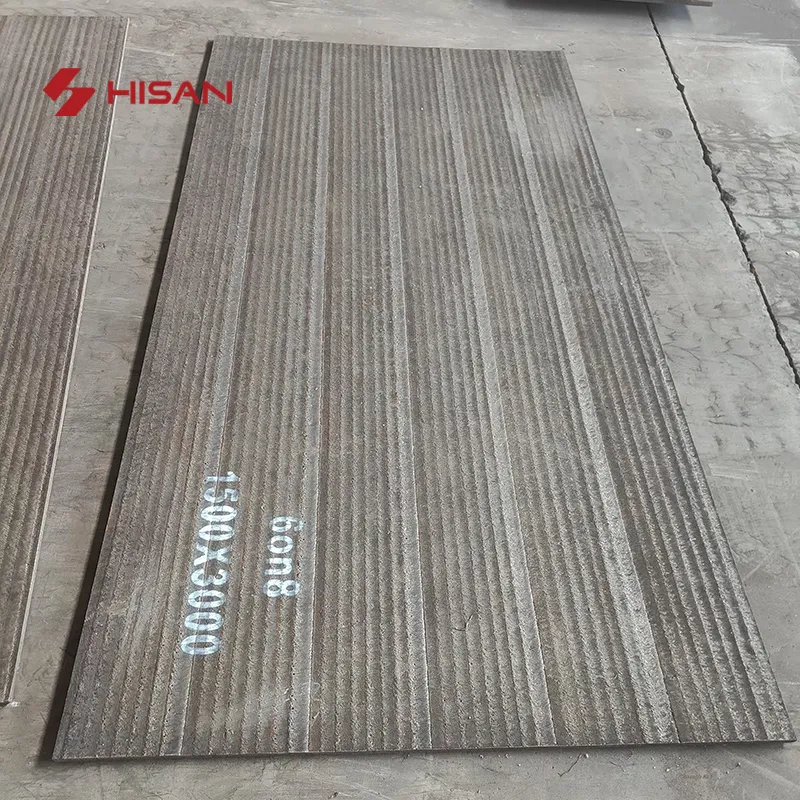
Detailed Photos
Detail 1
Detail 2
Detail 3
Detail 4
Detail 5
Detail 6
FAQ
What is the typical hardness of the wear plates?
The plate hardness typically ranges from HRC 58 to 65, providing excellent resistance against severe abrasion.
Can these plates withstand high temperatures?
Yes, complex carbide overlays can maintain full wear resistance in temperatures up to 600 °C (1100 °F).
What base materials can be used?
Standard base materials include Q235, A36, NM400, and HARDOX450, but any weldable material can be used upon request.
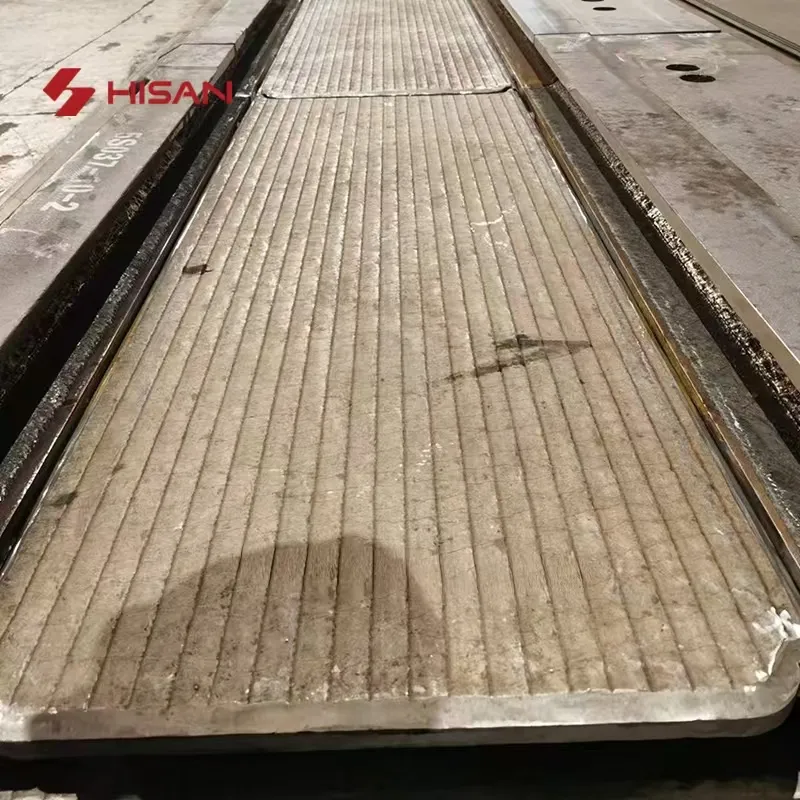
Is it normal to see fine cracks on the surface?
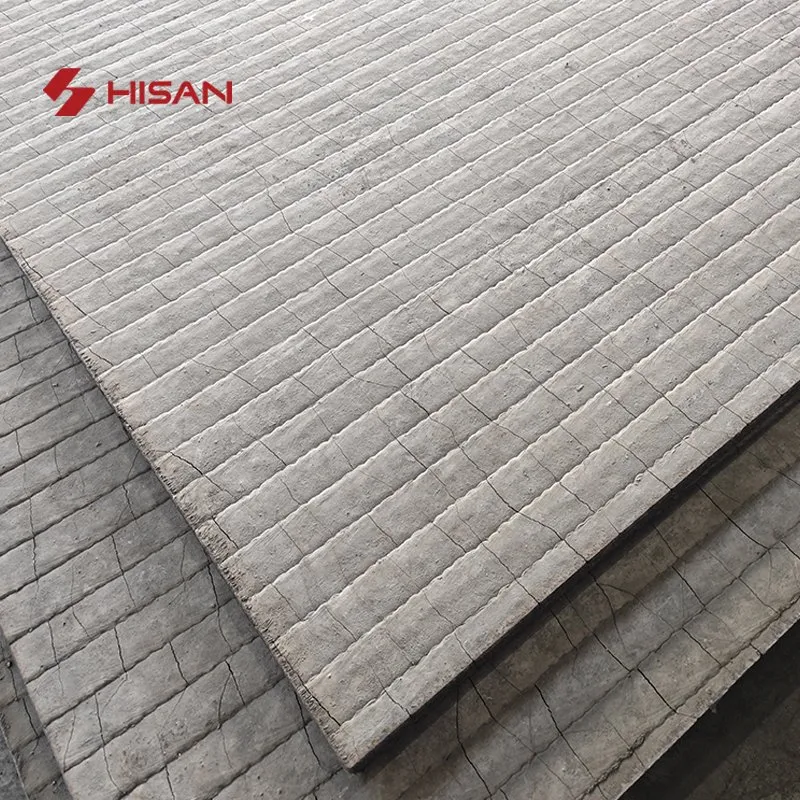
Yes, fine cracks perpendicular to the welding bead are normal and result from natural stress relieving in the hard matrix.
How can the plates be cut or machined?
Plasma cutting is the recommended method. Due to extreme hardness, traditional machining is not advised, though surfaces can be ground.
What is the benefit of the metallurgical bond?
The metallurgical bond ensures that the chromium carbide overlay remains securely attached to the base plate even under severe impact.

Related Products