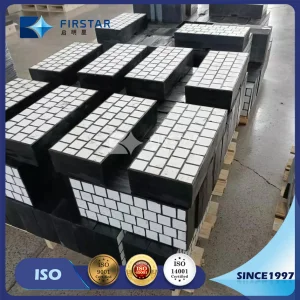
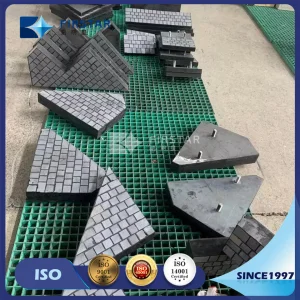
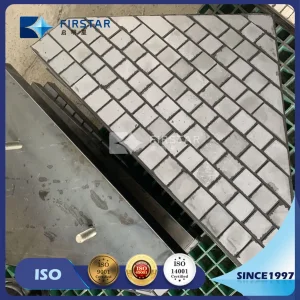
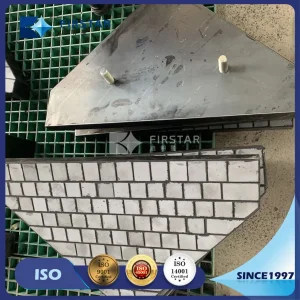
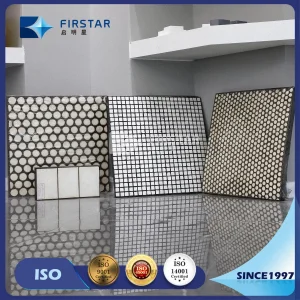
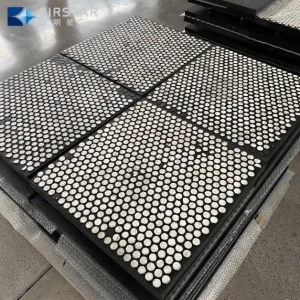
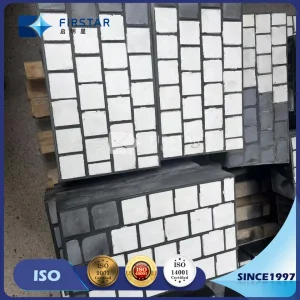
Engineered to withstand high-velocity coral sand slurry erosion, heavy impact, and aggressive sea-water corrosion.
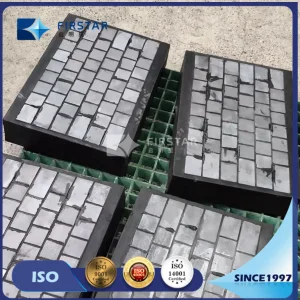
High-grade vulcanized matrix specifically configured to absorb impact while preventing galvanic seawater corrosion on underlying structures.
Technical Specifications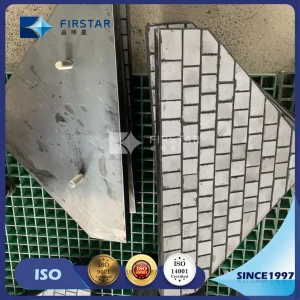
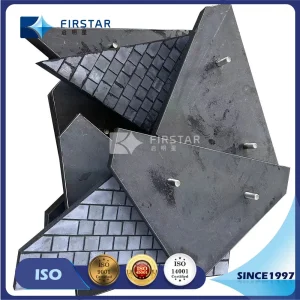
An optimized formulation utilizing high-purity reaction-bonded silicon carbide tiles to combat high-impingement transfer chutes.
Technical Specifications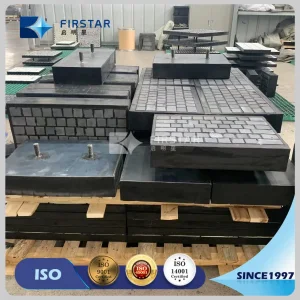
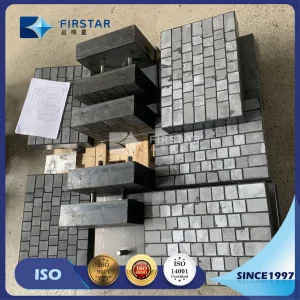
Superior wear-resistant plate featuring extreme chemical and friction resistance, perfect for heavy maritime mineral processing.
Technical Specifications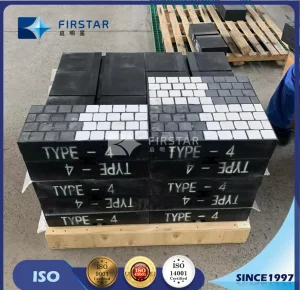
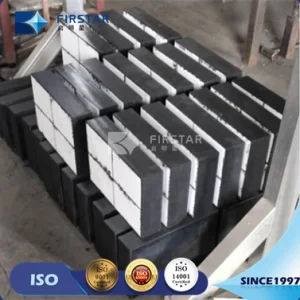
Designed for extreme wear conditions, matching advanced mechanical dampening with high-hardness technical ceramics.
Technical SpecificationsKiribati, a sovereign archipelagic nation in the central Pacific Ocean, presents a unique set of operating conditions for heavy machinery, civil engineering projects, and industrial systems. Comprising 32 atolls and one raised coral island (Banaba), Kiribati's economic and physical infrastructure is intricately linked to the marine environment. The predominant industrial activities in the region center on marine dredging for land reclamation, port operations in Tarawa, coral aggregate processing, and the maintenance of critical freshwater generation infrastructure, particularly desalination plants.
In these operations, equipment components face a combination of destructive forces: high-velocity slurry abrasion, solid particulate impact, and relentless electrochemical corrosion caused by saltwater. Standard wear materials, such as structural steel or hardened alloys, rapidly fail under these combined actions. The introduction of Steel-Backed Silicon Carbide (SiC) Ceramic Wear Liners marks a major technological advancement for the region. By combining the extreme hardness of silicon carbide tiles with the impact-absorbing properties of a vulcanized rubber matrix and the structural support of steel plates, industrial operators in Kiribati can achieve unprecedented equipment service lifetimes.
Historically, mining of phosphate resources on Banaba Island was the primary economic driver. Today, the focus has shifted toward building resilient infrastructure to mitigate environmental challenges. Tarawa's modern ports handle vast shipments of incoming dry goods, construction aggregates, and fuel. Conveyor transfer chutes, hopper bins, and discharge launders at these terminals are constantly bombarded by abrasive aggregates. Replacing worn-out metal chutes in remote locations like Kiritimati or Tarawa incurs massive logistics costs and downtime. Deploying maintenance-free, ceramic-lined wear components ensures continuous operational capability and secures the local supply chain.
Across the global bulk handling and mining sectors, there is a clear transition from traditional alumina (Al₂O₃) ceramics to high-purity Silicon Carbide (SiC) formulations, particularly Reaction Bonded Silicon Carbide (RBSiC/SiSiC) and Sintered Silicon Carbide (SSiC). Silicon Carbide exhibits superior mechanical, thermal, and chemical properties that make it uniquely suited to combat wear in coastal infrastructure.
The primary advantage of Silicon Carbide lies in its extreme hardness. Operating at 9.5 on the Mohs scale (approaching diamond's hardness of 10), SiC resists scouring and micro-cutting from abrasive coral sand, crystalline quartz, and granite aggregates. In slurry pipelines where particulates impinge on pipe walls at high velocities, SiC tiles remain virtually undamaged, maintaining the flow dynamics of the system and preventing localized wall-thinning.
| Property Matrix | Silicon Carbide (RBSiC) | Alumina Ceramic (95% Al₂O₃) | Carbon Steel (Q235) | Hardox 500 Alloy Steel |
|---|---|---|---|---|
| Mohs Hardness | 9.5 | 9.0 | 5.5 | 6.5 |
| Bulk Density (g/cm³) | 3.02 - 3.15 | 3.65 - 3.75 | 7.85 | 7.85 |
| Compressive Strength (MPa) | > 2200 | > 2000 | ~ 400 | ~ 1200 |
| Fracture Toughness (MPa·m1/2) | 4.5 - 5.2 | 4.0 - 4.5 | ~ 50 | ~ 45 |
| Corrosion Resistance (Acids/Alkalis) | Excellent (Inert) | Very Good | Poor | Moderate |
In addition to raw hardness, the synergy of the composite liner design plays a critical role. While raw ceramic is brittle and susceptible to fracture under perpendicular high-impact loads, vulcanizing the SiC tiles into a dense, high-elasticity natural rubber bed allows the liner to absorb and dissipate impact energy. The steel backing plate provides structural rigidity and serves as the mounting interface, enabling secure welding or stud-bolting to host structures like chutes, hoppers, and launders. This three-in-one system prevents cracks from propagating through the ceramic layer, offering a balance of impact absorption and wear resistance.
Zibo Xingli Industrial Ceramics Co., Ltd & Hunan YIbeino New Materials Co., Ltd
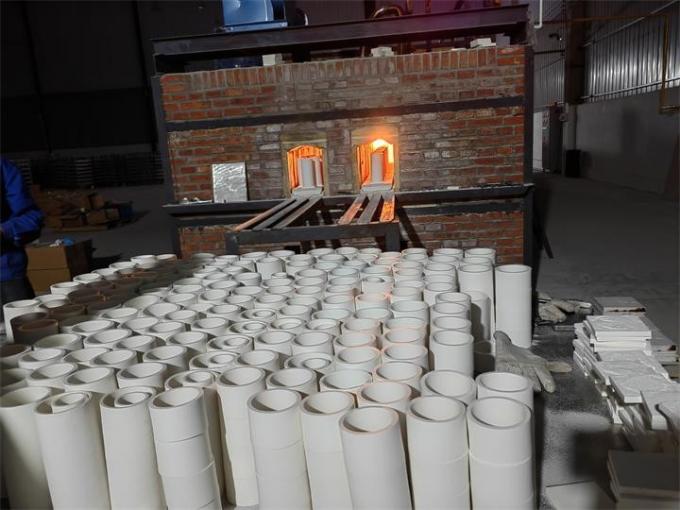
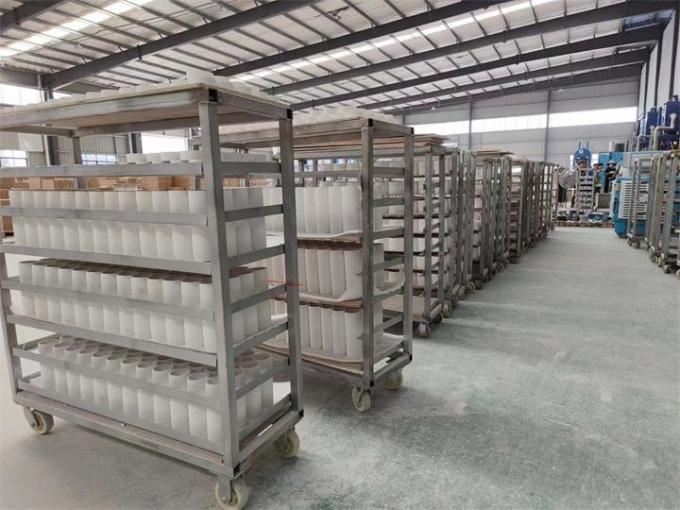
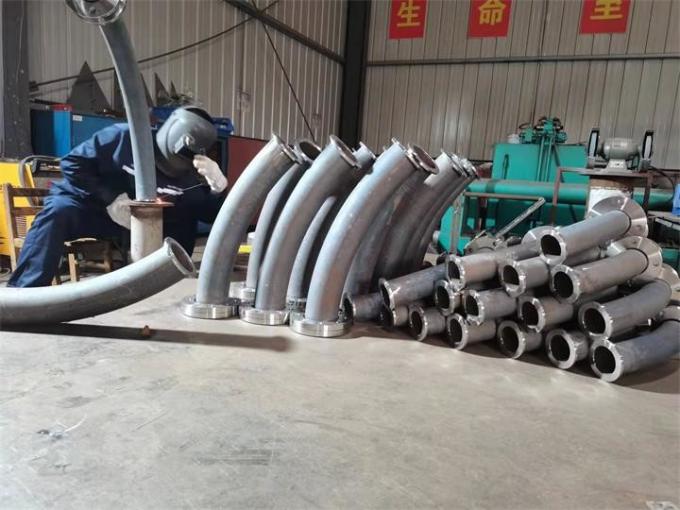
Zibo Xingli Industrial Ceramics Co., Ltd is a premier manufacturing enterprise specializing in the high-temperature synthesis and precise machining of industrial alumina ceramics, zirconia ceramics, and advanced carbon-silicon products. With a core focus on heavy industrial applications, the company supplies robust wear solutions globally. The product portfolio includes wear-resistant ceramic ball grinding media, premium alumina linings, complex ceramic wear liners, pre-engineered ceramic pipes, and high-purity inert alumina balls for petrochemical catalyst support.
Operating in close collaboration, Hunan YIbeino New Materials Co., Ltd. has established a global footprint, maintaining certification under the rigorous ISO 9001:2015 Quality Management System and ISO 14000 Environmental Management System. The integration of product development, raw material formulation, structural design, and precision manufacturing ensures that every liner meets global engineering standards before leaving the factory floor.
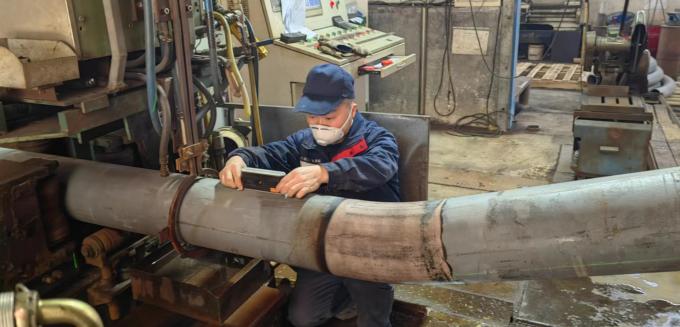
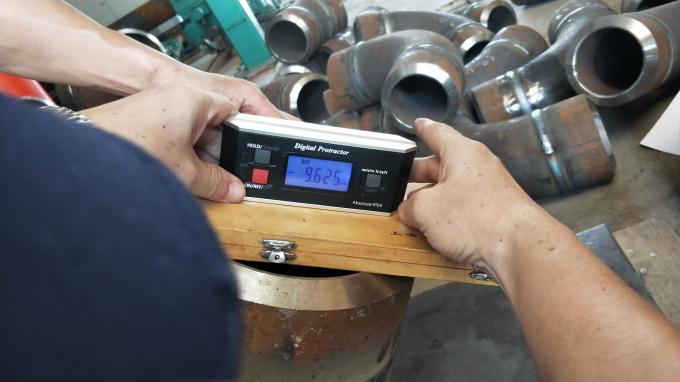
From initial inspection of high-purity silicon carbide powders to final ultrasonic and pull-off testing of vulcanized rubber-to-metal bonds, every step is carefully controlled. This level of quality assurance guarantees that the wear liners delivered to the Pacific islands perform reliably in remote, high-salinity maritime environments.
The joint engineering capability is backed by a portfolio of industrial patents, highlighting a commitment to continuous wear-tech innovation. These patents include:
"A kind of elbow of pump pipe discharge anti-clogging pipe" (Patent No. ZL201820468953.9)
"A lining board installation structure" (Patent No. ZL201920782341.2)
"A lining board processing console" (Patent No. ZL201920556213.X)
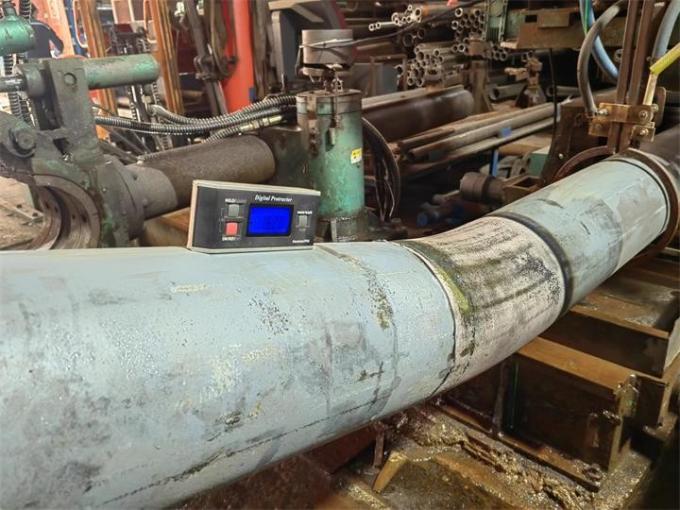
"A conveying device for ceramic-lined pipes" (Patent No. ZL202021156321.4)
These technical milestones demonstrate our ability to engineer custom wear solutions, solving complex transport and wear problems in dry bulk handling and slurry processing.
In Kiribati, engineering equipment must endure demanding environmental conditions. Deploying generic wear plates often leads to early failure. Our engineered steel-backed silicon carbide liners are designed for several key local applications:
Consult with our senior ceramic engineers to design custom-fit, high-performance wear liners that eliminate equipment downtime.
Send Inquiry NowExplore our full range of vulcanized rubber-ceramic-steel composites and specialty lining plates.
We guide your wear protection project from initial concept through final delivery and installation support.
Our technical managers analyze your operating conditions and provide tailored wear mitigation strategies and project budget proposals.
After assessing your machinery, we generate detailed CAD drawings for custom wear plates, ensuring a perfect fit upon arrival.
All products are certified under ISO 9001 and ISO 14000. Raw materials and finished liners undergo strict inspections before delivery.
To meet the demands of changing global industries and the infrastructure challenges in the Pacific region, our development focus is directed toward next-generation wear technologies:
Answers to common questions regarding the installation and performance of ceramic composite wear plates.
Coral sand slurry contains sharp, highly abrasive fragments that cause severe micro-scratching. Silicon Carbide (SiC) has a Mohs hardness of 9.5, which is harder than alumina (Mohs 9.0) and significantly harder than coral minerals. This difference in hardness prevents abrasive particles from penetrating the ceramic surface.
The vulcanized rubber layer acts as an elastic cushion. When a heavy stone or lump of aggregate impacts the liner, the rubber deforms, absorbing and dispersing the kinetic energy. This prevents the stress on the ceramic tile from exceeding its flexural strength, stopping crack propagation.
No. Our high-pressure vulcanization process uses specialized bonding agents that create a hermetic seal. This seal prevents saltwater from penetrating the interfaces between the ceramic, rubber, and steel, protecting the assembly from corrosion and delamination.
Our steel-backed composite liners can be supplied with welded stud bolts on the back plate, allowing them to be bolted directly through the host structure. Alternatively, the steel backing plate can be chamfered for direct plug welding onto the internal surfaces of hoppers and chutes.
Once CAD designs are confirmed, production typically takes 15 to 25 days. Shipments are packaged in seaworthy wooden crates and shipped via container ocean freight directly to Tarawa (Betio Port), with complete export documentation and installation instructions included.
 Xingli Industrial Ceramics