Morocco is undergoing a massive industrial transformation, driven by the "Plan d'Accélération Industrielle." At the heart of this growth are sectors like phosphate mining (led by OCP Group), cement production (LafargeHolcim Maroc, Ciments du Maroc), and renewable energy infrastructure. However, the geographic and geological conditions in Morocco—ranging from the abrasive phosphate rocks of Khouribga to the high-heat environments of Safi’s chemical complexes—demand superior material science.
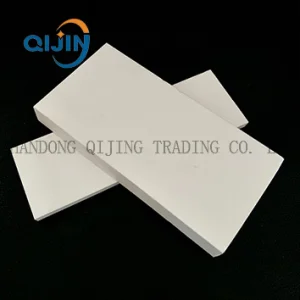
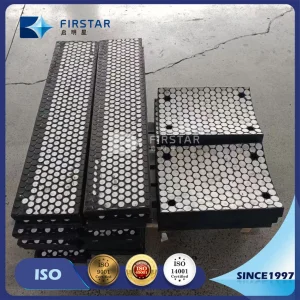
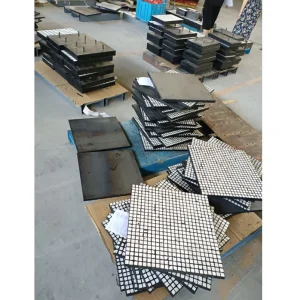
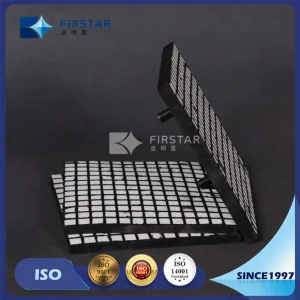
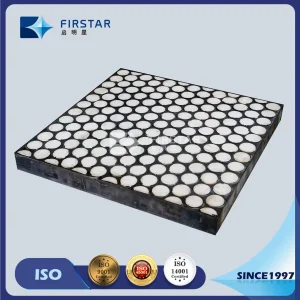
Ceramic-bonded steel wear parts have emerged as the gold standard in these environments. Traditional steel components often fail prematurely when exposed to the highly abrasive nature of phosphate ore or the high-velocity impact found in cement kilns. Our advanced ceramic-steel composites combine the extreme hardness of Alumina or Zirconia ceramics with the structural toughness of high-grade steel, providing a lifespan 5 to 10 times longer than standard metal alloys.
Global Phosphate Reserves in Morocco
Longer Life vs. Manganese Steel
Countries Exported Worldwide
Production Downtime with Proper Linings
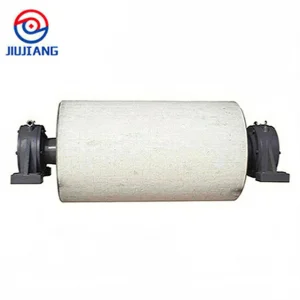
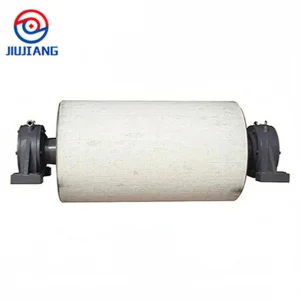
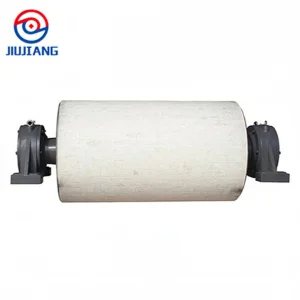
In the world-famous mines of the Gantour and Ouled Abdoun basins, abrasion is the primary enemy. Our Wear Resistant Cold Bonded Ceramic Lagging Pulleys and Rubber Ceramic Composite Sheets are specifically designed for the massive conveyor systems that transport raw phosphate. The ceramic tiles provide a high-friction surface that prevents belt slippage even in dusty Moroccan desert conditions, while the rubber backing absorbs the impact of heavy rock fragments.
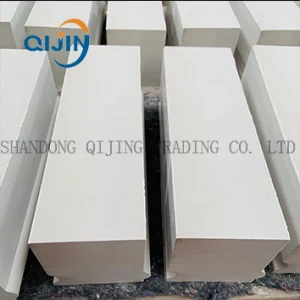
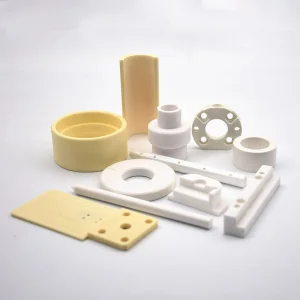
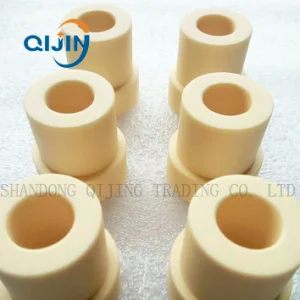
Morocco's construction boom requires a steady supply of cement. Our Alumina Ceramic Bushings and Heat Resistant Ceramic Custom Linings are vital for clinker production lines and pneumatic conveying systems. At Tanger Med, one of Africa's largest ports, ceramic-lined chutes ensure that bulk materials are handled with minimal equipment wear, reducing maintenance costs significantly.
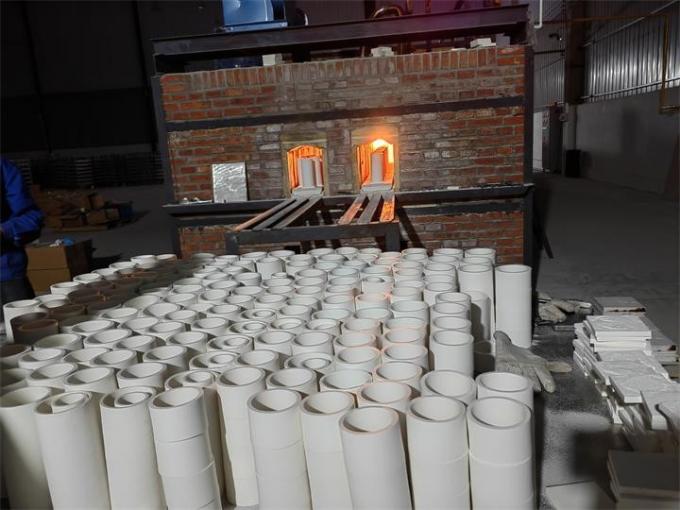
Zibo Xingli Industrial Ceramics Co., Ltd is an enterprise specializing in the production of industrial alumina ceramic, zirconia ceramic, and carbon-silicon products, focusing on providing wear-resistant ceramic ball grinding media, alumina lining, ceramic liner, ceramic pipe, and inert alumina balls for catalyst support.
Hunan Yibeino New Materials Co., Ltd. has passed the ISO9001:2015 quality system certification. The company has a strict quality control system. Product design, manufacturing, and installation services are fully integrated into the ISO quality management system. From raw material purchase and ingredients to production process management and factory inspection, we ensure stable product performance and excellent quality for our Moroccan clients.
Our global footprint includes the United States, Germany, Sweden, India, Turkey, and now a focused expansion into the Moroccan and North African markets. We adhere to the business philosophy of "integrity, hard work, innovation."
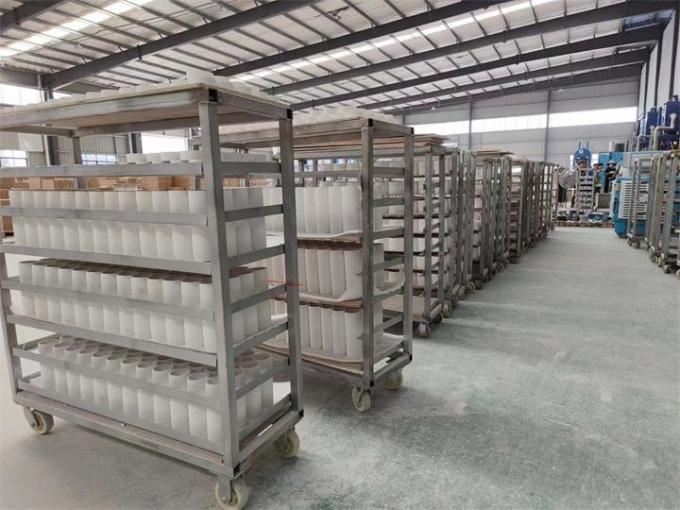
Our technical engineers provide reasonable anti-wear solutions according to the operating conditions of Moroccan mines or plants, providing a project budget quotation that focuses on ROI.
Customized design drawings. We understand that every conveyor at a Safi plant or Agadir construction site is different. We tailor the dimensions to fit your existing hardware perfectly.
Remote technical support and on-site consultation. We ensure that the installation of our ceramic liners meets the highest international standards.
ISO9001:2015 and ISO14000 certified. Every part shipped to Morocco undergoes rigorous ultrasound and hardness testing to ensure 100% reliability.
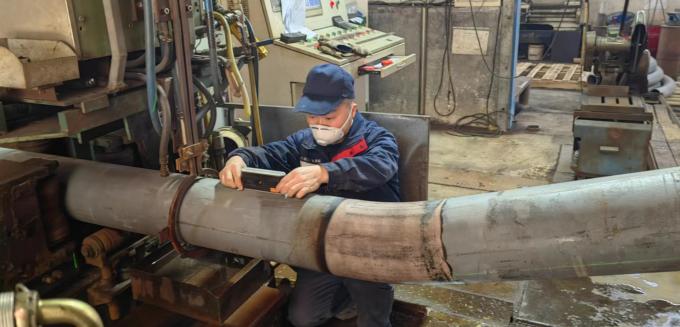
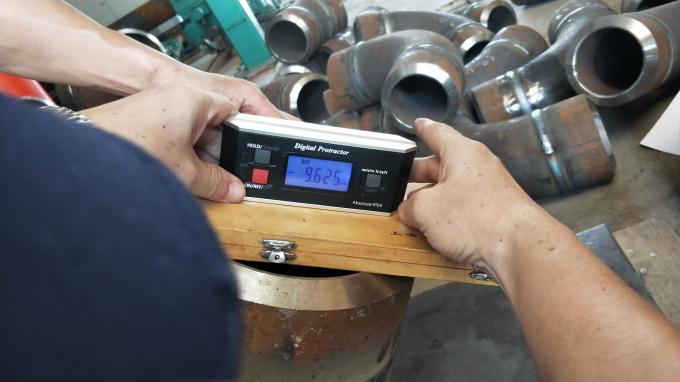
The trend in Morocco is moving toward "Green Mining" and "Industry 4.0." This means reducing waste and increasing energy efficiency. Wear-resistant ceramic-bonded steel parts contribute to this by:
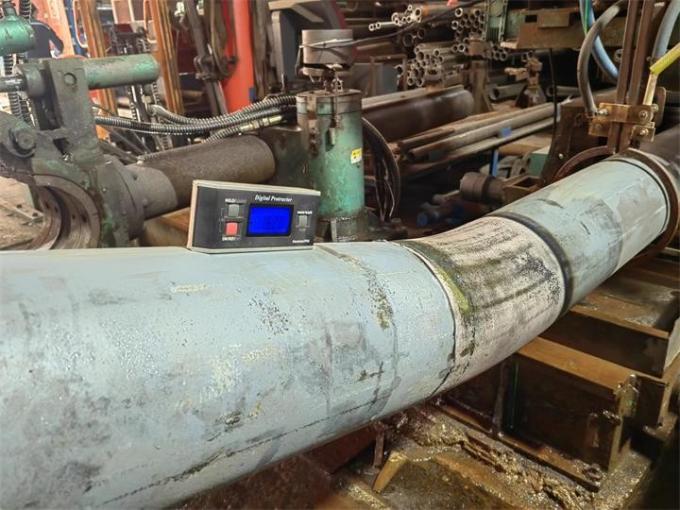
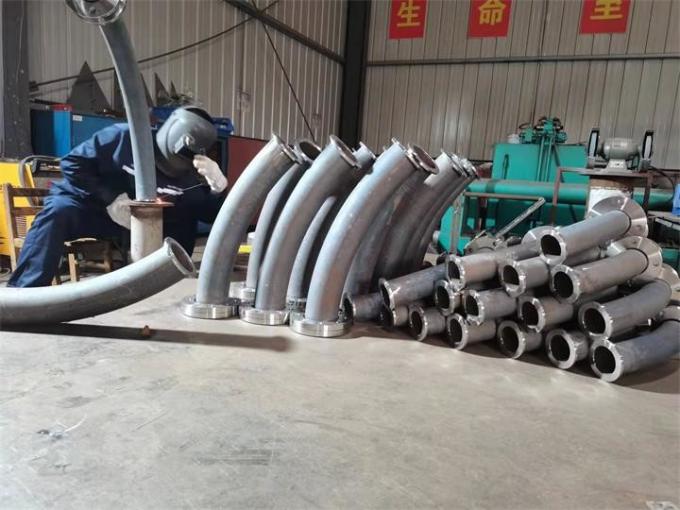
Our product patents include advanced designs such as "Anti-clogging pump pipe elbows" and "Advanced lining board installation structures." These innovations are critical for the high-pressure concrete pumping used in the construction of Morocco's high-speed rail and urban infrastructure.
 Xingli Industrial Ceramics